Can ackie monitors eat cat food?
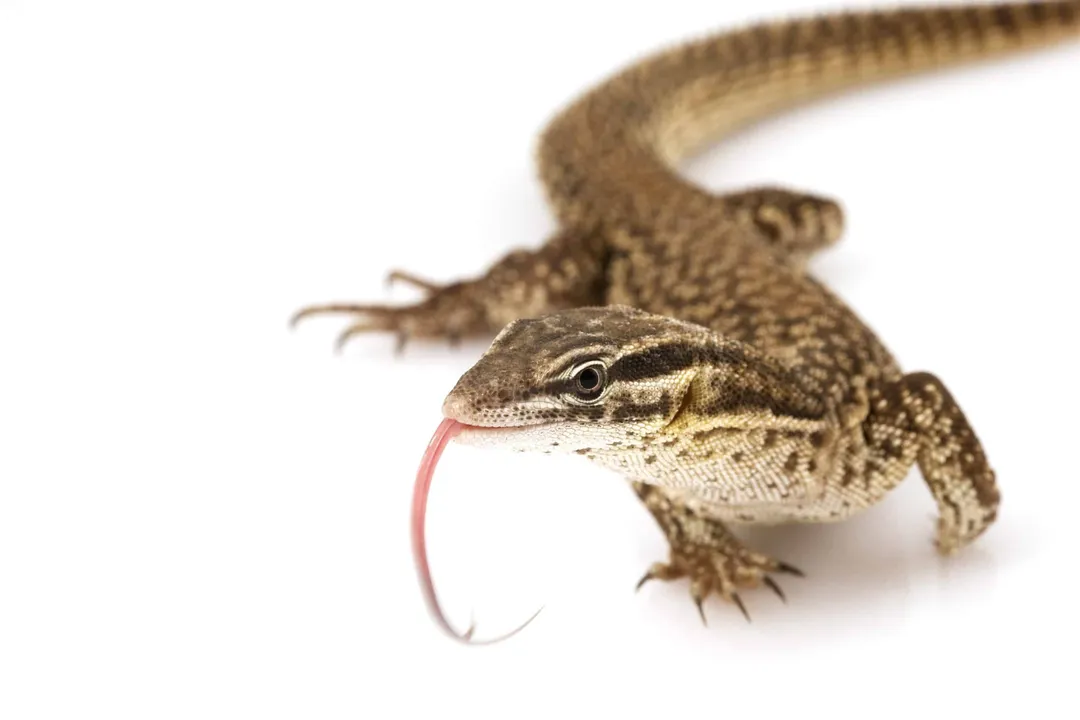
Keeping a monitor lizard, especially the smaller and incredibly active Varanus acanthurus (Ackie monitor), often brings up practical questions about feeding schedules and food sources. For any dedicated keeper, balancing the need for convenience with the absolute necessity of providing a species-appropriate diet is a constant consideration. When keepers look for easy additions or emergency meals, supermarket staples like cat food frequently enter the conversation, leading many to wonder if this readily available product is acceptable for their spiny-tailed lizard. [1][8]
# Natural Diet
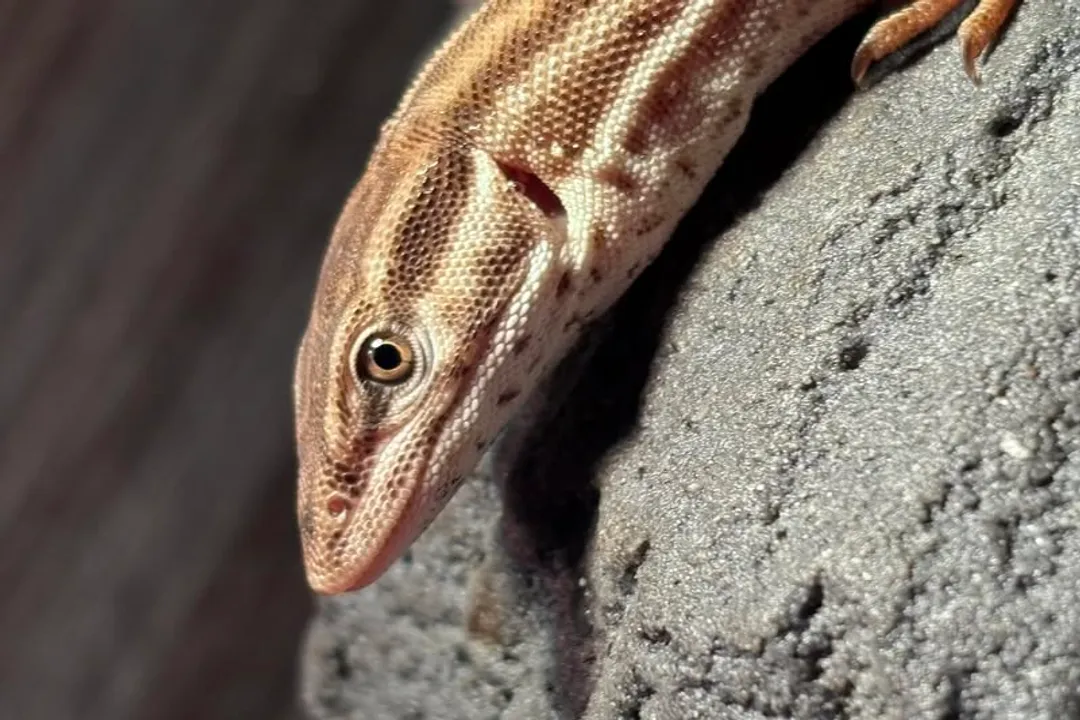
Ackie monitors in their native Australian habitats are opportunistic carnivores, leaning heavily toward an insectivorous diet. [7] Their natural prey base consists primarily of various insects, spiders, small lizards, and occasionally small vertebrates. [5] This natural intake dictates what a captive diet must aim to replicate: a high intake of protein sourced from whole prey items. [5]
Because Ackies are so active and have high metabolic rates, their dietary requirements emphasize the right balance of nutrients found within whole prey. This balance includes the correct ratios of calcium and phosphorus, which are vital for strong skeletal development and preventing Metabolic Bone Disease (MBD). [5] A healthy captive diet, therefore, focuses on variety, typically revolving around staple feeders like crickets, dubia roaches, mealworms, and locusts, appropriately gut-loaded and dusted with supplements. [2][5]
# Cat Food Debate

The idea of feeding cat food to a monitor often stems from its high protein content compared to, say, dog food or vegetable matter. [6][8] In discussions among keepers, canned varieties, particularly wet food, are sometimes mentioned as a rare substitute or a way to get fluid into an animal that isn't drinking well, or simply as an easily accessible option during a temporary lapse in usual supplies. [3][6] Some anecdotal reports suggest that an occasional bite of canned food isn't immediately catastrophic. [1]
However, the consensus among experienced keepers and reliable care guides leans heavily toward caution, if not outright exclusion. [5][8] While cat food is protein-rich, it is formulated specifically for felines, not reptiles. [5] The nutritional makeup, while satisfying on a surface level, is generally mismatched for the needs of a monitor lizard. [5]
# Mineral Balance
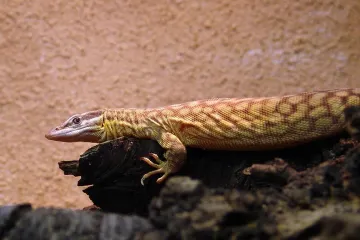
The primary concern moves beyond just protein quality and centers on the essential mineral profile, specifically the calcium-to-phosphorus ratio. [5] Whole prey items, such as an insect or a freshly killed mouse, provide calcium bound within the bones and exoskeleton in proportions that naturally support the monitor's needs. [5]
When you examine standard commercial cat foods, whether canned or dry, they are often processed, cooked, and formulated for a different species entirely. This processing can alter the bioavailability of certain nutrients, and more importantly, the final product often contains higher levels of phosphorus relative to calcium, or simply lacks the necessary amounts of calcium entirely. [5] Relying on such a product as a regular meal means that the monitor is missing out on vital calcium intake necessary for bone maintenance, potentially leading to long-term health issues like the aforementioned MBD, even if the lizard appears active in the short term. [5]
It is worth noting that the fat content in many commercial cat foods, designed to meet the high-energy needs of domestic cats, may also be excessively high for the leaner nutritional demands of a monitor kept in captivity, potentially leading to obesity or associated organ strain over time. [5] If you were to create a simple scoring guide for evaluating non-live, manufactured foods for an Ackie, the ideal score would prioritize a Ca:P ratio near $2:1$ or $1:1$ with appropriate dusting, whereas most pet store canned meats will score significantly lower on the calcium scale without heavy supplementation, which is difficult to guarantee when simply mixing it in. [5]
# Occasional Use
If a keeper absolutely must resort to using cat food—perhaps as a very rare treat or a temporary measure during a serious food shortage—it should be treated as just that: an occasional item, not a staple. [8] Some discussions suggest that very high-quality, grain-free wet food, fed sparingly, might be less detrimental than lower-grade dry kibble, but this is not a guarantee of nutritional adequacy. [8]
A good rule of thumb adopted by many experienced hobbyists is that any prepared food source should make up no more than about $10%$ of the total diet, with the remaining $90%$ consisting of whole, live, or appropriately sourced whole-prey frozen/thawed items. [5] For cat food, given the known nutritional shortcomings compared to insect staples, a more conservative approach is usually wiser. Think of it less as a food item and more as an occasional, high-protein enrichment snack, perhaps offered once a month, if at all. [8]

# Better Alternatives
Fortunately for modern keepers, there are several better alternatives to resorting to feline fare when looking for convenience or variety beyond live insects. For instance, commercially prepared whole-prey options, such as frozen/thawed mice or chicks (appropriately sized for the monitor), offer a much more balanced source of protein, fat, and bone structure than rendered meat products. [5]
Furthermore, many commercial reptile diets are now available that are specifically formulated for omnivorous or carnivorous lizards, offering guaranteed mineral balancing that cat food simply cannot promise. [5] When considering any non-live food, a keeper should always ask themselves two critical questions: Does this item offer an accessible source of whole bone, and what is the established calcium source in this product? If the answer to the first question is 'no' and the second is 'none,' the item should be avoided or fed only under strict, supplemental conditions. [5] If you find yourself frequently needing convenient options, investing time in establishing a reliable source for appropriately sized frozen rodents or purchasing specialized, high-quality commercial lizard pellets formulated for monitors might save you the nutritional guesswork associated with domestic pet foods. [5]
#Videos
What To Feed Ackie Monitors (Complete Diet Guide) - YouTube
Related Questions
#Citations
Ackie Feeding Question! : r/MonitorLizards - Reddit
Feeding Your Spiny-Tailed (Ackies) Monitor - ABDRAGONS
What food options are suitable for an Ackie monitor lizard? - Facebook
What To Feed Ackie Monitors (Complete Diet Guide) - YouTube
What Do Ackie Monitors Eat? | ReptiFiles
canned food for ackies? - Aussie Pythons & Snakes Forum
Red Ackie Monitor - Varanus acanthurus - A-Z Animals
Cat food for monitors??? | Reptile Forums
Caring for Varanus acanthurus, the Ackies Monitor – June 2013