What do water walkers eat?
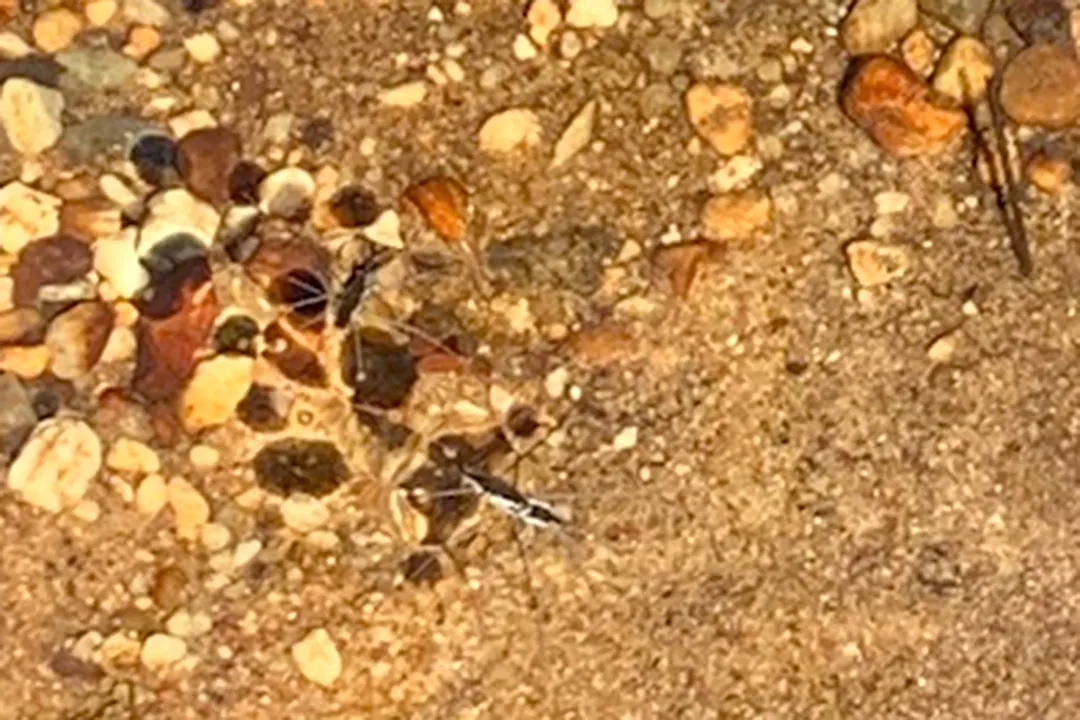
The ability to traverse the boundary between water and air—what many call "walking on water"—is a feat of physics and biology that captures the imagination, prompting many to wonder about the lives of these surface-dwellers, including what sustains them. While creatures ranging from the Basilisk Lizard to certain species of geckos exhibit this characteristic through various means, the primary, year-round surface residents we observe on ponds and slow-moving streams are usually insects like the Water Strider (Family Gerridae) and the Fishing Spider (Genus Dolomedes). Despite sharing the same unique habitat, their diets and hunting tactics reveal distinct roles within the aquatic ecosystem.
# Strider Sustenance
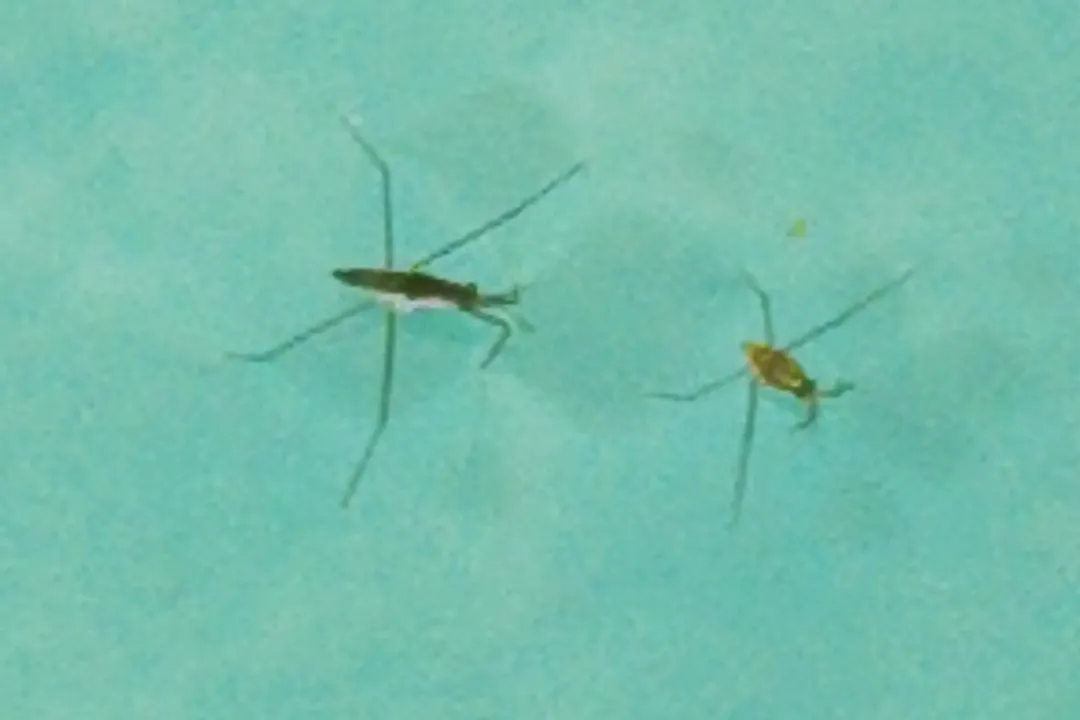
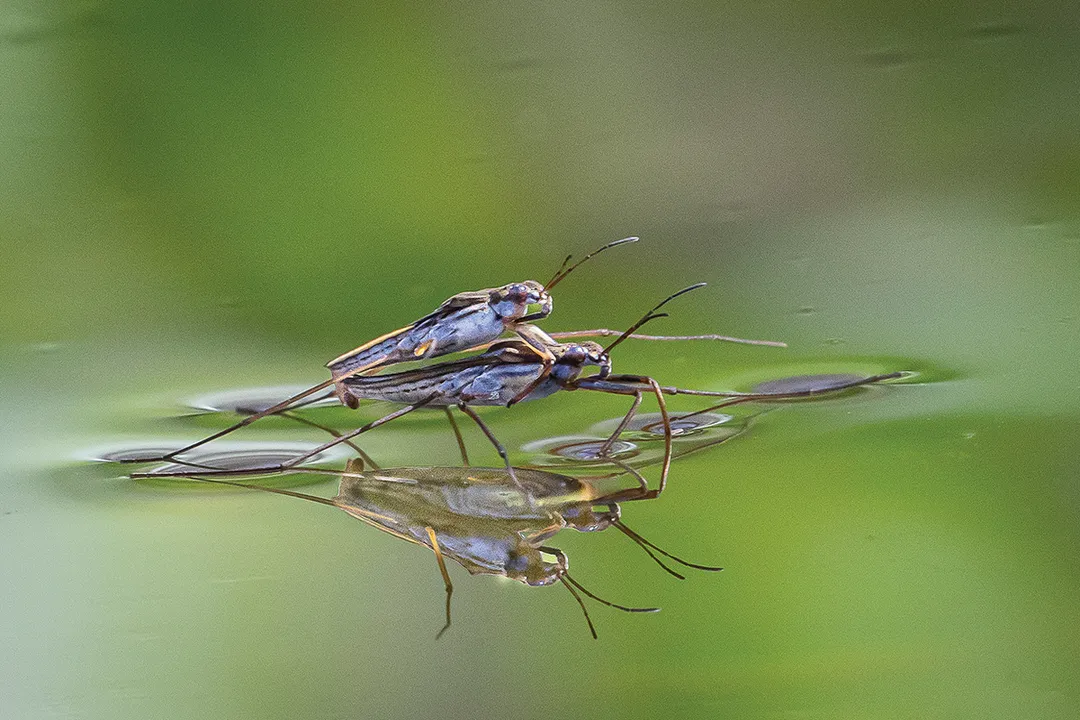
Water striders, sometimes affectionately called Jesus bugs, pond skaters, or water skeeters, are strictly surface hunters, relying entirely on the delicate tension of the water film to remain aloft. Their survival hinges on specialized physical adaptations that dictate what they can consume: mainly small invertebrates that happen to land, fall, or struggle on the surface film. As carnivores, they function both as active predators and as scavengers of whatever detritus floats by.
The hunt begins not with sight, but with vibration detection. A strider uses its long middle and hind legs, equipped with water-repellent hairs, to sense the disturbances caused by struggling prey. Once a suitable meal—such as a fallen ant, a trapped mosquito, or an insect larva—is detected, the much shorter, specialized front legs spring into action, grasping and holding the captured meal firmly against the water surface.
The actual consumption process is where the strider's insect anatomy becomes particularly specialized. Water striders, belonging to the order Hemiptera or "true bugs," possess piercing mouthparts, often referred to as a proboscis. They do not chew; instead, they pierce the prey's exterior and then inject salivary enzymes directly into the victim. These enzymes serve as a powerful, internal "meat tenderizer," effectively liquefying the prey's insides. Following this predigestion, the strider uses a pump in its head to suck out the resulting nutrient-rich fluid, leaving behind a dry, empty husk. This method of feeding is extremely efficient for processing small, soft-bodied organisms that can be completely consumed as a liquid meal. Even the juvenile nymphs share this carnivorous diet, focusing on similar surface prey like larvae and occasionally consuming tadpoles.
# Spider Larder
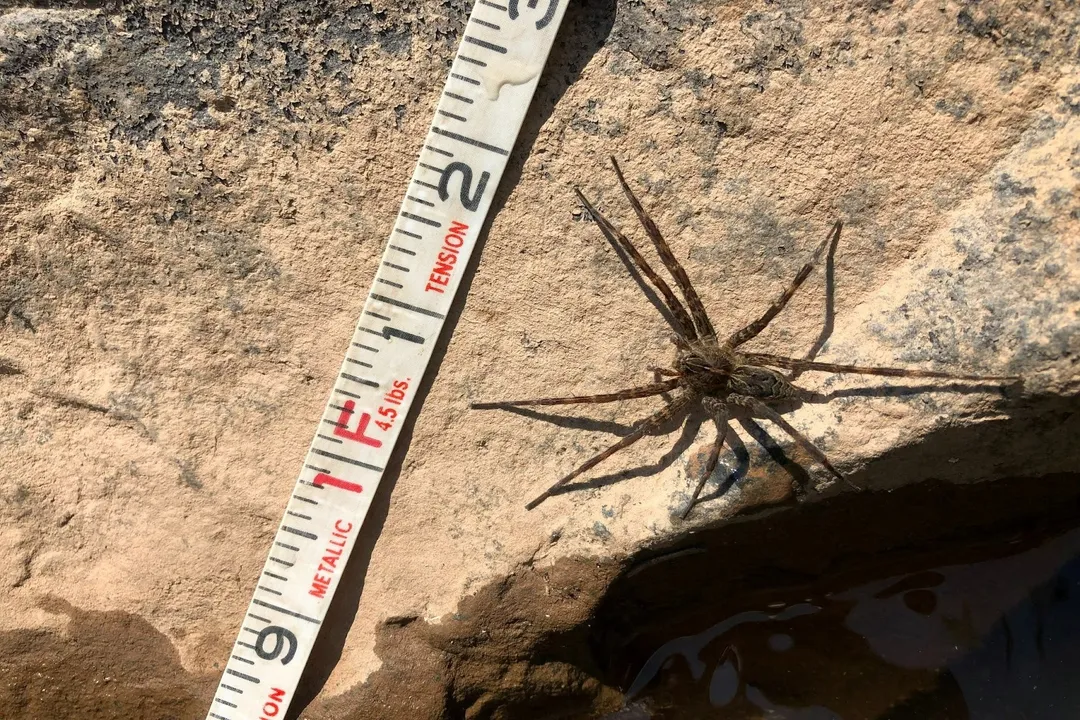
In contrast to the strictly surface-dwelling insect, the Fishing Spider, sometimes called the dock spider or wharf spider, possesses a more versatile dietary strategy because its mobility is not entirely restricted to the air-water interface. Members of the Dolomedes genus spend their time right at the edge of ponds and streams, often stretching some of their eight legs onto the surface to wait for vibrations—much like their insect counterparts.
The diet of the fishing spider is broader because its capabilities extend beneath the surface. While insects form the bulk of their meals, the larger fishing spiders, capable of diving, expand their menu to include small fish and tadpoles. This ability to hunt both above and below the meniscus positions the fishing spider as a predator across two different layers of the aquatic environment, something the water strider cannot manage. The fishing spider’s hunting success often includes preying upon the water striders themselves; imagine the water strider, confident in its ability to skate away from aquatic threats, only to become the meal for a massive arachnid waiting at the shore.
If we categorize the feeding roles in these micro-habitats, the water strider acts as a specialized surface controller, managing insects that fall in from above. The fishing spider, however, operates across the surface and into the water column, giving it access to a greater variety of biomass, including aquatic invertebrates and even vertebrates like small fish. This difference in prey spectrum reflects the spiders' anatomical advantage of being able to actively swim and dive, rather than relying solely on surface tension.
# Predation Mechanics Compared
The tools used by these two surface masters for capturing food highlight a fundamental difference between insects and arachnids in this niche. The water strider relies on its specialized forelegs for grasping and a piercing beak for injection and suction. This system works perfectly for liquid meals derived from small, soft prey.
The fishing spider, being an arachnid, utilizes fangs (chelicerae) to inject venom or digestive enzymes and then sucks up liquefied contents. Although sources confirm that fishing spiders eat insects like water striders, the underlying mechanism for both predators—injection of enzymes followed by fluid extraction—shows a convergence in predatory strategy despite their different evolutionary lineages. Both rely heavily on detecting movement via surface vibrations to locate their meals, making the ripple a universal dinner bell in this environment.
# Dietary Stability Insights
The physical adaptations that allow water striders to stay afloat are also linked to the reliability of their food source. Water striders exhibit wing polymorphism; some have full wings, while others are wingless, with winged individuals often developing in habitats prone to drying up. This environmental pressure suggests an interesting ecological consideration: populations residing in more stable environments, like large, permanent lakes where striders may be wingless, likely experience a more predictable, steady supply of surface-dropped insects throughout the season. Conversely, striders in temporary pools must contend with a diet that might fluctuate wildly, depending on seasonal insect hatches and the frequency of aerial prey falling in, possibly requiring them to be highly opportunistic feeders when resources are present.
Furthermore, when considering the sheer efficiency of the strider’s feeding apparatus—piercing and liquefying—it’s worth noting the energetic implications compared to larger predators. A fishing spider must physically subdue and manage a relatively large prey item, like a fish, before commencing digestion. The strider, by contrast, only needs to overcome a tiny insect or larva, efficiently consuming only the necessary fluids. This low-energy capture-and-liquefy strategy is perfectly calibrated to the intermittent nature of prey availability on the water surface.
# Other Surface Travellers
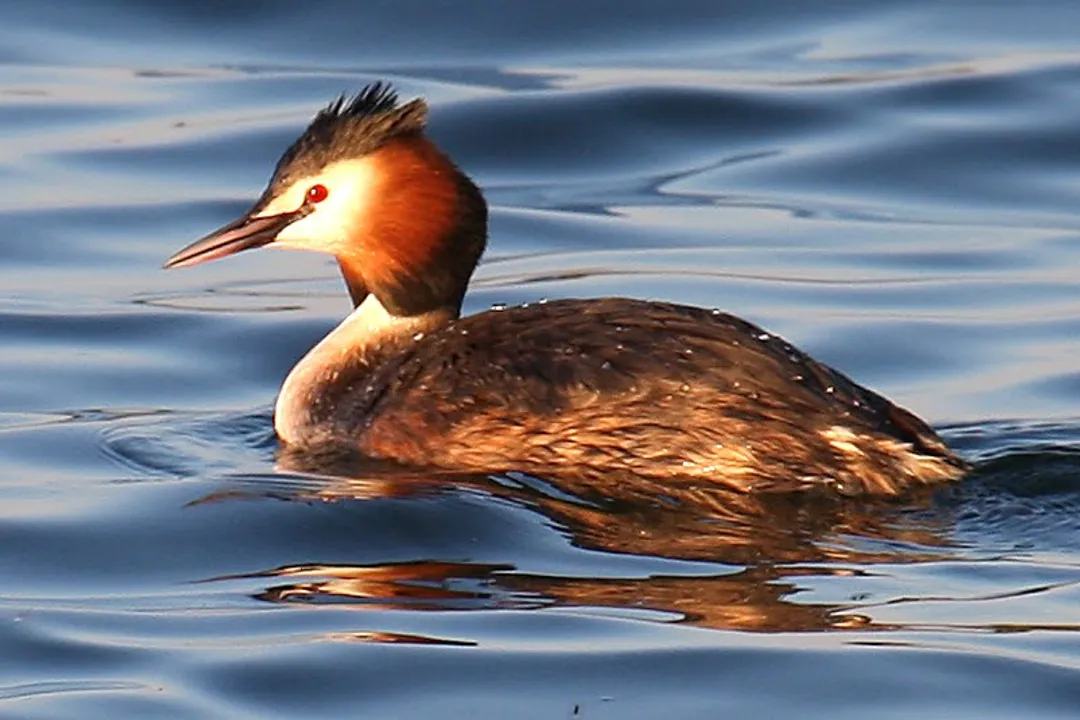
While striders and fishing spiders represent the most dedicated and predatory "water walkers," other creatures manage the surface for different reasons, and their diets are not centered on surface capture. The Basilisk Lizard, for instance, uses specialized foot flaps to slap the water and create air pockets, allowing it to run across the surface for short distances, usually to escape danger. Its diet, not being the subject of aquatic surface hunting, typically consists of terrestrial prey like insects, spiders, and small vertebrates caught on land. Similarly, birds like grebes have magnificent courtship displays involving running on water, but their survival relies on general aquatic hunting (fish, invertebrates) achieved by swimming or diving, not by strictly exploiting the surface tension film for food capture.
This distinction between movement for escape and movement for foraging helps clarify which "water walkers" are truly defined by their dietary interaction with the surface film. The insects and spiders are inextricably linked to the surface for sustenance, whereas the reptiles and birds use the surface as a temporary pathway during other activities.
Observing these communities—the striders snatching mosquitoes, the spiders lurking nearby waiting to snatch a strider—demonstrates a complex food web existing in a layer of water only a few molecules thick. It is a fragile, fascinating domain where surface tension is not just a trick of physics, but the very foundation of life and death. Paying attention to the tiny ripples on a local pond reveals a constant, silent hunt driven by the necessity of consuming whatever falls onto that liquid membrane.
#Videos
True Facts Water Walkers: Educational Edition - YouTube
True Facts: The Bizarre Magic of Water Walkers - YouTube
Related Questions
#Citations
Water Walkers - The Vineyard Gazette
What Do Water Striders Eat? A Fascinating Glimpse Into Their Diet
Walking on Water: The Wonders of Water Striders
Fishing Spiders: Tickly Water Walkers
Water Striders | National Wildlife Federation
True Facts Water Walkers: Educational Edition - YouTube
Water Walkers - Real Monstrosities