What type of food should Schnauzers eat?

The conversation around feeding a Schnauzer, whether a Miniature, Standard, or Giant, often revolves around balancing their spirited energy levels with their known predispositions to certain health issues. Owners frequently discuss what works best for their individual dogs, leading to a variety of approaches ranging from traditional dry kibble to raw or home-prepared meals. [1][2] A crucial starting point is recognizing that Schnauzers, particularly the Miniature variety, are prone to weight gain and may have sensitivities, meaning the quality of the food often trumps the brand name alone. [3][5]
# Breed Needs

Schnauzers generally thrive on a diet that is substantial in animal-based protein, with moderate fat levels, and controlled carbohydrates. [3][5] The physical makeup of the breed demands quality fuel. For instance, Miniature Schnauzers can be prone to obesity if overfed, making calorie control important for preventing undue stress on joints. [4][8] Conversely, a Standard or Giant Schnauzer, being larger and more active, will require a higher caloric density to maintain muscle mass and energy throughout the day. [5]
When looking at ingredients, the first few items listed on any bag or container should be identifiable, named meat sources. Chicken, beef, lamb, or fish are excellent primary ingredients. [3] Some breed-specific guides suggest that the fat content should ideally be kept in check, often aiming for around 10% to 15% in an adult maintenance diet, although this varies significantly based on activity level and food style (e.g., raw diets naturally carry different fat profiles). [3][9]
# Life Stage Feeding
Puppy nutrition is a critical period for all Schnauzers, as rapid growth requires specific ratios of protein and calcium to support bone and joint development. [3] Puppy formulas must be balanced for growth, providing enough calories for high energy demands without causing excessive speed of growth, which can be problematic for larger breeds like the Giant Schnauzer. [5]
For adult dogs, the focus shifts to maintenance. This is where monitoring body condition becomes essential. If your adult Schnauzer is sedentary, a slightly lower-fat adult formula might be necessary to avoid packing on extra pounds. [4][8] Seniors often benefit from diets that are easier to digest, sometimes featuring fewer calories overall but maintaining high-quality protein to support muscle mass as their activity naturally declines. [3] Switching to senior-specific food is not always necessary; sometimes, simply reducing the portion size of their regular, high-quality adult food is sufficient, provided the protein level remains adequate. [5]
# Food Styles
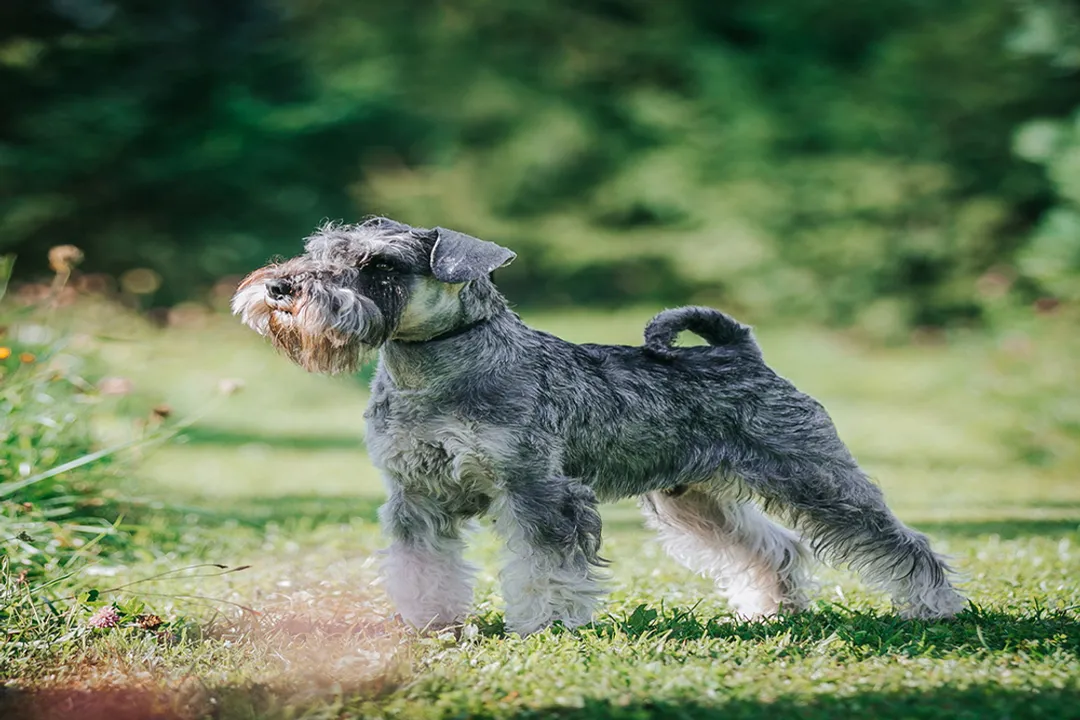
The modern dog food market presents owners with several distinct philosophies on what constitutes the "best" diet for a Schnauzer. Owners often compare the convenience of commercial products against the perceived purity of less processed options. [1][2]
# Kibble Choices
Dry kibble remains the most popular choice due to its convenience, ease of storage, and long shelf life. [8] When selecting kibble, Schnauzer owners frequently advise looking for formulas that are not heavy in grains, or specifically grain-free options, though the latter topic sparks debate among owners. [1][2] Some community members express concern over the high carbohydrate content in many popular kibbles, which they feel doesn't align with a canine's ancestral diet. [7]
If choosing a kibble, look for:
- Named meat sources as the top ingredient. [3]
- Appropriate AAFCO statements confirming it is complete and balanced for the dog's life stage. [3]
- Absence of artificial colors, flavors, or excessive preservatives. [3][8]
One common viewpoint is that kibble formulated for small breeds is often appropriate for Miniatures, as it matches their jaw size, but the nutrient density must still be scrutinized. [8]
# Natural Diets
Moving away from kibble leads owners toward fresh or raw feeding methods. Proponents of raw feeding—often called BARF (Biologically Appropriate Raw Food) or prey model—believe this mimics what a dog would naturally consume. [9] This usually involves feeding raw muscle meat, appropriate bone content, organs, and often supplemented with vegetables. [9] For a Miniature Schnauzer, careful calculation is required because raw feeding can sometimes be high in fat, necessitating selection of leaner cuts or adjustment to balance the energy intake for a smaller breed prone to weight gain. [9]
Home-prepared or cooked fresh diets also fall under the "natural" umbrella, allowing owners to control every ingredient that enters the bowl. [7] This method requires significant research to ensure nutritional completeness, as imbalances in minerals like calcium and phosphorus can be detrimental over the long term. [7] A common thread among those feeding fresh or raw is the desire to manage skin and coat issues, which can sometimes be linked to sensitivities in processed foods. [2][7]
# Comparing the Methods
The choice between kibble, fresh, or raw often comes down to owner lifestyle and commitment. Kibble is dependable for consistency. [8] Raw feeding offers high digestibility and nutrient bioavailability, according to its advocates, but demands stringent hygiene practices and careful formulation to avoid nutrient deficiencies or excesses. [9] Cooked fresh food offers control but demands daily time investment in preparation and balancing. [7]
For example, when reviewing community posts, one sees Standard Schnauzer owners sometimes reporting better stool quality and shinier coats when switching from a high-grain kibble to a limited-ingredient, novel protein kibble or a raw diet. [2] However, others in the same discussions point out that their Miniature Schnauzers developed pancreatitis flare-ups after switching to higher-fat raw options, demonstrating that a dog’s individual biology dictates the right path. [1][3]

# Health Considerations
Diet plays a direct role in managing the most common health concerns facing the breed, particularly concerning the pancreas and the skin/coat. [3][5]
# Pancreatic Health
Schnauzers, particularly Miniatures, are genetically predisposed to developing pancreatitis, an inflammation of the pancreas that can be extremely serious and painful. [3][5] Dietary fat is a major trigger for this condition. [3] Therefore, if your Schnauzer has a history of vomiting, lethargy, or abdominal pain after eating, a vet consultation focusing on diet is paramount. Diets consistently high in fat, regardless of whether it is from kibble, raw meat, or table scraps, should be strictly avoided in predisposed dogs. [3] This predisposition is why some owners favor lower-fat kibbles or carefully select very lean meats if pursuing a raw diet. [9]
# Skin and Coat Management
The harsh, wiry coat typical of the Schnauzer requires sufficient healthy fats, such as Omega-3 and Omega-6 fatty acids, for optimal appearance and health. [3] If a Schnauzer's coat becomes brittle, dull, or they suffer from chronic itching, the diet should be examined immediately. [2][7] While poor coat quality can sometimes stem from allergies to environmental factors, nutritional deficiencies or imbalances—particularly a lack of quality fats or an overabundance of inflammatory ingredients often found in lower-quality foods—can manifest in the skin. [3][7]
When looking to improve coat quality, especially when moving toward a less processed food, owners need to monitor the dog's skin for immediate changes. A common pitfall when switching to a higher-quality, meat-based diet is an initial increase in itching due to the body processing richer nutrients. For instance, switching from a corn-heavy kibble to a salmon-based diet might cause a temporary reaction as the system adjusts.
Here is a simple transition monitoring guide often recommended by nutrition-conscious owners:
| Transition Day | Percentage New Food | Action Focus |
|---|---|---|
| 1-3 | 25% | Watch for immediate GI upset (vomiting/diarrhea) |
| 4-6 | 50% | Monitor energy levels and stool firmness |
| 7-9 | 75% | Observe coat sheen and skin hydration |
| 10+ | 100% | Full transition complete; monitor long-term weight trend |
This slow, structured approach helps isolate whether a reaction is due to the new food itself or simply the metabolic shift associated with changing macronutrient profiles. [5]
# Ingredient Quality and Red Flags
Understanding what to avoid is just as important as knowing what to include. Beyond managing fat for pancreatitis risk, certain ingredients are universally discouraged by reputable breed nutrition guides and experienced owners alike. [3][5]
# Avoiding Fillers
Ingredients often cited as problematic fillers or low-value nutrients for carnivores like dogs include corn, wheat, and soy. [3][7] While these ingredients are not inherently toxic, they offer poor nutritional value for dogs and can be common allergens or sensitivities, potentially contributing to dull coats or digestive upset in Schnauzers. [3] If these are present, they should not be listed in the first few ingredients. [3]
# The Grain-Free Debate
The topic of grain-free diets frequently arises on owner forums. [1][2] While many owners seek out grain-free options thinking they are inherently healthier, veterinary research has linked some grain-free diets, particularly those high in legumes like peas and lentils, to a heart condition called Dilated Cardiomyopathy (DCM) in certain breeds. [3] While Schnauzers are not the primary breed studied in these reports, caution is warranted. If you opt for a grain-free diet, ensure it still contains high levels of animal protein and is one that your veterinarian supports, especially if it is heavy on alternative starches. A moderate amount of healthy grains like oats or brown rice, if tolerated, can be a good source of balanced energy and fiber. [3]
# Understanding Supplements
Many commercial foods are supplemented, but owners feeding raw or home-cooked diets must be diligent about supplementation, especially for calcium, essential fatty acids, and vitamins. [7][9] For example, feeding only muscle meat without bone will lead to a severe calcium deficiency, which is dangerous for bone health in puppies and adults alike. [9] Owners committed to a raw approach often cite the necessity of adding specific powders or incorporating elements like ground eggshell or specific oils to mimic a whole-prey diet more closely. [7]
For the average owner feeding a quality, AAFCO-approved kibble, additional supplementation should be approached with care. Adding random supplements like cod liver oil or turmeric without knowing the dog's current diet intake can easily lead to an overdose of fat-soluble vitamins or excessive calories. [5]

# Feeding Routine
How much and how often you feed can be as impactful as what you feed. Because Schnauzers can be prone to developing dietary issues and weight gain, sticking to a consistent schedule is highly recommended. [4]
Most adult dogs do well on two measured meals per day, morning and evening. [4] This routine helps regulate digestion and prevents the large, high-fat, single-meal intake that can stress the pancreas. [3] Miniature Schnauzers in particular should have their food carefully measured, as "eyeballing" portions can easily lead to an extra pound or two creeping on over a year, which is significant for a small dog. [4]
If you are making a significant shift in food type—say, moving from a standard kibble to a raw preparation—it is vital to transition slowly over seven to ten days. [5] This slow introduction allows the dog's digestive enzymes to adapt to the new ingredients and macronutrient ratios, drastically reducing the chance of diarrhea or vomiting. [5] Rapid changes are a common failure scenario when owners attempt to switch diets based on excitement over a new product.
Ultimately, finding the right food for your Schnauzer requires observing your dog's individual response—checking coat luster, energy, stool consistency, and, most importantly, maintaining an ideal weight as determined by a veterinarian. The "best" food is the one that supports health without triggering breed-specific sensitivities. [3][5]
#Videos
What I Feed My Schnauzers | Life With 7 Schnauzers - YouTube
Related Questions
#Citations
What are you feeding your Schnauzer? - Reddit
Optimal diet for Schnauzers and daily feeding - Facebook
Best Dog Food for Schnauzers: A Complete Nutritional Guide
Comprehensive Schnauzer Guide: From Nutrition to Training
What I Feed My Schnauzers | Life With 7 Schnauzers - YouTube
Nutrition For The Miniature Schnauzer
Feeding Dogs a More Natural Diet - Schnauzer Friends South Africa
What's the best dog food for a Miniature Schnauzer? | Blog
Miniature Schnauzer Feeding Guide - ProDog Raw