Do Diamond Pythons keep brown snakes away?
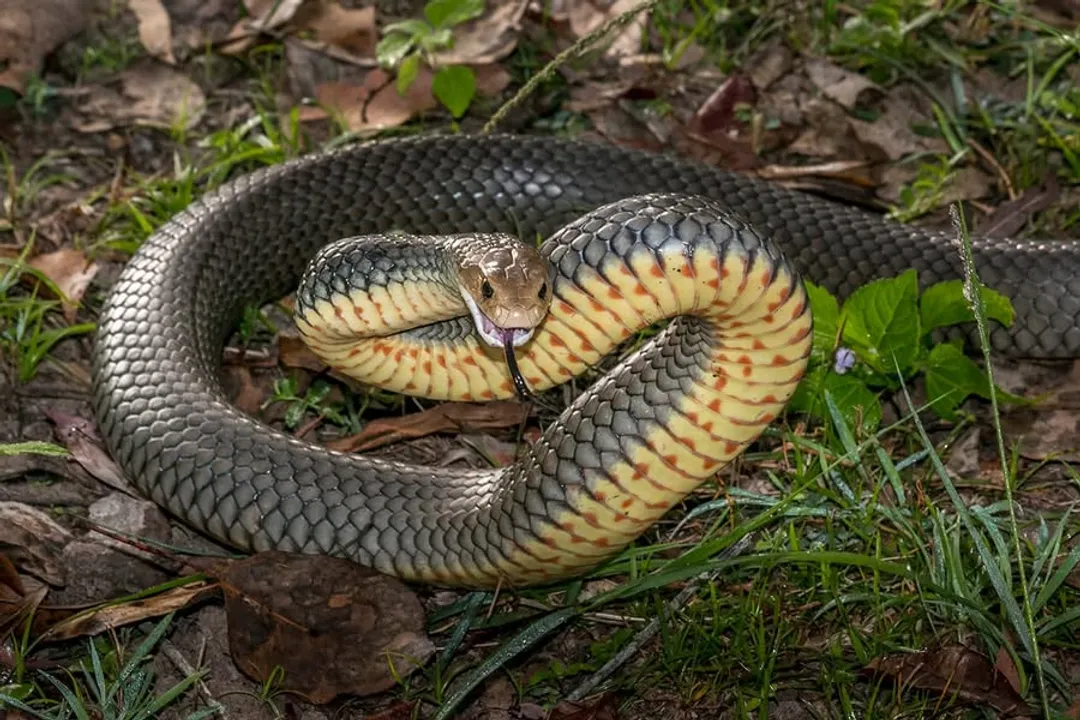
The presence of native reptiles in a suburban garden often prompts homeowners to wonder about the dynamic relationships between them, especially when a large, non-venomous snake takes up residence near a highly venomous one. Specifically, many people living in Diamond Python territory ask whether having one of these constrictors around inherently discourages venomous snakes, such as the Eastern Brown Snake, from visiting or staying nearby. [2] This is a practical concern rooted in safety, as the Eastern Brown Snake is recognized as one of Australia’s most dangerous terrestrial snakes. [7][9]
# Diamond Python
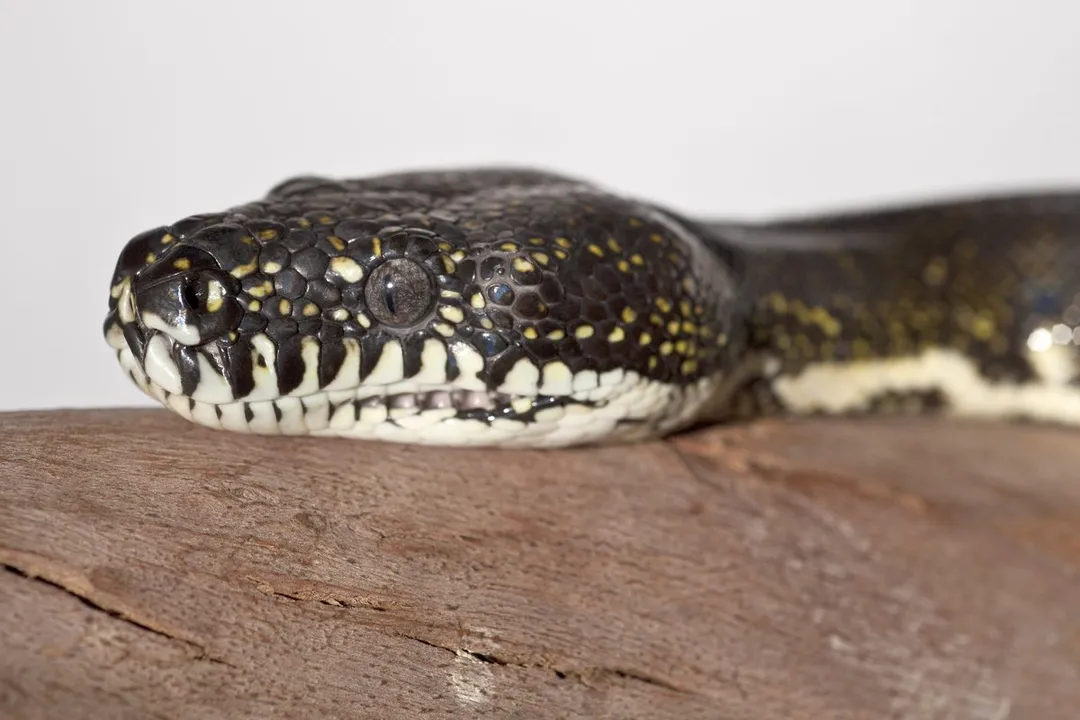
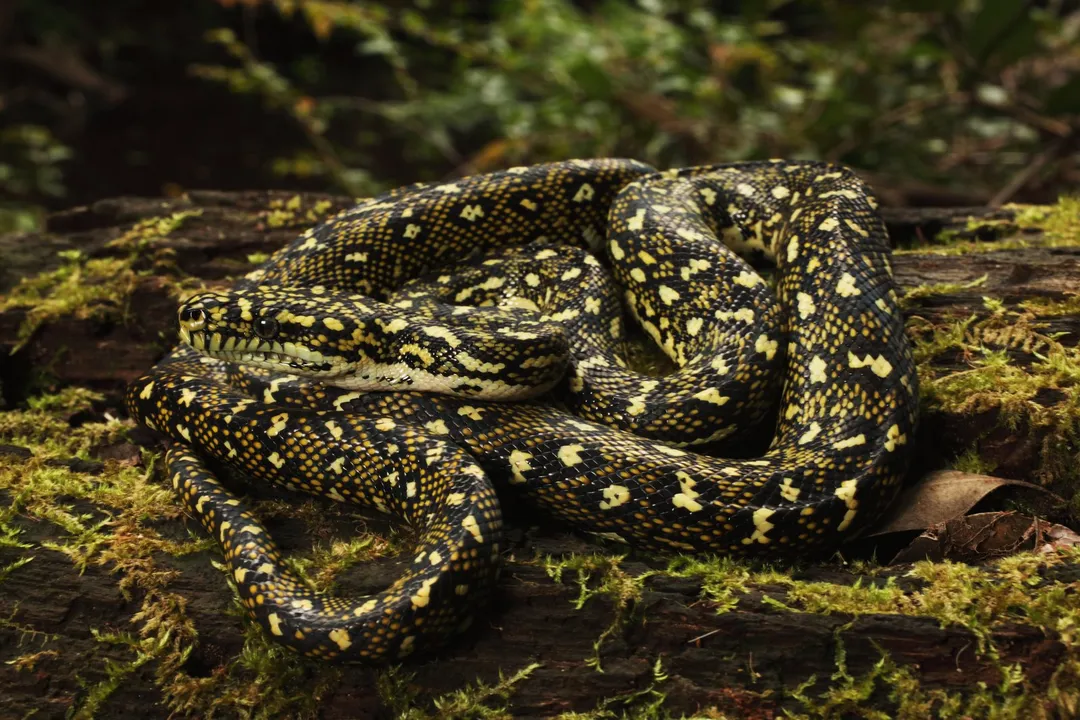
The Diamond Python (Morelia spilota spilota) is a relatively common sight in eastern Australia, known for its striking black and yellow/cream markings. [8] They are non-venomous snakes that subdue their prey through constriction. [8] While they can grow to a decent size—often around two metres or more—they are generally considered a relatively placid species when left alone, and their primary diet consists of small mammals, birds, and sometimes small reptiles. [8][5] These snakes thrive in various environments, including bushland, rocky areas, and even within residential areas where suitable shelter and prey are available. [8]
# Brown Snake Presence
Conversely, the Eastern Brown Snake (Pseudonaja textilis) is a species that commands serious respect due to its potent venom. [7] They are highly adaptable, moving readily between natural bushland and human-dominated landscapes, often seeking out rodent populations which form a significant part of their diet. [7][9] Because both pythons and brown snakes are successful in urban fringes, it is not uncommon for residents to encounter one or the other, leading to the question of whether their territories overlap or if one species actively excludes the other. [2]
# Snake Diet Links
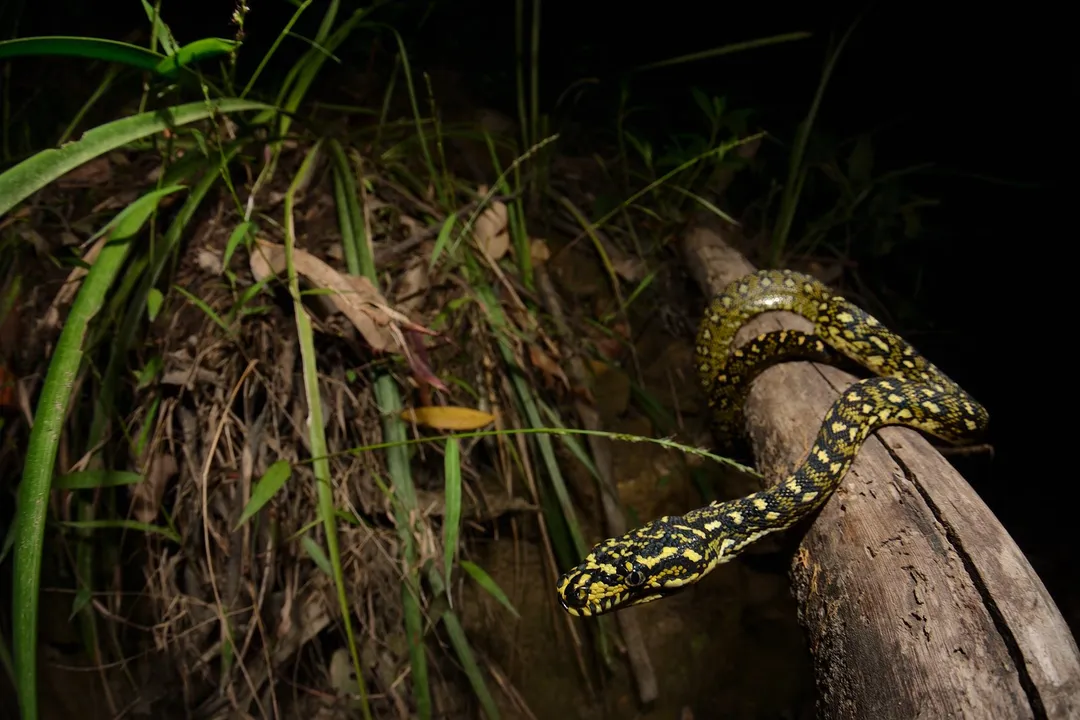
The key to understanding any potential deterrent effect lies in the diet and predatory behavior of the Diamond Python. Since pythons are carnivores, they will consume other snakes if the opportunity arises, regardless of whether the other snake is venomous or not. [4] If a brown snake is small enough, it becomes potential prey for a hungry python. [4] This predatory relationship means that, in theory, a large, established python could act as a natural population control mechanism for smaller snakes in the immediate vicinity, including juvenile brown snakes. [4]
However, the effectiveness of this control is highly dependent on the relative sizes and hunting success of the individual animals involved. A large, healthy python is a significant threat to a smaller brown snake, but a large, well-fed brown snake is unlikely to be targeted by a python of similar size, especially if the python has a readily available supply of preferred prey like rodents or birds. [5] What snakes generally dislike are conditions that make hunting difficult or expose them to risk. [4] The mere presence of a competitor or predator can certainly cause a snake to relocate temporarily or seek deeper cover. [4]
# Deterrence Theory
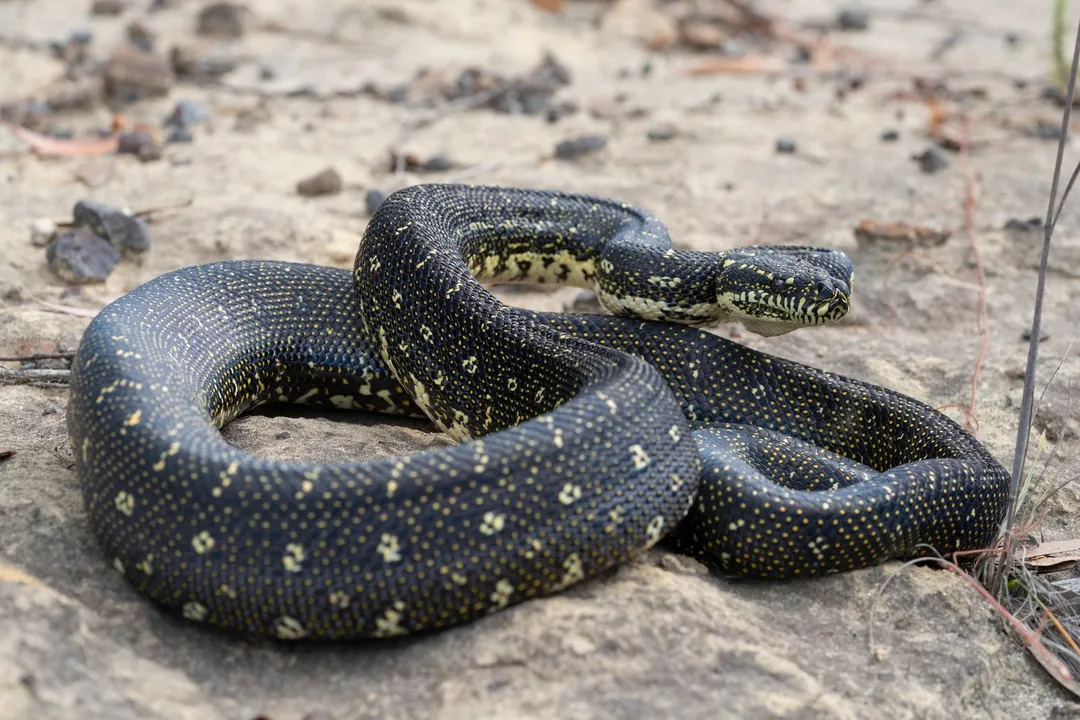
Anecdotal reports from homeowners often suggest that once a large python establishes a territory—perhaps under a shed or within a dense garden structure—the frequency of seeing other snakes, including venomous ones, drops off. [2] This observation leads to the theory that the python’s presence is actively keeping brown snakes away.
If we consider the ecological pressure, the primary deterrent effect is likely resource competition combined with predation risk rather than active territorial defense in the mammalian sense. [4] Brown snakes are opportunistic hunters, and if they perceive a high risk of becoming prey themselves, they will simply move to an area where hunting is safer and resources are more abundant. [4] It is less likely that a python actively chases a brown snake across a lawn; rather, the brown snake decides the risk-reward ratio of staying near the python’s preferred hiding spot is too high.
It is also worth noting the inverse situation, which rarely gets discussed: while a large python might deter a small brown snake, a highly defensive, large venomous snake might also make a python think twice about pursuing it as prey, although pythons are known to tackle surprisingly large meals. [4]
# Environmental Influences
Ultimately, the presence or absence of any snake in a specific location is driven far more by environmental factors than by the proximity of a single predatory reptile. [7] Snakes, whether they are Diamond Pythons or Eastern Brown Snakes, require three main things to remain in an area: adequate shelter, a consistent food source, and suitable temperatures for thermoregulation. [5][7]
If your backyard provides excellent rodent habitat, cover under woodpiles, or sheltered rock crevices, both species will be attracted to it, regardless of which one got there first. [7] For instance, if a python is controlling the rodent population quite effectively, it might inadvertently reduce the food base that attracts a brown snake to the same area, which serves as an indirect form of exclusion. [5] This ecological consequence—the python managing the rodent population—can be a significant, albeit indirect, factor in discouraging other snakes that rely heavily on those small mammals for sustenance. [9]
When evaluating snake activity in an area, looking for signs of both species' primary prey is often more insightful than just looking for the snakes themselves. If your garden has an abundance of mice and rats, you are effectively advertising a buffet to venomous snakes. [9] If that same area also hosts a python, the python may be removing the main attraction for the brown snake before the venomous species even gets a chance to settle in.
A practical tip for homeowners managing snake sightings involves habitat modification, which benefits everyone. Instead of relying on one predator to control another, removing potential shelter is key. This means keeping lawns mowed short, stacking firewood neatly off the ground, and ensuring sheds or garages are sealed against access points. If the habitat quality degrades for both species equally, the snake that is better adapted to drier, more open conditions (often the Brown Snake) might persist while the python seeks more sheltered, tree-shaded environments, or vice versa, depending on the specific microclimate of the property. [5]
# Responsible Coexistence
Understanding that snakes are part of the local ecosystem is important, whether you have a python, a brown snake, or both visiting occasionally. [7] The RSPCA Queensland notes that snakes generally prefer to avoid humans and will only bite defensively when they feel threatened, often because they are stepped on or cornered. [7] The goal should shift from achieving total snake exclusion—which is often impossible without radically altering the habitat—to safe management. [9]
If you confirm the presence of a Diamond Python, it is generally advisable to leave it be, as they are non-venomous and provide a degree of natural pest control. [8] If you have children or pets, the focus should be on supervising them near known hiding spots and keeping potential food sources like pet food secured. [9] For example, if you see a python frequently in a specific tree, it might be best to discourage children from playing immediately beneath that spot until the snake moves on, even though the risk of a direct conflict between a python and a dog or child is generally very low unless provoked. [9]
The takeaway regarding deterrence is complex. A large Diamond Python can discourage a smaller brown snake through direct predation risk, but the environment’s capacity to support prey (like rodents) is the overarching factor determining which snake species, or both, will frequent your property. [4][7] Relying on one snake to "keep away" another is an unreliable strategy compared to proactive habitat management that reduces attractiveness for all pest species. [9] Observing which snake seems dominant or more established can offer a clue to the local balance, but that balance can shift with the seasons or changes in local prey availability.
#Videos
Diamond Python Care Guide: Avoid These Mistakes! - YouTube
Related Questions
#Citations
Do pythons prevent highly venomous snakes from inhabiting an ...
I have this python take up residence outside my lounge room ...
What don't snakes like? | Aussie Pythons & Snakes Forum
Care and Breeding of Australia's Diamond Python
Diamond Python Care Guide: Avoid These Mistakes! - YouTube
Snakes in Your Backyard | Australian Wildlife - RSPCA Queensland
Diamond Python - The Australian Museum
Snake safety in Australia. How to protect dogs and kids from snakes