What is unique about kowari reproduction?
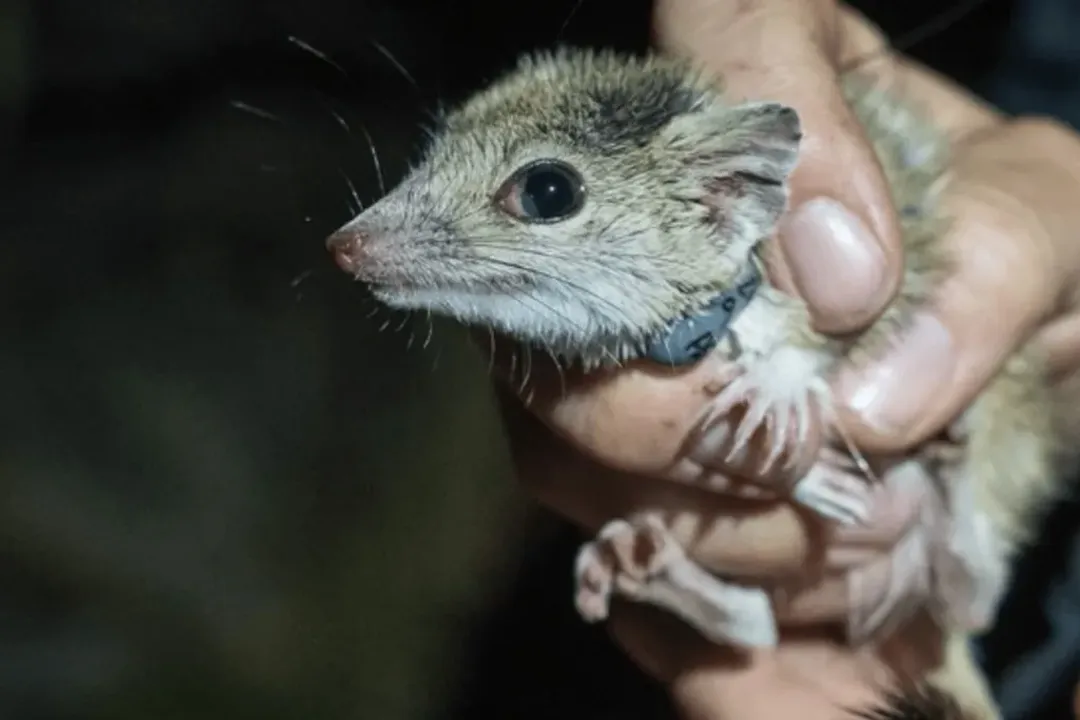
The reproduction of the kowari (Dasyuroides byrnei), a small, carnivorous marsupial clinging to life in Australia’s arid gibber plains, presents a fascinating study in adapting life history traits to an unpredictable environment. Unlike many temperate species with rigid breeding schedules, the kowari’s reproductive timing seems acutely tuned to the variable rainfall patterns of the central deserts, suggesting a high-stakes gamble on short-lived resource abundance.
# Breeding Triggers
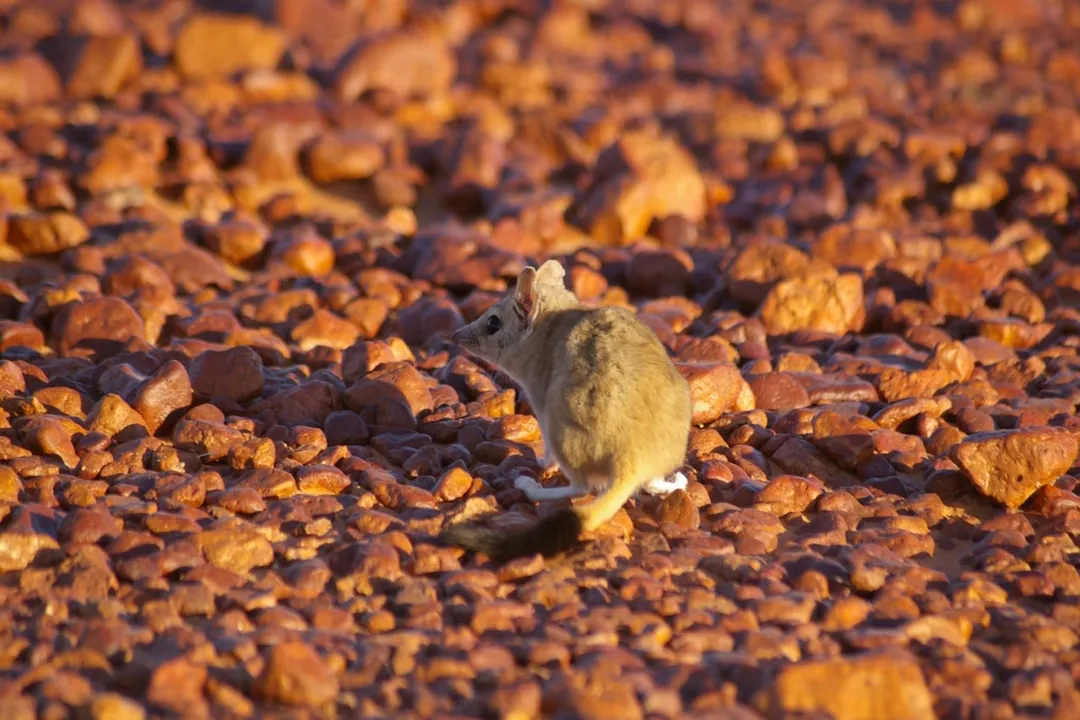
Kowaris are characterized by seasonal breeding, a pattern that is locally synchronized and closely tied to the arrival of rain. While they can mate anytime between April and December, the actual births are concentrated, with most females delivering litters between May and July, and a secondary pulse of births occurring around November. This bipartite breeding pattern, where females are iteroparous (producing offspring in multiple breeding events), suggests an opportunistic approach. An early rain event initiating the May/July breeding window might give a highly successful female just enough time to recover and perhaps conceive again for that November cohort, assuming conditions remain favorable.
The harshness of their desert home dictates the participants in this cycle. The ability to breed appears linked to body condition; specifically, larger individuals are better equipped to tolerate the harsher conditions of winter and are therefore able to breed when smaller ones might not be able to. The necessity of rain to trigger the breeding season is a crucial survival mechanism, ensuring that the immense energetic cost of gestation and lactation is only undertaken when invertebrate and small vertebrate prey are likely to be abundant enough to support mother and young. If the rainfall fails or is insufficient, the reproductive effort is likely abandoned, a necessary conservation of energy in an otherwise resource-scarce landscape.
# Mating Rituals
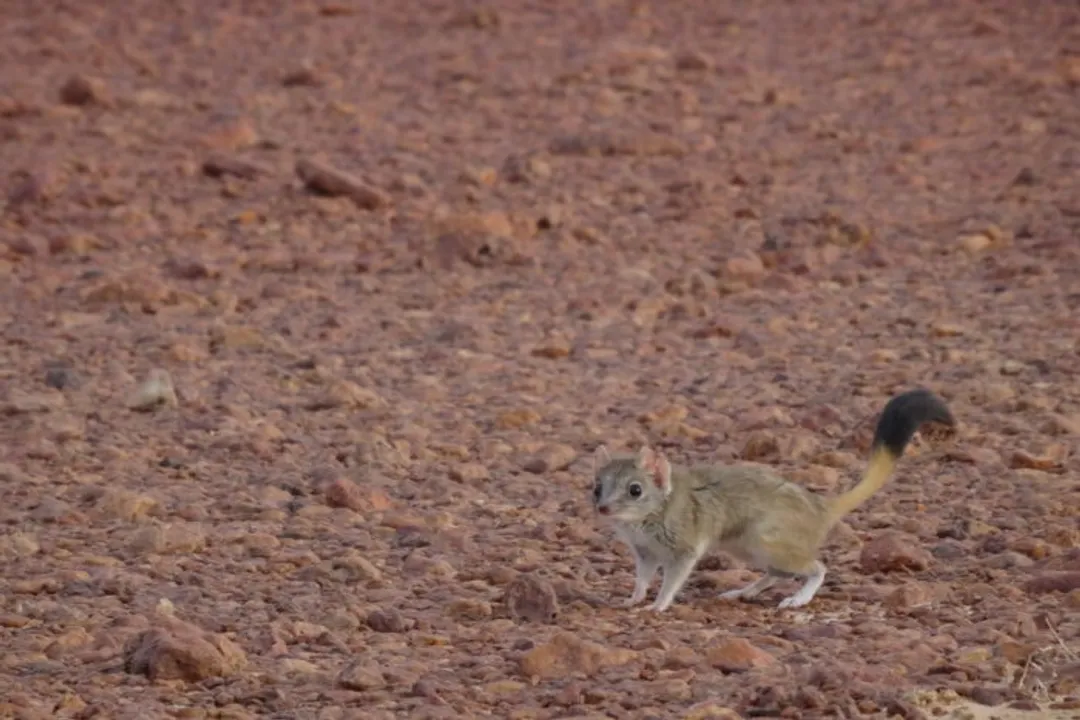
The social structure of the kowari is typically solitary, except when reproduction is on the agenda. They group into heterosexual pairs for mating, but the nature of these pair bonds outside the mating event remains unclear. What is known is that the act of mating itself is anything but swift. The copulation period is described as prolonged, with pairs engaging in the act for as long as three hours, potentially repeating this over a period spanning one to three days. This extended duration might be linked to reproductive assurance in a species where encounters between fertile males and females might be rare, or it could relate to the specific physiology of the reproductive process in this dasyurid group. In captivity, females can enter estrus up to four times within a single breeding season, although not every cycle results in successful pouch development.
# Gestation and Birth
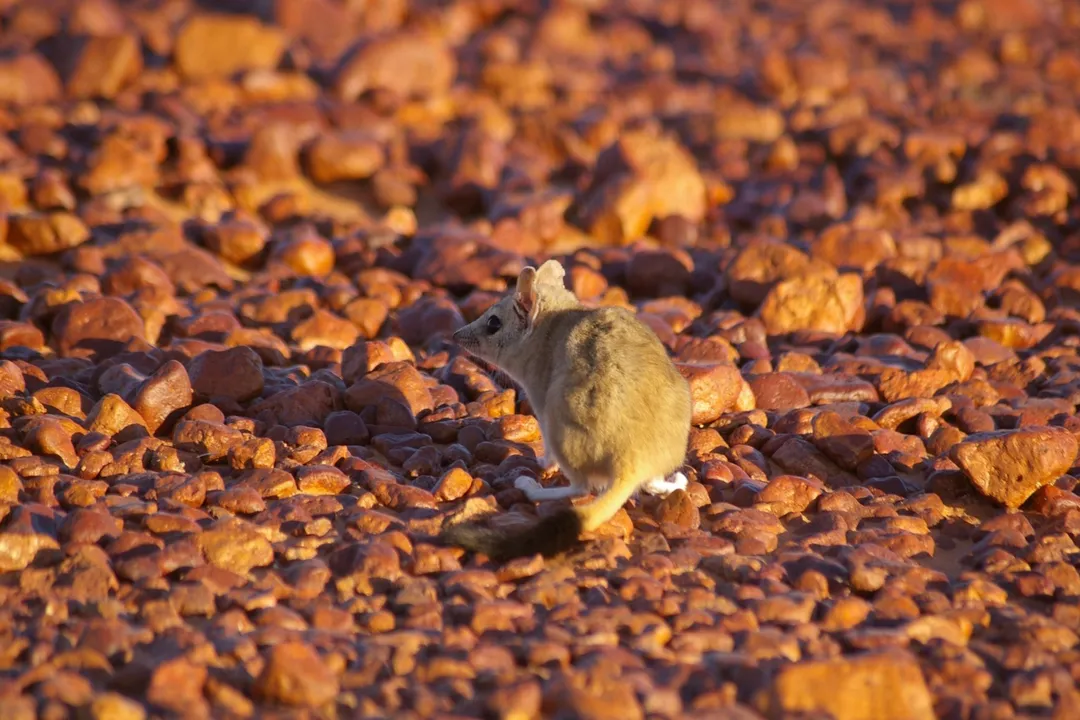
Following this intense mating period, the gestation period for the kowari is relatively brief, lasting between 30 and 36 days. The outcome of this process is a small litter, typically numbering around five offspring, though the range reported is from three to seven neonates. One report suggests a maximum of six pouch young per event. As marsupials, the newborns are embryonic and immediately seek the safety and nourishment of the mother's pouch.
The development timeline within this protected environment is finely managed:
- Pouch Life: Offspring remain housed within the pouch for approximately 30 days.
- Teat Attachment: They detach from the teat later, around 56 days post-birth, but they are not fully independent of the mother’s direct support yet.
- Mobility: At about 55 days old, the young kowaris leave the pouch structure.
This transition period from pouch dweller to independent forager is critical. Once out, they either remain sheltered in a nest constructed by the mother or begin riding on her back for transport.
# Post-Natal Development
The juvenile kowari’s path to self-sufficiency is sequential and lengthy for such a small predator. An inability to open their eyes persists until they are around 74 days old. Around the 86- to 95-day mark, the young begin engaging in play-fighting, a behavior hypothesized to hone the predatory and aggressive skills needed for later solitary life. It is only between 95 and 110 days that they are recorded as being able to consume solid food, marking their definitive independence from mother’s milk.
This investment of nearly four months leading to independence raises an important consideration when paired with their typical lifespan. While an individual kowari in captivity has been documented living for over six years, the reality in the wild is far more compressed; individuals typically survive for just over a year. Considering that sexual maturity is reached at seven to nine months of age, this means a female has an incredibly short window to successfully raise even one litter before potentially succumbing to predation, resource scarcity, or the general stresses of the arid zone. Any female attempting the second litter in November is pushing the limits of her probable lifespan to see those young wean.
# Parental Roles and Risks
The division of labor in kowari reproduction is starkly unequal. The commitment rests entirely on the female. She is responsible for all aspects of parental care, from pre-fertilization provisioning and protecting the nesting site, through to providing milk and transportation until the young are fully independent. Male kowaris, by contrast, appear to offer no assistance in raising the offspring.
This high maternal investment is coupled with a disquieting observation in captive settings: documented instances of cannibalism by mothers towards their own young. This behavior likely acts as a severe, albeit extreme, mechanism for self-preservation or energy conservation, potentially triggered by stress or insufficient resources, which in turn contributes to the low observed weaning rates in those colonies. Given the tight coupling of reproduction to environmental moisture, it is plausible that this cannibalistic tendency is an evolved response to avoid death by starvation during a sudden environmental downturn before offspring can become independent.
The development of juveniles post-weaning also shows a potential unique aspect compared to related marsupials. Research tracking juveniles in a controlled environment suggests that their dispersal—the process of leaving the natal area—is not necessarily a sudden, singular event. Instead, individuals were observed alternating between denning alone and denning with siblings or their mother, suggesting a gradual separation phase. Furthermore, these juveniles moved much smaller distances than anticipated when compared to other dasyurids. This tendency toward smaller, more tentative movements immediately following independence could be another adaptation to the patchy nature of their gibber plain habitat, where resources might not support long-distance travel until the animal is fully experienced in local foraging.
# Survival and Reproduction Context
The kowari's small size—adult weights rarely exceeding 140 grams for females—places them squarely in the critical weight range of mammals most susceptible to extinction in Australia. Their reproductive output must therefore be highly efficient to offset high juvenile mortality rates driven by threats like feral cats and foxes. The female must successfully navigate the dangers of foraging alone while simultaneously carrying, suckling, and defending a litter that is, by weight, a significant burden relative to her own body mass. The fact that they can persist at all, producing litters in the intensely arid Sturt Stony Desert, speaks to a highly specialized physiology that maximizes the narrow windows of productivity afforded by sporadic rainfall. The success of captive breeding programs in rapidly increasing population numbers within safe havens highlights that the reproductive capacity is present, but the survival conditions in the wild place extreme limitations on realized reproductive success.
Related Questions
#Citations
Dasyuroides byrnei (kowari) | INFORMATION | Animal Diversity Web
[PDF] The kowari: - Threatened Species Recovery Hub
The kowari is the cutest Australian animal you need to know about
Joy as breeding program of tiny marsupial makes great progress
Kowari - Arid Recovery
Kowari Facts for Kids