Are Egyptian dogs recognized by the AKC?
The connection between the dogs of ancient Egypt and the modern kennel clubs that govern purebred dogs is a fascinating area of canine history. While many people associate Egypt with iconic breeds, the direct path from the sands of the Nile to the American Kennel Club (AKC) registry is selective. Not all dogs historically linked to the region hold official AKC recognition, but several prominent breeds with deep Egyptian roots have achieved this status, validating their historical significance and breed standards.
# Recognized Breeds

The AKC currently recognizes breeds that trace their lineage directly back to ancient Egyptian times, often highlighting their status as some of the oldest domesticated dogs known to man. These dogs were prized for their keen sight and speed, serving as hunting companions for nobility millennia ago.
# Pharaoh Hound Status
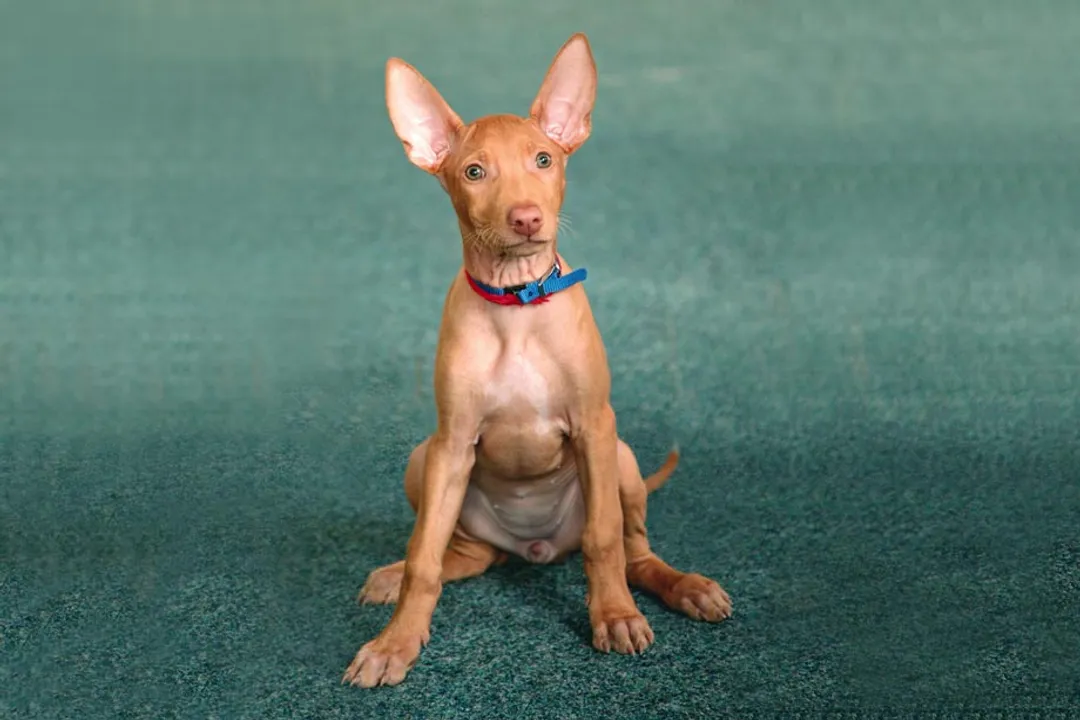
The Pharaoh Hound stands out as a clear example of a breed with documented ancient Egyptian origins that has earned full recognition from the AKC. This breed is noted for being among the oldest dogs documented in history. The AKC maintains an official breed standard for the Pharaoh Hound, detailing the precise physical characteristics required for the breed. Being listed on the AKC Marketplace also suggests current recognition and availability of puppies from AKC-registered parents.
It is important to recognize that while the Pharaoh Hound’s ancestors certainly populated ancient Egypt, the modern iteration of the breed was refined elsewhere before achieving AKC acceptance. The American Kennel Club recognizes the Pharaoh Hound and maintains specific documentation regarding its appearance and temperament. Looking at the official registry timeline, the Pharaoh Hound gained full recognition in 1983. This places it as a relatively modern addition to the AKC books despite its ancient heritage.
# Saluki History
Another breed frequently associated with Egyptian royalty is the Saluki. Like the Pharaoh Hound, the Saluki is an ancient sighthound, often depicted in Egyptian tombs, indicating its long history as a companion and hunter. The AKC officially recognizes the Saluki breed. Historical context suggests that the Saluki’s ancestry is interwoven with the pharaohs, making its inclusion in the AKC registry a nod to that long past. The Saluki achieved full AKC recognition in 1926. This earlier recognition date compared to the Pharaoh Hound speaks to the different timelines in which these ancient breeds were established for modern conformation shows.
# Cirneco Connection
The Cirneco dell'Etna is another ancient breed whose history is closely tied to the ancient Egyptians. While their most significant development occurred on the island of Sicily, evidence suggests they were brought to the region by Phoenician traders who likely acquired them from Egypt. The AKC also recognizes the Cirneco dell'Etna. They were added to the recognized list much more recently, gaining full recognition in 2015. It is fascinating to trace a breed like this, which has a geographical shift in its immediate history, back to Egyptian origins; this demonstrates how ancient dog lines traveled across the Mediterranean over centuries.
# Unrecognized Egyptian Links
The term "Egyptian dog breeds" can encompass several dogs whose historical roots are firmly in Egypt, but which may not yet have achieved full recognition from the American Kennel Club, or are recognized by other international bodies.
One important consideration for a prospective owner is the difference between being listed in the AKC Foundation Stock Service (FSS) or Miscellaneous Class and achieving full recognition. While the AKC maintains information on breeds progressing toward full recognition, only those in the Sporting, Hound, Working, Herding, Toy, Non-Sporting, and Terrier groups, or the Hound group for the Pharaoh Hound and Saluki, have full champion status rights within the AKC system.
Breeds listed as Egyptian dogs by some sources may fall into categories that the AKC has not yet officially accepted into its registry. For example, the Tesem, often cited as the true progenitor of many modern sighthounds, remains an ancient type rather than a distinct, recognized modern breed. A breed's status on an international registry like the FCI does not automatically translate to AKC recognition; the path involves meeting specific population and organizational benchmarks within the United States.
For instance, if a lesser-known ancient Egyptian breed were to be imported, the process would begin with registration in the FSS, allowing the AKC to monitor the population's development before considering full breed status, which can take many years, as seen in the decades it took for the Pharaoh Hound to gain its spot.

# Breed Group Placement Versus Origin

When looking for these ancient breeds through the AKC lens, an interesting distinction arises between their historical role and their modern group classification. The Pharaoh Hound and the Saluki, both of Egyptian antiquity, are categorized within the Hound Group. This classification aligns with their historical function as hunting dogs, specifically sighthounds that use their vision to pursue game.
However, if one were to search exclusively for breeds named after their country of origin, they might overlook breeds like the Cirneco dell'Etna, which is now recognized but whose primary modern identity links it to Italy, even with its Egyptian start. The historical context is vital here: a breed's function often dictates its modern group placement more than its exact place of origin, which can shift over millennia due to trade and migration. A dedicated breeder focusing on the type of dog—the ancient sighthound—will find these breeds grouped together regardless of which specific nation finalized their modern standard.
# Timeline of Acceptance
Understanding when these breeds were accepted offers insight into the AKC's evolving standards regarding ancient lineage versus modern breed uniformity.
| Breed | Year Recognized | Historical Connection |
|---|---|---|
| Saluki | 1926 | Ancient Egyptian, widespread Middle Eastern presence |
| Pharaoh Hound | 1983 | Strongly linked to Ancient Egyptian iconography |
| Cirneco dell'Etna | 2015 | Traced back to dogs brought by Phoenicians from Egypt |
Observing this timeline, we see a significant gap—over five decades—between the recognition of the Saluki and the Pharaoh Hound. The period from the mid-1920s to the 1980s might suggest a lull in recognizing ancient sighthounds originating from that geographical sphere, or perhaps the populations within the US were not organized enough to petition for full status until later. The 2015 recognition of the Cirneco further illustrates that even breeds with long histories require dedicated efforts from breed clubs to establish sufficient numbers and stability within the U.S. to satisfy the AKC's prerequisites for full inclusion.

# Navigating Breed Acquisition
For enthusiasts drawn to the mystique of Egyptian dogs, knowing where to look within the AKC ecosystem is key. If a prospective owner is specifically seeking a Pharaoh Hound, they can inquire through the AKC Marketplace, which provides a portal to breeders registered with the club. This ensures that any puppy purchased will come with the necessary registration potential and adherence to the established breed standard.
When considering any breed with such deep historical ties, it is prudent to look beyond the simple fact of AKC recognition. Because these are ancient lines, ensuring a breeder is conscientious about health testing, especially for issues common to sighthounds, is as critical as verifying registration papers. A breeder who understands the ancient context of the breed is often better equipped to discuss temperament traits passed down through generations, not just superficial modern conformation points. It is wise to ask breeders about the specific lineage, tracing lines back as far as possible to understand if the dog represents the "classic" type or a more modern refinement.
In summary, several dogs with direct, verifiable ties to ancient Egyptian history, such as the Pharaoh Hound, Saluki, and Cirneco dell'Etna, are indeed recognized by the AKC. However, the designation of "Egyptian dog" is broader than the list of AKC-recognized breeds, meaning many historical canines from that region are not currently eligible for full AKC registration status.
Related Questions
#Citations
Pharaoh Hound Puppies For Sale - AKC Marketplace
Saluki Dog Breed Information - American Kennel Club
Originating in ancient Egypt, the Pharaoh Hound is one of the oldest ...
Pharaoh Hound - Sugar Sweet Georgia Puppies
[PDF] Official Standard of the Pharaoh Hound General Appearance
10 Oldest Dog Breeds Known to Man - Chewy
6 Ancient Egyptian Dog Breeds and Their Fascinating Histories