What foods can Schnauzers not eat?
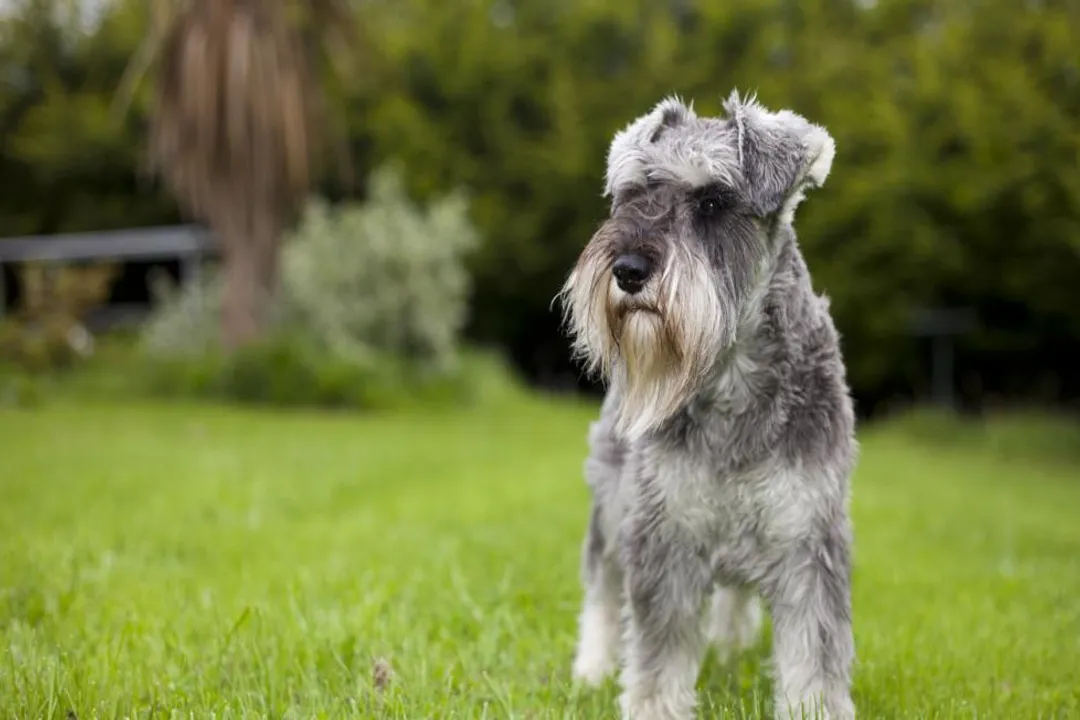
Navigating the world of canine nutrition requires diligence, especially when you own a Schnauzer. These intelligent, spirited dogs, whether Miniature, Standard, or Giant, possess unique temperaments that often extend to their digestive systems. While they may have an "excellent appetite" and can easily convince an owner to over-feed, ensuring their diet remains safe is paramount, as many common human foods are not just unhealthy but outright toxic. Keeping a clear list of what must be kept off the floor and out of their bowls is essential for long-term health and preventing emergency vet visits.
# Acute Poisons
Certain substances pose an immediate, life-threatening risk to Schnauzers and must be avoided entirely, regardless of portion size. These are universal dog toxins but warrant specific mention for Schnauzer owners who might be tempted to share human snacks.
# Chocolate Dangers
Chocolate is perhaps the most well-known canine toxin, and for good reason. It contains the stimulants theobromine and methylxanthines. The darker the chocolate, the higher the concentration, making dark chocolate significantly more dangerous than white chocolate, though for safety, no chocolate should ever be given. Ingestion can lead to severe symptoms, including excessive thirst, panting, vomiting, tremors, seizures, and, in worst-case scenarios, kidney failure and death.
# Fruit and Nut Hazards
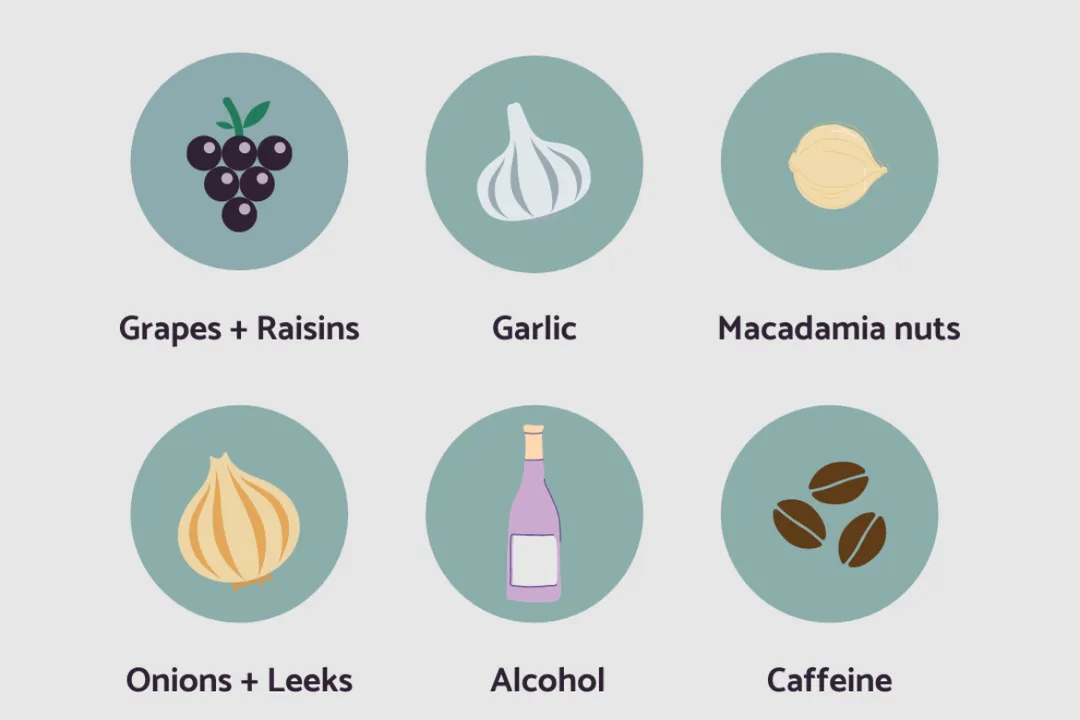
Two small items pose a disproportionately large threat: grapes and raisins. The specific toxin responsible for the harm is not fully understood, but eating even small amounts can trigger severe kidney failure and liver damage, potentially resulting in fatality. Similarly, macadamia nuts are particularly hazardous. While most nuts are problematic due to high fat content, macadamia nuts carry an additional toxin that attacks the nervous system, leading to symptoms like weakness, panting, tremors, and swollen limbs that can persist for up to two days.
# Allium Toxicity
The onion family—including onions, garlic, and chives—presents a unique threat related to the blood. While mild ingestion might only cause gastrointestinal irritation, these vegetables can damage red blood cells, leading to a serious condition called anemia. A crucial point for owners to remember is that symptoms may not appear immediately; they can manifest days after the dog consumed the offending food.
# Other Chemical Threats
Beyond the common toxins, owners must be aware of other stimulants and unusual irritants:
- Caffeine and Coffee: Like chocolate, coffee contains methylxanthines, leading to potential vomiting, diarrhea, hyperactivity, and seizures. Avoid coffee beans and any products containing caffeine.
- Avocados: Although often touted as a health food for humans, avocados contain persin, which is toxic to many animals. While dogs may be less susceptible than other pets, persin can still cause vomiting, diarrhea, and cardiovascular damage.
- Alcohol: Any substance containing alcohol must be kept away from your Schnauzer, as it can cause intoxication and severe illness.
# The High-Fat Minefield and Pancreatitis Risk
While the items above are acutely toxic, a major ongoing concern for many Schnauzer owners, especially those with Miniature Schnauzers, is the breed's predisposition to pancreatitis. This inflammation of the pancreas is often triggered by the sudden introduction of high-fat foods.
For owners who enjoy sharing bits of their dinner, this risk must guide every decision. Fatty or greasy table scraps are a prime culprit for upsetting their stomachs. Even among commercial foods, some owners find fat content as low as 15% can be too much for a sensitive Schnauzer, especially if they have a history of flare-ups.
When considering adding lean, cooked meats or treats, it is wise to establish a personal threshold for fat content. For instance, if you are cooking a lean stew for your family, a good rule of thumb is to separate your dog's portion before adding any high-fat elements like gravies, pan drippings, or creamy sauces [original insight: 1]. A food that looks clear when cooled, like broth from boiled chicken, is generally much safer for these sensitive dogs than a thick, opaque gravy, as it indicates a lower concentration of rendered fat that can trigger digestive distress [original insight: 1].

# Hidden Sensitivities Beyond Poison
Toxicity refers to immediate harm, but many Schnauzers struggle with long-term food sensitivities or allergies that cause chronic discomfort, such as skin issues, persistent itching, or recurring bouts of colitis or diarrhea. These reactions are often triggered by ingredients that are perfectly safe for many other breeds.
A striking pattern observed by Schnauzer owners is the potential for sensitivities to common proteins. Some individuals report that their dog fares poorly on poultry—chicken, turkey, or duck—leading them to switch successfully to lamb, fish, or novel proteins like kangaroo or rabbit. When a dog is exhibiting chronic symptoms—such as persistent licking of the paws or excessive scratching—and parasites or environmental factors have been ruled out by a veterinarian, a food allergy may be the underlying cause.
If you suspect a chronic issue, switching foods requires a methodical, slow introduction over several days, perhaps even weeks, to accurately monitor the dog’s reaction to the new formulation. Furthermore, owners should scrutinize the ingredient list of every product, including treats and supplements, as common binding agents or fillers might be the true trigger. For example, some dogs may react negatively to wheat, corn, soy, or even certain carbohydrates like peas or pea protein, even if the primary protein source seems benign.
| Category | Examples to Strictly Avoid | Primary Risk | Source |
|---|---|---|---|
| Toxins | Chocolate (all types), Grapes, Raisins | Kidney failure, heart/nervous system damage | |
| Alliums | Onions, Garlic, Chives | Red blood cell damage, Anemia | |
| Fat Triggers | Fatty table scraps, rich gravies, lard | Pancreatitis, vomiting, diarrhea | |
| Nuts/Other | Macadamia Nuts, Coffee/Caffeine | Nervous system toxicity, seizures | |
| Fruits/Plants | Avocados | GI upset, cardiovascular damage (Persin) |
# Commercial Food Scrutiny
While avoiding obvious human foods is step one, owner vigilance must extend to the dog food aisle itself. Some sources caution that even top-tier commercial foods, despite marketing terms like "Super Premium," can contain questionable ingredients or preservatives that might cause long-term dysfunction or allergic reactions. The consensus among many experienced Schnauzer keepers is that paying close attention to low-fat formulas or veterinary prescription diets can often stabilize chronic digestive issues.
If you are attempting to navigate sensitivities, particularly common ones like poultry allergies or pancreatic concerns, a structured approach to ingredient evaluation is more valuable than simply cycling through expensive brands blindly [original insight: 2]. When evaluating a new kibble, don't just compare the protein source listed first; look at the guaranteed analysis for crude fat percentages, aiming lower if your dog has a history of pancreatitis. If introducing a new food, stick with a single protein and carb source for several weeks—for example, a lamb and rice formula—before attempting to introduce a chicken and potato variety, allowing you to pinpoint the exact ingredient that causes a regression in stool quality or skin health [original insight: 2]. Always consult your veterinarian, as they can suggest specific low-fat or hydrolyzed protein diets when dietary management becomes complex.
#Videos
12 Foods Your Miniature Schnauzer Should Never Eat - YouTube
Related Questions
#Citations
12 Foods Your Miniature Schnauzer Should Never Eat - YouTube
Comprehensive Schnauzer Guide: From Nutrition to Training
6 Foods That Are Toxic To Giant Schnauzers
What do you feed your schnauzer who has a sensitive stomach ...
Nutrition - The American Miniature Schnauzer Club
Bad Foods for Dogs - Miniature Schnauzers Rule