Are Italian Greyhounds from Egypt?
The sleek, aristocratic silhouette of the Italian Greyhound often sparks curiosity about its ancient roots, leading many to wonder about a connection to the land of the Pharaohs. The dog’s slender build and elegant lines certainly evoke images of antiquity, making the query about Egyptian origins quite reasonable. Indeed, archaeological and historical evidence strongly suggests that hounds sharing the distinct, fine-boned sighthound characteristics that define the modern Piccolo Levriero Italiano have been present along the Mediterranean for millennia, with the earliest anchors pointing firmly toward Egypt. [1][8]
# Ancient Sighthounds
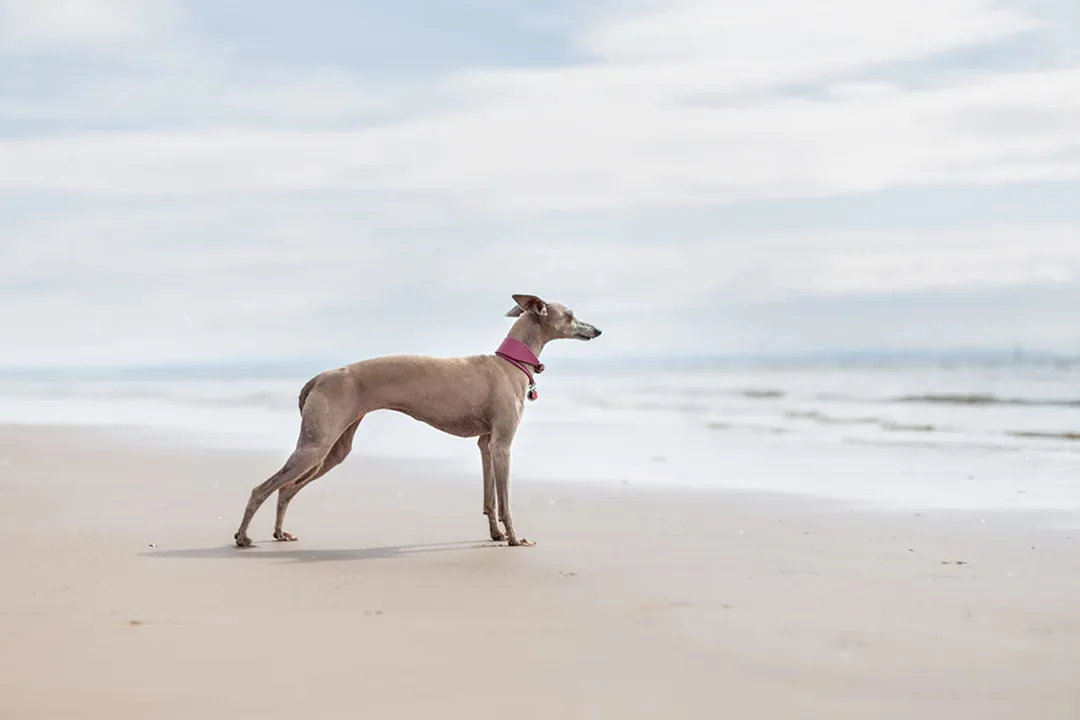
The story of the breed type stretches back at least four millennia. Hounds resembling the graceful profile of the Italian Greyhound are believed to have first appeared in Egypt around 3,000 BC. [1][8] This longevity is substantiated not just by guesswork, but by tangible finds. Mummified remains of these small canines have actually been excavated from the tombs of the Pharaohs located in the Valley of Kings at Luxor. [8] Furthermore, images that appear to be these small greyhound look-alikes, though still bearing some resemblance to jackals, can be seen depicted in early Mesopotamian hieroglyphs and entombed within Egyptian pyramids. [2] This deep history suggests that the lineage that evolved into the IG is one of the oldest recognizable types of purebred dog, perhaps being among the very first developed primarily as a companion animal.
# Roman Presence
From these very early Near Eastern origins, the migration path of these small sighthounds continued westward. It is generally accepted that the dogs traveled into the wider Mediterranean world, eventually reaching Rome. [2] Evidence suggests the Romans brought these hounds with them around 600 BC. [1][8] In the Mediterranean basin, archaeological digs have uncovered not only bones but also various art works and carvings dating to that era that feature the small, delicate canines. [1][8] A dramatic piece of evidence comes from the devastation of Pompeii in 79 AD, where the remains of a petite hound were discovered preserved in the hardened lava flow. [1][8] This suggests these dogs were already firmly established in Roman society, perhaps even serving as treasured indoor pets. One intriguing theory posits that the famous mosaic inscription found on houses of that time, Cave Canem (Beware of the Dog), was intended not as a serious warning against a large guard dog, but rather as a gentle reminder to owners or visitors not to step on the miniature companion resting on the floor. [1][6][8] Even interactions between Egypt and Rome point to this long connection; specifically, Queen Cleopatra reportedly presented Julius Caesar with Italian Greyhound puppies after his conquest of Egypt in 48 BC. [1][8]
# Anubis Question
The deep antiquity of the type naturally invites comparison with Egyptian iconography, especially regarding the god Anubis. Anubis, the guardian of the dead, is famously depicted with the head of a jackal. [7] Because the sleek, narrow muzzle, high-set ears, and lean body of the IG bear a striking resemblance to the artistic representations of Anubis, a popular modern discussion centers on whether the god was based on an actual Italian Greyhound rather than a jackal. [7] While supporters point out the IG’s curves, particularly the definitive tuck-up around the abdomen, match the statues, traditional Egyptology identifies the animal as a jackal. [7] The traditional explanation for Anubis's black color relates it to the black soil of the Nile valley symbolizing rebirth, or the color of rotting flesh, rather than the coloration of the dog itself. [7] Nevertheless, the visual parallels underscore just how deeply entrenched this dog type was in ancient North African and Mediterranean artistic traditions. [7]
# Italian Refinement
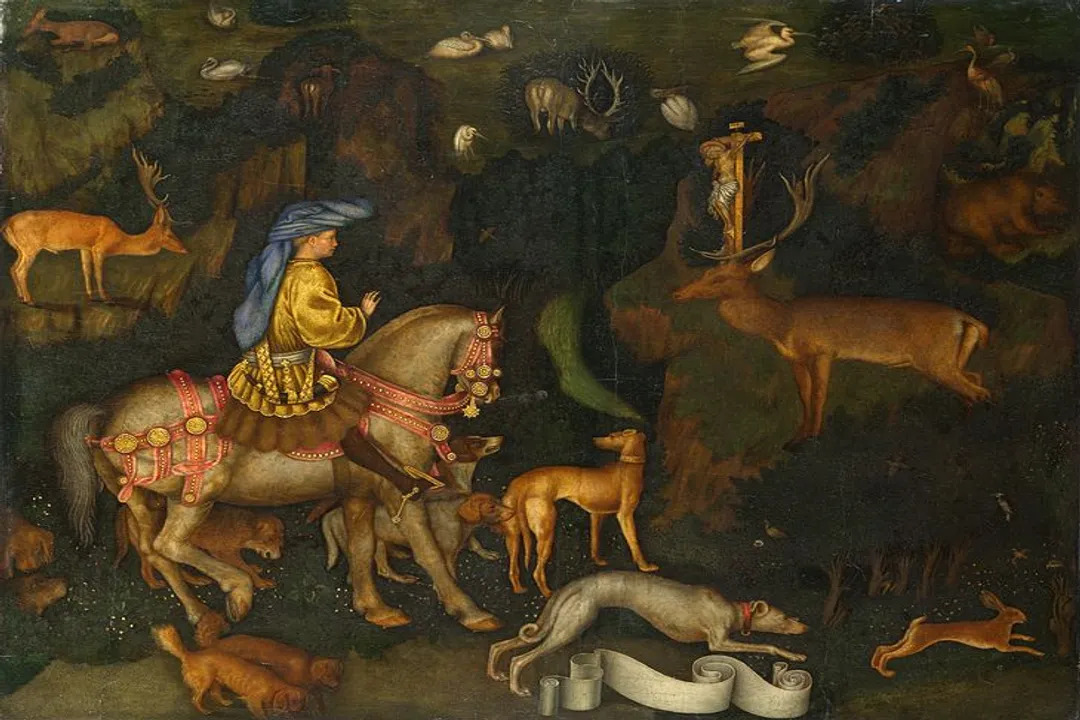
Despite the strong ancient groundwork laid in Egypt and subsequently carried through Greece and Rome, the breed as we recognize it today owes its identity and name to a later period of development in Europe. [2][6] By the Middle Ages, the small greyhounds were widespread across Southern Europe. [2] It was during the Renaissance, particularly throughout the 14th to 17th centuries, that these dogs achieved their peak association with European nobility and aristocratic circles. [2][8] Because of their immense popularity among the Italian elite—often appearing in paintings by masters like Giotto, Van Dyck, and Memling—the breed acquired the defining moniker "Italian Greyhound" by the 16th century. [1][2][8] They transitioned from being small game hunters to being highly prized lap decorations in aristocratic salons. [1][8] This period in Italy cemented the final, exaggerated refinement of their physique: the long, thin limbs, the finely chiseled, wedge-shaped head, and the extreme visual impression of delicacy. [4]
It is important to note the significant gap between the appearance of the ancient type and the official naming of the breed. While the type has evidence suggesting a presence going back nearly 5,000 years, their formalized identity as the Italian Greyhound is only about 450 years old. [4][6] This illustrates that while their ancestry might begin in Egypt, their breed definition and refinement, which created the modern IG standard, occurred in Italy. [4]

# Fragile Elegance
The history of the Italian Greyhound as a royal companion gives us a clue as to how their present-day physical structure evolved, which in turn informs responsible ownership. Being beloved by royalty meant these dogs were afforded a life of ease and protection, seldom required to work or hunt hard as their larger sighthound cousins might have. They were subjects of portraits, not participants in rugged outdoor pursuits. [1][8] This deliberate sheltering, combined with later 19th-century breeding efforts focused on making them even smaller, led to a fragile gene pool and a breed susceptible to breakage. [2]
This historical context translates directly to modern care. The IG is an elegant, yet physically vulnerable creature, with a known propensity for fractures, especially in their long, slender legs. [3] Owners must understand that this delicacy is partly a result of centuries of selective breeding for aesthetics in pampered environments, rather than just a consequence of being small. Thus, one must actively manage their environment in ways that ancient nobles did for them: providing safe, confined spaces for necessary running, and being acutely aware of risks posed by rough play or falls. Unlike many other small breeds, their very structure demands an owner who can recognize and mitigate hazards common in a standard, active household. [3] They are not inherently suited for interaction with boisterous children or large, heavy dogs, where a single playful leap could result in severe injury. [3]
# Modern Breed
Today, the Italian Greyhound is categorized within the Toy group by some registries, though they retain their essential sighthound nature, possessing a strong instinct to chase and hunt by sight. [1][8] Their temperament reflects their aristocratic past: they are intelligent, bright, affectionate, and often bond intensely with one person, frequently being reserved or indifferent to strangers. They are also known for their need to conserve body heat, often snuggling closely to their owners—a behavior that serves both affection and thermoregulation. Though they nearly vanished during the World Wars, sound breeding stock from North America helped revive the European population, leading to the breed’s continued existence today. [2][6] Despite their long and storied past stretching back to the Nile, the enduring characteristics that define the Italian Greyhound were forged in the Italian Renaissance, establishing them as the quintessential miniature sighthound. [2][6]
Related Questions
#Citations
About Italian Greyhounds
The Italian Greyhound - History
THE LONG WAY OF THE ITALIAN GREYHOUND
Is the Egyptian god Anubis actually an Italian Greyhound ...
Italian Greyhound History
Italian Greyhound Dog Breed Information
Italian Greyhound Dog Breed Information
About | UDAH Italian Greyhounds