How were Italian Greyhounds created?
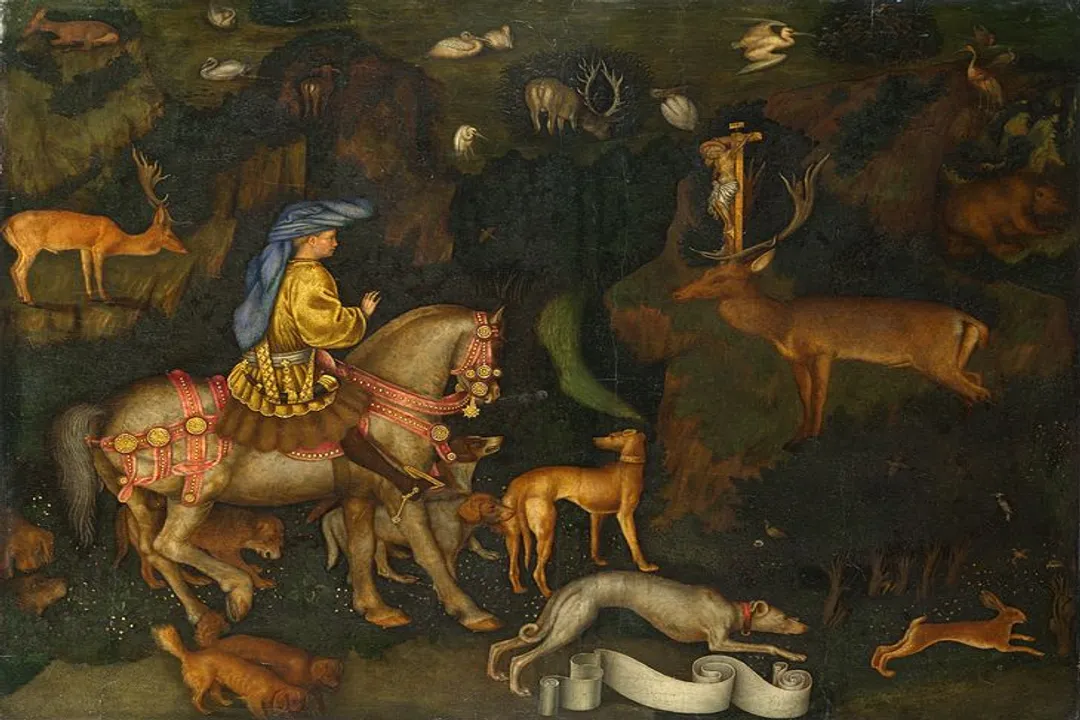
The history of the Italian Greyhound, or Piccolo Levriero Italiano, is a winding narrative that stretches back across millennia, rooted in the ancient world long before the dog took its recognizable, delicate form in Renaissance Italy. This breed is not the result of a recent hobbyist's project but rather the refinement of an ancient type of dog, the sighthound, intentionally miniaturized for companionship and a specific lifestyle. [2][3] The earliest ancestors of the IG were likely the true gazehounds, swift runners bred for the hunt, which were common in Egypt and the Near East thousands of years ago. [7][3]
# Ancient Sighthounds
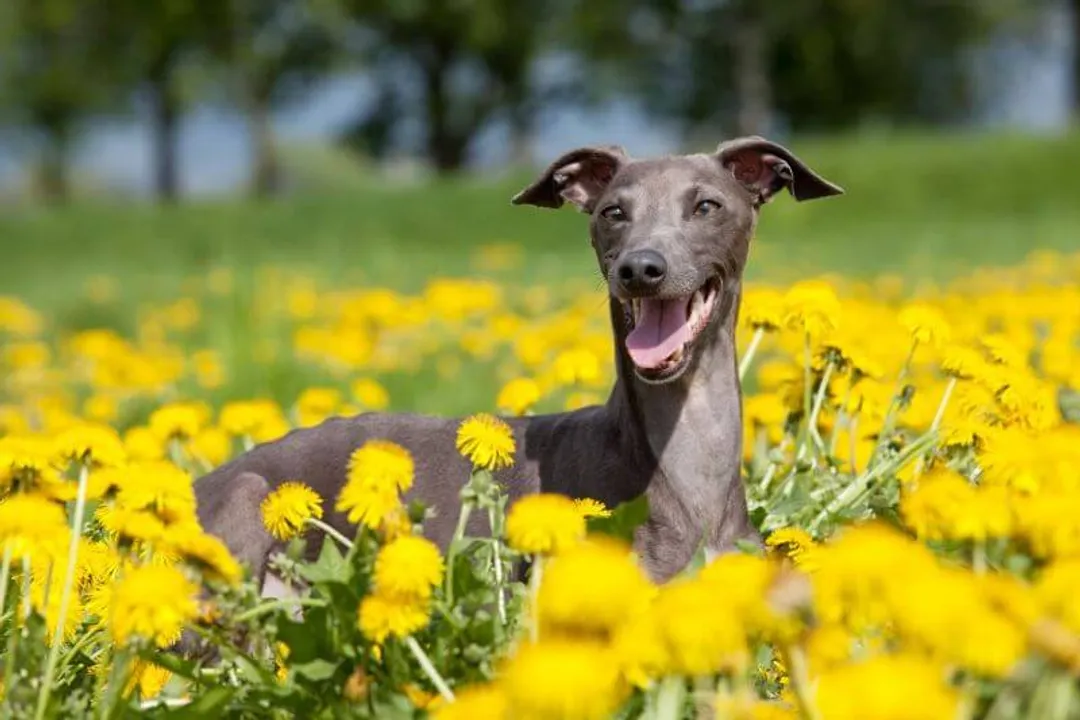
Archaeological evidence suggests a strong link between the modern Italian Greyhound and dogs kept by the Pharaohs of Egypt. [1][7] Canines resembling the sleek, slender build of a sighthound have been discovered in Egyptian tombs dating back as far as 5000 B.C., often depicted alongside royalty. [3][7] These were large, athletic dogs built for speed. [1]
The lineage seems to have moved westward, traveling with traders or conquerors, eventually arriving in ancient Greece and later, the Roman Empire. [3][7] The Romans became fond of these smaller versions of the large sighthounds, valuing them as lap dogs and companions rather than as hunting partners. [7][2] The Romans referred to them as Graecus Lynceus, though the name likely referred more to the breed's type—a small sighthound—than its actual geographical origin as we understand it today. [3] Numerous artistic renderings from this era, such as mosaics and paintings, depict dogs with the characteristic slender legs, deep chest, and tucked abdomen typical of the IG we recognize now, solidifying their role as an early companion breed among the elite. [1][7]
# Italian Development
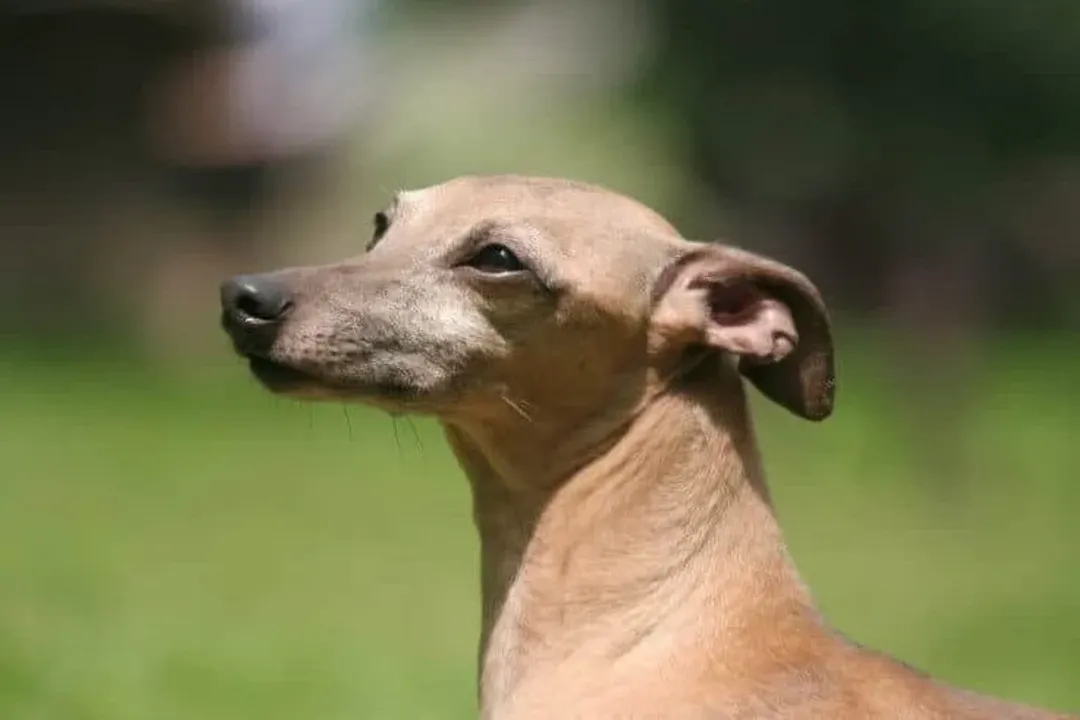
The transition from the Roman companion dog to the breed known today is closely tied to its prominence in Italy during the Renaissance. [3] While the breed existed in various forms across the Mediterranean, it was in the Italian peninsula, from the 14th through the 16th centuries, that the dog was purposefully developed into the diminutive size that defines it. [1][7][2]
During this period, the Italian elite embraced the dog as the ultimate status symbol. [3][6] They were highly prized by nobility, including Catherine de Medici and Queen Victoria. [3][7] This intense admiration drove the selection process. Breeders were selecting for smaller and smaller specimens, focusing on refinement and daintiness over hunting prowess, as their primary function shifted entirely to lap-warming and aesthetic appeal. [1][6] The IG became the quintessential toy breed of the Italian aristocracy. [7] If we look closely at the artifacts and paintings from this time, it’s clear that the emphasis wasn't just on being small, but on maintaining the perfect proportions of a true sighthound, just shrunk down—a tiny echo of the larger running dogs. [2][3] This distinction is important; they weren't created by mixing a Greyhound with a common lap dog, but by intensely breeding down a specific, already athletic lineage. [1]
# European Spread
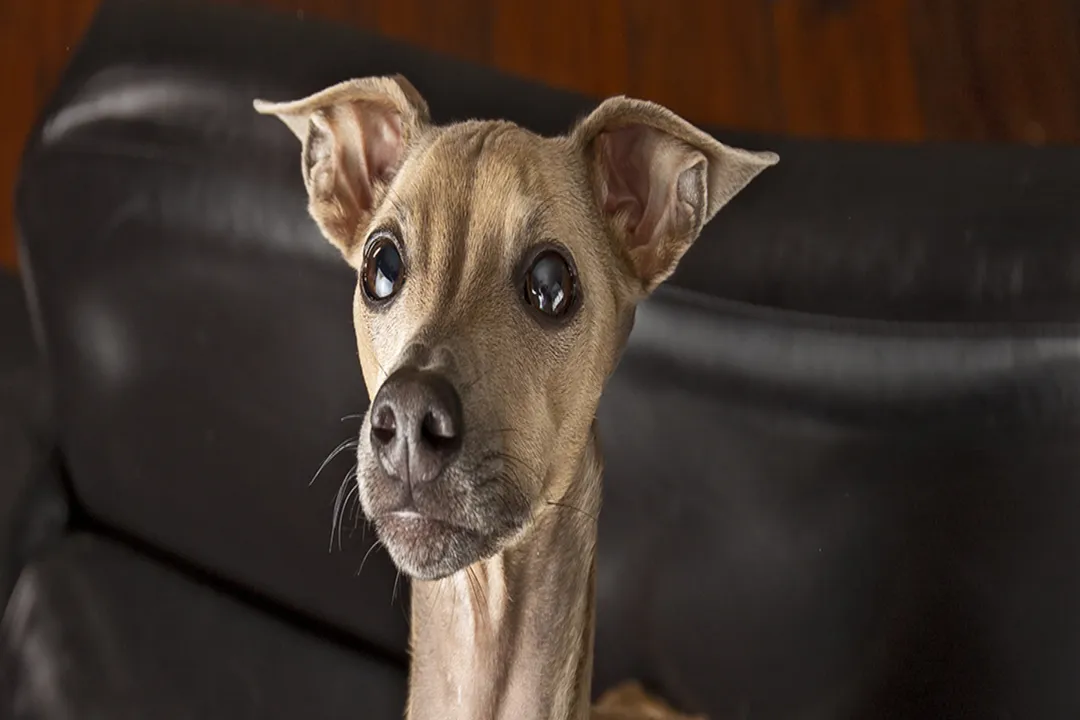
While Italy was the crucible for the modern breed, the Italian Greyhound's popularity soon extended across the continent. [2] Italian nobles frequently gifted these dogs to their royal relatives and contemporaries throughout Europe. [3] They traveled to Spain, where they were favored by King Philip II, and later to England during the time of the Tudors. [3][7]
In England, the breed became a fixture in royal courts, often appearing in portraits alongside monarchs. [7][6] Despite their popularity among the landed gentry, the small size of the IG meant they often lived in relative comfort indoors, a marked contrast to their ancient ancestors who hunted in the open fields. [3] This historical context—being kept almost exclusively as companion animals by the wealthy for hundreds of years—explains much about their current temperament; they are innately attuned to human companionship rather than pack activities or heavy work. [4]
# Selectivity and Structure
The creation of the Italian Greyhound involved generations of rigorous, consistent selection for several key physical traits that distinguish them from their larger cousins. [1][7]
The primary goal of breeders over centuries was size reduction. They needed a dog small enough to be carried or sit comfortably on a lady’s lap, which meant they had to maintain the sighthound silhouette while drastically reducing the frame. [7][2] This resulted in a breed that typically weighs between 7 and 14 pounds. [4][2]
Key structural elements that had to be preserved during this miniaturization include:
- Deep Chest and Tuck-Up: Essential for retaining the aerodynamic look and lung capacity of a sighthound, even if the dog would never race. [3][7]
- Fine Bones: To achieve the delicate, elegant appearance highly valued by the Renaissance clientele. [1]
- Arched Loin: A subtle but vital feature that contributes to their characteristic gait and profile. [3]
- Slender Head: Long and narrow, typical of the sighthound family. [7]
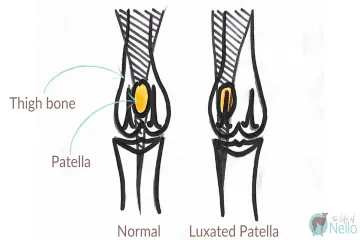
A point that often arises when discussing the development of such a small, fine-boned breed is skeletal fragility. The intentional selection for extreme delicacy meant that the resulting dogs required a very different environment than large working dogs. [7] For a modern enthusiast, recognizing this heritage is important: while they are athletic sprinters over short distances, their bone structure demands more careful management around rough play or high-impact surfaces than a slightly larger terrier, for instance. [8] The creation process prioritized form and size to match aristocratic tastes, an aesthetic choice that defines their needs today.

# Modern Recognition and Standardization
While the breed’s form was largely set by the 17th century, the process of formal standardization and global recognition occurred much later, primarily in the 19th and 20th centuries. [3][1] As international dog shows and breed clubs developed, there was a push to codify the ideal Italian Greyhound based on the finest existing European examples. [3]
The American Kennel Club (AKC) officially recognized the breed in 1886, placing it in the Toy Group, which cemented its role as a companion animal in North America. [1][7] The Italian Greyhound Club of America (IGCA), founded in 1971, continues to focus on preserving the breed’s historical balance—maintaining the true sighthound structure while ensuring sound health and temperament. [4]
Interestingly, the historical record shows some minor variations in type throughout history; some very early examples appear slightly leggier or less tucked in the loin than the modern standard calls for. [3] This suggests that the "perfect" IG has subtly evolved even within the last century to meet the specific requirements of the official breed standard, which now dictates everything from head length to tail set. [1] The current standard aims for an animal that is an inch or two taller than it is long, emphasizing elegance and symmetry. [4]
# Temperament Forging
The environment in which the Italian Greyhound was created heavily influenced its personality, turning a descendant of a hunter into a devoted companion. [4][7] When you breed a dog primarily for companionship and aesthetic appeal within the sheltered confines of European courts, you are subtly selecting for dogs that are:
- Affectionate and Cuddly: They were literally kept on laps for centuries to provide warmth and companionship. [6][7]
- Sensitive: Lacking the ruggedness of working dogs, they developed a sensitivity to harsh handling or cold environments. [4][8]
- Quiet Indoors: While capable of bursts of speed, they adapted well to indoor living where loud, boisterous behavior was less desirable than quiet elegance. [8]
This selective breeding for indoor life meant that temperament became as much a part of the creation story as bone structure. The modern IG often exhibits a paradoxical nature: intensely loving and eager to please their owners, yet possessing a reserved demeanor with strangers, echoing their high-status, somewhat aloof historical placement. [4] The combination of the sighthound’s inherent independence (inherited from its hunting past) and the companion dog's need for close human contact creates the unique IG personality. [8] It's a dog that wants to sprint around the yard like a Greyhound but immediately curl up under a blanket the second the fun is done. [8]
# Comparison with Whippets and Greyhounds
To better appreciate how the Italian Greyhound was created, a brief comparison with its larger relatives, the Whippet and the Greyhound, highlights the selective breeding choices made over time. [7]
| Feature | Greyhound | Whippet | Italian Greyhound |
|---|---|---|---|
| Primary Historical Role | Racing, hunting large game | Racing, companionship | Companion, lap dog |
| Weight Range (Approximate) | 60–85+ lbs | 25–40 lbs | 7–14 lbs |
| Body Delicacy | Athletic, muscular | Balanced, athletic | Very fine-boned, delicate |
| Primary Selection Goal | Speed and endurance | Speed and moderate size | Extreme miniaturization and elegance |
The key insight here is that while the Greyhound was selected for sheer velocity, and the Whippet was often a "poor man's Greyhound" for racing and utility, the Italian Greyhound was exclusively selected for ornamentation and lap-suitability. [7] This focused selection pressure for extreme smallness, while retaining the elegant outline, is what makes the IG's creation story unique among the sighthounds. [1][2]
The deliberate pursuit of small size over utility over many centuries has led to a breed that is profoundly specialized for human interaction, but whose very refinement demands owners understand and accommodate their unique physical structure, particularly regarding their susceptibility to cold and the need for cautious play. [4][8] The resulting dog is one of the most ancient toy breeds still existing in its recognizable form, a living piece of Renaissance art refined through canine genetics. [3]
#Videos
99% of Italian Greyhound Dog Owners Don't Know This - YouTube
Related Questions
#Citations
Italian Greyhound History: Where the Breed Originated
Italian Greyhound - Wikipedia
Italian Greyhound - History and Origin - Showsight Magazine
Italian Greyhound Breed History - IGCA
The Italian Greyhound - History
Italian Greyhound Dog Breed Information - Purina Arabia
History - Lamarque Italian Greyhounds
The Italian Greyhound: A Snuggly Sprinter - FETCH Magazine
99% of Italian Greyhound Dog Owners Don't Know This - YouTube