Are carrion beetles pests?

The presence of certain beetles, particularly those associated with decay, often raises immediate concerns for homeowners and gardeners. Carrion beetles, belonging to the family Silphidae, carry a reputation tied directly to their diet: dead animals. Yet, pinning the label of "pest" on these insects requires a closer look at their ecological function versus their occasional intrusion into human spaces. [3] They are a diverse group, and many species perform vital clean-up duties that often go unrecognized, while others, like the burying beetles, have unique behaviors that sometimes bring them into conflict with people. [2][5]
# Ecological Role
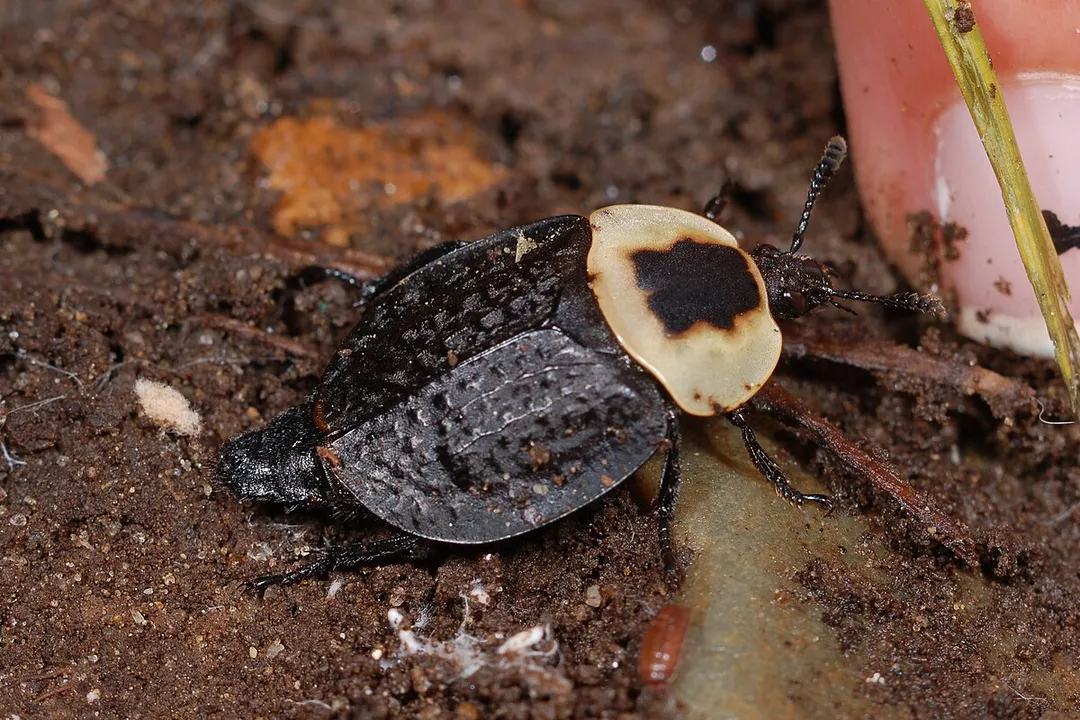
Carrion beetles function as nature's essential recyclers. Their primary importance lies in the rapid decomposition of animal carcasses, a process critical for nutrient cycling in ecosystems. [3] By consuming decaying flesh and eggs, they help prevent the buildup of decomposing material, which could otherwise foster harmful bacteria and disease vectors. [3] This role is particularly evident in forests and fields where small animals die unnoticed.
The group includes several subfamilies, such as the Silphinae and the Nicrophorus species, commonly known as burying beetles. [2][8] While the general term "carrion beetle" often conjures images of large insects feeding on exposed remains, the burying beetles are famous for a very different, though equally decomposition-related, activity. [2]
# Burying Behavior
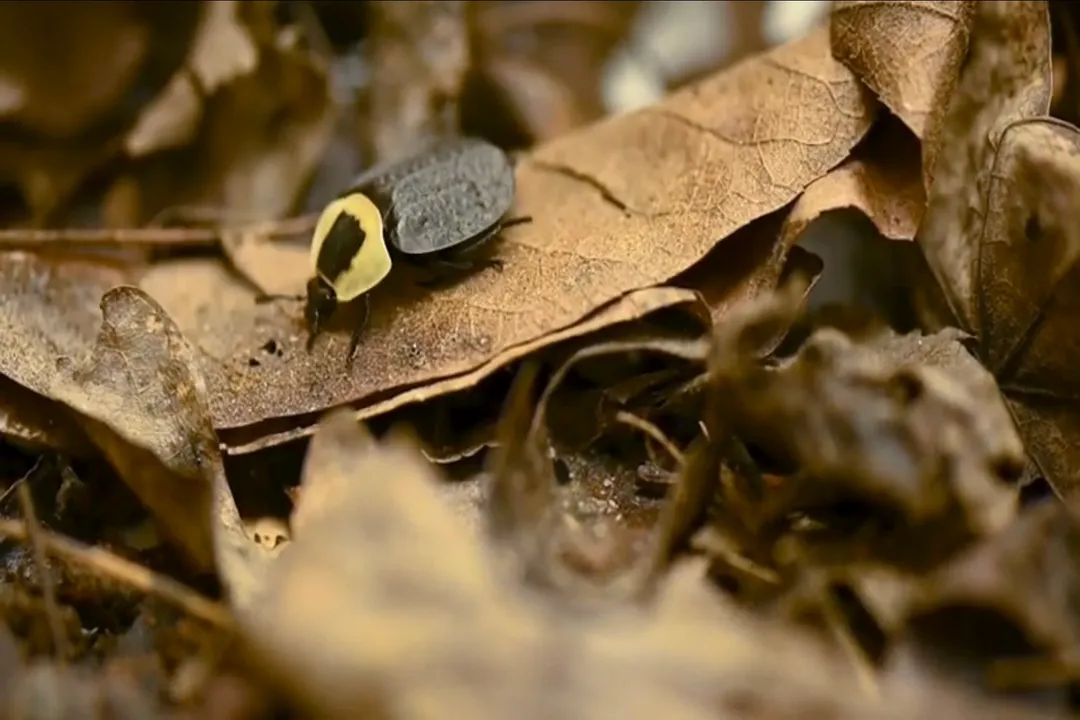
Burying beetles are specialists in carcass removal. When they locate a small dead creature, such as a mouse or bird, both the male and female beetles work to bury it underground, often beneath the soil or leaf litter. [2] This behavior is not random; it is a calculated action for reproduction. Once the carcass is secured, the parents will meticulously remove the fur or feathers, creating a clean "meatball" on which they lay their eggs. [2] The larvae then feed on this resource, receiving extensive parental care until they pupate. [2]
This excavation activity is where conflict can arise. If a homeowner discovers several small animals missing from their yard, or if the tunneling activity occurs near a foundation or walkway, the burying beetles may be incorrectly identified as a destructive pest, rather than simply performing their biological imperative. [4] The removal of a small animal carcass from a garden bed is a direct result of this reproductive necessity. [2]

# Pest Status
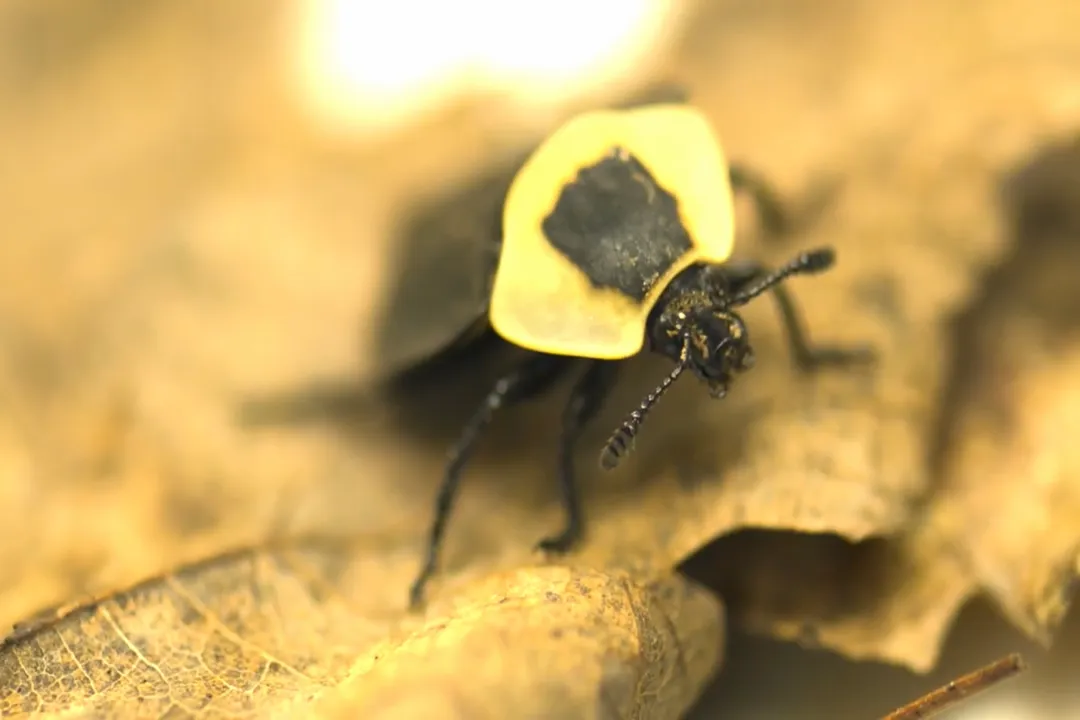
The determination of whether a carrion beetle is a pest depends entirely on context, location, and abundance. [5] In the natural environment, they are beneficial decomposers and should be left alone. [5][9] They are not generally considered structural pests; they do not typically infest wood, contaminate stored food products like pantry pests do, or bite or sting humans. [5]
The issue usually arises when beetles wander indoors. If a beetle enters a house, it is likely lost or attracted to a lingering odor, though they are not usually attracted to live humans or pets. [5] A finding of a single or few beetles indoors is often accidental. [1] However, large numbers appearing indoors or near the home can be alarming and prompt questions about removal. [5][6] Furthermore, if a dead animal source—like a dead rodent inside a wall void—is attracting them, the beetles’ presence is merely an indicator of a separate, underlying issue that needs addressing. [9]
For instance, the American Carrion Beetle (Necrophila americana), while part of the family, is known to be quite large and sometimes found in human structures, though its primary role remains decomposition. [8] Unlike some true pests, their attraction to human habitation is generally incidental rather than intentional infestation. [5]
| Beetle Category | Primary Activity | Pest Concern Level | Human Interaction |
|---|---|---|---|
| General Carrion Feeders | Rapid consumption of dead organic matter | Low (Beneficial) | Minimal; usually outdoors |
| Burying Beetles (Nicrophorus) | Excavating and burying small carcasses for larvae | Moderate (Nuisance behavior) | Potential discovery of missing small animals or ground disturbance |
| Indoor Intruders | Accidental entry into homes | Low to Medium (Nuisance) | Direct human encounter/alarm |
# Management Considerations
When dealing with carrion beetles, the first step in management is identification and assessment of the situation. [9] If you find them outdoors actively working on a small carcass, the best course of action is usually non-intervention. [5][9] They are performing a valuable ecosystem service. [3] In a garden setting, leaving them to their work allows them to break down potential disease sources naturally.
If the beetles are persistently appearing inside your home, the approach needs to shift from ecological appreciation to exclusion and source removal. [9]
Here is a simple homeowner checklist for managing indoor sightings:
- Determine Entry: Inspect windows, doors, and vents for gaps or damage that allow access.
- Eliminate Attractants: Check for and remove any decaying organic matter, especially dead rodents or birds in crawlspaces, attics, or wall voids, as this is the primary draw. [9]
- Physical Removal: For those found indoors, simply sweep or vacuum them up. They are generally slow-moving and not aggressive. [1]
- Seal Entry Points: Apply caulk or weatherstripping to seal identified openings to prevent future accidental entry.
It is important to realize that spraying insecticides indoors to eliminate a few stray beetles is often ineffective long-term because it ignores why they are there, which is usually the presence of a nearby food source they are trying to process or locate. [5] Focusing efforts on sanitation and exclusion proves more effective than chemical treatment for these incidental visitors. [9] Understanding their life cycle—that the larvae feed on the buried remains—highlights that removing the carrion source stops the local breeding cycle, making the area unattractive to future adults. [2]

# Distinguishing Roles
Many people encounter these beetles after a rain or in the spring and wonder about their identity and intent, often posting pictures online seeking clarification. [1][6] One must distinguish between beetles that are truly pests (e.g., termites, bed bugs, clothes moths, which actively damage property or bodies) and those that are simply nuisances due to their life history. [5] Carrion beetles fall firmly into the nuisance category when they appear where they are not wanted.
For example, the American Carrion Beetle is sometimes noted for its size—up to an inch long—making it more noticeable than smaller species. [8] Its activity is strongly tied to finding dead animals, much like other Silphidae, but its visual impact can lead to greater concern. [8] If one encounters a beetle resembling this large species, remember its natural function is decomposition, and its presence inside is likely accidental, perhaps having emerged from soil near a basement window. [8]
Ultimately, the reputation of the carrion beetle as a pest is largely an artifact of human discomfort with death and decay, rather than a measure of actual threat to property or health. They are indicators of a functioning natural system, and managing them usually involves simple exclusion and good housekeeping rather than broad pest control measures. [5][9] By understanding that their presence outdoors is a positive indicator of ecological balance, homeowners can adopt a more patient, targeted approach when they happen to cross the threshold into the living space.
#Videos
Fatal Attraction: The Carrion Beetle - YouTube
Related Questions
#Citations
Anyone know what's going on with this Carrion beetle!?!? - Reddit
Burying (Carrion) Beetles: Identification, Facts & Control Tips
Carrion Beetle | 50 Facts You May Not Know - South Carolina ETV
Is a Carrion beetle a friend or foe in a vegetable garden? - Facebook
Should the Carrion Beetle be Removed? - Rove Pest Control
Fatal Attraction: The Carrion Beetle - YouTube
American carrion beetle - Wikipedia
Beetles in the House #919780 - Ask Extension