What is the physical description of a spongy moth?
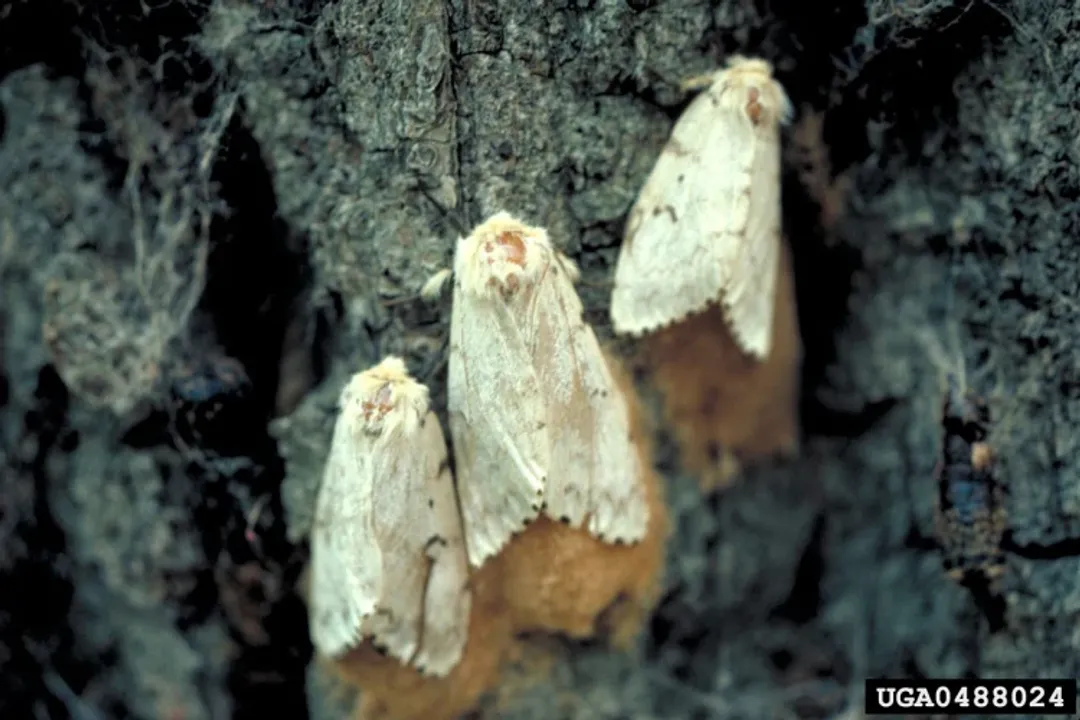
The physical description of the spongy moth—a species now officially known by this name, having shed its former common designation as the gypsy moth [4][5][8]—reveals a creature that changes its appearance dramatically throughout its life cycle, moving from a distinctly marked caterpillar to two very different-looking adults. Understanding these physical characteristics is key to identification, whether observing active feeding or looking for overwintering signs. [9]
# Adult Forms
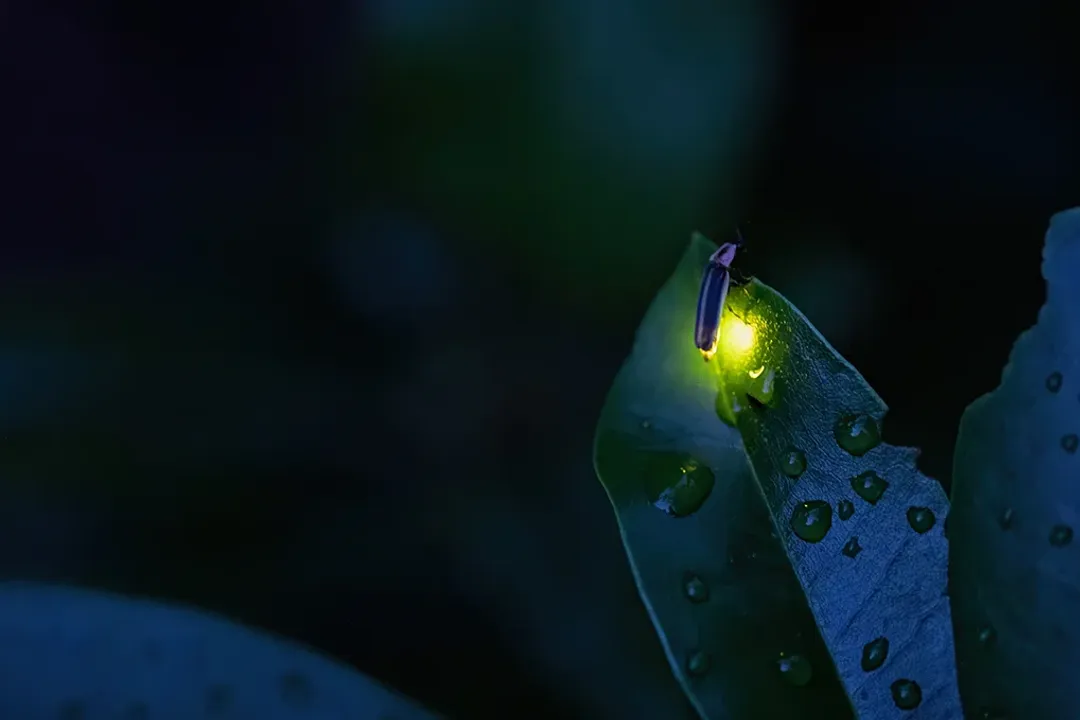
The two sexes of the adult spongy moth exhibit striking sexual dimorphism, meaning the male and female look quite different from one another. [2]
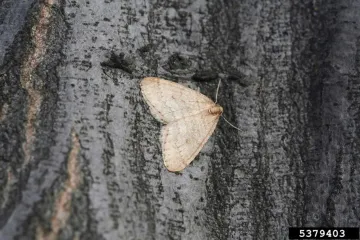
The male moth is the smaller of the two. Its wingspan typically measures around 1.5 inches. [1][5] Males possess a darker overall coloration, often appearing dark brown or black. [1][2] One of the most telling features for identifying the male is its antennae: they are conspicuously feathery or comb-like. [2][5] This feature aids in detecting female pheromones over long distances, and they are considered strong fliers, capable of covering significant ground. [2]
In contrast, the female moth is noticeably larger, boasting a wingspan that can extend up to 2.5 inches. [1][2][5] Her coloring is generally lighter, ranging from creamy white to yellowish-white. [1][2][5] Across these lighter wings, females display dark, wavy markings. [2][5] Unlike the male, the female’s antennae are very small and thread-like. [2][5] Due to her larger size and heavier body, the female is a poor flier, usually managing only short, fluttering flights rather than sustained travel. [2][5]
# Larval Stage

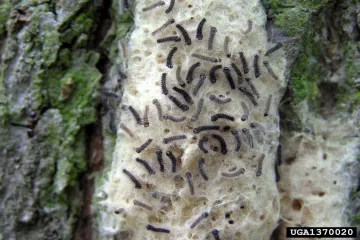
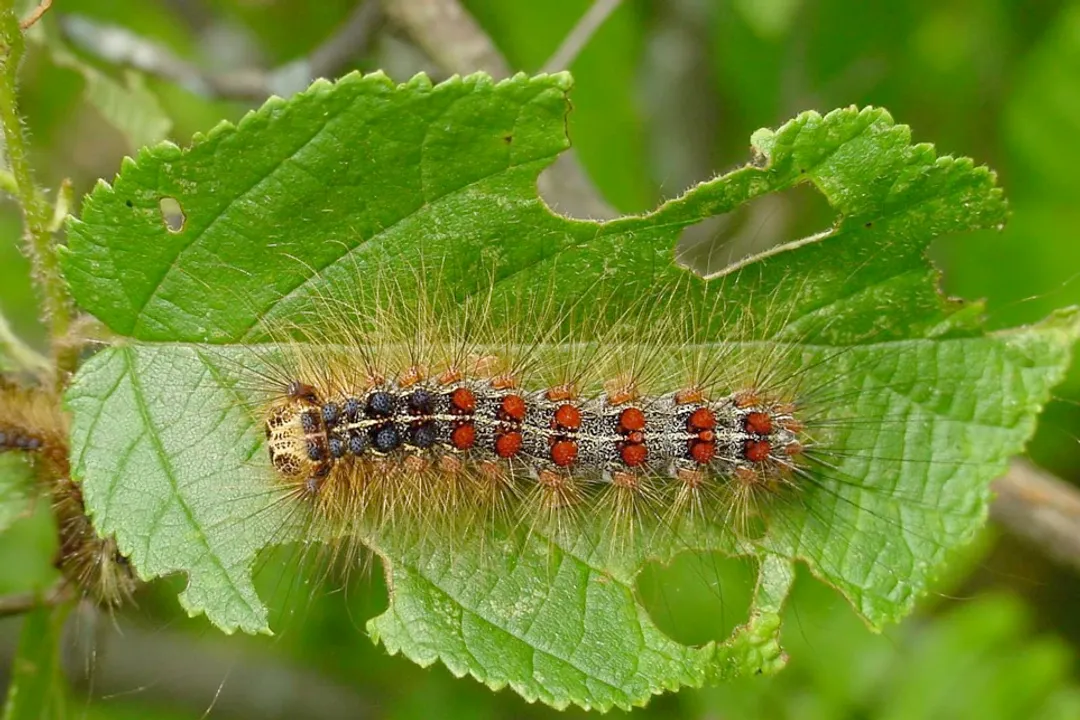
The creature that causes the most widespread damage to foliage is the larva, or caterpillar stage. When the spongy moth first hatches, the tiny caterpillars are dark, often reddish-brown or blackish in appearance. [1][7] As they mature and pass through various instars (growth stages), they become much larger and hairier, eventually reaching lengths of 1.5 to 2.5 inches before pupating. [1][7][9]
The most reliable physical trait for identifying the spongy moth caterpillar, distinguishing it from many native species, involves the set of prominent bumps running down its back. [9] Along the dorsal line, there are five pairs of blue spots followed immediately by six pairs of red spots. [1][2][5][7][9] The entire body is covered in fine hairs, which can sometimes cause skin irritation upon contact. [7] If you find a hairy caterpillar in the summer months displaying this specific pattern of blue-then-red markings, it is almost certainly a spongy moth. [9]
# Egg Masses
Before the caterpillar emerges, the female moth lays eggs in masses that present a very distinct, somewhat inconspicuous look, especially during winter months. [3][5] These egg masses resemble small patches of felt or suede attached firmly to a surface. [1][3][5][9] They are generally oval or irregular in shape, usually measuring around half an inch in length. [3][9]
The fuzzy or felted appearance comes from the female covering the eggs with hairs shed from the tip of her abdomen. [5][9] This covering is typically yellowish to brownish in color. [5][9] These masses are commonly laid on rough surfaces like tree bark, stones, fence posts, or even on outdoor equipment that has been left undisturbed. [3][9] When examining tree trunks in late fall or winter, looking for these somewhat flat, tan or brown patches that look like dried glue or rough fabric is the way to spot the overwintering stage. [3][9]
# Pupal Casing
After the lengthy feeding period as a caterpillar, the larva transitions into the pupa, or chrysalis stage. [7] The pupal casing is smooth and typically measures about one inch in length. [1][7] The color ranges from reddish-brown to dark brown. [1][7] Unlike the egg masses, which are often laid high on trunks or branches, pupae are frequently found near the base of trees, sometimes tucked underneath loose flaps of bark or in protected crevices. [7] The pupa itself is not mobile and represents the final developmental stage before the adult moth emerges. [7]
# Identifying Marks
The key differences between the life stages are stark, making identification relatively straightforward once the distinguishing features are known. The following table summarizes the main visual characteristics across the four primary forms:
| Life Stage | Approximate Size | Key Physical Feature | Coloration Notes |
|---|---|---|---|
| Adult Male Moth | ~1.5-inch wingspan | Feathery antennae | Dark brown to black [1][2] |
| Adult Female Moth | ~2.5-inch wingspan | Thread-like antennae, poor flight | Creamy white to yellowish-white with dark markings [1][2][5] |
| Larva (Caterpillar) | 1.5 to 2.5 inches | Five blue pairs followed by six red pairs of spots [1][2][7] | Hairy; starts dark, gains color variation with age [7] |
| Pupa (Chrysalis) | ~1 inch | Smooth casing | Reddish-brown to dark brown [1][7] |
While the adult stages are easy to distinguish by sex based on size and antennae alone, and the egg mass has its unique felt texture, the caterpillar’s specific arrangement of colored spots remains the most dependable characteristic for accurate identification across the active season. [1][9] When scouting properties, paying close attention to bark texture for the camouflaged egg masses—which can sometimes blend perfectly with lichen or rough wood—is an essential early detection step before feeding activity even begins. [3] Spotting these masses allows for targeted management before the next generation hatches and begins defoliation. [9]
Related Questions
#Citations
Spongy Moth Facts and Information - Pests - Orkin
Spongy Moths - Mass Audubon
Spongy Moth - NYSDEC
Spongy Moth – Profile and Resource | Invasive Species Centre
Invasive Species » Spongy Moth (Formerly Known as Gypsy Moth)
spongy moth (formerly gypsy moth) (Lymantria dispar (Linnaeus))
Is it Spongy Moth (Lymantria dispar)? - UW–Madison Extension
Spongy Moths | Smithsonian Institution
Spongy Moth Insect Info and History