What is the physical description of a snake?
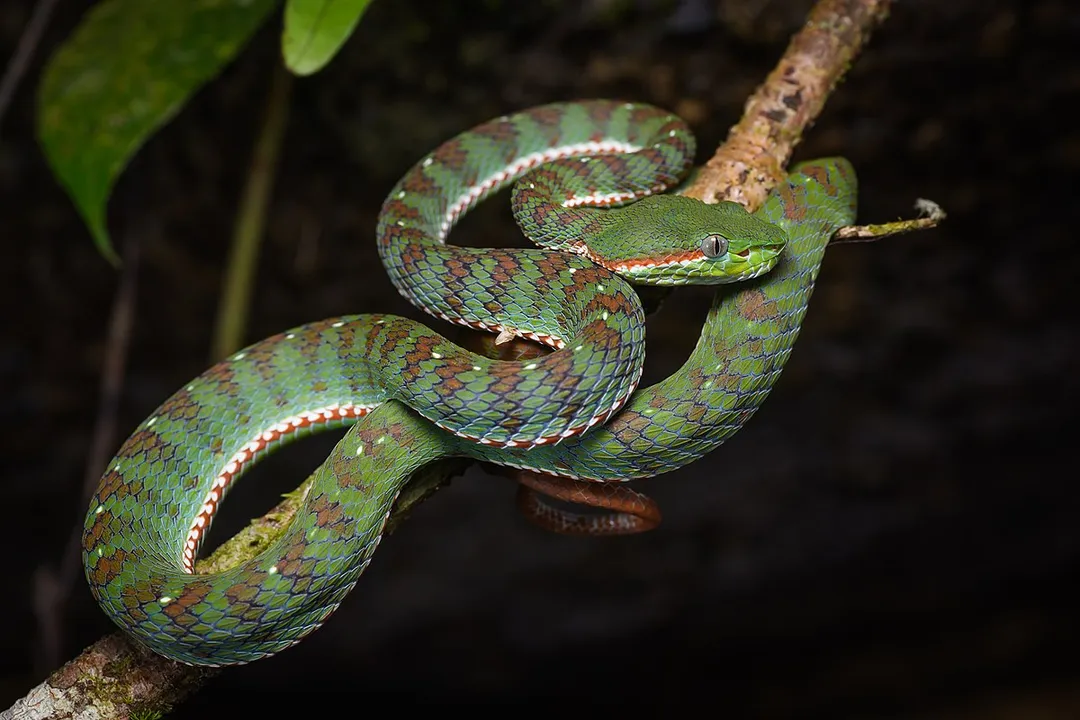
The snake represents a unique configuration of the vertebrate form, characterized primarily by its elongated, limbless body. This serpentine design is covered entirely in scales, which are specialized, overlapping folds of skin that protect the animal and aid in locomotion. Unlike most other reptiles, snakes lack external ears and moveable eyelids, features that contribute to their distinct appearance and sensory experience.
# Body Form

The fundamental physical description of a snake begins with its legless condition. While some ancient or basal snake lineages retained vestiges of hind limbs, modern snakes are defined by the absence of these appendages. Their bodies are essentially highly modified vertebrate columns, allowing for incredible flexibility and a means to navigate diverse terrains, from clinging to branches to slithering across smooth surfaces. The musculature is powerful, running the length of the body, which is essential for propulsion. Locomotion itself is facilitated by the arrangement and texture of the ventral (belly) scales, which can grip surfaces.
A noticeable physical feature, though often misunderstood, is the tail. The body segment that extends past the cloaca is considered the tail, and snakes do not possess a true coccygeal tail like mammals. The sheer length of the trunk, which houses all the major organs, varies drastically depending on the species, contributing to the wide range of sizes seen across the order.
# Scale Texture
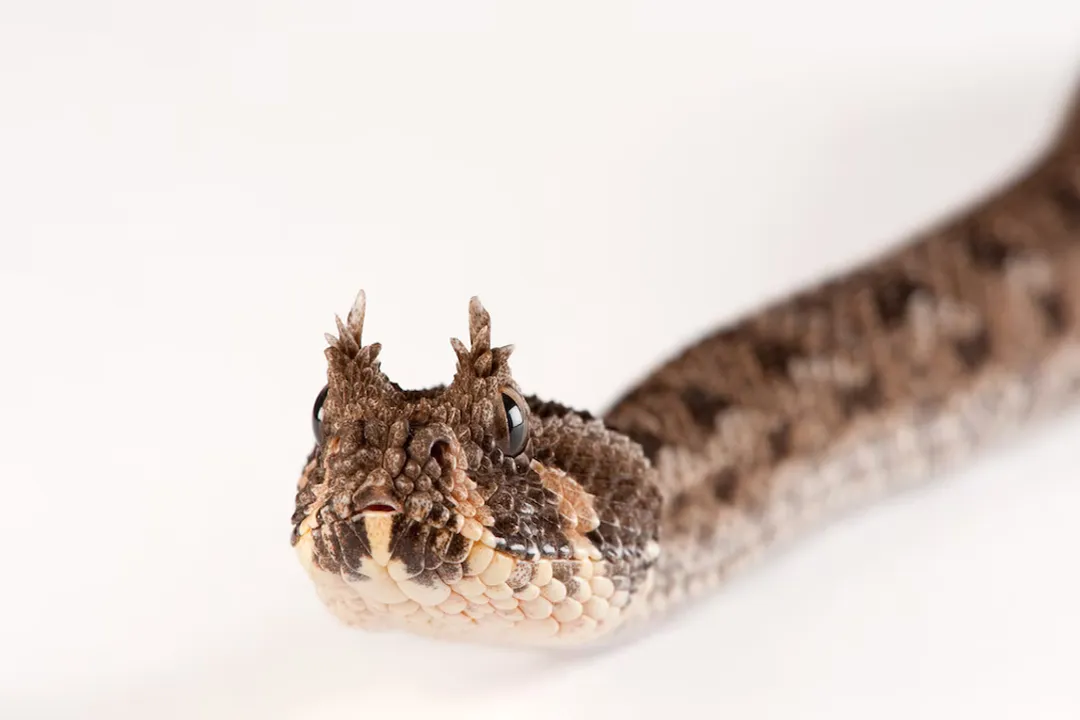
Scales are perhaps the most defining external characteristic after limb absence. They are not merely an outer layer but extensions of the epidermis, made of keratin. The appearance of these scales determines much of the snake's visual texture and aids in classification. Some snakes possess smooth scales, which often give the skin a glossy or shiny look, potentially aiding in faster movement across rough ground by reducing friction points, though this is more speculative than explicitly stated in the data. Conversely, many species have keeled scales. A keel is a ridge running down the center of the scale, making the skin feel rougher, almost sandpaper-like. This texture can sometimes play a role in camouflage or provide extra grip when climbing vertically.
Coloration and pattern are intrinsically linked to these scales. Snakes exhibit astonishing biodiversity in their markings—from plain uniform colors to intricate patterns involving stripes, diamonds, or bands. These patterns serve important functions, such as camouflage against a specific background, warning predators (aposematism), or confusing predators through disruptive coloration.
# Head Shape
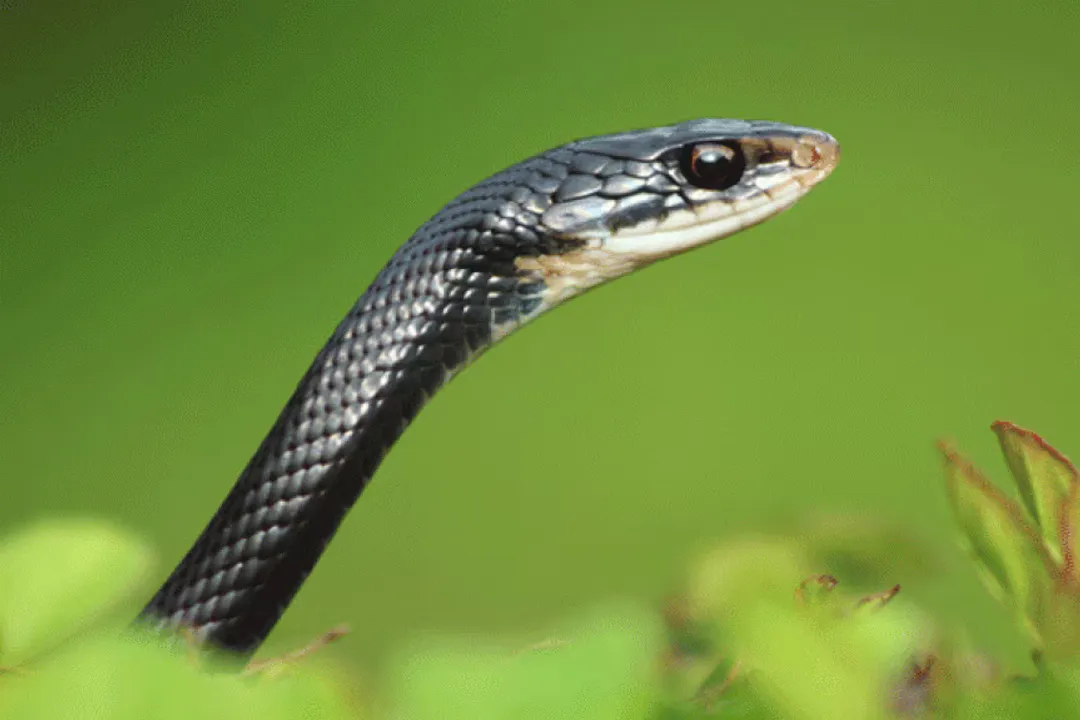
When observing a snake, the head is often the first point of focus, and its structure provides immediate, though sometimes misleading, clues about the animal. The head is generally distinct from the neck, although in some species, this demarcation is subtle. A common, though biologically imprecise, visual distinction is made between snakes with triangular heads (often associated with venomous species) and those with more oval or rounded heads (often associated with non-venomous constrictors). However, this is not a reliable field identification rule, as some harmless snakes can flatten their heads to mimic the triangular shape when threatened.
Crucially, snakes lack external ear openings, as noted earlier. Furthermore, they do not possess eyelids; their eyes are permanently covered by a transparent scale known as a spectacle or brille. This means snakes cannot blink, which is an important physical characteristic to remember when considering their environment or behavior.
# Jaw Mobility
The physical mechanism allowing snakes to consume prey larger than their own heads is one of the most remarkable features of their anatomy: extreme jaw flexibility. Unlike mammals, where the lower jaw bones are fused at the chin, the two halves of a snake’s lower jaw are connected only by stretchy ligaments, allowing them to move independently and spread very wide.
The structure involves several key elements. The lower jaw is attached to the skull via a bone called the quadrate bone, which is elongated and highly movable. This mobility allows the lower jaws to swing outwards and walk the snake's mouth over its prey in a process sometimes described as "walking" the jaw. Additionally, the upper jaw components are not rigidly fixed to the skull either, giving the entire apparatus remarkable independence. This anatomical configuration is an evolutionary adaptation centered entirely on feeding mechanics.
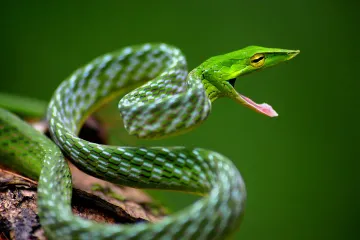
# Sensory Organs
While sight is present, a snake's primary interaction with the world often comes through its chemical senses, which are physically integrated into its head structure. The forked tongue is essential to this process. The snake flicks this tongue out, gathering airborne chemical particles from the environment.
These particles are then delivered to the Jacobson's organ, also known as the vomeronasal organ, located on the roof of the mouth. This organ analyzes the chemicals, providing the snake with a highly detailed sense of smell and taste, which it uses for tracking prey, locating mates, and navigating. The forked nature of the tongue provides directional input, allowing the snake to determine which side the scent is coming from.
Some snakes also possess specialized sensory pits between the eye and the nostril, known as pit organs, which can detect minute changes in temperature, essentially "seeing" the infrared heat signature of warm-blooded prey. This thermal detection is a physical adaptation allowing them to hunt effectively in low-light conditions where vision alone would be insufficient.
# Skin Shedding
The outer layer of scales is not permanent; snakes periodically shed their entire outer skin layer in a process called ecdysis. This process is necessary for growth and to replace skin damaged through movement and environmental contact. Physically, before a shed, the snake often appears duller, and its eyes may look milky or blueish because a layer of fluid forms between the old and new skin.
The shedding process itself is a physical feat. The snake finds a rough surface and rubs its snout against it to initiate a tear near the mouth opening. It then works its body free from the old skin, often turning it inside out like a sock. Observing a complete, intact shed skin is a testament to the organized structure of their external covering. For hobbyists managing captive snakes, ensuring the humidity is correct is a practical application of understanding this physical requirement; if the environment is too dry, the skin can tear irregularly or, worse, the spectacle covering the eye can stick, leading to vision problems. This requirement for consistent environmental humidity underscores how physical maintenance is tied directly to the snake's scaled epidermis.
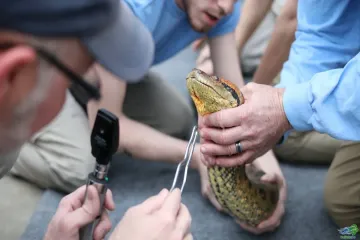
# Size Range
The physical description of a snake must account for the staggering differences in size found across the more than 3,900 species of snakes globally. At one extreme are the smallest species, such as the Barbados threadsnake, which is often less than 10 centimeters long and barely thicker than a piece of spaghetti. On the other end of the spectrum are giants like the anaconda or reticulated python, which can reach lengths exceeding 9 meters (about 30 feet).
This variance in size directly influences every other physical attribute, from the required strength of the jaw ligaments to the speed at which they can complete a shed. For instance, a smaller, more slender snake might rely more heavily on speed and arboreal camouflage, demanding very lightweight, small scales, whereas a massive constrictor requires significant girth and musculature to subdue prey, leading to a much more robust scale structure overall.
Related Questions
#Citations
Snake - Wikipedia
Physical features of snakes | Britannica
Snake Physical Characteristics: What Makes These Reptiles Unique?
Snakes Facts and Information | United Parks & Resorts - Seaworld.org
What do Snakes Look Like? - PetMD
Snake Anatomy 101: What Makes a Snake, Inside and Out
Snakes, facts and information | National Geographic
Snake | San Diego Zoo Animals & Plants
Snakes: Super senses, stretchy jaws and deadly venom