What is the physical description of a python snake?
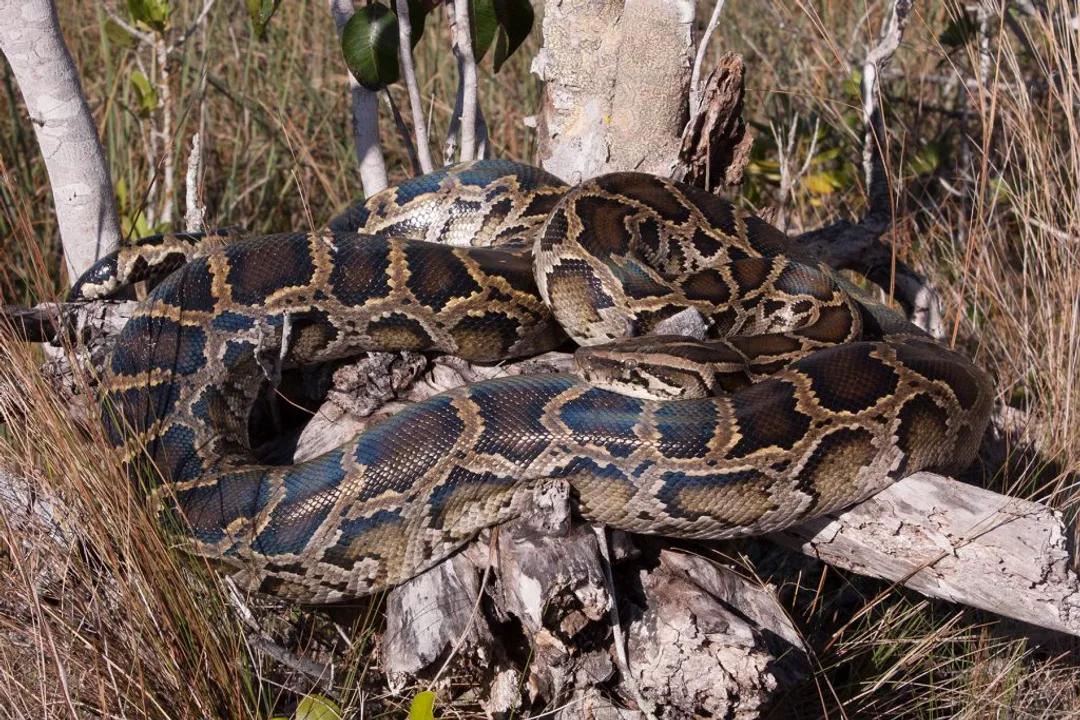
Pythons, belonging to the family Pythonidae, represent a fascinating group of snakes recognized globally for their substantial size and non-venomous constricting method of subduing prey. While often lumped together in the public imagination, the physical descriptions across the nearly 40 recognized species show remarkable variation, ranging from modestly sized burrowers to some of the longest snakes on Earth. Their overall appearance is characterized by a heavy, muscular build, which is essential for their lifestyle of ambush and constriction.
# Size Spectrum
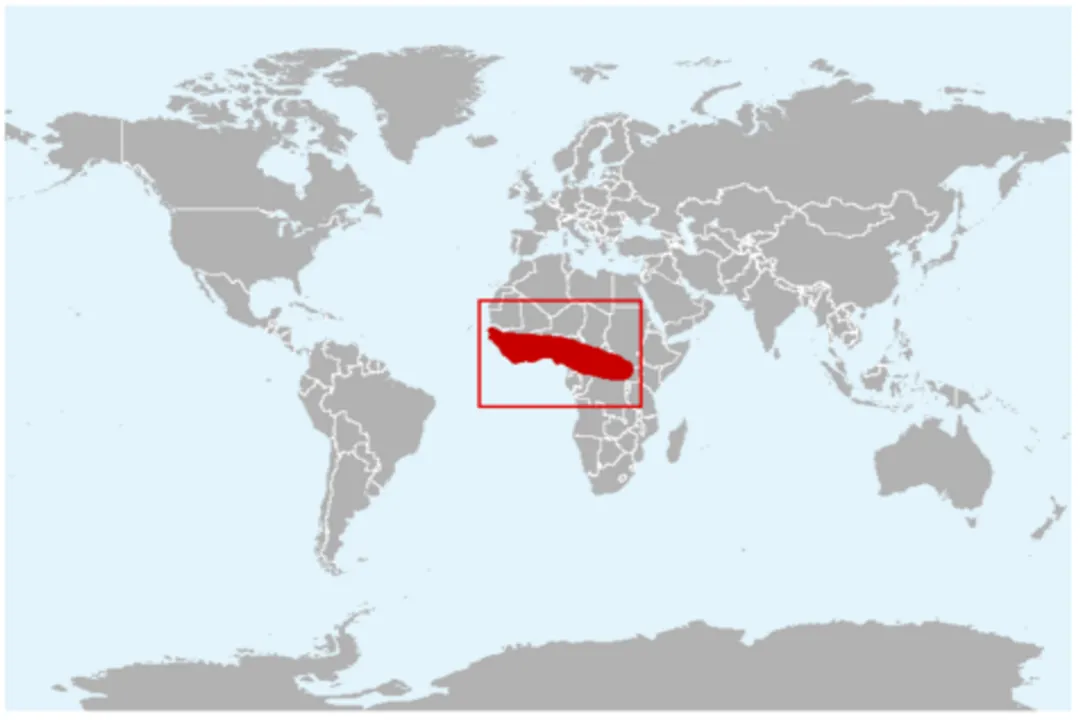
The most striking physical characteristic separating the various python species is the sheer difference in adult size. At one end of the spectrum, the Reticulated Python (Malayopython reticulatus) is renowned as the world's longest snake, with verified records approaching 20 feet and anecdotal reports suggesting lengths far exceeding that. In stark contrast, the Ball Python (Python regius), also frequently called the Royal Python, is comparatively diminutive, typically maxing out around 3 to 5 feet in length as an adult.
The Burmese Python (Python bivittatus) sits comfortably in the realm of the giants, often reaching lengths of 12 to 16 feet, though they are generally shorter and bulkier than the extremely long Reticulated Python. When considering the weight distribution, some species exhibit a more slender profile relative to their length, while others, like the robust Burmese Python, possess significant girth. For instance, a fully grown Burmese Python is substantially heavier and thicker than many snakes of similar length due to its dense musculature. The need to subdue large prey items in their native environments has seemingly driven the evolution toward this massive size in many of these species, whereas smaller species may target rodents or birds, allowing for a more compact physical form.
| Species Group | Typical Adult Length Range (Feet) | Build Characteristic |
|---|---|---|
| Reticulated Python | 12 – 20+ | Exceptionally long and slender for its length |
| Burmese Python | 12 – 16 | Very heavy-bodied and muscular |
| Ball Python (Royal Python) | 3 – 5 | Compact and relatively thick for its size |
# Head and Sensory Features
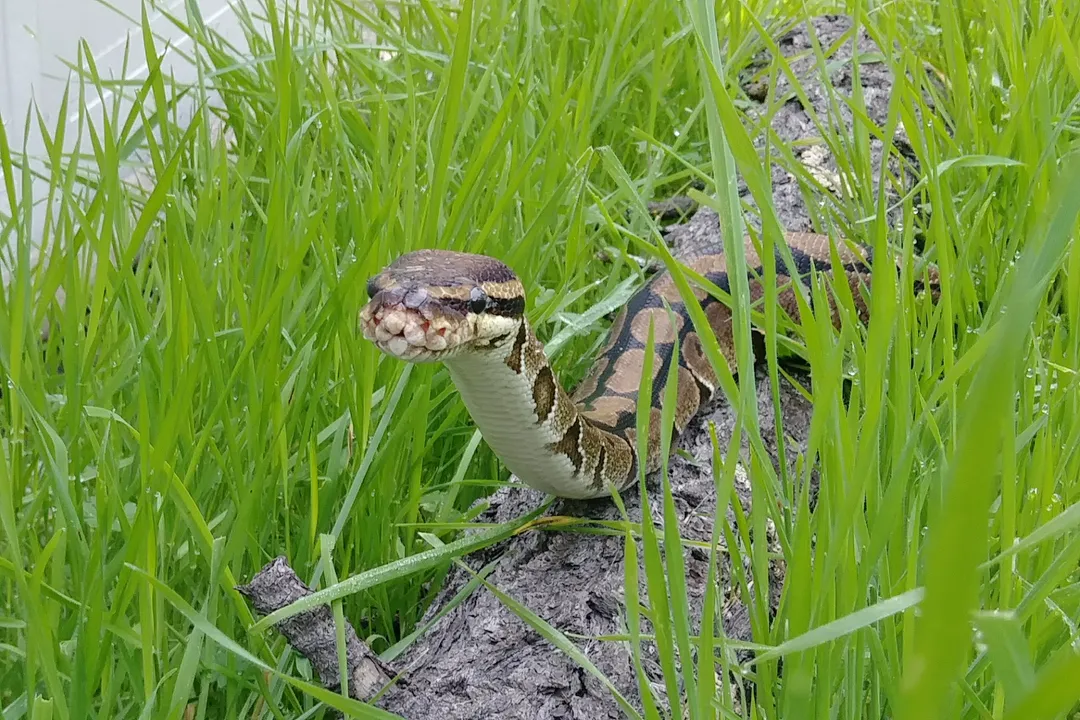
Pythons share several key physical features on their heads that distinguish them, most notably their specialized sensory adaptations. The head is generally distinct from the neck, though the degree of distinction varies by species. Their eyes lack eyelids and are instead covered by clear scales called spectacles, requiring them to shed their skin periodically to clean the eye surface.
The defining physical feature related to predation, aside from their powerful jaws, is the presence of labial pits. These are specialized, deep depressions or grooves located along the upper and lower lips. These pits house thermoreceptive cells, allowing the python to detect minute changes in infrared radiation—essentially, the body heat emitted by warm-blooded prey—even in absolute darkness. This physical structure grants them an "infrared vision" that complements their actual eyesight. For example, a Burmese Python hunting at night relies heavily on these pits to pinpoint the exact location of a mammal hidden in dense foliage. The structure and number of these pits can vary subtly between species, offering a physical characteristic that can sometimes aid in species identification.
# Body Covering and Scales
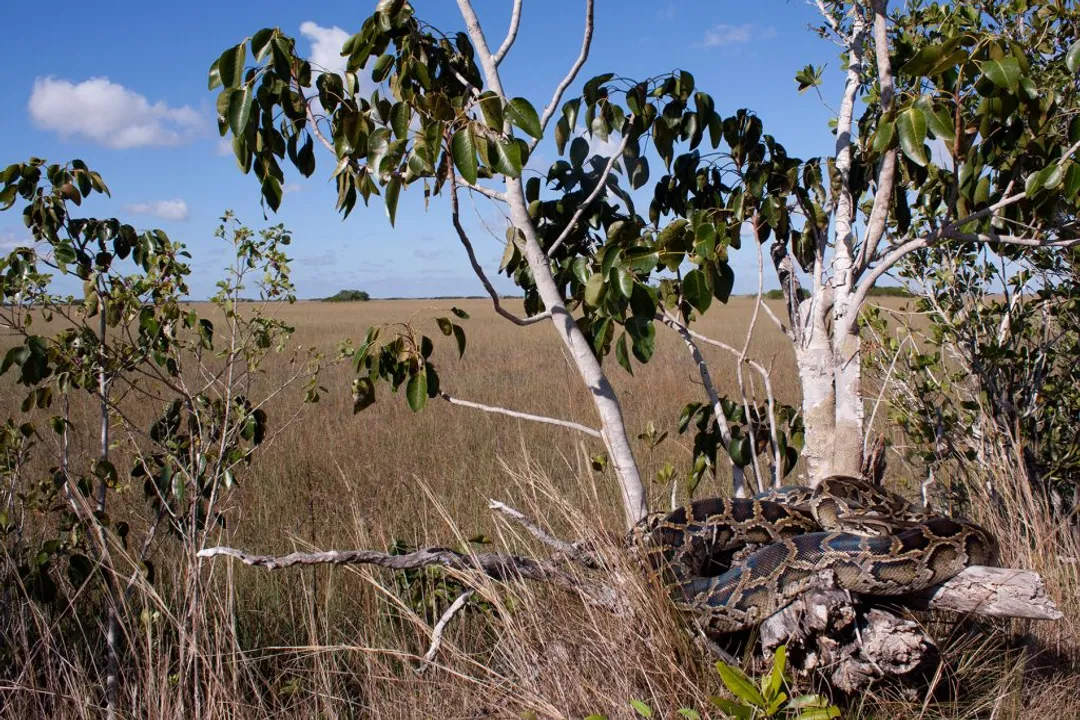
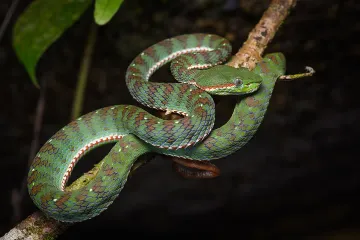
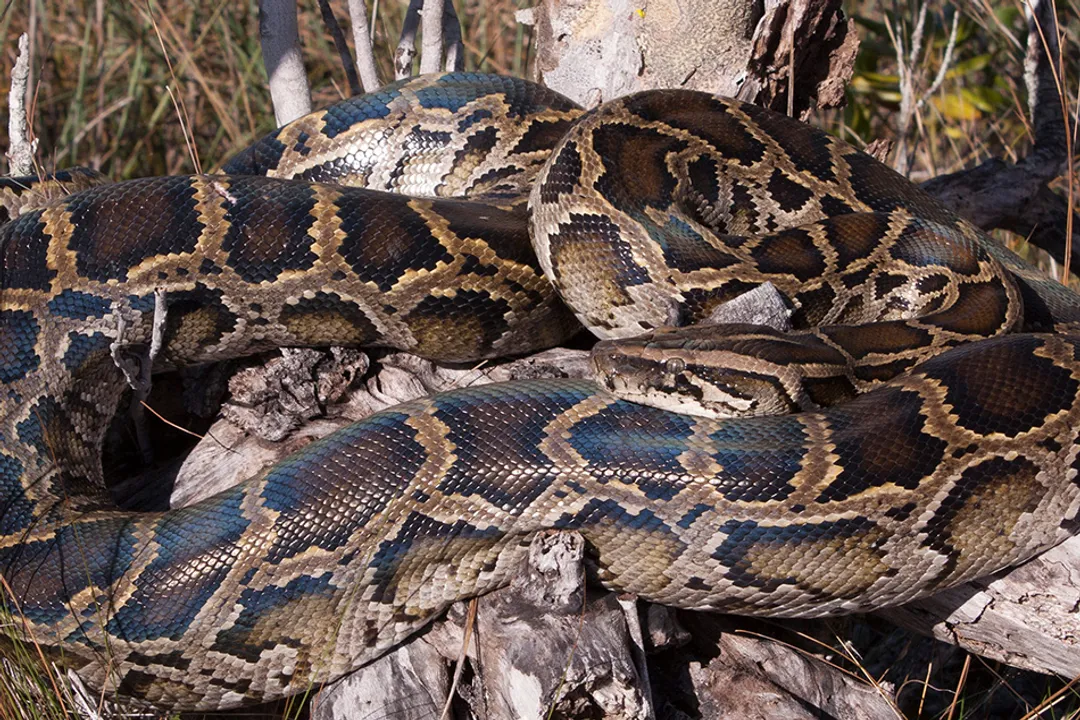
The entire body of a python is covered in scales, which serve a protective function and aid in locomotion. Unlike venomous snakes, pythons possess two rows of scales beneath their tail, a feature that distinguishes them from boas, though this is not always easily observed in the field.
The size, shape, and texture of the scales differ across the body. Scales on the dorsal (top) side are typically smaller and more numerous, while the ventral (belly) scales are broader and involved in movement. The pattern of these scales—the specific arrangement and number of scale rows—is a fundamental point of taxonomy for identifying different python species.
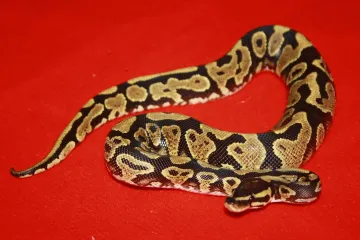
Coloration and pattern are perhaps the most aesthetically diverse physical traits. The Burmese Python, for instance, displays dark blotches of brown or black bordered by lighter tan or olive coloration against a lighter background color. This pattern is highly effective camouflage in the dappled sunlight of its native Southeast Asian habitats. The Ball Python, however, often exhibits a much more intricate, often highly contrasting pattern of dark brown or black irregular bands or blotches over a lighter brown or gold background, which when threatened, causes them to roll into a tight ball, effectively hiding their head and exposing only the patterned sides. The intensity and hue of these colors are frequently influenced by captive breeding, leading to hundreds of "morphs" that drastically alter the natural description, but the underlying structural pattern remains.
One interesting physical observation relates to how scale patterns interact with environment. In the highly varied leaf litter of a Florida Everglades habitat where invasive Burmese Pythons thrive, their dark, blotchy pattern mimics decaying organic matter remarkably well, offering an advantage in their new, complex environment. Conversely, a genetically uniform coloration, say a solid black or albino morph, would make an individual significantly more conspicuous in any natural setting, immediately altering its physical survivability profile.
# Limbs and Vestigial Structures
A key physical trait that firmly places pythons within their own taxonomic family, and distinguishes them from many other snakes, is the presence of vestigial hind limbs. These are small, claw-like spurs found on either side of the cloaca, near the base of the tail.
These spurs are remnants of pelvic girdles and often look like tiny, curved claws protruding from the snake's skin. In males, these spurs are generally larger than in females. While they are not used for walking, males utilize these spurs during courtship rituals, often stroking the female's body with them to initiate mating behavior. This small, seemingly insignificant physical structure provides compelling evidence of their evolutionary history and descent from legged reptiles.
# Comparing Head Shapes
While all pythons share a general shape, subtle differences in the head profile can be noted between large constrictors and smaller species. Burmese Pythons have a relatively broad, somewhat triangular head shape, a trait common among heavy-bodied snakes. Their snout is often slightly less pointed compared to some other large pythons.
The Ball Python, being a smaller, more terrestrial and often semi-fossorial (burrowing) species, tends to have a smaller, more rounded head in proportion to its body when compared to giants like the Burmese Python. This difference in cranial structure often relates to the typical size of the prey they are evolved to consume. A broader head allows for the accommodation of larger jaw muscles and the ability to swallow larger prey items whole, which is vital for a species that might only eat once every few weeks.
# Skin Shedding and Maintenance
The physical appearance of a python is in a constant state of renewal due to ecdysis, or shedding. Before a shed, the snake’s colors become dull, and its eyes take on a cloudy, bluish appearance as a layer of fluid forms between the old and new skin layers. This temporary physical state indicates the snake is preparing to slough off its outer layer, which comes off in one single piece if the environment and humidity are correct. A healthy shed, where the spectacle scales covering the eyes are shed cleanly, is a direct indicator of the snake's hydration and overall physical condition.
The texture of the new skin after a shed is remarkably smooth and the colors are vibrant and rich, reflecting the true, healthy physical state of the snake. The clarity of the skin pattern immediately post-shed is often the best time to observe the natural markings before environmental wear and tear dulls them down.
# Internal Structures and Physiology
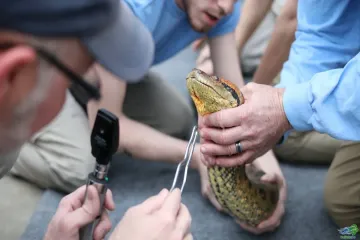
While much of the physical description involves external features, some internal structures dictate external appearance and behavior. Pythons are non-venomous, meaning they lack the specialized venom glands and ducts found in vipers and elapids. Instead, their primary weapon, besides constriction, lies in their multiple rows of rear-curving teeth which grip prey firmly once seized.
Internally, like all snakes, their respiratory system is asymmetrical, with one lung being significantly longer than the other to fit within the elongated body cavity. Their heavy musculature is organized in bands that wrap around the body multiple times, providing the immense squeezing power required to cause circulatory arrest in their prey. This physical requirement for massive muscle mass is what necessitates the thick-bodied appearance seen in species like the Burmese Python.
The sheer variety in physical descriptions within the Pythonidae family is a testament to adaptation across diverse global habitats, from the dense rainforests of Asia (Reticulated, Burmese) to the drier, warmer grasslands of Africa (Ball Python). Observing these physical differences—from the size difference between a 4-foot Ball Python and a 19-foot Reticulated Python, to the presence of those minute cloacal spurs—paints a much clearer picture of this magnificent group of reptiles than simply labeling them all as "large snakes". A dedicated observer might even notice that the texture of the scales on the snout area differs slightly between individuals preparing to hunt versus those recently fed, a subtle sign of heightened sensory focus. The physical description of a python is, therefore, less a single template and more a spectrum of evolutionary solutions to the problem of being a large, terrestrial ambush predator.
Related Questions
#Citations
Python | Snake, Characteristics, Habitats, & Facts - Britannica
Pythonidae - Wikipedia
All About the Python Snake: Diet, Adaptation and Habitats
Burmese python | Smithsonian's National Zoo and Conservation ...
Python regius - Animal Diversity Web
Burmese Python - Florida Museum of Natural History
Python | San Diego Zoo Animals & Plants
Burmese Python - FWC
Ball (Royal) Python - Oakland Zoo