Is boa a snake or python?
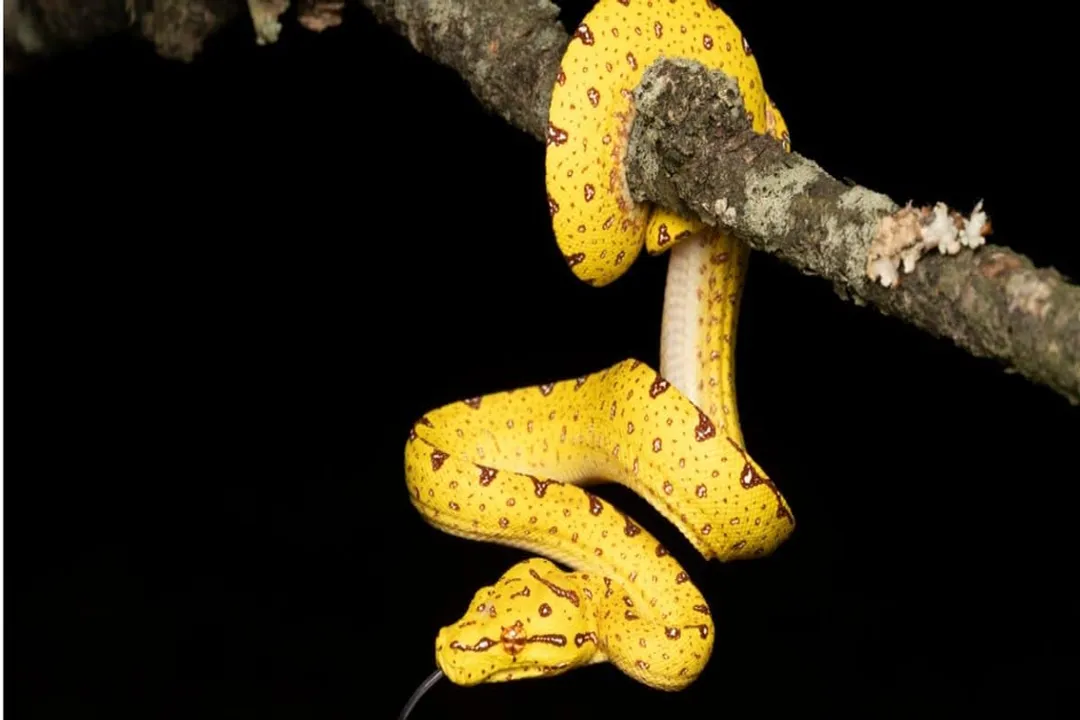
It’s a question that often arises among snake enthusiasts and casual observers alike: is a boa actually a snake, or is it something else entirely, perhaps grouped with pythons? The relationship between these large, non-venomous constrictors is closer than many realize, leading to frequent confusion regarding their distinct identities. Both boas and pythons are magnificent reptiles renowned for their size and method of subduing prey—through powerful constriction—but they are separated by distinct evolutionary paths, marked by scientific classification and fundamental biological differences. While they share a superficial resemblance, examining their anatomy and reproductive methods provides the clearest path to telling them apart.
# Family Split
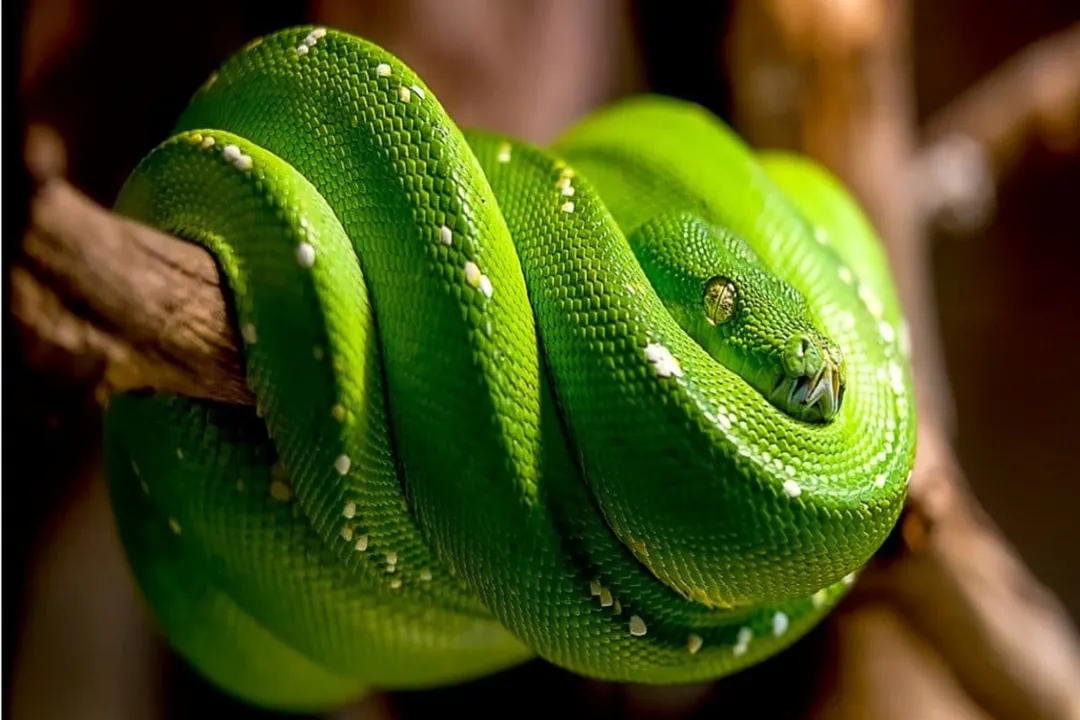
To begin sorting out the identity crisis between these massive snakes, we must look at taxonomy. Boas and pythons are not interchangeable terms for large constrictors; they belong to different scientific families within the snake order.
Boas are members of the family Boidae. This family includes a wide variety of snakes, and it’s important to note that the term "boa" is sometimes used more broadly, as anacondas, for example, are actually a specific type of boa. Pythons, on the other hand, are classified under the family Pythonidae.
This division into Boidae and Pythonidae is perhaps the most concrete scientific distinction between the two groups, even though both families consist of non-venomous snakes that kill by squeezing their meals. They occupy similar ecological niches across different parts of the world, which contributes to the common mix-up, but their genetic divergence has placed them in these separate homes on the reptile tree of life.
# Reproductive Methods
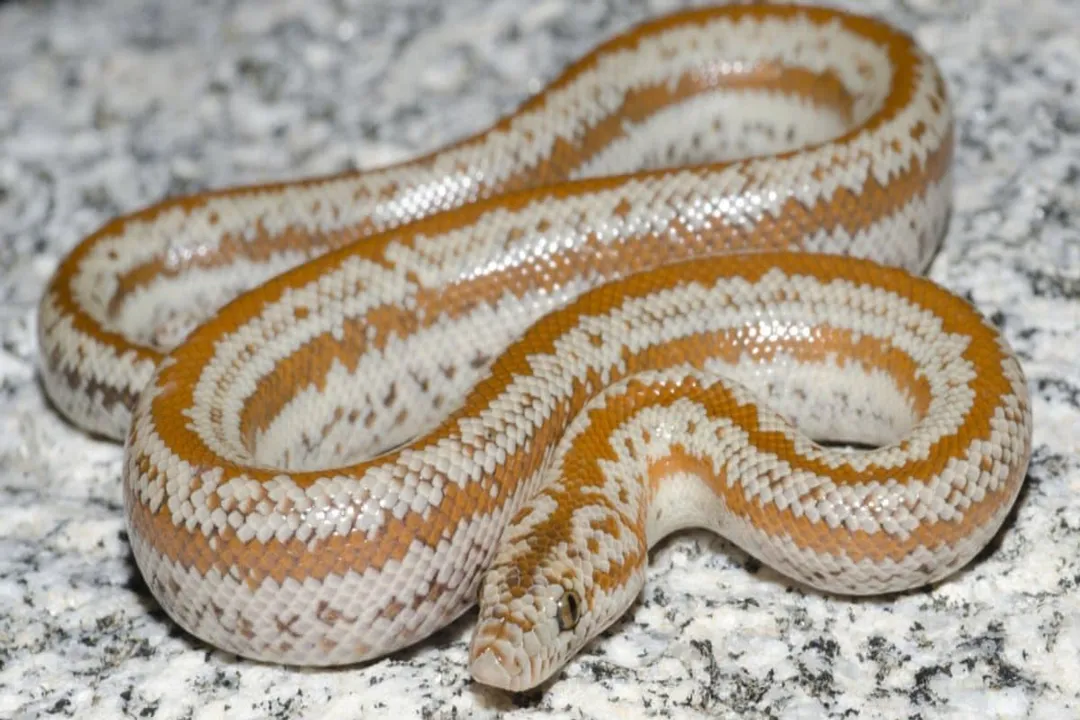
One of the most frequently cited and easily recognizable differences between boas and pythons relates to how they bring forth the next generation. This fundamental biological contrast is a key separating factor used by herpetologists.
Pythons are, almost without exception, oviparous, meaning they lay eggs. A female python will typically coil around her clutch of eggs, often engaging in muscular shivering to generate metabolic heat, which helps incubate the eggs until they hatch. This parental behavior, known as brooding, is a significant characteristic of the python family.
Boas, however, are predominantly ovoviviparous. This means they give birth to live, fully formed young that developed inside the mother, nourished by a yolk sac, rather than developing within an external shell. While it is acknowledged that some boas can lay eggs, the vast majority of commonly known species, like the Boa constrictor, bear live young. This difference in reproductive strategy is so pronounced that it often serves as the first practical field test for identification.
If you were observing a large constrictor in the wild or in captivity, watching for egg-laying versus the emergence of live snakelets would immediately place it into the python or boa camp, respectively.
# Sensing Heat
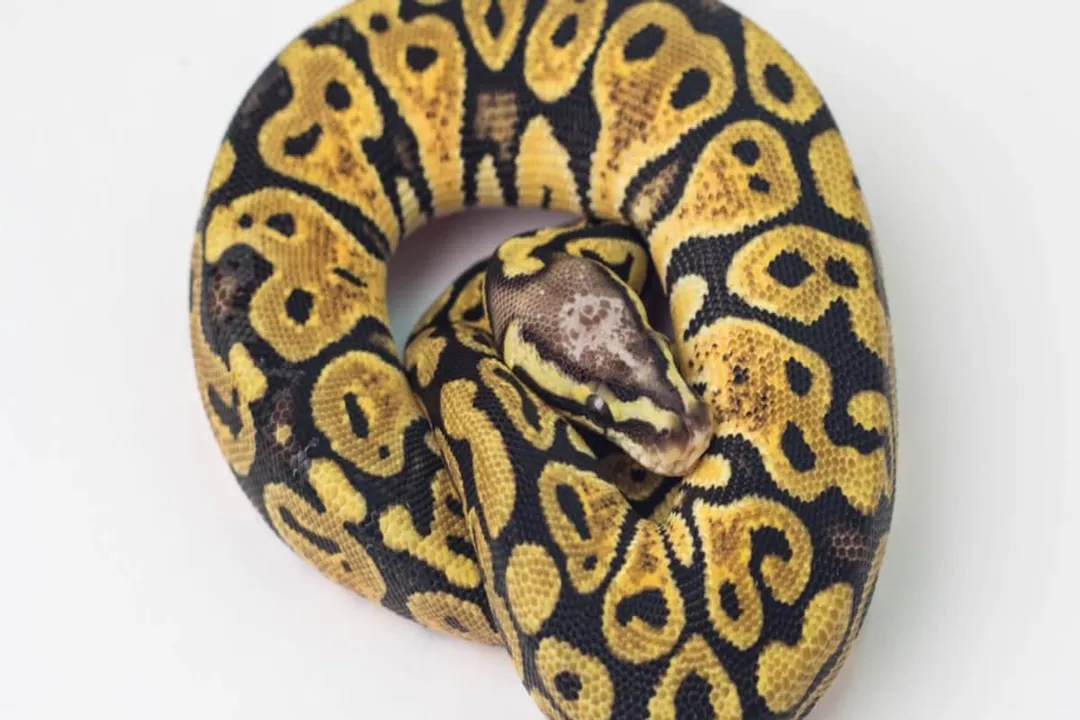
Another significant, though often less visible, difference lies in their specialized sensory organs used to detect warm-blooded prey in darkness: the heat-sensing pits. Both groups possess these pits, which allow them to "see" infrared radiation emitted by potential meals, but their placement varies significantly, reflecting subtle differences in hunting styles or preferred ambush locations.
In boas, these heat-sensing organs are typically located along the lips. These are large, deep depressions known as labial pits, which give them excellent thermal imaging capabilities focused primarily in front of their heads.
Pythons also possess these pits, but they are generally smaller and found on the rostral scales—the scales located on the snout—or on other scales around the mouth, rather than in deep labial grooves.
It is interesting to consider how this anatomical difference might reflect selective pressure. A boa with its pronounced labial pits might be evolutionarily favored in environments where striking from a close, often stationary, position is common, perhaps relying on ground contact or tight cover where the pits can better read the temperature signature of prey moving nearby. Conversely, the scale-based pits of pythons might be better suited for general ambient temperature reading or less specialized ambush tactics.
# Constrictor Classification
While the reproductive and sensory organ differences are technical, the shared trait that groups them in the public mind is constriction. Both boas and pythons are constrictors; they are non-venomous, relying on muscular strength to overpower their prey.
The scientific relationship is also noteworthy because some of the largest constrictors fall under the boa umbrella. As mentioned, anacondas are technically a type of boa. This means that when discussing the largest snakes on Earth, you are discussing members of the Boidae family, which includes both true boas and anacondas.
For a quick reference, we can summarize these primary differentiators:
| Feature | Boas (Boidae) | Pythons (Pythonidae) |
|---|---|---|
| Reproduction | Mostly live birth (Ovoviviparous) | Lay eggs (Oviparous) |
| Heat Pits | Located in deep labial pits on the lips | Located on rostral scales or scattered scales |
| Taxonomy | Family Boidae | Family Pythonidae |
If you encounter a very large snake, knowing that the largest species, such as the Green Anaconda, falls under the boa grouping helps clarify the scope of the Boidae family.
# Identifying Similarities
Despite the crucial differences outlined above, the resemblance is undeniable, which is why the comparison is so frequent. Both groups are non-venomous. They also share certain skeletal characteristics that place them together historically in the infraorder Booidea, even though modern taxonomy separates the families Boidae and Pythonidae.
Both families are known for producing some of the largest snakes in the world, capable of subduing prey much larger than their own heads, such as large mammals. They both rely on incredibly strong muscles wrapped around their victims, slowly suffocating them by preventing the necessary inhalation required for life, rather than causing death through venom or crushing bone.
When observing snakes in areas where only one family is native, the rule of thumb becomes simpler. For instance, if you are researching snakes in regions where only pythons naturally occur, you won't find a native boa, and vice versa. However, in areas like the Americas, the Boidae family, including true boas and anacondas, is naturally present, while pythons are Old World snakes (Africa, Asia, Australia). Recognizing the native distribution of the families can be another quick mental checkpoint for identification in the field.
# Practical Observation Tip
For those who interact with these animals, perhaps in a controlled collection setting, the reproductive difference offers a fascinating behavioral contrast that goes slightly deeper than just the act of birth or egg-laying. With pythons that lay eggs, the female's commitment to the clutch—often involving weeks or months of guarding and incubation—is a defining characteristic of her existence during that period. In contrast, a female boa that has given birth to live young often resumes normal behavior or parental guarding with less extended, continuous dedication to the immediate progeny’s physical development outside her body. This difference in post-parturition investment—a long, static vigil for the python versus a shorter, more immediate dispersal for the boa mother—is a tangible behavioral signifier reflecting their underlying reproductive biology.
The common confusion between these two groups is a testament to convergent evolution—where unrelated species develop similar traits (like large size and constriction) because they face similar ecological challenges. Ultimately, knowing the difference between a boa and a python moves beyond simple curiosity; it touches upon fundamental aspects of snake biology, from their sensory perception to their very method of perpetuating their species.
#Videos
Python vs Boa: What Should You Get? - YouTube
Related Questions
#Citations
Boa vs Python: How to Tell Them Apart - A-Z Animals
Boas vs pythons? : r/snakes - Reddit
Boa | San Diego Zoo Animals & Plants
Python vs Boa: What Should You Get? - YouTube
What's the difference between a python, a boa, and an anaconda?
Boa constrictor - Wikipedia
Are Boas and Pythons the same family of species? If not , how do ...
Boa Vs. Python! What Are The “Real” Differences!?