What is the penguin soulmate theory?
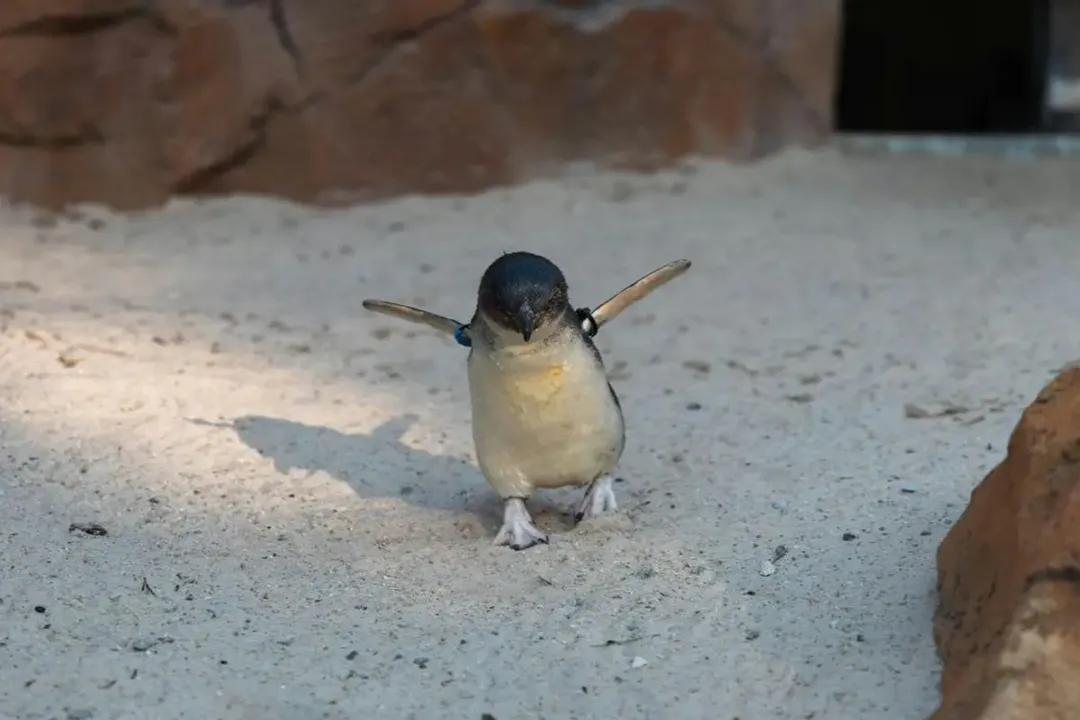
The image of the penguin often evokes a profound sense of romantic partnership—a creature dedicated to a single mate through harsh, icy conditions, seemingly embodying unconditional love. This widely accepted narrative forms the basis of the "penguin soulmate theory," a concept where these birds are seen as nature's paragons of lifelong fidelity, an ideal often referenced when discussing human relationships that are built to last forever. [2][3] This cultural shorthand suggests that once a penguin finds its match, the bond is unbreakable, a dedication mirrored in their communal life within the rookery where they offer protection from the elements and predators. [2][3]
# Courtship Rituals
The foundation of this perception rests heavily on one of the most endearing courtship displays in the animal kingdom: the presentation of a pebble. [6] This is far from a casual gesture; for many species, the male penguin embarks on a determined search for the perfect offering. [3] He combs beaches and rocky shores, seeking a pebble that is smooth and aesthetically suitable to present to his chosen partner. [3][6] This act of gift-giving, often referred to as "pebbling," is the male's primary way of expressing affection and confirming the bond. [3]
If the female accepts the gift, the pair places the stone into a nest they will share, solidifying their commitment to building a future together. [3] The functional necessity of this gift cannot be overstated, particularly in icy environments. Nests constructed from carefully selected pebbles allow snow and ice to melt through, draining away the water and keeping the eggs and subsequent hatchlings off the damp, cold ground. [6] It is fascinating to consider that what appears to be a sweet, romantic gesture is simultaneously an early, critical assessment of a potential mate's capability. The male who brings a superior pebble demonstrates resourcefulness and an eye for structural integrity—traits essential for the survival of their future offspring in a challenging habitat. The very act of searching and fighting for the best stone suggests that even in this idealized partnership, a certain level of quality control is being exercised from the outset. [3]
# Social Bonds
While the pebble ritual paints a picture of undying romance, the actual structure of penguin partnerships is far more nuanced and, for the romantic idealist, considerably more complex. Many penguin species are indeed considered socially monogamous. [4] This means that during the crucial breeding season, they consistently partner with the same individual from one year to the next, caring for their young communally—both parents share feeding and nurturing roles. [2][3] This annual renewal of vows is what fuels the popular belief in their soulmate status. [2]
However, the duration of this commitment often stops precisely when the breeding cycle ends. [2] For some species, like the Southern Rockhopper, partners separate after the approximately 20 to 30 days of mating season conclude. [2] Astonishingly, these separated mates can then spend the winter months apart, sometimes separated by an average of 600 kilometers (nearly 400 miles), highlighting that maintaining individual space is a key component of their relationship dynamic. [2]

# Fickle Fidelity
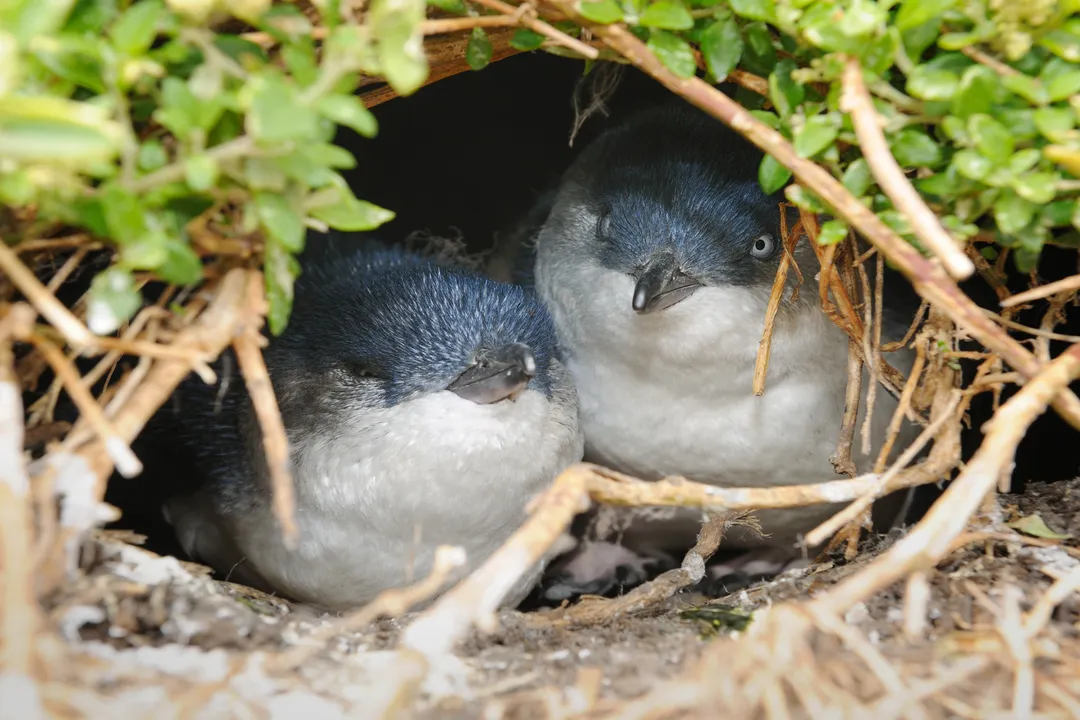
The notion of unwavering, lifelong devotion has been significantly challenged by modern scientific observation, revealing that "love" in the penguin world is frequently pragmatic, adaptive, and sometimes, decidedly unconditional in a less romantic sense. [4][5] Research conducted on a megacolony of Little Penguins (Eudyptula minor) in Australia revealed a "divorce" rate substantially higher than what is typically seen in human populations. [4][5] Over a 12-year study period, scientists recorded nearly 250 separations among almost a thousand paired penguins, equating to roughly 21 break-ups per year. [4] To put this in stark perspective, the annual human divorce rate in the U.S. is approximately 2.4 per thousand marriages—making the penguin rate almost ten times higher. [4][5]
A "divorce" was officially counted when a tagged penguin returned to the colony but had selected a new mate over its previous partner. [4] This observed behavior suggests that for penguins, the primary driver is not sentimentality but reproductive success. [4]
For species like the Emperor penguin, the reality of fidelity is even more tenuous. A 1999 study indicated that only about 15 percent of Emperor penguins (Aptenodytes forsteri) remain with the same partner for consecutive breeding seasons. [4][5] Furthermore, species such as Emperor and Adélie penguins have been observed engaging in what researchers term "extracurricular activities" while already paired, meaning they are not strictly sexually monogamous. [4][5] While some species demonstrate higher rates of social monogamy, nearing 90 percent, the overall picture emerging from ecological study is one of flexible partnership arrangements. [4]
# Pragmatic Survival
When we look at these high break-up rates, particularly among Little Penguins, they are not simply signs of a lack of love, but rather indicators of the colony's overall health and strategic thinking. [4] Researchers suggest that divorce may function as an adaptive tactic designed to maximize long-term reproductive success. [4][5]
Consider the immediate benefits: if a breeding season proves poor—perhaps due to low food availability or environmental stress—a penguin might rationally choose to seek a higher-quality, more reliable mate in the following year to increase its chances of raising young. [4] Conversely, if an existing bond is prolonged over multiple seasons, the reproductive success tends to increase over time, showing that staying together can yield better results if conditions are stable. [4][5] The penguin’s decision to stay or leave appears to be a calculated, pragmatic weighing of short-term risks against long-term gains for their progeny. [4]
This pragmatic flexibility contrasts sharply with the human cultural definition of a "soulmate," which usually implies an unbreakable contract regardless of external pressures or individual success rates. For the penguin, the bond is a means to an end—successful breeding—and if that means changing partners to ensure the continuation of the line, the bond is dissolved without, presumably, the emotional turmoil we associate with the term. [4] The very fact that divorce rates among Little Penguins are a key predictor of their colony's success is a powerful statement about survival over sentimentality in the natural world. [4]
# The Metaphorical Drift
The "penguin soulmate theory" has seeped into popular culture, often losing the scientific caveats and retaining only the idealized, romanticized core. [1] In fictional narratives, the penguin analogy is often used to describe a profound connection—a relationship that possesses all the right components—chemistry, timing, affection—yet somehow fails to materialize into a lasting union. [1] This interpretation centers on the aspect of adaptability: penguins cannot fly, but they have learned to swim effectively in their environment. [1]
When applied to human relationships, this can translate into a powerful, bittersweet feeling: you have found someone with whom you should fit seamlessly, whose presence feels natural, but external circumstances or internal incompatibilities prevent that "flight" of true success. [1] It becomes the definition of "the one that got away," a love that was destined on paper but thwarted by reality. [1] The adaptation aspect suggests that perhaps the love itself transcends the specific form of the relationship—they learn to "swim" in their situation, even if that means accepting separation to allow the other freedom or autonomy. [1] However, this cultural overlay often misses the ecological imperative behind the bird's behavior, focusing instead on the emotional echoes of a love that should have been permanent but wasn't.
In essence, the discourse around the penguin soulmate theory is a fascinating collision of biology and belief. On one hand, we have the hard-edged ecological truth: partnerships are strategic, fidelity is situational, and failure to reproduce prompts a search for a better partner—a constant, necessary assessment of mate quality. [4] On the other, we have the powerful cultural symbol: the image of the loyal pair, the shared pebble nest, and the dedication through hardship. [3][6] For those looking for a simple model of romance, the pebble-gifting penguin offers a charming ideal. For those seeking a deeper understanding of avian behavior, the picture is far more complex, showing that even deep pair bonds are subject to an ongoing cost-benefit analysis dictated by the unforgiving needs of survival.
Related Questions
#Citations
The Penguin analogy : r/TvGinnyandGeorgia - Reddit
Interesting facts about penguin love - Jin Designs
Shock Discovery Reveals Penguins Don't Mate For Life After All
What It Takes to Be the Perfect Spouse (According to a Penguin)
The gift to win a penguin's heart | BBC Earth
Penguins do not have unconditional 'love' as we commonly believe