What is the only state with no species of hummingbirds?
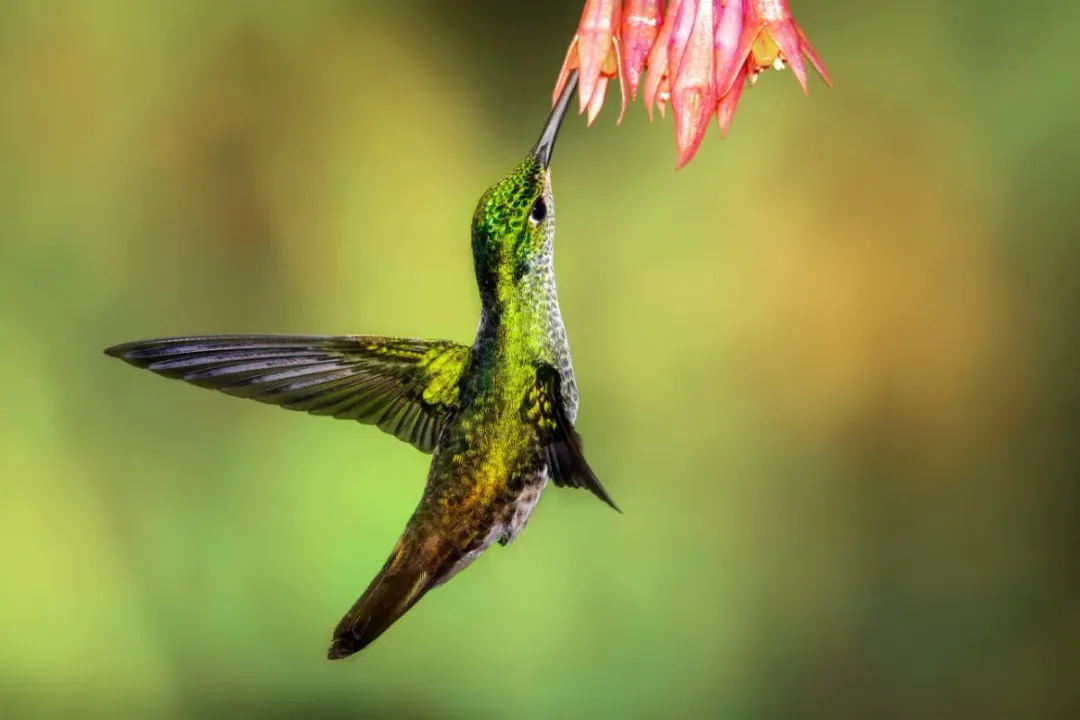
The single geographical division within the United States that stands apart from all others, a true outlier in the vibrant narrative of North American avian life, is the state of Hawaii. While the mainland boasts incredible regional diversity, from the desert canyons hosting the Blue-throated Hummingbird to the northern forests seeing the Rufous breed, the island chain possesses no native or resident species of these tiny, jewel-toned dynamos. This absence is stark, especially considering Hawaii's tropical climate, which one might instinctively assume is prime real estate for nectar-feeding birds.
# North American Species
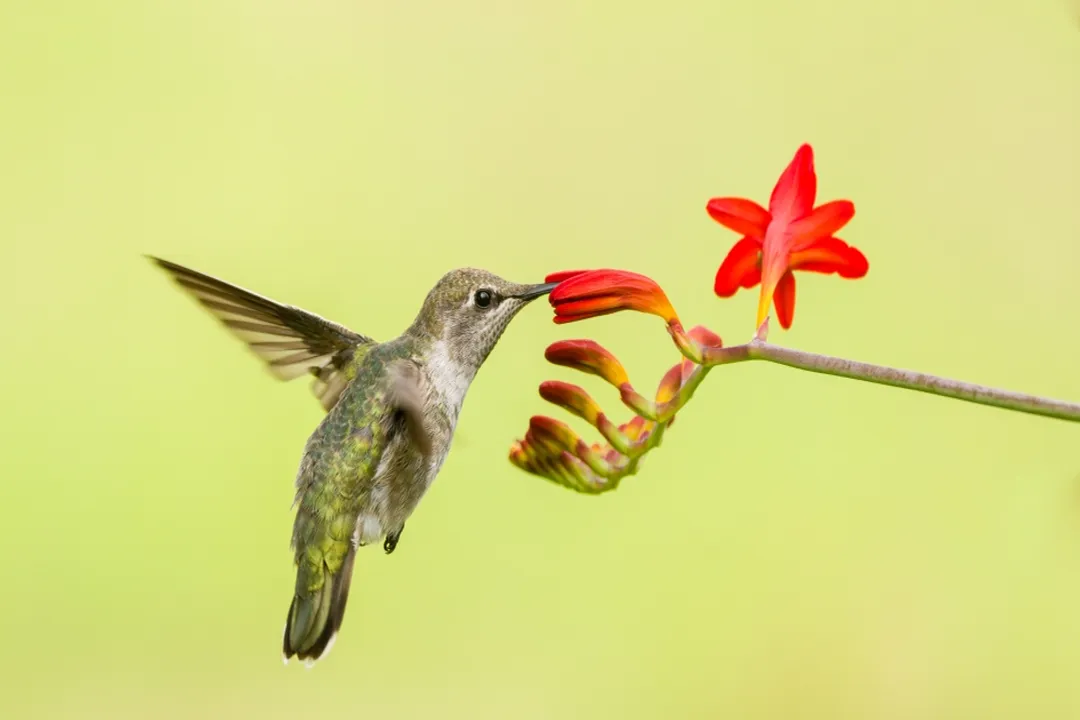
The general population of hummingbirds in North America is surprisingly rich, encompassing 161 documented species across the continent. However, this diversity is not evenly distributed across the fifty states. The majority of species concentration is heavily weighted toward the western half of the country, where geography creates a mosaic of microclimates that different species have adapted to over millennia.
Arizona and New Mexico consistently top the charts in terms of raw numbers, each hosting twelve different species of hummingbirds. This southwestern concentration includes the magnificent Rivoli’s Hummingbird (formerly known as the Magnificent), the desert-adapted Costa’s Hummingbird, and the rare White-eared Hummingbird, which breeds in the high mountains there. These arid regions prove that lush vegetation is not the only prerequisite for supporting diverse hummingbird populations; specialized desert flora, like ocotillo and agave, have co-evolved with these birds for pollination. [1]
Moving eastward, the picture changes dramatically. East of the Mississippi River, the landscape simplifies significantly from a birding perspective. The overwhelming majority of states in the Mid-Atlantic and New England regions see only one primary species: the Ruby-throated Hummingbird (Archilochus colubris). States like Connecticut, Delaware, and Vermont are listed as having just one documented species, which is almost exclusively the Ruby-throated. Even states like Texas and Florida, while geographically southern, show species counts of ten and four, respectively, indicating that while diverse, the variety tapers off as one moves away from the Mexican border and the Pacific flyways.
# The Island Exception
The fact that Hawaii reports no hummingbirds is remarkable when contrasted with the fact that the only hummingbird species listed for Hawaii in available data is technically one, yet the text accompanying that data explicitly states none are reported. This discrepancy aside, the critical point remains: if one is seeking a hummingbird within the US, Hawaii is the location where searching is futile, or at least was, historically. The provided context suggests an active prohibition on hummingbirds, citing the destructive potential they pose to pineapple crops. This human intervention is a significant factor, but it’s worth considering the ecological context of island biogeography. Even without prohibition, oceanic isolation often prevents most non-seabird species from colonizing remote islands like Hawaii. [1] The successful establishment of a mainland species like the Ruby-throated, which undertakes a massive 500-mile non-stop flight over the Gulf of Mexico during migration, seems an evolutionary feat only possible when a strong, established mainland population exists to potentially supply founders. Hawaii’s isolation likely acted as the initial barrier long before agricultural concerns became a factor, creating a unique ecosystem devoid of this particular avian family.
# Global Distribution and Flight Prowess
Hummingbirds are truly a New World phenomenon, found exclusively in the Western Hemisphere, stretching from the tip of South America all the way up to the northernmost breeding grounds in Alaska. Globally, there are approximately 366 species, meaning the United States is home to a significant fraction, especially when considering that most species reside only in Central and South America.
The migratory feats of the North American species are legendary, making their absence in Hawaii even more pronounced. Consider the Rufous Hummingbird (Selasphorus rufus), which undertakes the longest migration of any bird measured by body length, traveling about 4,000 miles one way between its breeding grounds, which can extend as far north as Alaska, and its wintering grounds in Mexico. To manage this, they must be experts at energy conservation, entering a state of torpor when conditions are challenging, slowing their metabolism to survive periods without food. The Ruby-throated Hummingbird also demonstrates incredible endurance, capable of flying non-stop for up to 20 hours straight across the Gulf of Mexico. These demanding migratory lifestyles demand specific refueling stations—dense patches of nectar-rich flowers and reliable insect sources—which may be exactly what is lacking in a highly cultivated, non-native island environment like Hawaii's pineapple fields.
# Specialized Diets and Life Cycles
Beyond nectar, which is their main energy source, hummingbirds require a considerable amount of protein, especially when feeding their young. They actively hunt for small insects like gnats, aphids, and spiders, sometimes consuming so many insects that they are considered more insectivorous than many other small bird species. The Anna's Hummingbird, for instance, eats more insects than any other North American species documented by the U.S. Fish & Wildlife Service.
This reliance on insects provides another lens through which to view the potential ecological difficulty of establishing a hummingbird population in an isolated, heavily managed environment like Hawaii. While flowers can be introduced, maintaining a stable, year-round population of the small, soft-bodied invertebrates they need—especially in areas dominated by monoculture crops—presents a complex challenge that prohibition likely simplifies.
For birders located in the East, where the Ruby-throated is the only common visitor, focusing on native tubular flowers becomes an act of vital conservation support. Since the Rufous and Allen's subspecies often migrate earlier than other birds, arriving as early as January in some coastal areas, the window for these transient visitors is narrow, making targeted feeding crucial for their demanding travel schedules. A specific practice to consider when catering to the transient Rufous or the year-round Anna’s in the West is maintaining leaf litter on the ground beneath shrubs and trees. This detritus harbors the spiders and insects these birds rely on for protein, turning your yard into a more complete buffet, not just a sugar station. Furthermore, while many species are fiercely territorial, the tiny Calliope Hummingbird, the smallest bird in the US, often targets the isolated, cup-shaped flowers that larger species might ignore, suggesting that habitat variety, even at the micro-level of flower shape, is key to supporting the full spectrum of visiting species.
# Analyzing the Absence
The situation in Hawaii presents a fascinating case study for ecological management versus natural barriers. On one hand, we have a clear, documented case of exclusion—the prohibition due to commercial agriculture—which provides a definitive answer to why established populations do not exist there now. On the other hand, it underscores the general rule that hummingbirds are creatures of the Americas, with their evolution inextricably tied to the flora and fauna of the New World. Their success is linked to the North American breeding ranges that span deserts, mountains, and eastern woodlands, all absent in the Hawaiian ecosystem.
If we examine the states with the lowest recorded diversity—Connecticut, Maine, Massachusetts, and several others with only one species—they are all situated far from the primary biodiversity centers in the West and South. Their birding success hinges almost entirely on the migratory success of the Ruby-throated Hummingbird. The critical difference is that these states are part of the contiguous North American landmass, allowing for the possibility of occasional vagrants or, more commonly, for the established Ruby-throated population to complete its seasonal migration successfully. Hawaii, separated by vast stretches of ocean, lacks this continental connection, making natural colonization virtually impossible once the agricultural barrier was put in place.
This contrast highlights a key insight: for many mainland states, a lack of hummingbird diversity is a reflection of geographic distance from the primary evolutionary radiation centers in the Southwest, coupled with the specific migratory routes birds take. For Hawaii, the lack of any species is a story of legislative and agricultural history overriding the natural limitations of oceanic separation. For a birder planning a trip, the lesson is clear: the excitement in the Southwest comes from species identification—which of the twelve will show up? In the East, the anticipation is centered on arrival time and residency length for the singular Ruby-throated visitor. In Hawaii, the search is over before it begins.
Related Questions
#Citations
Hummingbird Species by State 2025 - World Population Review
Hummingbirds of North America | U.S. Fish & Wildlife Service