What states are tegus banned in?
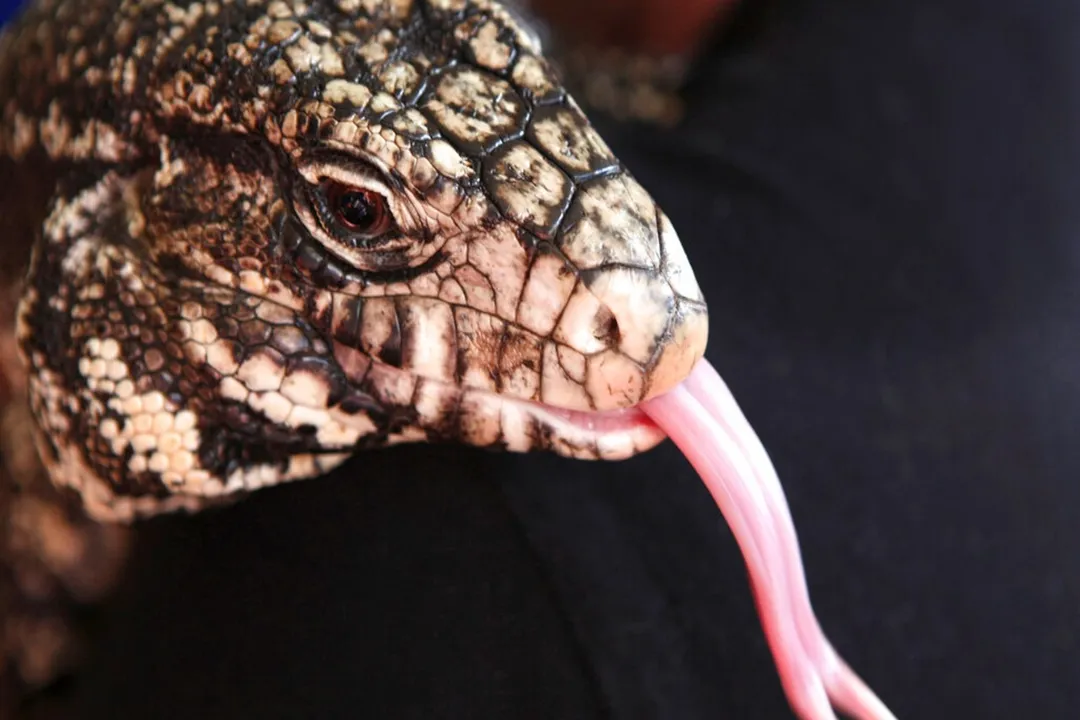
The legal status of keeping an Argentine Black and White Tegu as a pet is rarely straightforward, often differing significantly from state to state, and sometimes even within city or county lines. For enthusiasts considering one of these large, intelligent lizards, understanding where they are permitted—or explicitly forbidden—is the absolute first step, as the consequences for illegal possession can range from fines to confiscation. [8] The general framework for reptile ownership laws across the United States varies widely, frequently addressing concerns about public safety, animal welfare, and, most critically, the threat posed by non-native, invasive species. [4][8]
# Regulatory Complexity
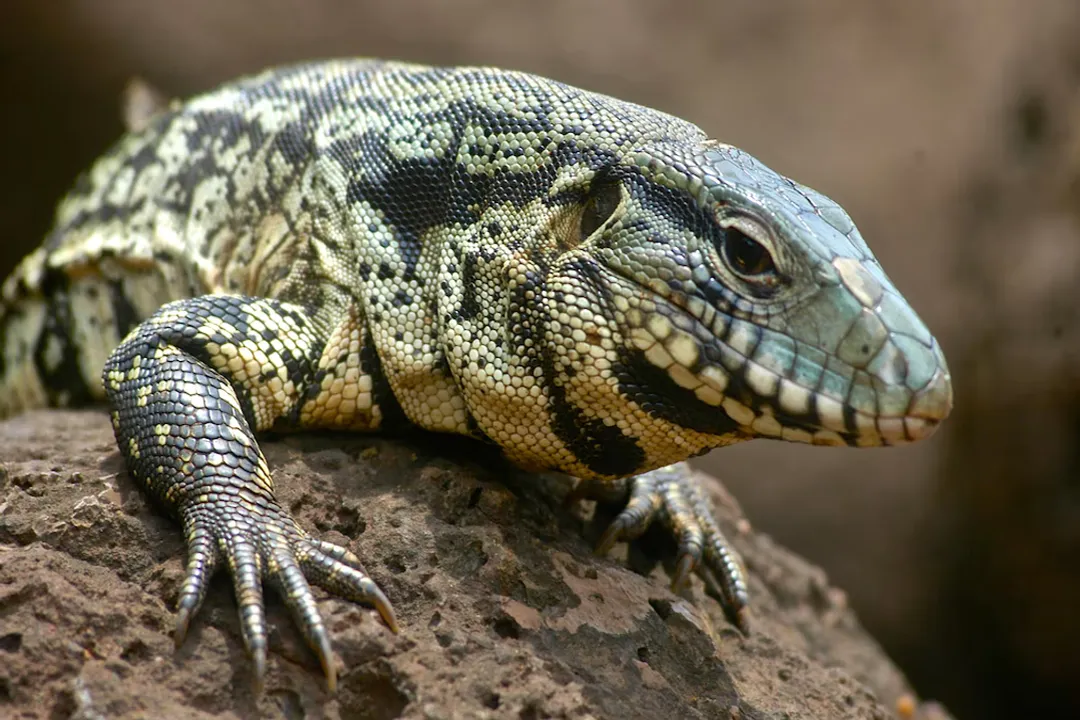
Laws concerning exotic pets are generally managed at the state level, though local jurisdictions often impose additional restrictions. [8] Some states maintain blanket prohibitions on large or dangerous reptiles, while others focus on specific species known to establish breeding populations outside of captivity. Tegus, particularly the Argentine Black and White Tegu, fall into the latter category for many Southern states due to their documented success as an invasive species. [5]
The USARK website serves as a common reference point for tracking these reptile ownership laws state by state, providing a crucial starting point for anyone looking to understand current regulations. [4] However, relying solely on a single source for such a fluid area of law is risky; state agencies responsible for wildlife management often have the final say regarding permits or outright bans for specific animals like Tegus. [4]
# Invasive Threats
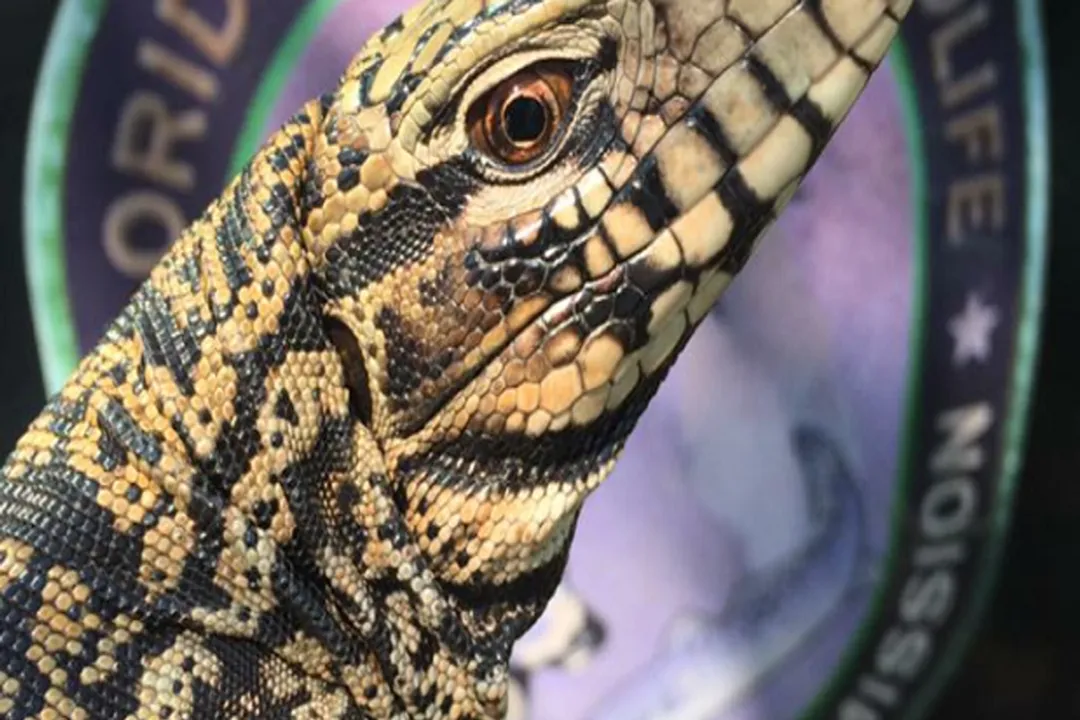
A significant driver behind restrictions on Tegu ownership is the escalating issue of established, non-native Tegu populations in the Southeastern United States. [5] These lizards, which can grow quite large, are highly capable of surviving and reproducing in the warm, humid climates prevalent in states like Florida, Georgia, and South Carolina. [3][5]
In Florida, the Argentine Black and White Tegu is officially classified as an invasive species by the Florida Fish and Wildlife Conservation Commission (FWC). [3] While the FWC provides profiles on the animal, the existence of a large established population naturally influences how private ownership is regulated, often emphasizing strict containment and prohibiting release into the wild. [3]
Similarly, in Georgia, Tegus are recognized as a significant threat to native wildlife, potentially preying on bird nests and small animals. [6] The Georgia Department of Natural Resources works to manage the existing population, and responsible ownership practices are paramount to ensure pets do not contribute to this problem. [6] Officials stress that releasing a Tegu into the environment is not only harmful to the ecosystem but is often illegal itself, which can lead to steep penalties. [6]
South Carolina has also experienced issues with established Tegu populations, prompting the Department of Natural Resources to actively manage and educate the public about the dangers of releasing these reptiles. [2] Agencies in these states frequently report capturing and humanely euthanizing escaped or released Tegus, reinforcing the severity with which they view unauthorized establishment in the wild. [2]

# State Possession Status
While a definitive, all-encompassing list without checking current state regulatory sites is difficult to compile from generalized sources, the pattern suggests a divide between states where ownership is generally tolerated with permits, and states where they are outright banned or severely restricted due to invasiveness concerns. [4][1]
States in warmer climates where Tegus can thrive naturally face the greatest regulatory hurdles. In some areas, ownership might be permitted only with specific licenses or permits, requiring proof of secure caging and financial responsibility for the animal. [4] For example, potential owners often research communities in states with generally more permissive reptile laws, such as those known for having warmer climates that match the Tegu’s natural habitat needs. [1]
Conversely, states outside the deep South, or those with stricter general exotic pet bans, may prohibit possession entirely. For instance, if a state classifies Tegus as inherently "dangerous" or lists them on a prohibitive "Schedule" of restricted animals, owning one without an extremely specialized, usually educational or research-based, permit would be illegal. [8] It is not uncommon for ownership to be grandfathered in for people who possessed the animal before a ban took effect, provided they meet strict registration requirements, though this is highly state-dependent. [4]
When researching legality, prospective owners should always verify the state's primary wildlife code and any local ordinances. A state might allow Tegus, but a specific municipality or county might have a separate ban on all non-domestic lizards over a certain size, creating an unexpected legal barrier for someone residing there. [8] This layered legal structure means that a simple "yes" or "no" answer often requires digging into two or three separate sets of rules.
# Responsible Pet Keeping Context
Even in states where Tegus are legal to own, the practical reality of keeping them often deters potential owners. These are not small pets that can be housed indefinitely in a 40-gallon tank. Argentine Black and White Tegus grow substantially, often reaching three to four feet in length as adults. [7] They require very large, custom-built enclosures that meet specific requirements for temperature, humidity, and security to prevent escape. [7]
The Jacksonville Zoo notes that owning a Tegu is a significant commitment, requiring substantial financial investment in housing and veterinary care, alongside an understanding of their specialized dietary and environmental needs. [7] The challenge isn't just keeping them alive; it's providing an environment that allows them to thrive without becoming a risk to the owner or the surrounding community should an escape occur. The fact that many reputable organizations actively discourage private ownership underscores the difficulty in keeping them securely contained, which directly feeds into the regulatory fear of invasive spread. [7]
If you are looking at states that generally permit large reptiles but have Tegu populations establishing themselves, you might find an unspoken consensus among long-time keepers that avoiding ownership is the best route to prevent contributing to the invasive problem. [2][6] The desire for exotic pets, however understandable, must always be weighed against the documented ecological damage caused by escapes or intentional releases. [5]

# Checking Local Rules
For anyone serious about Tegu ownership in a jurisdiction where it appears legal on a state level, the next step involves a detailed investigation into municipal or county codes. This level of detail is often overlooked by new owners, leading to citations even when state law appears favorable. For example, a county might prohibit any reptile over two feet in length from being kept within city limits, regardless of the state’s stance on invasive species management. [8] A practical approach involves contacting the local Animal Control office or the county's Department of Agriculture or Natural Resources directly, rather than relying on online forums or general reptile store advice, to confirm local zoning and pet ordinances specific to your address. [4] This due diligence is essential because local authorities are often the ones responding to escape reports and enforcing containment violations.
Ultimately, the answer to "What states are tegus banned in?" is a moving target based on evolving environmental concerns. While some states have clear prohibitions listed in their codes, others achieve the same effect through stringent permitting processes or by classifying the animal as an invasive threat that discourages ownership altogether, especially in the Southeastern United States where established wild colonies present a clear ecological risk. [3][5][6]
Related Questions
#Citations
What warm-ish states allow tegus? : r/Tegu - Reddit
New regulations will ban tegus, require current owners to register ...
Argentine Black and White Tegu - FWC
Reptile Ownership Laws by State - USARK
A dog-size lizard is threatening the U.S. South. Can it be stopped?
Argentine Black and White Tegus | Department Of Natural ...
Why You Shouldn't Have A Pet Tegu - Jacksonville Zoo
Exotic Animal Laws by State - FindLaw
Tegu lizards -- a large, invasive species -- are now illegal to ... - ABC11