What is the friendliest tegu species?
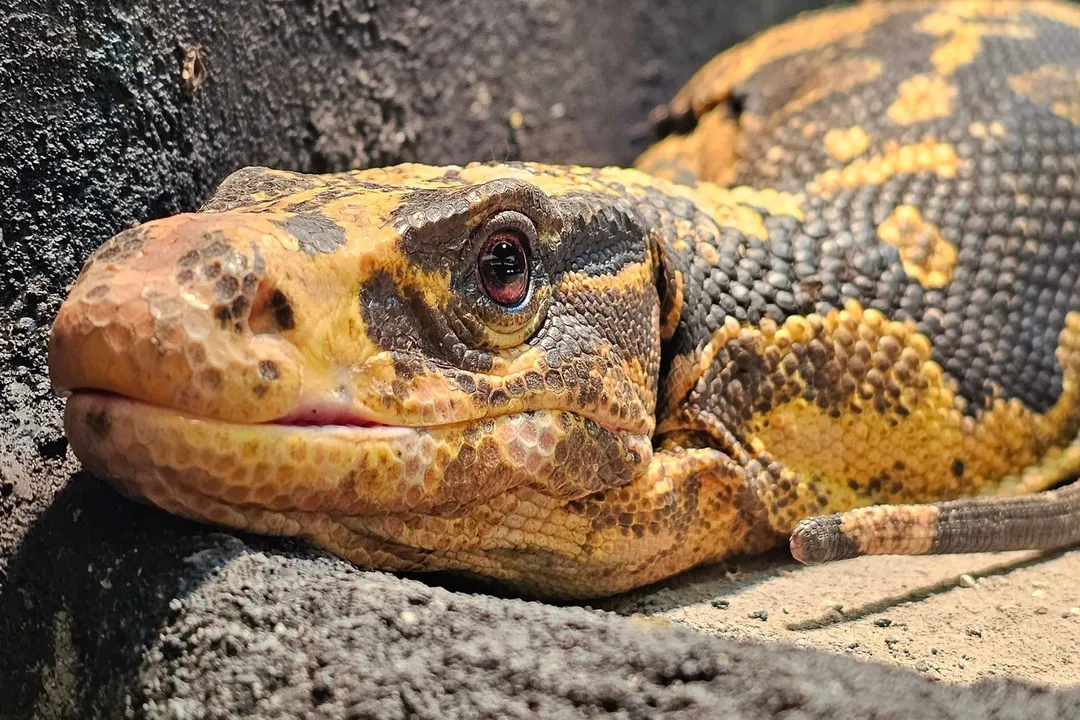
Choosing a tegu as a pet involves looking past their impressive size and appearance and focusing on temperament, as the potential for a calm, interactive reptile is a major draw for many enthusiasts. [1][5] While all large lizards require specialized care and commitment, the question of which species is the "friendliest" generally boils down to a comparison between the two most commonly kept pet varieties: the Argentine Black and White Tegu and the Red Tegu, with the Colombian Tegu also sometimes entering the conversation. [4][8]
# Argentine Comparison
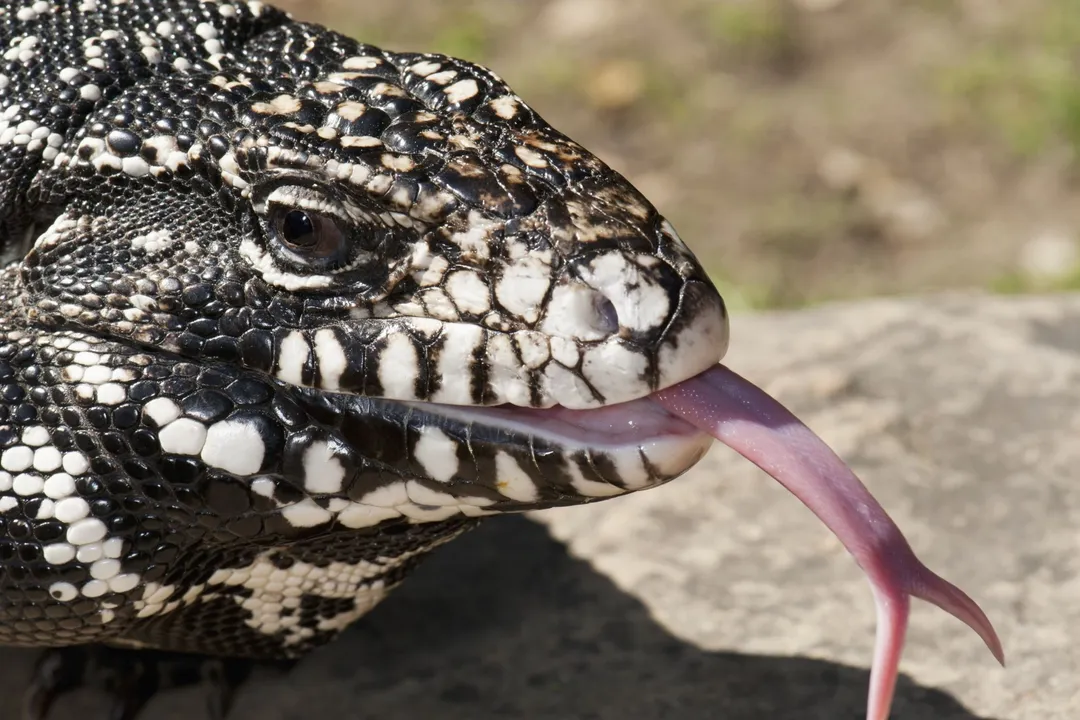
The Argentine Black and White Tegu (Salvator merianae) is arguably the most frequently discussed and kept species in the pet trade, often cited for its potential to become highly socialized. [7][9] Many keepers report that these lizards, when raised from a young age with consistent, positive handling, can become quite docile and even affectionate. [7] They are known for recognizing their owners and may even tolerate or enjoy being handled. [9] The level of interaction achieved can sometimes feel more akin to a demanding dog than a typical reptile, developing routines and clear personalities. [3]
However, it is vital to understand that "friendliness" in a tegu is heavily dependent on early socialization. A hand-raised hatchling has a much better chance of developing into a calm adult than one taken directly from the wild or an unhandled captive-bred juvenile. [1] Docility is not guaranteed by species alone; it is earned through consistent, patient interaction. [5]
# Red Tegu Temperament
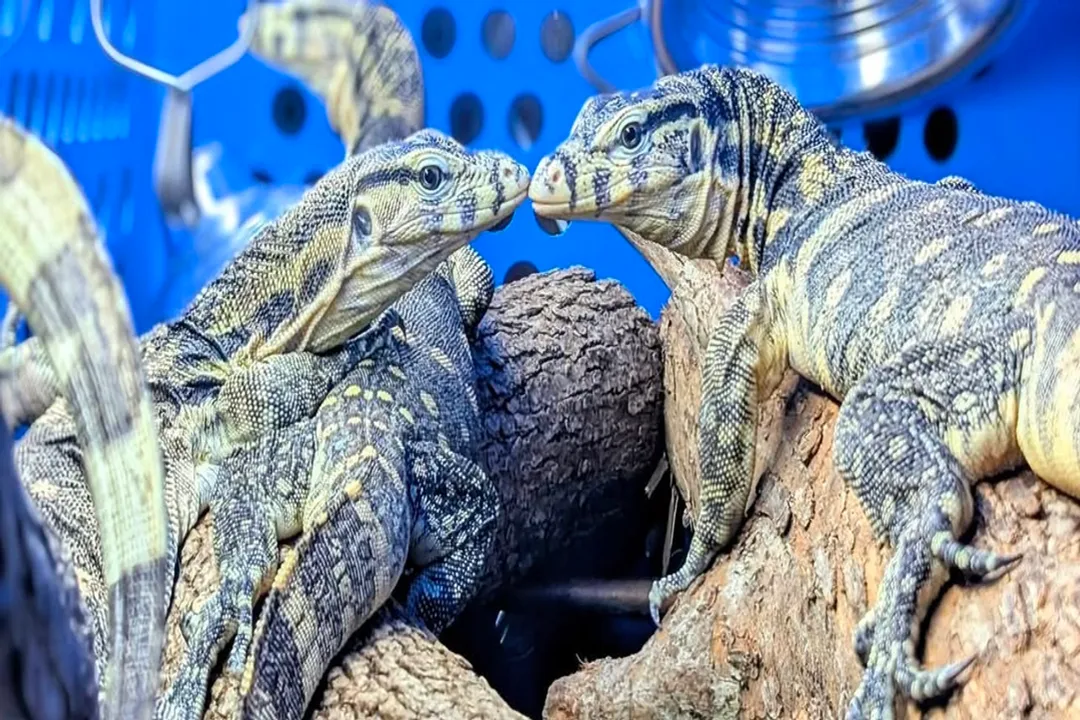
The Red Tegu (Salvator rufescens), known for its reddish coloration, is another popular choice, and its temperament is often compared directly to its black and white cousin. [8] Some anecdotal evidence and community discussions suggest that Red Tegus might lean slightly more toward being defensive or aggressive as juveniles compared to B&W Tegus raised under identical conditions. [2] This perceived difference in initial disposition often leads potential owners to question which species offers an easier path to a pet that enjoys interaction. [8]
When considering which species is friendlier, it often comes down to the starting point in temperament. While both species can become incredibly tame, the Red Tegu may present a slightly steeper initial learning curve regarding establishing trust and overcoming natural wariness. [2] Successfully taming a Red Tegu is rewarding, but prospective owners should be prepared for more assertive behavior during the initial bonding period compared to what some report experiencing with a B&W counterpart. [8]
# Colombian Inclusion
The Colombian Tegu (Tupinambis teguixin) is sometimes mentioned alongside the Argentine and Red species, but it generally does not share the same reputation for docility. [4] If the primary goal is achieving a calm, hand-tame companion, the Colombian Tegu is often advised against by experienced keepers. [1] Their temperament is typically described as significantly more flighty, defensive, or prone to biting when compared to their South American relatives, making them less suitable for someone seeking the friendliest pet tegu experience. [4]
# Species Comparison Table
To offer a quick reference point for potential keepers focusing purely on temperament, experienced keepers often group the species based on general handling reports:
| Species Name | Typical Juvenile Temperament | Potential Adult Docility | Common Management Note |
|---|---|---|---|
| Argentine Black & White | Curious, readily weaned to handling | High, often very personable | Generally seen as the benchmark for taming |
| Red Tegu | Can be more defensive/wary initially | High, but requires more patient initial work | May be slightly more flighty than B&W |
| Colombian Tegu | Very flighty, defensive | Low to moderate | Generally discouraged for first-time or handling-focused owners [4] |
When evaluating these points, remember that the sheer size and strength of any tegu mean that even a "friendly" one must be treated with respect and proper handling techniques. [1] A 4-foot lizard that is tame is still an animal capable of causing injury if frightened or mishandled. [5]
# Socialization Imperative
Regardless of whether you choose an Argentine Black and White or a Red Tegu, the single most important factor in determining friendliness is the owner's effort and the reptile's individual history. [1] Temperament is far more fluid than species classification suggests. A poorly handled Red Tegu will be far less friendly than an exceptionally well-socialized Argentine B&W. This means investing significant time in bonding, especially during the first year of ownership. [3]
One perspective commonly shared in keeper forums is that initial fear response dictates the difficulty level. A tegu that bites immediately when you reach into the enclosure requires a different, perhaps slower, approach than one that merely backs away. The key lies in creating positive associations—associating your presence with food, safety, and a lack of threat—repeatedly over time. [5]
It is worth noting the context of the source animal. If you are purchasing a tegu that has been bred in a large-scale facility with minimal individual attention, any species will require significant trust-building, even if the species generally has a docile reputation. A high-quality breeder who handles their babies frequently from a very early stage is often a better predictor of a friendly outcome than the species name on the invoice alone. [3] This breeder quality acts as an initial guarantee of potential, which the new owner must then maintain.
# Individual Variation Insight
While community discussions might lean toward favoring the Argentine Black and White Tegu for inherent docility, it's crucial to respect the reality of individual personalities within any species. For instance, one owner might find their male Red Tegu to be the calmest lizard they have ever owned, while another might have a particularly high-strung Argentine B&W counterpart. [2] This variation is a hallmark of keeping intelligent, complex reptiles. Think of it less as selecting a breed of dog known for a trait, and more like selecting a unique individual whose adult personality will solidify over the first couple of years based on environmental factors and interaction consistency. [1][5] Successful bonding requires accepting the individual animal in front of you rather than expecting a carbon copy of an ideal personality described online.

# Commitment to Care
A final element that contributes to a tegu’s perceived friendliness is proper husbandry. Stress from incorrect temperature, humidity, or enclosure size will inevitably lead to a defensive, unfriendly animal, regardless of species. [9] A tegu that feels secure in its environment—with adequate space to roam, appropriate basking spots, and a diet rich in varied nutrients—is a tegu less likely to display stress-related aggression. [4][7] If a tegu snaps or bites, the first step should always be a review of its captive environment before assuming the behavior is purely innate aggression. Ensuring humidity levels are correct, which is critical for proper shedding, can prevent discomfort that might manifest as irritability. [9]
In summary, when seeking the "friendliest" tegu, the Argentine Black and White generally holds the top spot based on collective keeper experience, offering the highest probability of a highly interactive pet when socialized correctly from birth. However, a dedicated owner can often produce an equally tame Red Tegu, though it may require more initial patience to overcome natural wariness. The Colombian Tegu is generally outside the running for the title of friendliest due to its more defensive nature. [4] The true key to a tame tegu lies not just in the genus or species, but in the quality of its earliest human interactions and the reliability of its long-term care setup. [1][5]
#Videos
Which Is The BEST Tegu Pet?! Argentine VS. Colombian ... - YouTube
Related Questions
#Citations
Should I Own a Tegu - Other Lizards
Which are more docile, Black and White Tegu's or Green Iguana's ...
Blue or black & white tegu personality comparison - Facebook
Salvator & Tupinambis Tegu Species - ReptiFiles
What Tegu Is Best For Me
Which Is The BEST Tegu Pet?! Argentine VS. Colombian ... - YouTube
Argentine Black and White Tegu | Zoology
What's A Better Reptile Pet, Red Tegu Or Black And White Tegu?
Argentine Black and White Tegus - The Spruce Pets