What is the most sought after ball python?

The search for the "most sought after" ball python is rarely settled on a single answer, as desire in the reptile community splits cleanly between sheer, breathtaking rarity commanding high prices, and broad accessibility appealing to the widest range of keepers. What one enthusiast considers the pinnacle of reptile aesthetics might be deemed too expensive or too common by another. The label hinges entirely on the observer's goals, whether they seek a stunning first pet, a foundation for future breeding projects, or an investment piece that few others possess.
# Popularity Metrics
To gauge what truly captures the community's attention, one must look beyond simple sales figures and consider availability, temperament, and genetic complexity. Ball pythons, or Python regius, boast hundreds of known morphs, each presenting a unique combination of colors and patterns. The market effectively sorts these into tiers: the readily available, the highly desirable, and the ultra-rare.
For many, the "most sought after" is synonymous with the most beautiful and well-tempered snake that fits a reasonable budget. This focus leads to an appreciation for established, vibrant morphs that are proven to be manageable for new owners. Conversely, for established breeders or collectors, the demand shifts toward combinations of genes that are notoriously difficult to produce, often resulting in price tags that can range from a few hundred dollars to sums reaching five figures. It is worth noting that the sheer volume of available morphs—estimated to be in the thousands—means that even a "normal" ball python can be cherished, especially if it possesses excellent confirmation and personality.
# Beginner Favorites
When looking at morphs frequently recommended for newcomers, a pattern emerges centered on traits that offer immediate visual appeal without the genetic complications or high cost associated with true rarities. These animals are widely available from reputable sources, often come with detailed lineage documentation, and are generally known for their docile nature.
Several morphs consistently appear on beginner-approved lists:
- Banana: A perennial favorite, the Banana morph brings soft yellow and lavender tones to the snake, often accompanied by an outgoing personality. One observation noted by experienced keepers is that while babies are stunning, bananas develop distinctive freckles as they mature, which is a change to monitor.
- Pastel: This gene brightens the yellows and softens the blacks, leading to a cleaner pattern. Pastels are frequently cited as excellent starting points for future breeding projects because of how well they combine with other genes.
- Leopard: Known for creating high-contrast, almost pixelated or spotted markings, the Leopard is visually striking and highly manageable for first-time keepers. It also serves as a building block for more complex designer combinations.
- Mojave and Butter: These morphs, along with Lesser, are highly sought after as they are key ingredients in creating the coveted Blue-Eyed Leucistic (BEL) complex. On their own, Mojave offers a rich brown and cream pattern, while Butter is often favored for a softer, lighter look without a significant price premium.
If you are beginning your collection, comparing the adult appearance of these popular choices is an excellent first step. For instance, a breeder suggested that a Super Pastel exhibits a pretty yellow-ochre coloration, making it an attractive, mid-tier option for those drawn to lighter shades but perhaps intimidated by the price of a true albino or axanthic.

# High-End Appeal
The pinnacle of "sought after" generally involves recessive genes or complex multi-gene combinations that limit availability. Certain morphs generate excitement precisely because they represent the cutting edge of genetic possibility, even if they carry known health caveats that might deter a purely pet-oriented buyer.
Morphs frequently mentioned in contexts of high desire or high price include:
- Pied (Piebald): This gene, which reduces dark pigment, is frequently cited as a favorite. Because of its striking appearance, it shows up in everything from budget-friendly single-gene pieds to incredibly expensive, high-gene combinations.
- Axanthic and Pied Axanthic: The aesthetic of the Axanthic—the silvery-grey coloring—is highly desired. The Pied Axanthic combination represents a significant level of collection achievement for some hobbyists.
- Killer Clown: This specific combination generates strong enthusiasm for its unique pattern structure.
- Coral Glow Leopard: This is another combination noted for its brightness and unique pattern structure, sometimes showing bright orange hues and freckles in its youth.
It is an interesting dynamic that the market values the potential of a snake—what it could produce if bred—as much as its current appearance. For example, a snake being sold as merely "possible" for a high-value gene, like a possible Enchi or Blade hidden in a discounted normal, can sometimes create more regret for a new buyer than the initial purchase itself, driving experienced keepers to buy directly from documented lineage breeders on specialized marketplaces.
# Genetic Concerns
Demand is frequently tempered by the ethical responsibility of the keeper, leading many to actively seek out morphs without problematic genes, which in itself dictates popularity. The Spider gene, despite its widespread use due to its dramatic effect on pattern, is frequently linked to the neurological condition known as "wobble". This concern leads many buyers, particularly those prioritizing the animal's quality of life, to actively avoid it, along with other genes like Champagne, Woma, Hidden Gene Woma, Super Sable, and Super Spotnose.
A responsible approach to seeking out sought-after snakes means researching potential negative correlations. While some argue that not every snake carrying the Spider gene will exhibit wobble, the possibility causes a significant portion of the market to look elsewhere. For the conscientious keeper, the most sought-after morph might actually be the one with the cleanest known lineage, free from genes that might compromise the animal’s movement or ability to thrive.
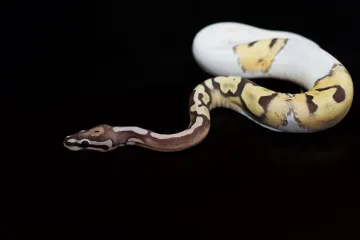
# Aesthetics Versus Age
A crucial element in determining long-term desirability is how the snake retains its visual appeal as it matures. The vibrant colors seen in hatchlings or young juveniles can often change drastically by adulthood, sometimes leading to disappointment.
Here is a general comparison of how some popular morphs age:
| Morph | Juvenile Appearance Note | Adult Trait/Change | Source |
|---|---|---|---|
| Axanthic | Silvery/light grey | Tends to darken and lose vibrancy | |
| Banana | Bright yellow/lavender | Develops distinct freckling | |
| Pastel / Lesser | Bright, clean color | Can "brown out" or fade with age | |
| Coral Glow | Bright orange | Can fade with age, though freckles remain |
A practical tip for any prospective owner is to always request or search for images of the specific morph as a mature adult snake before committing funds. Many morphs, like the Firefly (a combination of Fire and Pastel) or Pewter Ghost (Cinnamon, Pastel, Ghost), are admired because they tend to age more cleanly than others, maintaining a desirable brightness or contrast into maturity. Understanding this progression helps ensure that the morph that is sought after today remains sought after tomorrow in your collection.
Related Questions
#Citations
What morphs do you recommend? : r/ballpython - Reddit
Top 10 Beginner Ball Python Morphs - Ghost Constrictors