What does pastel do to ball python?
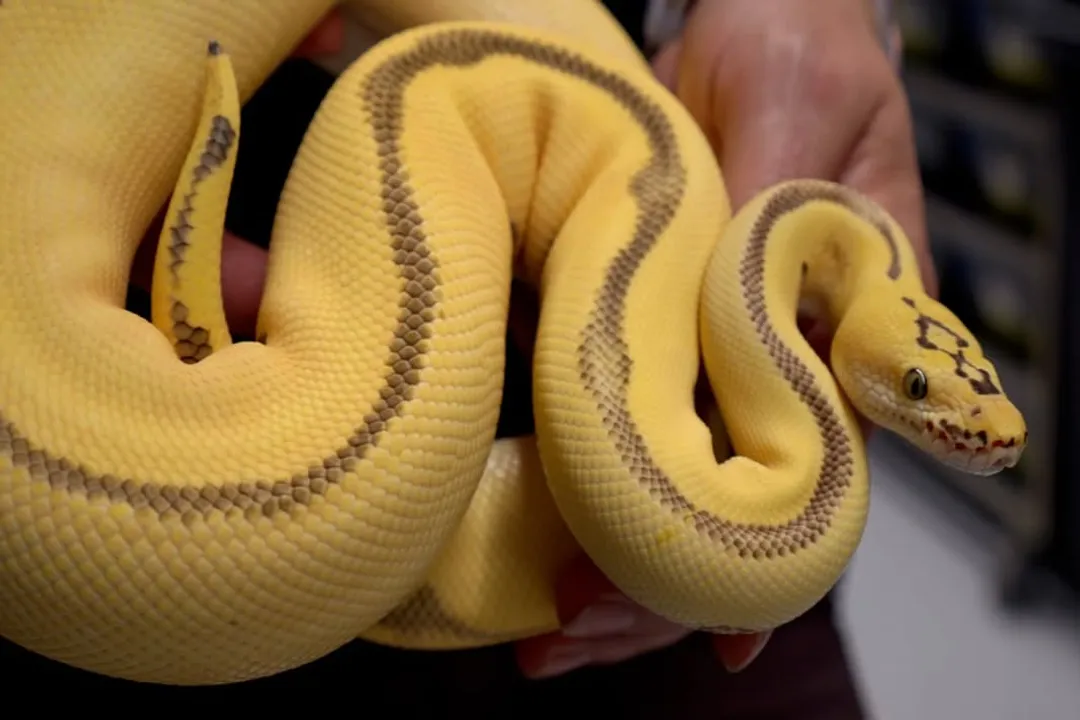
The Pastel gene represents one of the most foundational and frequently utilized genetic traits in the world of Ball Python breeding, immediately setting affected snakes apart from their wild-type counterparts through distinct visual shifts. When a Ball Python inherits this gene, the most noticeable change involves the pigments, specifically the melanin, which is the dark pigment responsible for the deep blacks and browns in a normal snake. Instead of the true black that characterizes a normal pattern, a Pastel Ball Python typically displays a significant lightening, often resulting in the darkest areas appearing as a rich, deep brown or chocolate hue.
# Visual Effects
This gene tends to promote a cleaner overall appearance for the snake. While the dark pigment is reduced, the overall coloration is brightened, sometimes lending the snake a noticeable yellowish cast to its base color. The reduction in dark pigment also frequently affects the pattern definition itself. In a single-gene Pastel, the pattern might look somewhat subdued or less sharply contrasting compared to a snake without the gene, as the deep, dark outlines are softened. Furthermore, the sides of the snake, often marked by the transition from the dorsal pattern to the belly color, might exhibit lighter coloration or distinct speckling. It's this combination of brighter base colors and softened darks that has led many enthusiasts to consider the Pastel an essential "designer" element in morph creation.
# Gene Status
Understanding how the Pastel gene works genetically is key to appreciating its widespread use. The Pastel gene is classified as a co-dominant trait, sometimes also referred to as incomplete dominant. This genetic mechanism dictates how the trait expresses itself based on the number of copies the snake inherits. If a snake inherits one copy of the Pastel gene, it will display the heterozygous visual characteristics described above.
# Genetic Expression
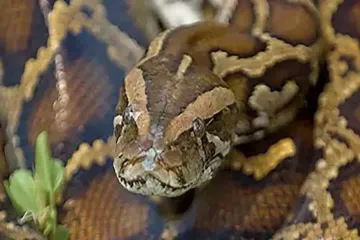
The expression is directly tied to inheritance. If a snake receives one copy, it is a single-gene Pastel. However, if a breeder pairs two Pastel Ball Pythons together, the resulting offspring have a chance of inheriting two copies of the gene, resulting in what is commonly termed a Super Pastel (or Pastel Homozygous).
Visually, the Super Pastel takes the aesthetic changes further than the single Pastel. Because there are two copies of the gene acting upon the pigment, the visual effect is intensified. Super Pastels are typically even brighter than their single-gene counterparts, and their pattern tends to be much more reduced or broken up, creating an extremely clean and highly desired look. This clear distinction between the single-gene and the visual 'Super' form is a distinct characteristic of co-dominant genes, offering breeders two slightly different visual endpoints from one genetic building block.
If you are looking at a juvenile snake that is just starting to show color development, distinguishing a single-gene Pastel from a snake that possesses a heavy yellow base from another gene, like Fire, can sometimes be tricky based on brightness alone. However, the key differentiator with the Pastel is not just how bright it is, but what color the dark areas settle into. Pay close attention to whether the deepest pigmentation settles into a milk chocolate brown rather than true black; this chocolate shift is the hallmark of the Pastel gene's action on melanin, which is less pronounced or absent in some other "brightening" genes. A helpful way to think about it is that Pastel acts more like a color modulator for the darks, turning them brown, while other genes might act more as a direct pigment reducer, leaving cleaner white or yellow separation.
# Breeding Value
The reason Pastel is consistently cited as "everyone's favorite gene" is not just because of its attractive single-gene appearance, but because of its incredible versatility when combined with other traits. Co-dominant genes are highly valued in the breeding community because they allow for predictable visual outcomes in the offspring generation after generation.
When you cross a Pastel with another gene, such as Leopard or Clown, the resulting combo morph usually expresses the visual characteristics of both genes, often enhanced by the Pastel's clean base coat. For example, a Pastel Jungle Ball Python showcases the patterning disruptions of the Jungle gene combined with the color brightening effects of the Pastel, yielding a visually complex reptile that is distinct from either gene alone. This compounding effect means that the Pastel acts as a foundational ingredient in creating many of the most sought-after designer morphs available today. Breeders often look to include it in projects specifically to "clean up" or enhance the color saturation of the recessive genes they are working with.
# Combination Example
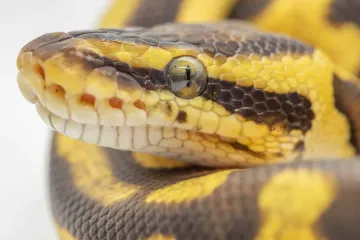
A classic demonstration of the Pastel's power is seen when it's combined with genes that affect pattern structure, such as the Jungle morph. A standard Jungle Ball Python has an interesting, somewhat broken pattern, but the colors can remain dark. Introducing the Pastel gene alongside Jungle results in a Pastel Jungle, where the pattern disruption remains, but the overall color pallet shifts dramatically brighter, with the darker areas turning brown. This synergy highlights why the Pastel is so critical; it doesn't just add a layer of brightness, it seems to work with other pattern-altering genes to refine their presentation. The ability to select for a Super Pastel and combine that with another co-dominant gene opens up breeding paths that quickly diversify the look of the offspring, allowing breeders to isolate specific color and pattern combinations across generations with relatively high certainty.
To truly understand the impact, consider the simple math of a single-gene pairing. If you breed two single-gene Pastels, you are mathematically guaranteed to produce:
- 25% Normal (no Pastel gene)
- 50% Pastel (one copy)
- 25% Super Pastel (two copies)
This predictability, combined with the visual appeal, solidifies the Pastel's status as a cornerstone gene in the Ball Python hobby. For a new keeper considering their first genetically modified pet, choosing a single-gene Pastel offers a stunning animal that requires no special environmental modifications beyond standard husbandry, as the gene does not typically introduce complex health or enclosure requirements that some other specific morphs might.
#Videos
All about pastel ball pythons! Look, combos, what they can do!
Morph Guide #1: The Pastel Ball Python - Benjamin's Exotics
11 reasons why having Pastel in your Clown Ball Pythons is a ...
Related Questions
#Citations
Pastel - Morph List - World of Ball Pythons
All about pastel ball pythons! Look, combos, what they can do!
It's everyone FAVORITE gene… Pastel! This week we wanted to ...
Differences Between Pastel and Super Pastel Ball Pythons | TikTok
Ralph Davis Reptiles - Collection - Ball Pythons - Pastel Jungle
What's up with pastels : r/BallPythonMorph - Reddit
How are Pastel Ball Pythons made?