What is the most sought after ball python morph?
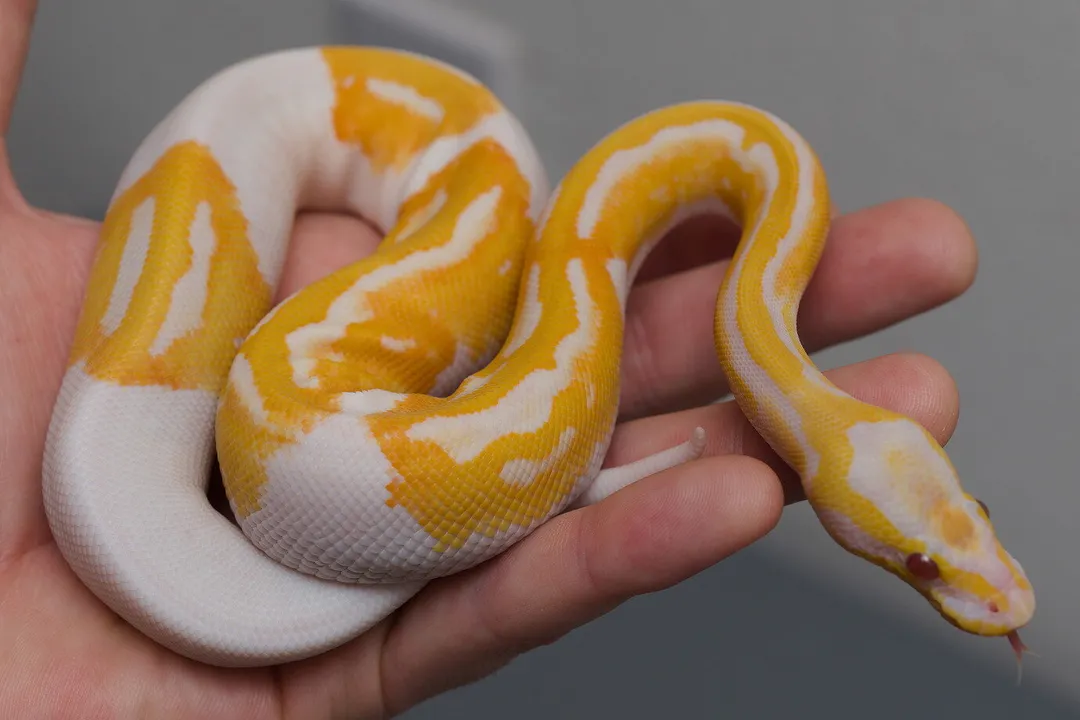
The title of "most sought after" in the ball python world is never settled, largely because "sought after" can mean the most expensive, the rarest, the most beautiful, or simply the most commonly purchased. Unlike some areas of the pet trade where a single animal might dominate headlines, ball python genetics create a spectrum of desirability. What one keeper considers a lifetime goal—perhaps an ultra-rare recessive—another might prioritize for its ease of breeding or its striking visual appeal in common combos.
# Defining Desire
Discussions among keepers frequently revolve around value and visual impact. If the metric is sheer dollar value or breeder exclusivity, certain recessive or complex co-dominant traits rise to the top. For instance, the Clown morph consistently surfaces in conversations about high-value snakes, often cited in discussions about rare or expensive animals. High-end combinations involving Clown, such as Pastel Clown or lesser-known recessive pairings, can command significant prices, making them highly sought after by serious investors and seasoned breeders.
Conversely, many keepers define "sought after" by what they see most often in collections or at reptile expos because of their successful pairing potential or immediate aesthetic draw. Morphs that are established, easy to work with, and produce vibrant babies are always in high demand, even if they are no longer considered "rare". This often brings traits like Pastel, Spider, Mojave, and Banana into the conversation, as these genes are foundational to creating thousands of stunning designer morphs.
If we look purely at perceived rarity or novelty, genetic traits like Genetic Stripe or animals exhibiting specific complex recessives like Sunset sometimes generate buzz due to their dramatic visual differences from the normal wild type. However, rarity often equates to higher initial cost, which naturally limits how many people can actively seek them out compared to more common, albeit still beautiful, single-gene morphs.
# Top Contenders
While definitive, real-time market data across all sellers is hard to compile, community forums highlight several perennial favorites that consistently draw attention and high interest.
# Recessives High Value
For those focused on the high end of the market, the most sought-after often involve recessive genes that require careful breeding projects to produce. The Clown gene is a recurring favorite. Its distinct pattern and color shift make it desirable, and when combined with co-dominants, the resulting animals are often visually stunning and retain significant value. The expense associated with Clown can be substantial, sometimes pushing multi-gene animals into the thousands of dollars, which naturally increases their desirability among those looking for investment potential.
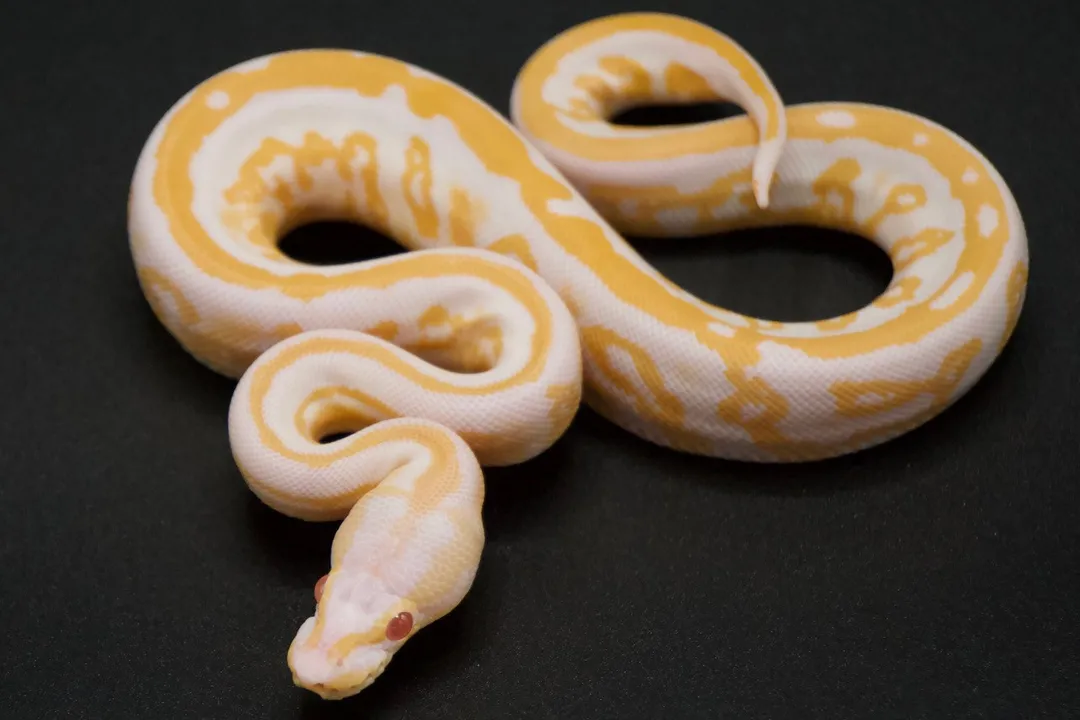
Another group that generates interest includes specific albino variations, such as Lavender Albino, which present a dramatic change in coloration. In these circles, the most sought-after animal isn't just about pattern, but a complete chromatic overhaul.
# Co-Dominant Staples
The true workhorses of the ball python morph market, and arguably the most commonly sought after by the majority of buyers, are the co-dominant morphs that look fantastic on their own or pair well with recessives.
- Pastel: This gene is extremely popular because it brightens the overall snake, cleans up the patterning, and is relatively inexpensive and widely available.
- Spider: Known for its drastically reduced patterning and clean look, the Spider is a foundational gene, though keepers must be aware of the potential for neurological wobble associated with it.
- Mojave: A variation of the Blue-Eyed Leucistic complex, Mojave is highly desirable for its visual appeal and its role in creating various "Lucy" combinations.
- Banana/Coral Glow: This trait imparts distinct yellow or pinkish hues and spotting, making it an instant visual hit for many new and experienced keepers.
It is interesting to note that the "most sought after" often shifts based on the current trends influencing major breeders. A new, complex interaction between two lesser-known genes can briefly capture the market's attention, only to settle back down as the established greats like Clown or Pied remain the long-term goal for many breeders. The ability to produce a visually striking snake affordably, like a simple Enchi or Leopard combo, often makes those morphs more accessible sought-after pets than a single-gene, extremely high-end recessive.
# Practical Considerations for Keepers
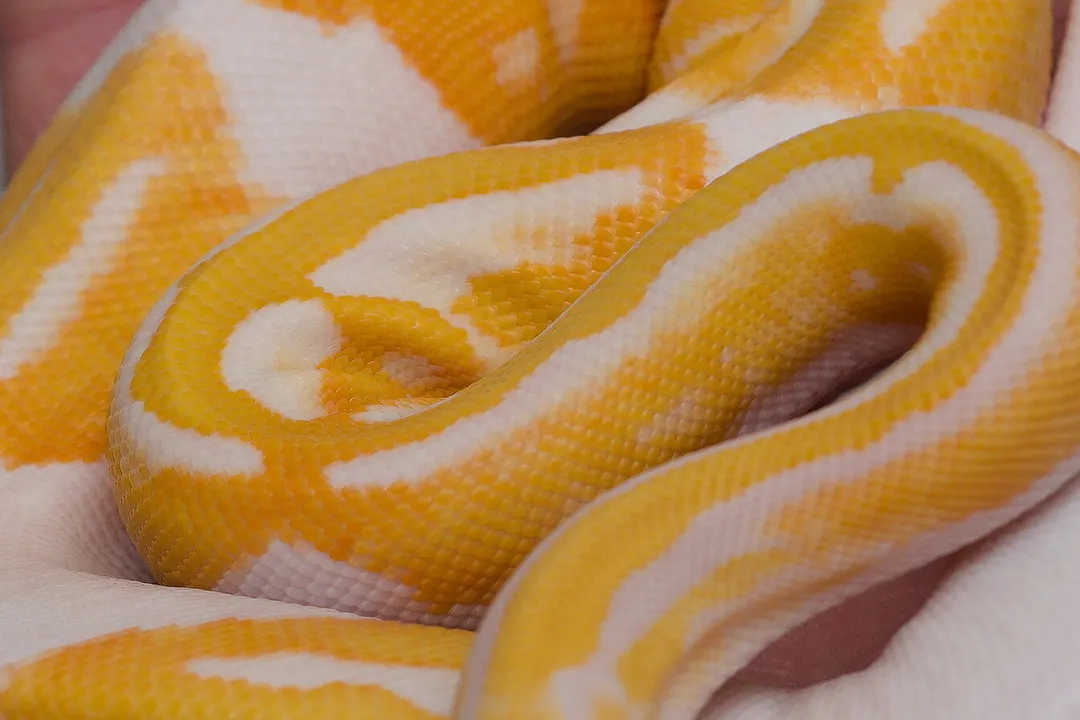
When a potential keeper starts looking for "the best" or "the most wanted" ball python, they often overlook the practical implications of genetics, especially when dealing with the high-end market. A significant consideration when pursuing the rarest morphs is the potential for associated genetic issues. For instance, keepers often discuss the "wobble" in Spider morphs. While most keepers agree that even a wobbly Spider is a beautiful snake, one must decide if they are comfortable owning or producing an animal with a known neurological trait. This decision directly influences what an individual keeper ultimately deems "sought after."
For someone just entering the hobby, chasing the rarest morph is generally ill-advised. A far more rewarding initial experience often comes from selecting a visually appealing, genetically simple morph that has proven hardy in captivity. For example, a well-bred Pastel or Enchi can be acquired for a reasonable price, providing a satisfying, healthy animal that is easy to care for and still looks fantastic compared to its wild-type counterpart.
If you are evaluating a potential purchase based on community buzz, it is wise to treat any initial price tag as a starting point, not a fixed value. One valuable perspective gaining traction among experienced hobbyists is that the proven breeder status of any sought-after animal dramatically alters its worth. A female Leopard that has already produced clutches of high-value combos is far more sought after by an established breeder than an unsexed, unproven male of the same simple morph, even if the latter cost more initially.
# Market Flow and Entry Points
The structure of the ball python market means that what is "sought after" by a hobbyist buying their first snake is usually different from what a multi-decade breeder is trying to achieve.
# Beginner Favorites
For those seeking a high-quality first snake, community consensus frequently points toward morphs that are known to be visually distinct yet readily available and generally robust. The Banana (or Coral Glow) morph is often recommended because it offers vibrant color contrast at a manageable price point. Similarly, simple Enchi often provides the desired enhancement—a visual "clean-up" effect—without breaking the bank. A quick check of community posts often reveals newer keepers asking about affordable, beautiful options, and these specific single genes or simple two-gene combos like Pastel Lesser always appear as solid entry points.
# The "Rarest" Spectrum
When the discussion moves to the truly rare, the conversation often involves visual traits that are the result of years of selective breeding for recessive genes. While Clown remains prominent, other highly sought-after morphs mentioned in these high-end circles include the Pied (Piebald) morph, known for its dramatic white spotting, and Genetic Stripe, which creates a nearly solid, clean line down the animal’s back. Breeders often speculate on the next big recessive hit, but the market has consistently proven that traits that are visually distinct and have proven breeding success (like Clown) maintain their status longer than fleeting trends.
An original observation from tracking these community desires is that the true measure of a morph's longevity in the "sought after" category is its ability to combine well with the co-dominant staples. A recessive trait that looks spectacular paired with a Pastel Spider is far more likely to remain a long-term goal than one that only looks good in its pure form. The market rewards versatility.
# Investment Strategy Commentary
For those interested in the financial aspect, chasing the absolute rarest morph is high-risk, high-reward. However, a more stable, though less sensational, approach involves acquiring proven female carriers of common recessives like Clown or Pied. This strategy mitigates the risk of waiting years for a pairing to produce the desired outcome. Acquiring a female that is het (heterozygous) for a recessive trait, or even one that is visually expressing a highly desired co-dominant combo like a Banana Pastel, positions a keeper well to participate in the higher-value breeding market without the initial strain of purchasing the absolute pinnacle animal.
Ultimately, the "most sought after" ball python morph is less about a single snake and more about a collection of desirable genetic traits that appeal to different segments of the community, whether they value aesthetic novelty, proven breeding history, or relative affordability for a new pet.
#Videos
The 10 Most Popular Ball Python Morphs!
Related Questions
#Citations
What is your rarest morph, if not rare most expensive
Most Popular Ball Python Morphs | Top 10 Must See!
What morphs do you recommend? : r/ballpython
The 10 Most Popular Ball Python Morphs!
What's the most popular Ball Python morphs on the market?