What is the hot spot for a blood python?
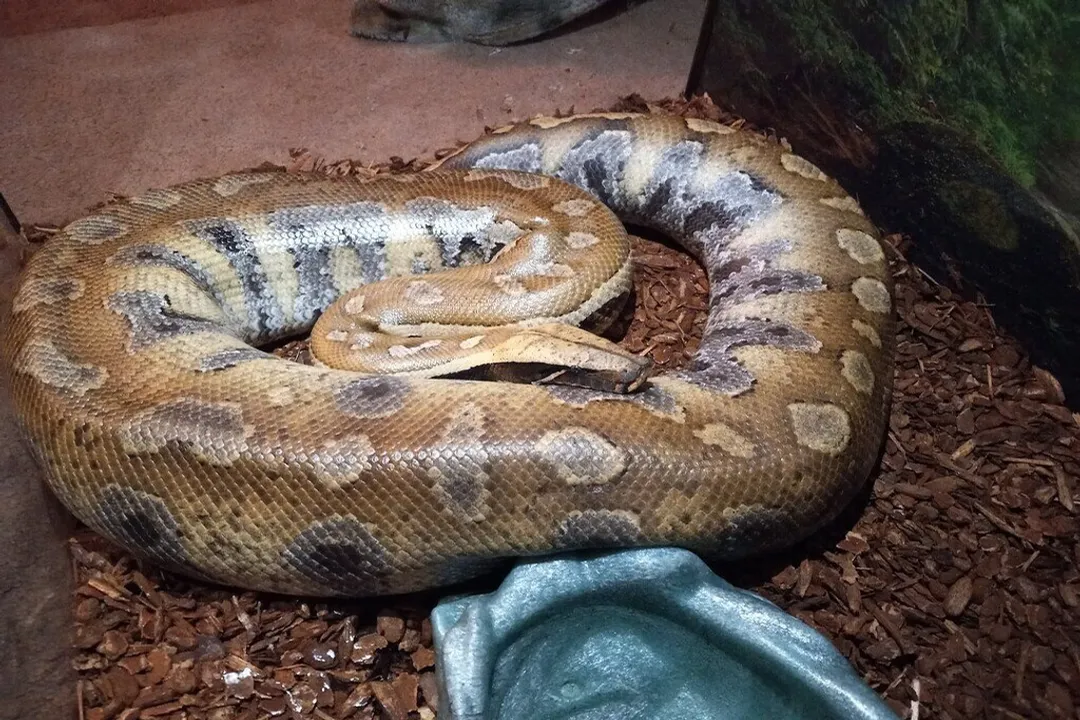
The correct environmental setup is perhaps the most critical factor when keeping Python curtus, the Blood Python, ensuring they remain healthy, digest properly, and exhibit natural behaviors. These heavy-bodied, terrestrial snakes rely heavily on creating a precise thermal gradient within their enclosure to manage their body temperature, a process essential for almost every metabolic function. [7] Getting the "hot spot," or basking area, calibrated correctly isn't just about hitting a number; it's about providing options for the snake to self-regulate its internal temperature effectively. [4]
# Target Temperatures
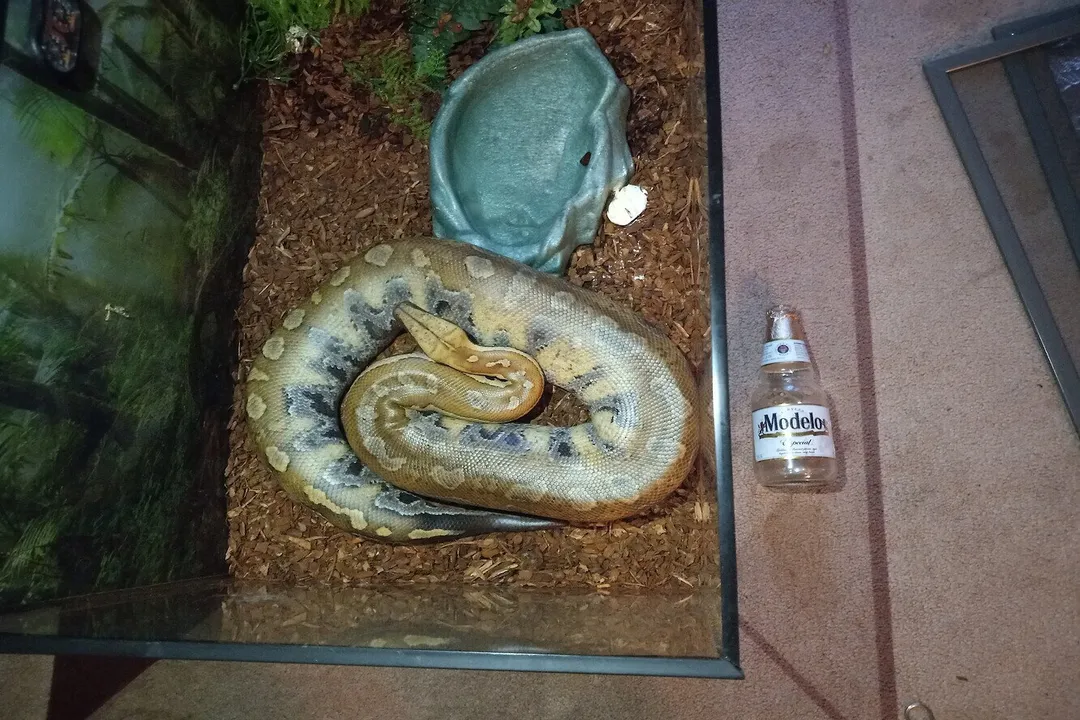
Establishing the proper temperature for a Blood Python involves setting specific parameters for the hottest area, the ambient air temperature on the warm side, and the cooler side of the enclosure. [1] Discrepancies in reported numbers exist across various keepers and sources, which often reflects differences in measurement techniques—whether measuring the air, the surface directly under a lamp, or the surface under substrate. [4]
For the focal hot spot, the ideal surface temperature for an adult Blood Python is generally cited in the range of 88°F to 92°F (approximately 31.1°C to 33.3°C). [1][3] Some experienced keepers might push this slightly higher to 93°F, but staying within that narrow 88°F to 92°F window is usually recommended for consistent health and digestive success. [4][7] This is the specific location where the snake will retreat to absorb the maximum amount of heat necessary for digestion after a meal. [7]
The surrounding ambient air temperature on the warm side of the enclosure should be maintained slightly lower, typically around 82°F to 85°F (27.8°C to 29.4°C). [1][3] This difference between the surface temperature (the hot spot) and the air temperature above it is crucial; the snake needs to choose the specific spot that meets its current need, whether that’s direct radiant heat or warmer air movement. [4]
# Heat Source Choice
How you achieve that primary hot spot is subject to ongoing discussion among python enthusiasts, primarily boiling down to under-tank heaters (UTHs) versus overhead heating elements. [1][3]
Under-tank heating pads provide belly heat, which is sometimes argued to be the most natural method for terrestrial snakes that spend time burrowed slightly into the substrate or resting on warm ground. [3] However, if using a UTH, meticulous control is mandatory. A UTH must be connected to a reliable thermostat to prevent surface temperatures from soaring dangerously high, which can cause severe thermal burns. [1][4] When employing UTHs, the depth of the substrate covering the pad becomes a significant factor in determining the actual temperature felt by the snake on the surface above it. [1]
Overhead heating, using devices like ceramic heat emitters (CHEs) or basking bulbs, heats the air and radiates down onto the snake. [1] CHEs are popular because they produce heat without visible light, which can be beneficial if you wish to maintain a day/night cycle using only a low-level red or deep blue light for night viewing, though many keepers simply turn all lights off at night. [3] Basking lamps are excellent for providing a focused beam of heat, mimicking the sun, which helps generate that specific hot spot, but they primarily affect air temperature unless positioned very close to the substrate surface. [1] Regardless of the method, the consensus is clear: never use a heat source without a thermostat for precise regulation. [1][3][4]
# Temperature Range
While the hot spot is paramount, its existence is only one half of the equation; the other half is the necessary cool side. [7] Blood Pythons, like most reptiles, are ectotherms and must move between thermal zones to manage their metabolism. [4] If the entire enclosure is kept at the high end of the acceptable range, the snake has no place to go to cool down, leading to chronic stress or overheating. [7]
The cool side of the enclosure should provide an ambient air temperature ranging from 75°F to 78°F (23.9°C to 25.6°C). [1][3] This range allows the snake to slow down digestion or simply rest without expending excess energy trying to cool off. When mapping out the enclosure, you are creating a thermal gradient where temperatures smoothly transition from the 88°F–92°F hot spot down to the 75°F–78°F cool zone. [4]
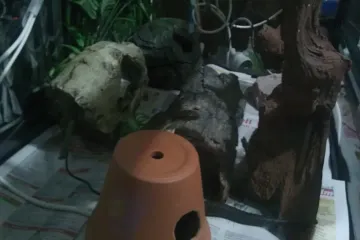
A practical application of this gradient principle can be seen when setting up hides. It is beneficial to place one hide directly over the hottest point (the hot spot) and another hide on the cooler side of the enclosure. This forces the snake to make a conscious choice between maximum heat absorption and finding a secure, cooler retreat. [7]
# Evening Drop
The natural environment experiences a temperature shift when the sun sets, and replicating a moderated version of this is beneficial for overall health, though it should not be drastic. [1] Many keepers reduce the ambient temperature by about 5°F to 10°F during the night period. [4] If your daytime ambient temperature is set to 82°F to 85°F, allowing the temperature to settle into the low to mid-70s°F overnight is acceptable and often preferable. [1]
It is important to ensure that the hot spot itself does not cool down too much, even at night, unless the goal is specifically to provide a deep overnight rest period, which some keepers do for established, non-reproducing adults. [4] If using a thermostat-controlled radiant source (like a CHE), you can program the thermostat to lower its target point by a few degrees after the main lights turn off. However, if you are solely relying on UTHs or ambient basking lights that turn off completely, the temperature will naturally fall towards the ambient room temperature, which for most homes will fall within the safe low 70s°F range. [1]
# Setup Checklists
Successfully setting up the habitat means managing heat alongside humidity. Blood Pythons prefer moderate to high humidity, often cited between 60% and 80%. [3][7] Temperature and humidity are intertwined: hotter air holds more moisture, but if heating is too intense and drying, humidity will plummet, potentially leading to shedding issues. [3] Therefore, the placement of your heat source should not directly blast the water bowl, which could cause rapid evaporation and spike humidity erratically. [7]
When you initially test a new enclosure, an infrared temperature gun is an invaluable tool. You cannot rely solely on the dial of the thermostat or the reading from a digital thermometer probe placed in the middle of the enclosure. [1] You must physically map the floor. Place the probe on the cool side, the warm side, and directly over the intended hot spot, measuring the surface temperature through the substrate if you intend for the snake to sit there. [1] If you are running a UTH at 90°F, but the substrate is several inches deep, the surface temperature might only register 82°F, meaning your hot spot is inadequately warm for effective digestion. [4]
One observation often made by keepers new to the species is the tendency for Blood Pythons to become lethargic or refuse food if the temperature gradient is too shallow (i.e., the cool side is too warm or the hot spot is too cool). They seem much more sensitive to minor thermal deviations than some of their larger python cousins, quickly moving to hide if they cannot find the correct thermal band. [2][5] Ensuring that the transition zone—the area between the warm ambient and the cool ambient—is wide enough for slow exploration can sometimes encourage a more active, less stressed animal. [6] While a specific ambient temperature goal of 80°F to 82°F is often mentioned for juveniles, it’s the gradient that allows the snake to decide if it needs to be at 82°F or seeking the 90°F surface elsewhere in the enclosure. [3]
# Measuring Accuracy
The reliability of your monitoring equipment directly impacts the snake’s welfare. Cheap stick-on analog thermometers are notoriously inaccurate for reptile care and should generally be avoided for monitoring critical temperatures. [4] You need digital thermometers with probes that can be placed at different strata: one probe measuring the air temperature on the cool side, another on the warm side, and ideally, a third probe or an IR gun dedicated to checking the surface temperature of the designated hot spot. [1] A reliable thermostat is the only way to ensure the heating element itself maintains the set point, but the measurement device dictates what that set point should be. [3] For instance, if you want a 90°F surface hot spot using a UTH, you might need to set the thermostat probe on the UTH surface to 95°F if the substrate is thick, requiring careful, patient testing until the surface temperature reads correctly. [1] This necessity for precise, multi-point measurement highlights why setting up the thermal environment requires more attention than simply plugging in a heat lamp. [4]
#Videos
Blood Python Care and Maintenance - YouTube
Related Questions
#Citations
Heating - Bloodpythons.com
What are the temperature and humidity requirements for blood ...
I need help with my blood python! : r/snakes - Reddit
BLOOD PYTHON FAQs & CARE INFORMATION
Blood and Short-Tail Python Care and Information - KP Exotic Pets
Thermal gradient for blood pythons - Reptile Forums
Blood Python - ReptiChip LLC
Blood Python Care and Maintenance - YouTube
Opinions/Advice on new Blood Python Health