Do spotted pythons like to be held?
The temperament of a Antaresia maculosa, commonly known as the spotted python, regarding being held is a question that rarely yields a simple yes or no answer. Much like many small python species, their willingness to be handled seems highly dependent on the individual snake's life experiences, particularly early socialization, and the owner's patience and approach. [1][9] They are not instinctively pets that seek out interaction in the way a dog might; rather, they are snakes that tolerate handling once trust and routine are established. [7]
# Temperament Base
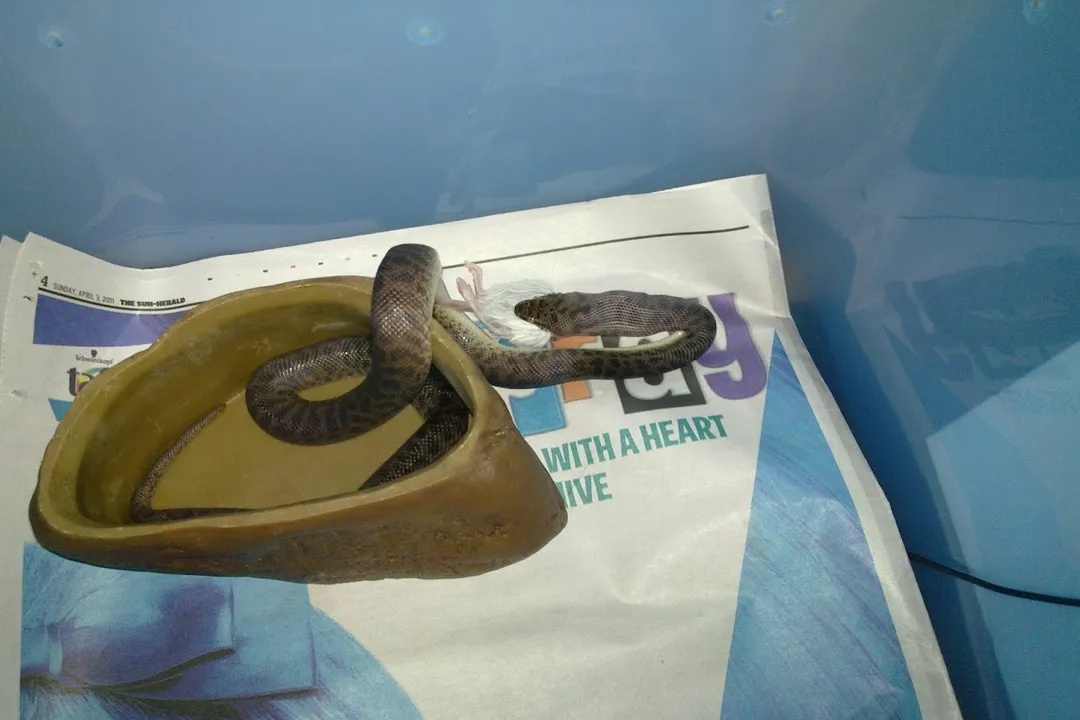
Spotted pythons are often recommended for those new to snake keeping due to their manageable size, typically reaching lengths under five feet, often closer to four feet for females. [6][8] Despite this beginner-friendly status, it is crucial to understand that young or newly acquired spotted pythons often exhibit defensive behaviors. [4] This defensiveness manifests as a willingness to strike or the production of a foul-smelling musk when feeling stressed or threatened. [2][3]
For a snake that has not yet formed a bond with its caretaker, these initial reactions are common defensive posturing. They are often employing a bluff strategy—trying to look and act much scarier than they actually are—to convince a perceived predator to leave them alone. [2] Experienced keepers understand that this behavior, while startling to a novice, is usually a sign of fear or insecurity rather than inherent aggression against humans. [3] If a snake constantly balls up defensively or attempts to strike when the enclosure is opened, it is a clear signal that the environment is unsettling or that the snake simply needs more time to adjust. [1]
# Acclimation Time
The single most important factor overriding the question of "liking to be held" is allowing the snake adequate time to settle in. When a spotted python arrives in a new environment, it is under significant stress from transport and the change in surroundings. [4] Introducing handling too soon is a near-guarantee of negative experiences for both the snake and the owner, often resulting in the snake becoming even more defensive. [8]
Most reputable sources strongly advise against handling for at least the first week, sometimes longer, after bringing a new python home. [4][7] During this period, the snake needs to establish its thermal gradient, find its preferred hiding spots, and, critically, take its first meal in the new enclosure. [8] If a snake refuses food, handling should be postponed entirely, as excessive stress can lead to regurgitation or continued appetite loss. [4]
A practical way to approach the initial bonding phase is to adopt a slow, non-intrusive schedule. When a keeper is certain the snake has eaten successfully at least once or twice in its new habitat—indicating it feels secure enough to digest—handling can begin minimally. One helpful, though not universally published, way to structure this is to allow handling only during routine maintenance checks initially, perhaps for a minute or two, focusing only on moving the snake from one hide to another if necessary, rather than prolonged cuddling sessions. This gentle introduction helps the snake associate human presence with neutral or low-stress events, not just being pulled out for an activity it doesn't understand yet. [1]
# Handling Methods
When the time comes to introduce regular handling, the technique employed by the keeper significantly influences the snake's long-term tolerance for being picked up. [2] Spotted pythons, being relatively small, should always be supported completely when removed from their enclosure. Never pull a snake out by its tail, as this can cause injury or severe stress. [5]
Instead of grabbing the snake from above—a motion that mimics a bird of prey—approach from the side or underneath, allowing the snake to move onto your hand voluntarily if possible. [2] Use slow, deliberate movements. When you do lift the snake, support its midsection and allow it to wrap gently around your hand or forearm. Constant repositioning or excessive squeezing will trigger defensive responses in most pythons. [1]
Many keepers find that if a snake is defensive, trying to scoop it up only escalates the situation. A gentler tactic is to use a hook or a gentle guiding hand to encourage movement onto your hand rather than forcing the issue. This gives the snake a degree of agency, which can reduce perceived threat levels. [3] Furthermore, if the snake is musking, immediately return it to the enclosure; the message is clear: it is too stressed for positive interaction at that moment. [2]
# Individual Nature
It is essential to recognize that two spotted pythons, even of the same age and from the same breeder, can have vastly different tolerances for handling. [9] Some individuals, through genetics or early life experiences, may naturally be calmer and more inclined to remain docile outside their enclosure, while others may always retain a baseline level of nervousness, becoming defensive if handled incorrectly or too frequently. [1]
This means that the goal shouldn't necessarily be to make the snake "like" being held in the human sense, but rather to achieve a state of mutual tolerance where handling occurs without stress signals—no head-bobbing, no striking, no musking. [1] For some keepers, short, frequent sessions—five minutes daily—prove more effective than long, infrequent ones, as it keeps the snake accustomed to being handled regularly without overwhelming it. [2] Consistency is more important than duration, especially in the early months of ownership. [8]
A common point of confusion for new owners arises when the snake seems perfectly calm one day, then strikes the next. This variability often relates to environmental factors that the keeper might not immediately link to the snake's mood. For example, a recent temperature fluctuation, a change in humidity levels, or even the scent of something new on the keeper's hands can provoke a defensive reaction that appears random. [4] Recognizing these subtle environmental cues is part of building the expertise required to keep a happy, handleable python.
# Building Trust
Trust, in reptile terms, is the slow conditioning of the snake to associate your presence with safety and routine, not just feeding time. [7] If you only ever interact with your snake when you are removing it to feed, it learns to associate your hands with the stress of being taken away from its safe space, followed by a meal. This can lead to feeding strikes or general nervousness around the enclosure entrance. [4]
To build better trust, try to engage in non-handling interactions first. This can involve simply resting a hand near the enclosure opening while you are nearby, or gently misting the enclosure (if appropriate for the setup) without touching the snake itself. [1] When you do handle, ensure you are doing so when the snake is already active, perhaps near the front of the tank, rather than digging it out of a deep hide. A snake that chooses to move onto your hand voluntarily is far more relaxed than one that is lifted against its will. [2]
Ultimately, the goal is husbandry accessibility. A spotted python that is comfortable being handled allows for easier cage cleanings, visual health checks (like checking the spine or scales for mites), and relocation if necessary, all while minimizing stress on the animal. [8] While some keepers enjoy their snakes becoming lap companions, for the Antaresia maculosa, proficiency in safe, low-stress handling for necessary care is the realistic benchmark for success. [9]
#Videos
Spotted python basic care!! My experience so far - YouTube
Related Questions
#Citations
Spotted python handling - Aussie Pythons & Snakes Forum
Tips on handling/socialising Spotted Python : r/snakes - Reddit
Is my spotted python scared of being handled? - Facebook
Spotted Python Care Sheet - American Made Exotics
Spotted python basic care!! My experience so far - YouTube
Spotted Python - Habitat, Shedding, Breeding, and Interesting Facts
Beginner's Python Advice? First(ish) Snake?
Spotted Python – Antaresia Maculosa - Reptile House
Spotted Pythons... Possible Purchase - Reptile Forums