Are blood pythons picky eaters?
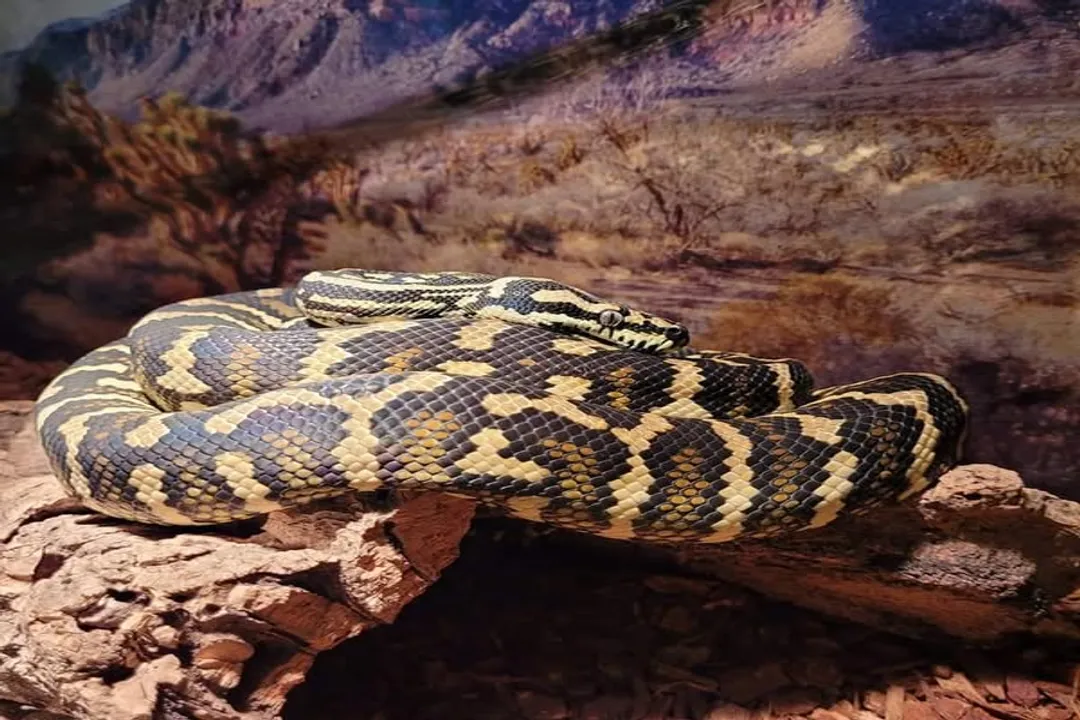
When new keepers bring home a Blood Python (Python brongersmai), one of the most common anxieties that surfaces quickly revolves around feeding time. The question of whether these stout, beautiful snakes are inherently difficult eaters is one that sparks frequent discussion across reptile forums and social media groups, often when a usually reliable eater suddenly refuses a meal. [1][3] What often appears as finicky behavior is usually a signal, a complex response rooted deeply in the snake's natural instincts and, critically, the specific parameters of its captive environment. [5]
# Python Nature
Blood Pythons are known for being heavy-bodied, thick snakes relative to their length, which influences their overall metabolism and needs. [5] While they share a general python profile, keepers sometimes compare them to Ball Pythons, another species notorious for appetite fluctuations, leading to assumptions about inherent pickiness. [9] However, understanding the environmental requirements is key to interpreting their behavior. [5] A Blood Python refusing a meal isn't typically making a subjective choice like a human refusing broccoli; it’s reacting to a perceived threat, discomfort, or failure in the feeding stimulus. [1][8]
For keepers accustomed to feeding more frequently, the natural metabolic rate of a Blood Python can sometimes be misinterpreted. Because of their body structure and generally less active lifestyle in captivity compared to some other species, they may not require food as often as owners might initially expect. [5] If an owner attempts to feed a well-satiated snake before its system has fully processed the previous meal, the refusal isn't pickiness—it's simply satiety. This distinction is important: an animal that is full is not the same as an animal that is selective.
# Appetite Assessment
When a snake refuses food, the first step is objective assessment rather than immediate reaction. Is the snake refusing everything, or just the current offering? Blood Pythons, like many terrestrial pythons, may have preferences, but a complete, consistent refusal points toward underlying husbandry issues or physiological timing. [3][5]
Issues commonly reported by owners include:
- Prey Item: The size, type (e.g., mouse versus rat), or condition (e.g., fresh vs. thawed) of the prey item. [3]
- Timing: The snake might be approaching a shed cycle, which often causes a temporary cessation of eating because their vision is impaired and they are generally more stressed. [1][5]
- Stress: Recent moves, enclosure changes, too much handling before or after feeding, or even the presence of the owner too close during the feeding attempt can cause refusal. [1][8]
In contrast, a healthy, feeding Blood Python should generally be offered prey about the size of the thickest part of its body, though size guides should always be cross-referenced with specific breeder or established care guidelines. [5]
# Environmental Triggers
The most crucial area to investigate when appetite wanes is the enclosure setup. Blood Pythons are highly sensitive to microclimates, and minor deviations from their preferred conditions can halt feeding behavior immediately. [5]
# Temperature Dynamics
Temperature is non-negotiable for digestion and appetite stimulation. If the ambient temperature or, more importantly, the basking/hot spot temperature drops too low, the snake will not eat because it cannot properly digest the food, leading to regurgitation or a decision not to eat in the first place. [5] Similarly, if the cool side is too hot, the snake may refuse to enter the area needed to cool down enough to feel secure enough to hunt or eat. Maintaining a proper thermal gradient is essential; the hot spot should facilitate active digestion while the cooler end allows for thermoregulation. [5]
# Humidity Needs
Blood Pythons originate from areas requiring substantial humidity, and low moisture levels cause stress, often manifesting as reluctance to eat. [5] Proper humidity aids in shedding and general respiratory health. If a snake is struggling to shed, it is almost certainly going to refuse food until that process is complete and the snake feels physically comfortable again. [1]
It is worth noting that husbandry adjustments—especially significant temperature or humidity shifts—can cause a temporary fast while the snake acclimates. Even experienced keepers sometimes see a short-term refusal after moving an animal to a new setup, but the snake should resume normal patterns once settled. [8]
# Prey Specifics
If husbandry checks out—temperatures are correct, humidity is stable, and the snake isn't in a shed—the focus shifts to the meal itself. Many keepers of young or newly acquired Blood Pythons start them on appropriately sized mice, but as the snake grows, it might require a shift to rats. [5] This transition is a common flashpoint for feeding issues.
Some snakes take to the new prey item immediately, while others are hesitant. If a snake is used to a smaller mouse, a sudden large rat may be intimidating. In these cases, keepers often suggest a transition period or scenting. Scenting involves introducing the smell of a preferred food item onto a less favored one, sometimes using freshly killed pinky mouse scent on the desired rat pup. [3]
There is also the debate between live and frozen/thawed prey. While some keepers use live food exclusively, others successfully feed frozen/thawed items after proper thawing and warming. [4][7] If a snake is refusing thawed prey, it might be that the prey item is not heated sufficiently or does not mimic the scent and movement of live prey enough for the snake’s strike trigger. A successful tactic involves warming the thawed prey in a sealed bag in warm water and perhaps gently shaking it near the snake to simulate movement before presenting it. [7]

# Young Snake Needs
Juvenile Blood Pythons present a specific set of challenges when it comes to appetite. They are often more skittish, highly prone to stress from handling, and generally smaller targets for prey items, meaning any size discrepancy is more pronounced. [8] A juvenile that has just been acquired is highly stressed simply by being in a new environment and dealing with new sights, sounds, and smells. [8] For these youngsters, fasting for several weeks, provided they are not losing significant weight or showing other illness signs, is not uncommon while they settle in. [6][8] Patience is key here; excessive interference or handling during this critical acclimation phase will almost certainly guarantee continued refusal. [8]
# Refusal Protocol
When faced with a documented refusal—meaning the husbandry is confirmed correct and the snake has turned down more than one appropriate offering—a clear protocol helps owners manage the situation without panicking.
- The Wait and Observe: If the snake is healthy, do nothing for one week if it recently ate. Let the system clear. Check shed status and monitor temperatures meticulously. [5]
- Prey Adjustment: Offer the exact same prey item that was previously accepted (if applicable), ensuring it is properly warmed and scented if necessary. If transitioning prey size, try an intermediate size first. [3]
- Environmental Cueing: One technique that sometimes bridges the gap between a stressed state and feeding readiness involves subtle environmental priming. If the snake is generally wary of the area, sometimes introducing a familiar, non-threatening object—perhaps a piece of substrate or a hide that smells like its old, secure enclosure (assuming the old enclosure was healthy)—near the feeding spot can reduce anxiety, allowing the snake to focus on the stimulus rather than its surroundings. [2]
- Reduce Handling: Stop handling the snake entirely for 10 to 14 days. Feed in the evening when the snake is naturally more active and then leave it completely undisturbed until the next scheduled feeding time. [1]
If a snake refuses food for several months, or if it is losing noticeable body mass, becomes lethargic, or shows respiratory signs, immediate consultation with a veterinarian specializing in exotics is necessary, as the issue has moved beyond simple pickiness into potential medical territory. [6]
Ultimately, the perception of Blood Pythons as "picky eaters" is often a reflection of an owner's difficulty in perfectly replicating the stable, quiet, warm, and humid conditions these beautiful snakes require to signal that it is safe and appropriate to eat. [5] They are hardy animals, but they demand consistency in their environment to display their natural feeding drive.
#Videos
the MISUNDERSTOOD Blood Python - YouTube
Blood Python Care and Maintenance - YouTube
Related Questions
#Citations
Blood python not eating? : r/snakes - Reddit
Blood python picky about frozen food - Facebook
Feeding issues - Short-Tailed Pythons
the MISUNDERSTOOD Blood Python - YouTube
Blood Python Care And Husbandry - Reptiles Magazine
Expert Answers on Python Colors, Sizes, and Care - JustAnswer
Juvenile Blood Python feeding issues
For a beginner snake owner, would you recommend a ball python or ...