What do you feed a spotted python?
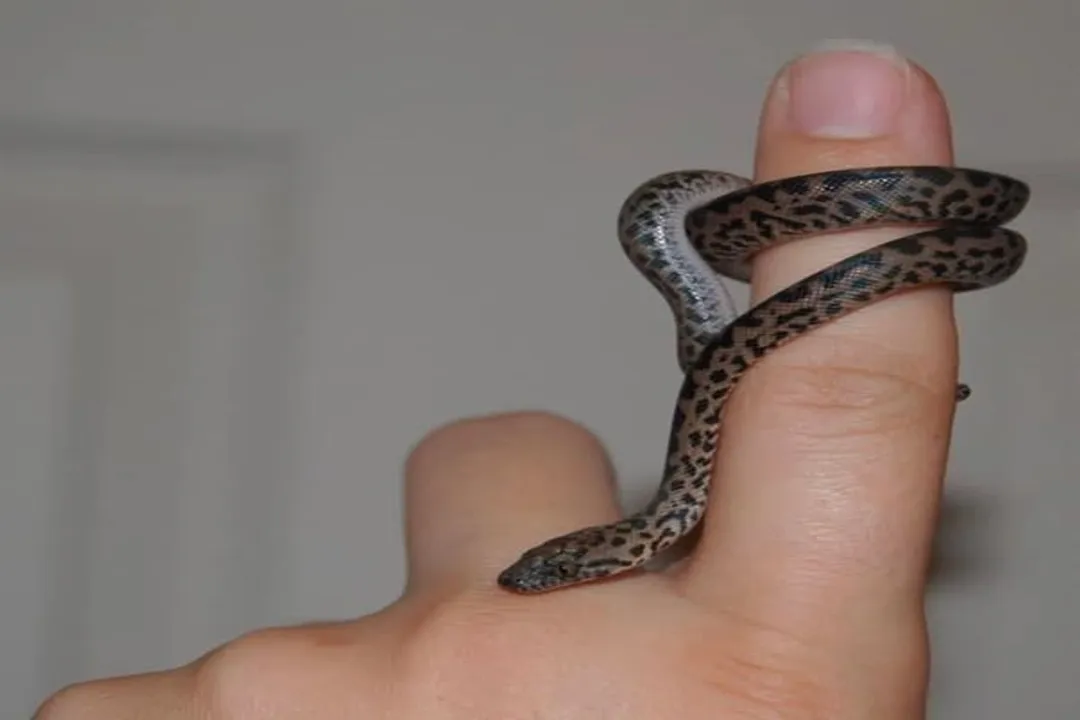
The staple diet for a captive Spotted Python revolves almost exclusively around rodents, primarily mice, which form the foundation of their nutritional requirements in captivity. [2][4][8] While some keepers may inquire about alternative food sources, such as chicks or other small prey items, mice are generally accepted as the most appropriate and readily available primary feed for these snakes. [3][4] Because the Spotted Python is a relatively small species, its digestive capacity and prey requirements remain consistent throughout its life, favoring smaller, appropriately sized meals rather than large, infrequent ones. [8]
# Prey Choices
For most owners, providing commercially raised mice, whether fuzzy or appropriately sized adults, will cover all necessary nutritional bases for a healthy Spotted Python. [4][8] These commercially bred rodents are generally raised specifically for reptile feeding, ensuring consistency in diet and minimizing the risks associated with wild-caught prey. [4]
Although mice are the norm, there is discussion about other options. For instance, if a snake shows a strong preference or if mice are temporarily unavailable, some keepers have successfully offered chicks. [3] However, this should be done cautiously and only after ensuring the substitute prey item meets the correct size and nutritional profile. The key consideration remains the size of the prey item relative to the snake itself. [4][8]
# Sizing Prey
Determining the correct size for any meal is perhaps the most critical aspect of feeding, as incorrect sizing can lead to regurgitation or long-term health issues. [4][8] The general guideline across multiple sources is that the prey item, when viewed from above, should not exceed the diameter of the snake's body at its widest point. [4][8] Think of the prey's thickest part—usually the abdomen—as the benchmark. [4]
For very young snakes, such as juveniles, a more precise metric can be applied initially. A useful calculation for these smaller individuals suggests feeding prey that equates to approximately $10$-$15%$ of the snake's current body weight. [6] For example, a $100$-gram juvenile might safely consume a $10$- to $15$-gram frozen/thawed mouse. Once the snake matures past the initial rapid growth phase, transitioning to the girth-based measurement—ensuring the prey is slightly thinner than the thickest part of the snake—provides a reliable measure for ongoing maintenance feeding. [4][8] This dual approach, starting with a mass percentage and moving to visual girth comparison, helps manage feeding as the snake grows and its body shape changes in proportion to its length. [6]
# Feeding Intervals
The frequency of feeding directly correlates with the snake's age and current growth rate. Young, rapidly growing Spotted Pythons require more frequent meals to sustain their development. [6]
# Juvenile Frequency
Juveniles, especially those under a year old or newly acquired and actively growing, typically benefit from being offered food on a more regular schedule, often every five to seven days. [6] This higher frequency supports necessary weight gain and provides the energy required for regular shedding cycles during their fast-growth period. [6]
# Adult Frequency
Once the snake reaches its full adult size, or at least slows its growth significantly, the feeding interval can be extended. Mature Spotted Pythons generally thrive when fed every seven to fourteen days. [8] Providing a meal every one to two weeks is a widely accepted standard for maintaining a healthy adult weight without promoting obesity. [4]
It is important to remember that these are guidelines. An active snake might tolerate the shorter end of the interval, while a more sedentary or slightly overweight individual may do better closer to the two-week mark. Always monitor body condition rather than strictly adhering to a calendar date. [8]
# Food Presentation
The method of presentation significantly influences whether a snake accepts a meal, particularly when using commercially prepared food. While live prey is sometimes used, it carries the inherent risk of the rodent biting or injuring the snake, sometimes severely. [4] For safety and convenience, most experienced keepers strongly recommend using frozen/thawed (F/T) rodents. [4][8]
The crucial step with F/T food is proper thawing and presentation. The prey must be thawed completely, preferably in a refrigerator overnight, and then warmed just prior to feeding. [4] When warming, ensure the prey item is heated thoroughly, perhaps by submerging the sealed bag in hot—but not boiling—water. A snake's natural instinct is to strike warm-blooded prey, so a food item that is cold to the touch is far less appealing. [4]
To further entice a reluctant eater, you can try to mimic the subtle movements of live prey. Using long, dull-ended feeding tongs, gently wiggle or twitch the thawed rodent just outside the enclosure or near the entrance of the hide. A slight animation, often near the head, can trigger the snake’s predatory response, making the F/T meal irresistible. [1] Avoid using your fingers for feeding, even with F/T prey, as this can lead to the snake confusing your hand with food over time. [4]
# Addressing Refusals
It is common, even for well-cared-for snakes, to occasionally refuse a meal. This behavior is often temporary and usually linked to environmental or physiological cycles rather than a permanent dietary problem. [5]
# Shedding Cycles
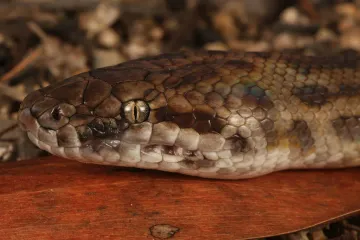
The most frequent reason for a temporary refusal is the snake entering its pre-shed phase. [5] During this time, the snake's eyes will turn a cloudy blue or grey, and their skin may appear dull. This opacity is due to the fluid building up between the old and new skin layers, which temporarily dulls their vision and suppresses their appetite. [5] If you notice these signs, do not offer food; instead, ensure high humidity is maintained, and withhold meals until after the shed is complete and their eyes have cleared. [5] Attempting to feed a snake that is about to shed often results in immediate regurgitation. [5]
# Environmental Stress
Spotted Pythons are naturally shy, and sudden changes can cause feeding strikes. This includes moving the enclosure, introducing new décor, or even having a sudden change in room temperature or light exposure. [1] If you suspect environmental stress is the cause, check that temperatures and humidity are within the correct ranges, reduce handling for a few days, and then offer the meal again later in the evening when the snake is naturally more active. [5]
# Scent and Temperature
If a snake consistently refuses a thawed meal, scenting can sometimes work. Gently rubbing a small piece of unscented, thawed rodent over the prey item might mask any unusual thawing odor or stimulate interest. [5] Alternatively, if you suspect the food is simply not warm enough, try reheating it slightly more gently, aiming for the warmth of a live mammal's body, which is significantly higher than room temperature. A successful feeding hinges on the prey simulating a viable meal as closely as possible. [4] Keepers should generally avoid offering live food as a "last resort" for refusal, as this reinforces the idea that the snake only eats live prey, making future transitions back to safer F/T methods much harder. [4]
Related Questions
#Citations
What is the size and feeding requirements of spotted ...
Spotted Python Care Sheet
Can i feed my spotted python anything other than mice?
What to Feed Spotted Pythons
Any tips to get my spotted python eating? : r/reptiles
Spotted Python Care Sheet | Aquarium and Reptile Store
Spotted Python