Are spotted skunks aggressive?
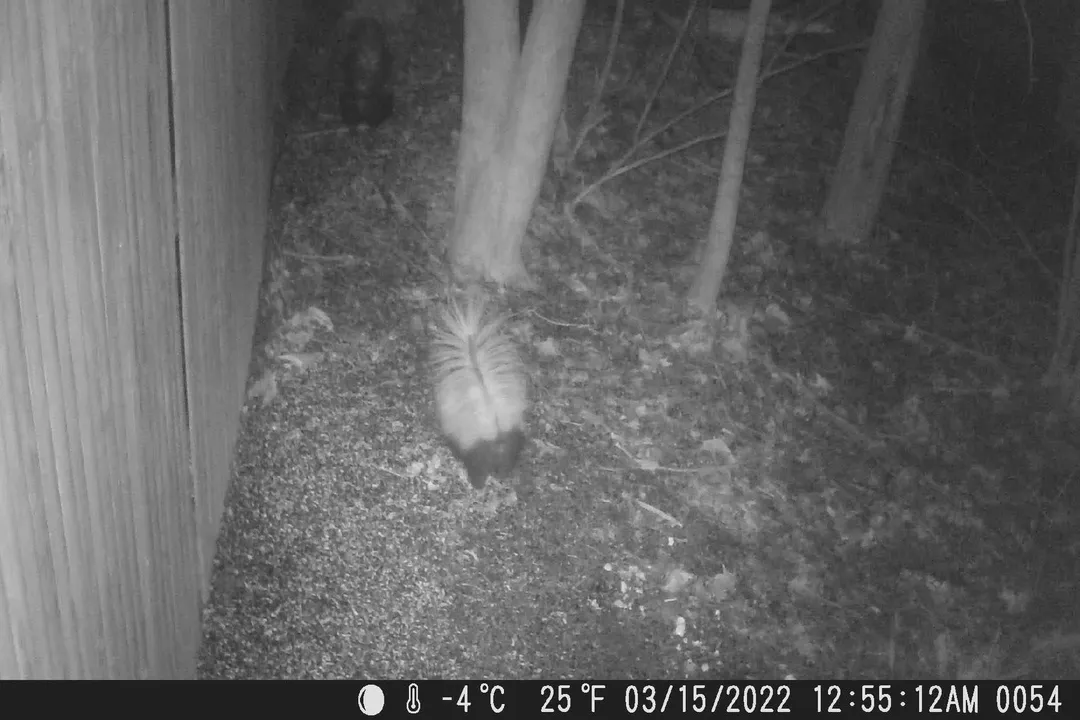
The inherent shyness of the spotted skunk is often misunderstood when people observe its dramatic defensive maneuvers. While an encounter might look alarming, the reality is that these small mammals are not naturally aggressive toward humans. By nature, they are generally timid creatures that prioritize escape when faced with a potential threat. Their primary goal in any encounter is usually to leave the situation undisturbed, preferring to flee rather than fight.
# Timid Nature
Spotted skunks, whether the Plains or Eastern varieties, are characterized by their relatively small size and their nocturnal habits, which generally keep them out of direct human paths. Like most wildlife, their perceived aggression only surfaces when they feel cornered, harassed, or if they are suffering from illness, such as rabies. When an individual skunk is behaving aggressively, it is almost always a reaction to feeling trapped or severely threatened, rather than an unprovoked attack. This crucial distinction between a defensive reaction and natural aggression is key to understanding their behavior.
# Warning Sequence
Before a spotted skunk resorts to its infamous spray, it employs a sophisticated, escalating series of warnings designed to give a potential predator ample time to retreat. This methodical approach underscores their reluctance to waste their valuable musk.
The initial signs of distress are subtle but important to recognize. If disturbed, a skunk might first attempt to escape to safety. If escape is blocked, the animal will start communicating its displeasure. This typically involves sounds like hissing or low growling. Simultaneously, the animal will begin visible warning signals, often stamping its feet rapidly on the ground.
A significant step up in this visual deterrent is raising its tail. For the spotted skunk, this tail-raising action is rarely random; it precedes the final, most serious warning. Observing this sequence—flee attempt, then vocalizations, then foot-stomping and tail-raising—provides a clear biological roadmap indicating that the animal is nearing its breaking point.
# The Handstand Display
What truly sets the spotted skunk apart from its striped cousins is the spectacular final act before deployment of its chemical weapon: the handstand. This is perhaps the most recognizable, and most misunderstood, aspect of their defense.
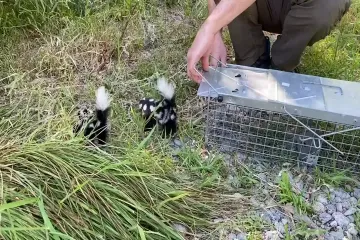
When a spotted skunk feels the need to maximize its defense, it will often pivot and face the threat while lifting its front paws off the ground, balancing on its hind legs and tail—a clear, acrobatic warning. This is not merely a dramatic flourish; it serves a critical, practical purpose. By performing this handstand, the skunk is meticulously aiming its dual scent glands toward the perceived danger. This focused positioning ensures accuracy when deploying its musk, which can be sprayed up to six to ten feet away.
It is important to note that this display is an aiming maneuver, not an aggressive lunge. The animal is concentrating its defensive energy into a precise, directed strike against a threat that has ignored all prior warnings.
# Potency and Deployment
The musk produced by spotted skunks is widely considered the most potent among all North American skunk species. This high efficacy means the animal does not need to spray often, reinforcing its tendency to use the warning sequence first. Furthermore, unlike some other skunks that might only be able to spray once before needing to replenish their supply, the spotted skunk has the unique capability of delivering multiple, successive sprays if the threat persists. This ability to spray repeatedly, combined with the accuracy gained from the handstand posture, makes their final defense highly effective and something they are eager to avoid initiating.
# Contextualizing Encounters
When a person encounters a spotted skunk acting defensively, it is vital to know that the animal is reacting to the situation, not initiating hostility. If you see one stamping its feet or raising its tail, the best course of action is to slowly back away, giving the skunk a clear path to retreat. Never try to approach it, corner it, or try to make it spray out of curiosity; such actions are guaranteed to trigger a defensive response.
While most interactions are purely defensive, there is a small segment of encounters where a skunk might act unusually bold or aggressive without the usual warning sequence. If you observe a skunk acting strangely during the daytime, moving erratically, or showing no fear when approached, it is essential to treat it as a potential rabies vector and maintain a wide distance. Rabid animals often lose their natural fear of larger creatures, which is a significant deviation from the normally timid disposition of a healthy spotted skunk.
| Warning Stage | Behavior Displayed | Implied Threat Level |
|---|---|---|
| 1 | Fleeing/Ignoring | Low |
| 2 | Hissing, Growling, Foot Stomping | Moderate |
| 3 | Tail Raised, Facing Threat | High |
| 4 | Handstand (Aiming) | Imminent Spray |
| 5 | Spray Deployed | Extreme |
When documenting or sharing sightings, it is easy to mislabel a successful warning display as an "attack." For example, if a hiker startles one, and the skunk immediately performs a handstand and sprays, the hiker might report being "attacked by an aggressive skunk," when in fact, the skunk was simply executing its last-ditch defense mechanism after the hiker likely blocked its escape route. Recognizing the order of these behaviors—the slow build-up—is the key to correctly interpreting their temperament. The presence of the specialized handstand posture suggests the skunk recognizes you as a significant threat but is still attempting to warn you before making its final, costly maneuver.
In environments where humans and wildlife intersect frequently, understanding this defense choreography can prevent unnecessary conflict and protect both the animal and the observer from a noxious experience. Ultimately, the spotted skunk’s repertoire is designed for deterrence, not predation on humans, making them predictable when their behavioral signals are read correctly.
Related Questions
#Citations
As funny as it may look, this is actually an act of aggression ... - Reddit
Kansas Mammal Atlas: Eastern Spotted Skunk
Living with skunks | Minnesota DNR
Spotted Skunk - Freeport, FL
Everything You Need To Know About Spotted Skunk in Minnesota
Skunks' entertaining behavior and cute head stands - Facebook
Spotted Skunk - ZooAmerica
Plains Spotted Skunk | Oklahoma Department of Wildlife Conservation
Are skunks friendly or non-aggressive animals by nature? - Quora