How often do spotted pythons need to be fed?
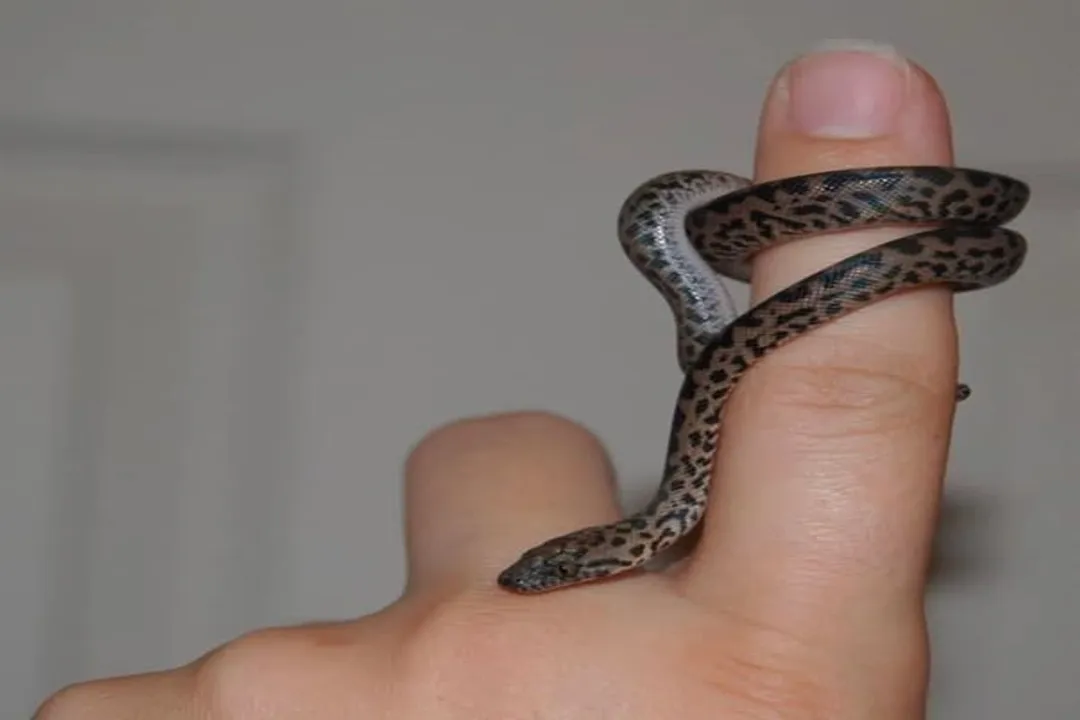
Understanding the ideal feeding cadence for a Spotted Python, Antaresia maculosa, is paramount to keeping this engaging species healthy and thriving in captivity. Unlike some of the more massive constrictors, these Australian natives have specific requirements dictated primarily by their life stage and current growth rate. [3][8] Getting the timing wrong can lead to issues ranging from regurgitation due to overly frequent meals to a lack of necessary energy reserves if feeding is too infrequent.
# Life Stage Adjustment
The fundamental principle governing how often you offer a meal centers on the snake's current metabolic demands, which are highest during periods of rapid growth. [9] A small, quickly developing snake needs more frequent fuel than a fully grown adult whose primary focus is maintenance rather than sheer size increase. Paying close attention to the snake’s physical condition—its muscle tone, skin quality, and activity levels—is always more important than rigidly adhering to a calendar date. [1][7]
# Baby Meals
For hatchling and very young Spotted Pythons, the schedule leans toward the more frequent side. These little reptiles are developing quickly, building bone structure, and establishing their systems. Many experienced keepers suggest feeding these tiny snakes every five days. [2] This frequency ensures they receive a steady supply of nutrients necessary for their rapid development. However, it is crucial that the prey item offered at this stage is appropriately sized, usually no thicker than the widest part of the snake's body. [1] If a baby consistently regurgitates a meal, the interval might need to be slightly extended, or the prey item may be too large. [5]
# Juvenile Schedules
As the python grows into a juvenile—a period marked by noticeable length gains but perhaps not yet reaching its full adult girth—the feeding interval can typically be stretched a bit. A common recommendation shifts the schedule to feeding once every seven to ten days. [7] This allows the digestive system adequate time to process the meal fully before the next feeding event. During this phase, keepers often watch for signs of obesity; if the snake begins to look overly rounded between meals, extending the interval to ten days can be beneficial. [8] A juvenile that is very active and rapidly gaining length might thrive better closer to the seven-day mark, whereas a more sedentary individual might do fine at ten days.
# Adult Maintenance
Once a Spotted Python reaches sexual maturity and its growth slows to maintenance levels, the time between meals significantly increases. Adult snakes do not require the constant influx of energy that juveniles do. For established adults, feeding every ten to fourteen days is often sufficient. [8][9] Some sources even suggest that a healthy adult can manage well on a feeding schedule of every two to three weeks, particularly during cooler months or if the ambient temperature in the enclosure is slightly lower than optimal. [3] Overfeeding an adult is a common mistake that can lead to fat deposits, reduced reproductive success, and general lethargy.
| Life Stage | Approximate Feeding Frequency | Key Consideration |
|---|---|---|
| Hatchling/Baby | Every 5 days | Rapid development, small prey size [2] |
| Juvenile | Every 7 to 10 days | Balancing growth rate with digestion time [7] |
| Adult | Every 10 to 14+ days | Maintenance and avoiding obesity [8] |
# Modifying the Standard Plan
While the life-stage guidelines provide an excellent baseline, a good keeper adjusts based on observable factors within the snake's environment and physiology. The rigidity of a set schedule should always yield to the snake's actual needs, which can fluctuate seasonally or based on health events. [1]
# Shedding Cycles
A critical factor influencing feeding decisions is the shedding process. Snakes should never be offered food when they are in a pre-shed cycle (when their coloration dulls and their eyes turn blue or cloudy). [5][9] Digestion halts during this period, and an attempted meal will almost certainly result in regurgitation, which is highly stressful and depletes vital energy reserves. Wait until after the snake has successfully shed its skin before offering the next meal, usually allowing an extra day or two post-shed before reintroducing food to ensure its mouth and thermal regulation are back to normal. [1]
# Temperature Influence
The enclosure's thermal gradient directly dictates how efficiently the snake can digest its food. Spotted Pythons, like all reptiles, are dependent on external heat sources to fuel their metabolism. [6] If the basking spot temperature or the overall ambient temperature is consistently on the lower end of the recommended range—for example, staying closer to 78-80°F rather than reaching the higher 80s during the day—digestion will slow down. [4] In these cooler setups, you must extend the interval between feedings. A snake kept at the lower end of its preferred range might need 14 days between meals when a warmer snake could handle 10 days comfortably.
One observation often made when comparing these smaller Antaresia species to larger pythons like Boas or Burmese Pythons is their generally faster digestive cycle when kept at optimal temperatures. Because they are smaller and have a higher surface area to volume ratio, a well-heated Spotted Python might process a meal faster than a similarly sized juvenile of a species known for a notoriously slow metabolism, meaning they might require that slightly more frequent feeding schedule in their youth compared to a baby of a bulkier species. [5]
# Breeding Condition
For adult males and females, feeding frequency often needs adjustment around the breeding season. Females, in particular, may reduce their appetite significantly as they approach egg production. Attempting to force-feed a female who has stopped showing interest is counterproductive. Once eggs are laid, the female’s appetite typically returns in full force as she recovers energy; the schedule then reverts to maintenance feeding, or slightly more frequent if she is being housed separately and needs to regain condition. [8]
# Prey Type and Size
While frequency is about when, the prey item itself is about what and how much. The prey item offered should correspond to the snake's size, and this relationship indirectly affects the required frequency. If the prey is too large, it takes much longer to digest, potentially necessitating longer intervals to prevent regurgitation. [1][5]
Spotted Pythons generally feed on appropriately sized rodents, such as appropriately sized mice or appropriately sized small rats, depending on the snake's current weight. [3] A good general rule is that the prey item should be no wider than 1.5 times the diameter of the snake’s thickest point, though many experienced keepers advise staying closer to 1.25 times the diameter for growing snakes to minimize digestive strain. [9]
If you choose to feed frozen/thawed prey, which is highly recommended for safety and convenience, ensure the item is thoroughly and evenly thawed. Feeding a cold center can shock the snake’s system and prevent proper digestion, mimicking the effects of feeding in cool environmental conditions. [6]
# Recognizing Feeding Cues
More instructive than any chart is learning to read your snake. A healthy, non-stressed Spotted Python will generally display clear behavioral cues regarding its readiness for food.
- Active Foraging: A snake that is alert, exploring its enclosure, and actively scent-marking or searching in its hiding spot is often ready to eat. [1]
- Post-Shed Confidence: Immediately post-shed, the snake might be hesitant, but once the cycle is complete and humidity returns to normal, they often become keen feeders again. [9]
- Weight Check: A subtle way to gauge if the frequency is correct is by feeling the snake's body mass. A snake that feels "soft" or has visible dips along the spine might need food slightly sooner or a larger meal size (within safe parameters). [7] Conversely, a snake that feels rock-hard or exhibits significant rolls of fat when curled up is likely being overfed, and the frequency should be pushed toward the longer end of the recommended spectrum. [8]
It is worth noting that while the feeding schedule for Spotted Pythons might appear more frequent during their early life than that of some larger or more sluggish species, this pace reflects their nature as active, smaller Australian predators. This slightly higher early demand requires consistent, reliable provision of appropriately sized meals to capitalize on their growth windows. [4][6] Maintaining a consistent environment—especially temperature—is the hidden component that makes any feeding schedule successful, as temperature overrides schedule timing when digestion is concerned.
Related Questions
#Citations
Spotted Python Care Sheet
How often to feed a baby spotted python.
Spotted Python - Antaresia maculosa - Care Sheet
What is the size and feeding requirements of spotted ...
Children's Python Care Sheet and bioactive habitat ...
Spotted Python Care Sheet | Aquarium and Reptile Store
Juevenile Spotted Python Feeding Schedule : r/snakes
Spotted Python
Antaresia Species Caresheet