What is a boelen python?
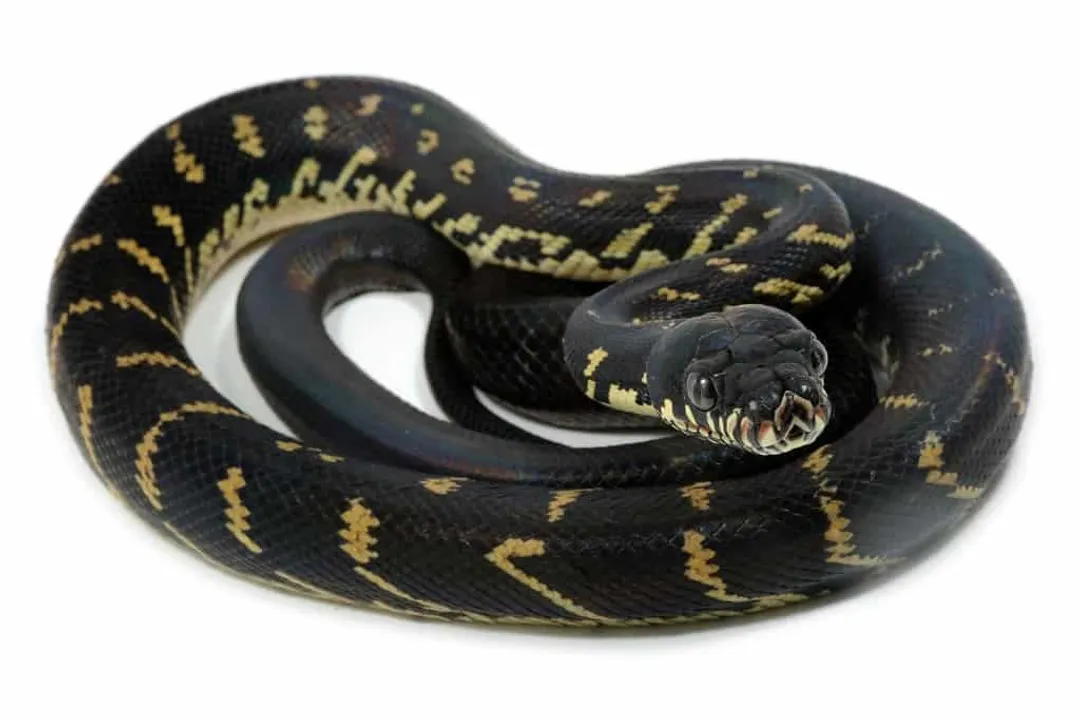
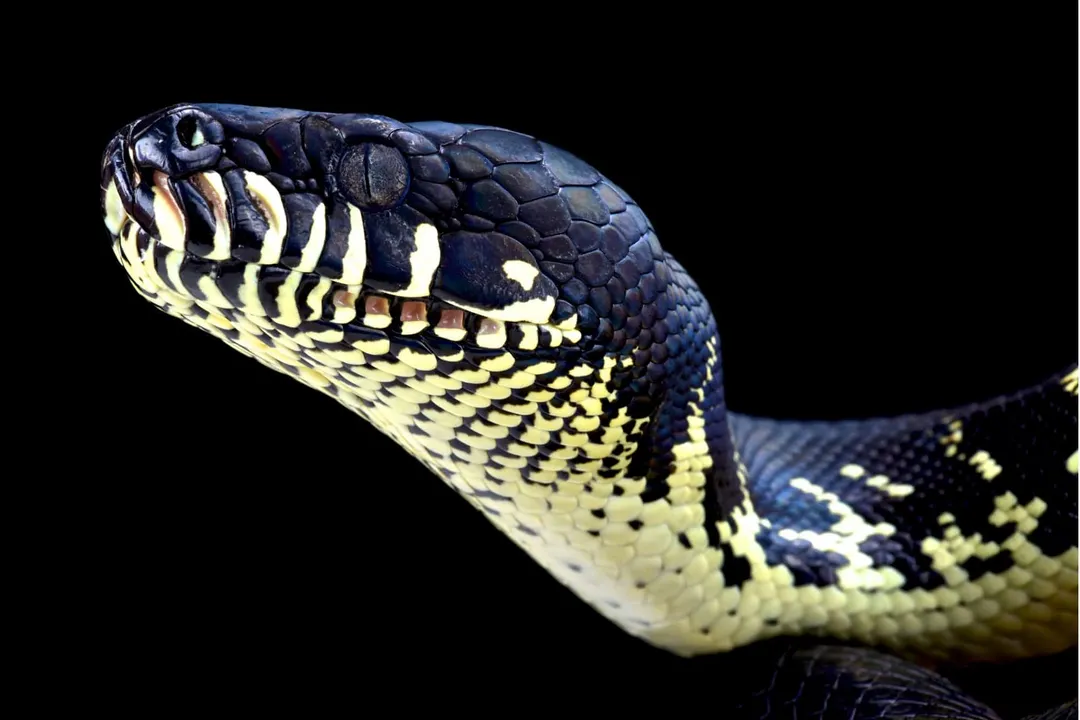
The Boelen’s Python, scientifically known as Simalia boeleni, is one of the most visually stunning and geographically restricted snakes in the world. It is immediately recognizable due to its intense, iridescent black coloration contrasted sharply by bright, transverse white or yellowish bands that often shimmer with blue or green hues in the light. This magnificent reptile is endemic to the island of New Guinea, but its habitat is surprisingly specific, limiting its known range to high-altitude montane forests.
# Classification History
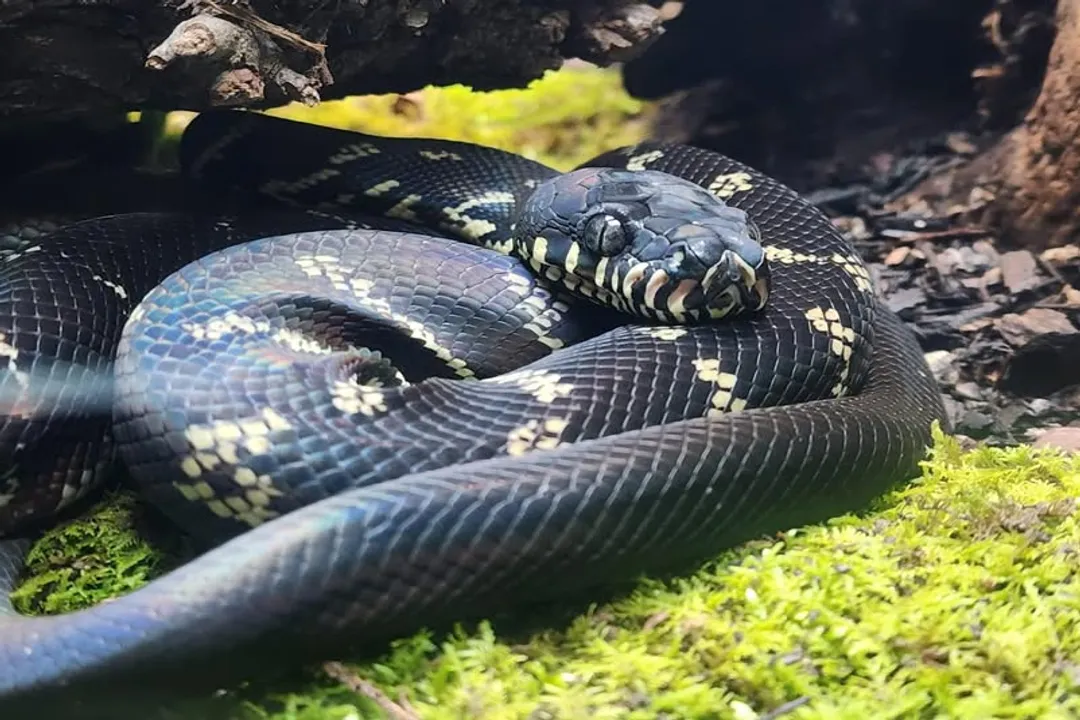
The taxonomy of this python has seen some adjustments over time, reflecting ongoing research into python phylogeny. While it was once classified under the genus Morelia, current scientific consensus places it within the genus Simalia. This relocation groups it with other specialized New Guinea pythons, such as the Albert’s Python (Simalia albertisii). Though closely related, the Boelen’s Python possesses a distinct look, primarily separated from the Albert’s Python by its dorsal color pattern—the Boelen’s has distinct white crossbands, whereas the Albert’s Python usually features a pattern of light spots or blotches on a dark background. The species honors Jacob Gijsbert Boelen, who collected the first specimens.
# Color Pattern
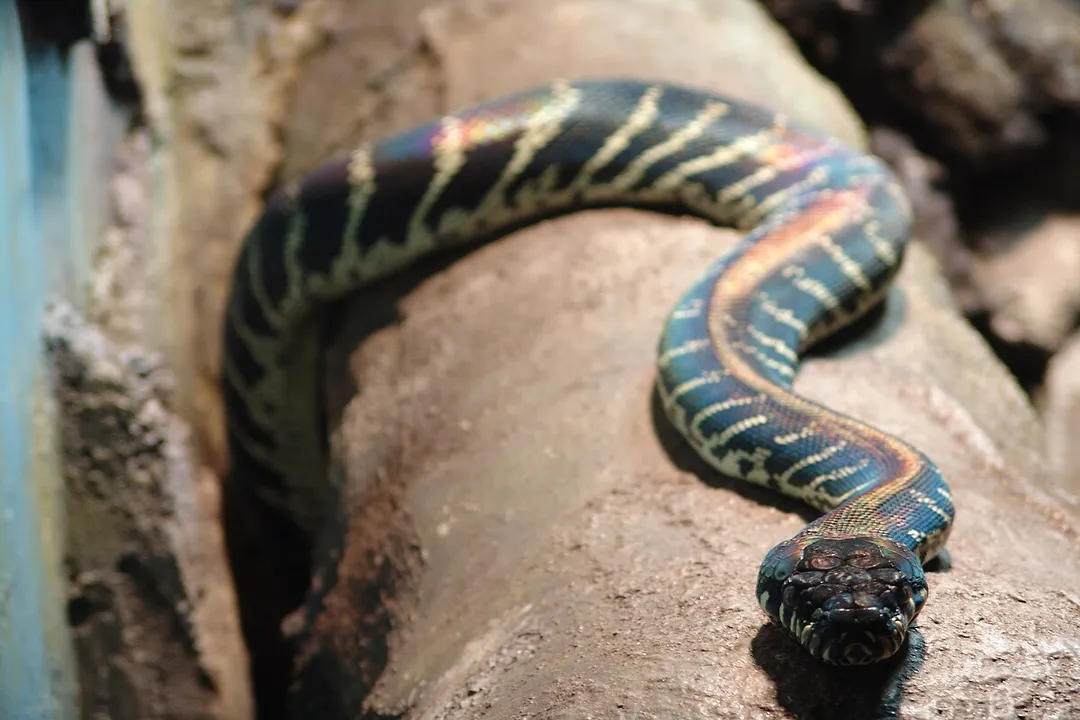
The appearance of a mature Boelen’s Python is truly remarkable. Adults typically exhibit a base color of deep, velvety black, which seems almost to absorb light. Across this dark canvas run several distinct white or cream-colored bands that encircle the body. These bands are not solid lines; they often appear broken or irregular, adding to the snake’s complexity. A key feature that captivates keepers and field biologists alike is the iridescence. Under direct light, the scales shimmer, displaying blues, greens, and purples, a trait likely aiding in camouflage within the dappled light of its dense forest environment.
Juveniles present a slightly different appearance. Young specimens are generally more yellowish or pale, often lacking the deep, rich black of the adults. Over time, this coloration darkens significantly as the snake matures. While exact size varies, adult females are generally larger than males. Mature individuals can reach lengths of around 6 to 8 feet, though some reports suggest they can exceed 9 feet. Their builds are generally slender compared to some other large python species.
# High Altitude Home
The geographical restriction of Simalia boeleni is a major factor influencing its biology and conservation status. This species is found only in the mountainous regions of New Guinea, specifically within the central cordillera of both Indonesian Papua and Papua New Guinea. They inhabit tropical moist montane forests.
Unlike many pythons that thrive in hot, lowland environments, the Boelen’s Python exists at significantly higher elevations, generally above 1,000 meters (about 3,300 feet) and sometimes found much higher. This high-altitude existence means their environment is characterized by cooler ambient temperatures and persistent humidity compared to tropical lowlands. This habitat specialization suggests adaptations for cooler climates, which presents unique challenges when attempting to keep them in captivity. Because they are restricted to these specific mountain habitats, they are considered endemic to the island.
# Keeper Demands
In zoological settings, providing appropriate care for the Boelen’s Python is often noted as requiring specialized attention, largely due to their natural habitat conditions. Because they originate from cooler, high-altitude forests, their environmental requirements differ notably from those of common pet pythons originating near the equator.
For successful captive maintenance, keepers must balance temperature and humidity precisely. While high humidity is necessary—often cited as needing to be maintained above 70% or 80%—the temperatures must remain relatively mild. Ambient air temperatures often need to be kept lower than what is standard for many tropical snakes, sometimes in the mid-70s Fahrenheit range (around 24–26°C). This combination of high moisture and cooler air demands careful enclosure design. If ventilation is insufficient while trying to maintain high humidity, the environment can quickly become stagnant, leading to respiratory issues or mold growth in the substrate. Therefore, specialized, well-ventilated enclosures that can manage consistent, high moisture levels without becoming damp or stale are critical for these snakes.
Dietarily, they are carnivorous predators. In the wild, their diet likely consists of mammals and birds native to the New Guinea mountains. In managed care, they consume rodents, such as mice and rats, offered on an appropriate feeding schedule.
As a point of interest regarding their rarity in collections, the extremely narrow geographic range and the environmental specialization required for their care mean that successful captive breeding programs are highly valued. Facilities that manage to breed these snakes consistently are often cited as leaders in their conservation. The extreme difficulty in sourcing wild-caught specimens, combined with high captive breeding success often only achieved by specialized facilities, contributes significantly to the species' high market value and rarity outside major accredited collections.
# Behavior and Activity
Information on the behavior of Boelen’s Pythons in the wild is relatively scarce due to their remote habitat and elusive nature. They are generally considered to be primarily terrestrial, moving along the forest floor. However, being arboreal or semi-arboreal is not entirely ruled out, particularly for younger individuals navigating the dense understory vegetation.
Observations suggest they are mostly nocturnal or crepuscular, meaning they are most active during the night or twilight hours. This naturally secretive lifestyle contributes to why they are rarely encountered by humans in their native environment.
A noteworthy aspect, often discussed by keepers familiar with the species, is their temperament. While they are powerful constrictors, well-socialized Boelen’s Pythons, particularly those born in captivity, are often described as calm and tractable, though they can be naturally shy. Their reputation in the pet trade is generally positive among experienced keepers who understand their specific environmental needs.
# Conservation Outlook
The conservation status of the Boelen’s Python is a significant concern. While the species is listed as Least Concern on the IUCN Red List, this classification is heavily caveated by the fact that data on population size and trends are severely limited. This lack of data in high-altitude, remote areas means the status might not fully reflect the true threat level.
The primary threats facing this species relate to habitat disturbance and collection pressure. As human settlements and agricultural expansion encroach upon the montane forests, the snake’s limited range is fragmented and destroyed. Furthermore, because of their beauty and rarity, illegal collection for the international pet trade has historically placed severe pressure on wild populations. Although captive breeding reduces the immediate need to capture wild animals, the continued demand can still drive poaching activities.
For those interested in supporting the species, supporting reputable zoos or conservation organizations involved in species survival plans or habitat protection in New Guinea provides a direct link to aiding Simalia boeleni. Given their restricted distribution, localized conservation efforts within their known mountain ranges are paramount to ensuring their long-term survival.
Given their high-altitude origin, maintaining both the required cool ambient temperatures and the necessary high humidity without creating stagnation (mold risk) requires highly specialized ventilation in captive enclosures, often exceeding the standards set for more common tropical snake species. Furthermore, successful propagation in human care, especially by smaller, private breeders, remains a difficult benchmark to meet consistently because of the precise climatic parameters they require; they demand a setup that mimics a cloud forest environment, which is notably different from the arid or warm-temperate setups common for species like corn snakes or ball pythons. This steep learning curve for husbandry reinforces why zoos and established breeders hold such authority in maintaining the global captive population.
#Videos
the only thing better than a Boelens Python is.... - YouTube
Related Questions
#Citations
Simalia boeleni - Wikipedia
Boelen's Python | Saint Louis Zoo
Boelen's python Animal Facts - Simalia boeleni
The champion - Zoo Atlanta
Meet the Boelen's python! These beautiful, elusive snakes are found ...
the only thing better than a Boelens Python is.... - YouTube
About the Boelens Python: A Captivating Species ⋆ SnakeEstate
Difference between Boelen's Python and D'Albertis' Python? : r/snakes
Boelen's Python - NatureRules1 Wiki - Fandom
PNG Snakes : Boelen's Python - Simalia boeleni - Ecology Asia