Where are blood pythons found?
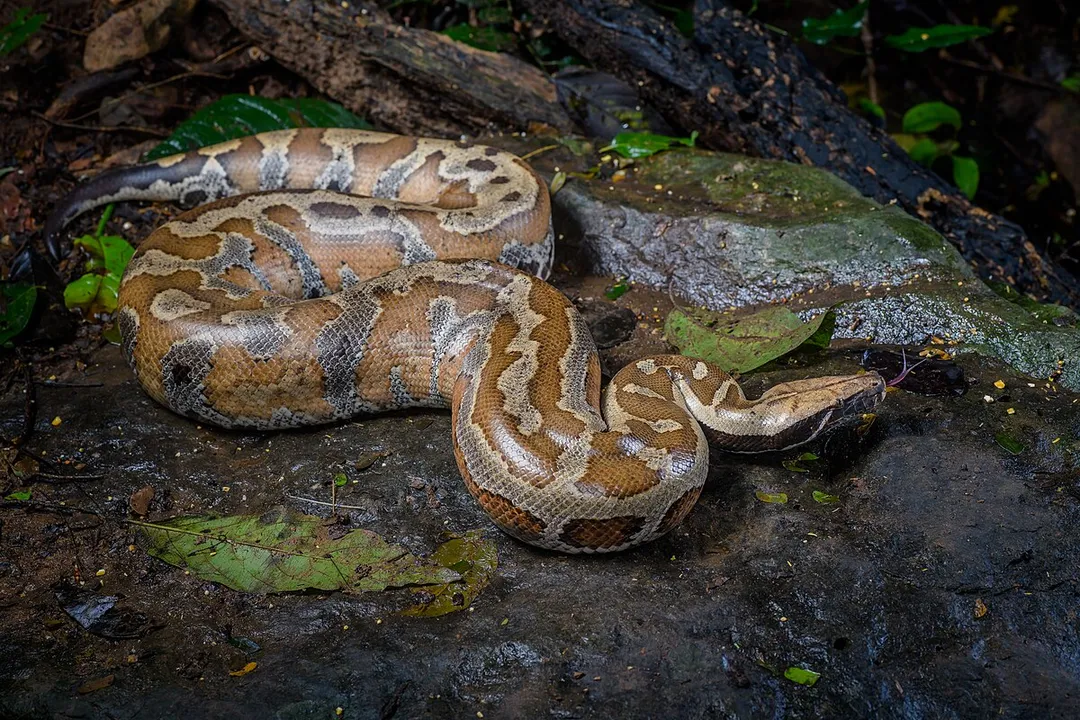
The distribution of the python group commonly known as Blood Pythons is centered firmly within the tropical regions of Southeast Asia, an area characterized by high humidity and dense vegetation that suits their terrestrial, secretive nature. [6][9] These snakes are not found across a single country but rather across an archipelago and a peninsula, making their collective habitat area geographically diverse yet ecologically specific. [6] When discussing where these snakes reside naturally, it is crucial to recognize that the term "Blood Python" generally refers to a complex of closely related species, often grouped under the Python curtus complex, although some sources use the term more broadly for the three primary species: Python curtus, Python brongersmai, and Python breitensteini. [1][6]
# Species Geography
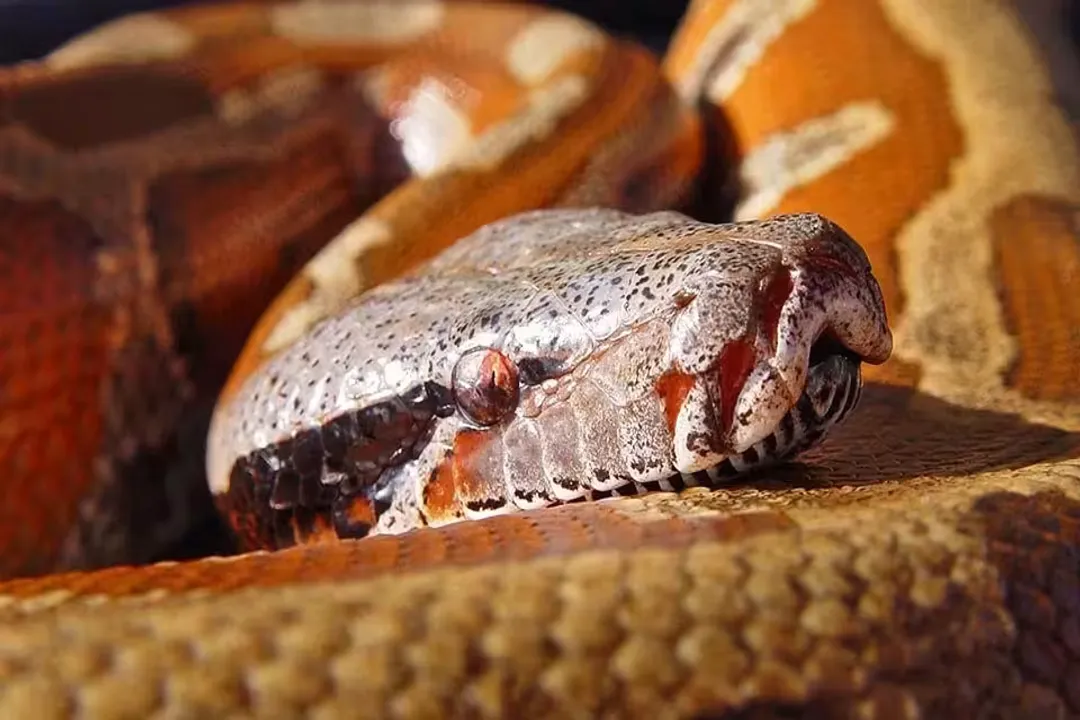
The geographical delineation among the three recognized species offers a more precise picture of their native homes. [1] For instance, the Python brongersmai, sometimes specifically called the Borneo Short-Tailed Python, is strictly endemic to the island of Borneo. [1] This island, shared by three nations, acts as the sole native territory for this particular species. [1]
While the sources confirm the general range for the collective group spans islands like Sumatra and Borneo, as well as Peninsular Malaysia, pinpointing the exact native grounds for P. curtus and P. breitensteini requires careful aggregation of the general data provided. [6][9] Biodb indicates that the overall area inhabited by Blood Pythons includes Sumatra, Borneo, and Java, in addition to Peninsular Malaysia. [6] The common understanding among keepers and herpetological enthusiasts often centers the primary range across Sumatra, Borneo, and Peninsular Malaysia. [5][9] Given that P. brongersmai is restricted to Borneo, the populations found on Sumatra and the mainland of Peninsular Malaysia must belong to the other species within the complex, even if the sources do not explicitly assign a location to P. curtus or P. breitensteini by name. [1][6]
This geographical separation means that a Blood Python sourced from Sumatra belongs to a different species than one found in the interior of Borneo, which is an important distinction for understanding local adaptations, even if the general husbandry requirements remain broadly similar. [2][9] For instance, an insight here is that while captive breeding programs often mix these genetic lines without clear lineage tracking, the pure wild-caught populations demonstrate distinct regional specialization, influencing things like adult size and coloration patterns that enthusiasts often seek out. [4][5]
# Distribution Areas
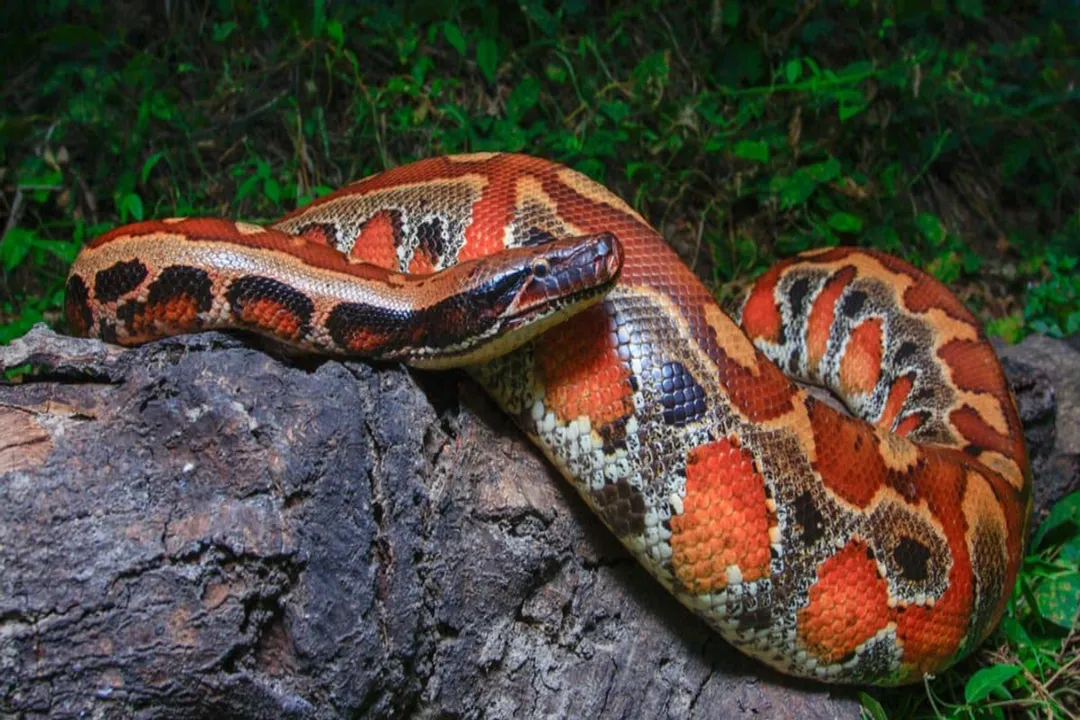
The key landmasses hosting these populations are significant geographical features of Southeast Asia. Peninsular Malaysia represents the northernmost extension of this natural range for at least one of the species. [6][9] This mainland territory shares characteristics with the island populations but exists on a much larger continental landmass compared to the insular species. [9]
Sumatra, the large Indonesian island to the west, is another critical part of their natural range. [6][9] The environmental conditions there—hot, humid, and heavily forested—create the necessary conditions for these secretive snakes to thrive. [7] Java is also mentioned as part of the general range for the complex. [6]
Borneo, however, stands out as a unique center for this group, being the exclusive home of P. brongersmai. [1] This island’s vast, often primary, rainforests have nurtured these specific python populations for millennia. [1] It is fascinating to note that despite their relatively small adult size compared to pythons from other continents, their concentrated distribution in these specific, biodiverse, but often threatened, regions raises important conservation considerations. [7]

# Habitat Context
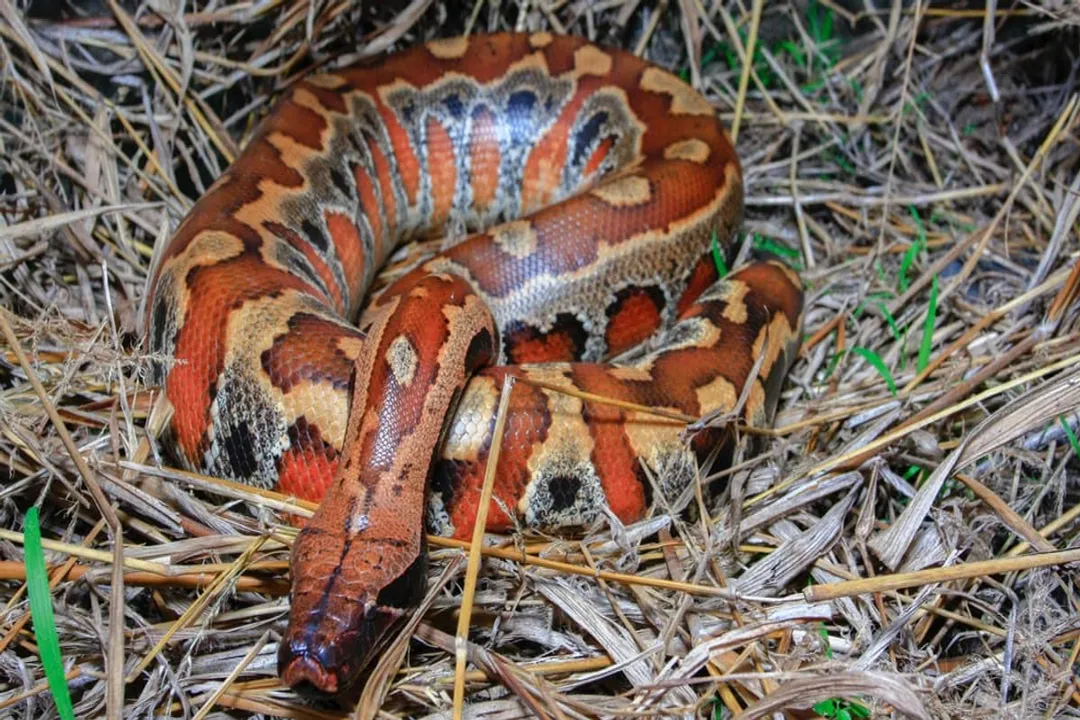
Knowing where they are found is inextricably linked to what environment they inhabit within those areas. Blood Pythons are generally associated with lowland forest environments. [7] The term "Short-Tailed Python" itself suggests an adaptation to dense undergrowth where an extremely long tail might be a hindrance. [9] Their natural settings require high humidity levels to maintain skin health and facilitate successful shedding, reflecting the constant moisture characteristic of their native Southeast Asian climate. [2][9]
In the wild, these snakes are primarily terrestrial and nocturnal, spending much of their time hidden among leaf litter or in shallow burrows. [7] This secretive lifestyle is why sightings in their native range are rare and why understanding the precise habitat structure—the damp soil, the decaying matter, and the dense canopy cover—is so critical for captive care. [5] Any habitat closer to sea level, or low-lying marshy areas, is often cited as ideal territory within their distribution zones. [6] For those interested in mimicking their native environment, maintaining substrate moisture rather than just ambient air humidity becomes a primary focus, a direct echo of the conditions on the forest floor of Sumatra or Borneo. [9]
It is worth noting that while general care guides might treat them as one group, the specific island or peninsula of origin dictates subtle differences in microclimate that have driven speciation. [1] For example, the specific soil composition or average annual rainfall between a region in Peninsular Malaysia and a region in western Borneo could create distinct selective pressures over time, even if both areas feature "lowland rainforest". [6]
# Species Comparison and Range Nuance
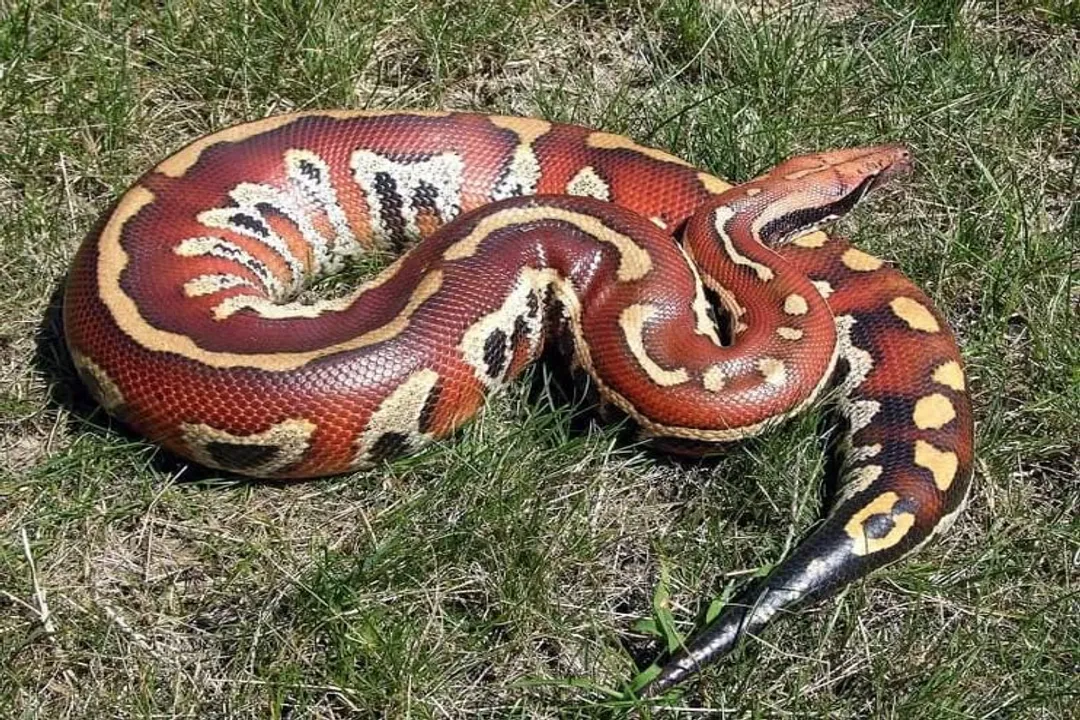
To appreciate the geography fully, it helps to visualize the major landmasses they occupy: the Malay Peninsula, Sumatra, and Borneo.
| Landmass | Key Implication for Blood Pythons | Source Basis |
|---|---|---|
| Borneo | Exclusive native range for Python brongersmai [1] | [1] |
| Sumatra | Part of the overall natural range for the complex [6][9] | [6][9] |
| Peninsular Malaysia | The northern extent of the general native range [6][9] | [6][9] |
| Java | Mentioned as part of the general distribution [6] | [6] |
While some sources lump the general distribution together, recognizing the endemism of P. brongersmai to Borneo is key to understanding the geographic specifics of the Blood Python complex. [1][6] The fact that one species has such a restricted, island-specific range suggests that habitat loss on Borneo poses a particularly acute threat to that specific genetic lineage compared to populations spread across larger or more politically diverse areas. [1]
In reviewing records, even the largest specimens recorded tend to come from known distribution areas, reinforcing the connection between the size potential and the richness of the native habitat, though exact collection data is often scarce in general reports. [4]
# Preservation Context
Understanding where these pythons naturally occur also brings up their status in the wild. While they are common in the pet trade, their status in their native habitats is subject to pressures common to tropical Southeast Asia. [7] The areas they inhabit—lowland tropical forests—are frequently targets for logging and agricultural conversion, such as palm oil plantations. [7] Even a general reptile store FAQ might mention that captive breeding helps alleviate pressure on wild populations, indirectly confirming the importance of their native distribution areas being under stress. [2] For a creature that relies on specific, moist, forested ground cover, fragmentation of these native lands directly impacts their ability to find mates, prey, and suitable shelter within the confirmed range of Sumatra, Borneo, and Malaysia. [6][9]
Related Questions
#Citations
Python brongersmai - Wikipedia
BLOOD PYTHON FAQs & CARE INFORMATION
The blood python is a species of python native to South East Asia ...
Discover the Largest Blood Python Ever Recorded - A-Z Animals
Blood Pythons...What I Know - Our Reptile Forum
Blood python facts, distribution & population - BioDB
Blood Python – Habitat, Behaviour & Facts | Thrigby Hall
Blood Python - Breed Info - Petland Norwin, PA
Short Tailed Pythons and Blood Python Care Sheet - Reptile Cymru