What to feed blood python?
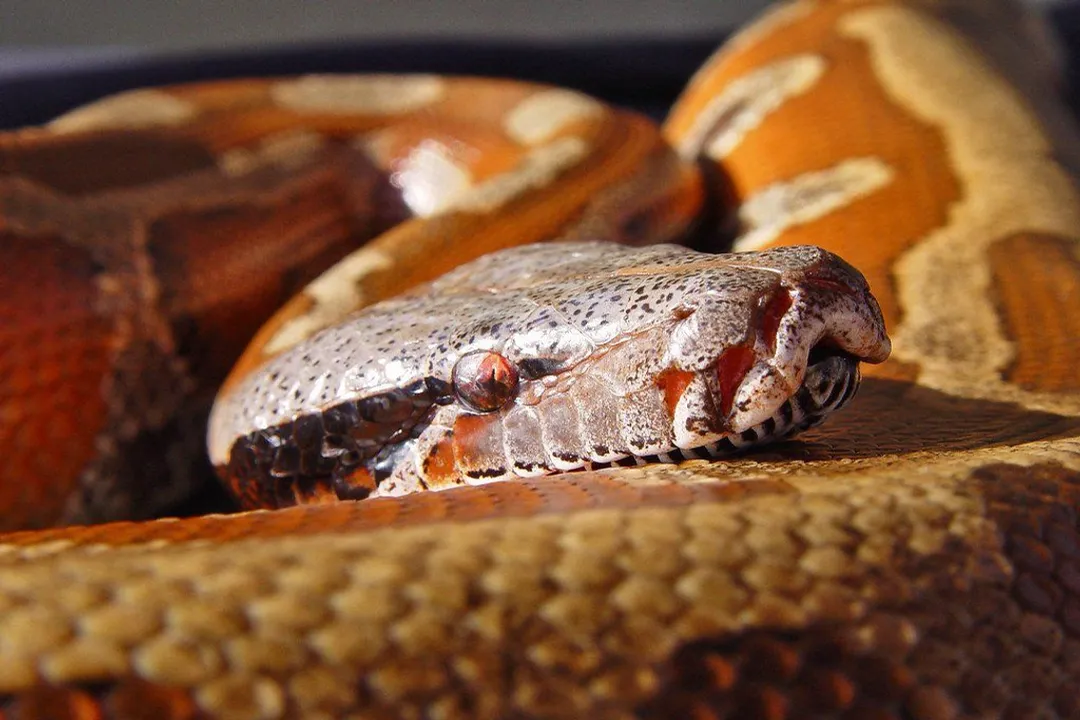
Providing a proper diet is fundamental to keeping any python healthy, and the needs of the Blood Python complex—encompassing the Short-tailed, Sumatran Short-tailed, and Borneo Short-tailed Pythons—are no exception. These snakes are known for their heavy build and typically less active demeanor compared to some of their arboreal cousins, which influences their metabolic needs and feeding schedule. Getting the type, size, and frequency right is key to avoiding common issues like regurgitation or prolonged fasting.
# Prey Selection
The staple diet for captive Blood Pythons, regardless of which specific species they belong to (often sold under the general term "Blood Python"), should consist of rodents. For smaller, juvenile snakes, mice are usually appropriate to start with. As the python grows, you must transition to appropriately sized rats. This transition is vital for maintaining appropriate weight gain without overfeeding, which can lead to obesity, a common problem in captive short-tails.
While there are anecdotal mentions of offering alternative prey items like chicks or quail, especially for very large or reluctant adults, rodents remain the universally accepted primary food source in the hobby due to ease of sourcing and nutritional balance. It is strongly advised to feed pre-killed (or frozen/thawed) prey exclusively. Live feeding introduces unnecessary risk of injury to your snake from the rodent fighting back, which can lead to severe bites or infections that are difficult to treat.
# Sizing Food
The general rule of thumb for prey sizing is critical for successful digestion. The prey item should be no wider than the thickest part of your python's body. If the prey item is too large, the snake will struggle significantly to pass it through its digestive tract, increasing the likelihood of a regurgitation event. Regurgitation is extremely stressful on a snake and can cause health setbacks, sometimes leading to prolonged refusal to eat afterwards.
When selecting prey size, consider the snake's build. A very chunky, well-fed Blood Python might be able to handle a slightly larger meal than a leaner snake of the same weight, but it is always safer to err on the side of caution. If you are making a size jump (e.g., from one size of mouse to a small rat), it’s often best to offer the smaller end of the new size range first to ensure the snake can comfortably digest it.

# Frequency Guide
How often you feed your Blood Python depends heavily on its age, current activity level, and whether you are trying to maintain weight or encourage growth. Younger, growing snakes have higher caloric demands and generally need to eat more frequently than established adults.
For hatchlings and juveniles, feeding every 5 to 7 days is common. This consistent, slightly more frequent schedule supports healthy development. Once the snake reaches a sub-adult stage, you can begin stretching the feeding interval.
For fully grown adults, feeding frequency can slow down considerably, often to every 10 to 21 days. Blood Pythons do not require the very frequent, small meals that some very active snakes might benefit from. An adult that is holding a good body weight and passes urates regularly may only need a meal once every three weeks or even less during the cooler months when their metabolism naturally slows. If you notice your adult snake beginning to look overly heavy or developing prominent spinal ridges, reduce the frequency or slightly decrease the size of the next meal.
| Age/Size Category | Typical Frequency | Purpose |
|---|---|---|
| Hatchling/Juvenile | Every 5–7 days | Growth and development |
| Sub-Adult | Every 7–10 days | Maintenance and steady growth |
| Adult (Maintenance) | Every 14–21 days | Weight management, slowing metabolism |
| Adult (Overweight) | Every 3 weeks or longer | Weight reduction, health monitoring |
A helpful observational tip for keepers of these heavier-bodied pythons is to monitor the snake's overall shape rather than just counting days. If the snake appears to have significant rolls or fat deposits around the base of the tail or along the spine between meals, you are likely feeding slightly too often or the meal size is too large for its current metabolic rate.
# Prey Prep
Presenting the food correctly is just as important as selecting the right item, especially since Blood Pythons are not high-energy, active foragers like some other snake species. Prey should always be completely thawed if frozen. Never use a microwave, as this creates hot spots that can seriously burn your snake internally or externally. Thawing overnight in the refrigerator and then finishing the warming process at room temperature or in a sealed bag submerged in warm (not hot) water is the safest method.
Once thawed, many keepers find success by warming the prey item slightly before offering it. This is done to mimic the body temperature of fresh prey and stimulate the snake's feeding response. You can use a hairdryer on a low setting or simply hold the prey item in your warm hand for a few minutes before presenting it. Given the Blood Python's evolutionary niche as a heavier, ambush predator, practitioners often find that a slightly warmer meal triggers a much more decisive strike response compared to prey that is merely room temperature, especially if the ambient enclosure temperature isn't perfectly optimized.

# Eating Refusals
It is not uncommon for Blood Pythons, particularly large adults or newly acquired animals, to refuse food for periods of time. This can be alarming for new keepers, but it is often related to husbandry issues or natural cycles.
Common reasons for a refusal include:
- Stress: Handling the snake too frequently, especially shortly before or after feeding, is a prime cause of stress-induced fasting. Wait at least 48 hours after a successful feeding before handling again.
- Temperature/Humidity: If the thermal gradient in the enclosure is incorrect, or if humidity is too low, the snake may become stressed or go off feed. Blood Pythons generally require warm basking spots and consistently high humidity for good digestion.
- Shedding: A snake about to shed or currently in the shed cycle will almost always refuse food, as their eyesight is impaired, and they are generally more defensive. Wait until a few days after a successful shed before offering food again.
- Fullness: If the snake recently ate, it may simply not be hungry yet. Never force-feed or keep offering food if the previous meal was accepted.
If a snake refuses multiple meals without any obvious husbandry issue, some keepers may gently scent the prey item by rubbing it with something strongly scented, like a piece of unscented day-old chicken or tuna (ensure the scent does not get on the prey, just near it to encourage investigation). However, this should be a last resort, as the primary focus should always be on perfecting the environment first.
# Record Keeping
Maintaining a feeding log is an important, yet often overlooked, aspect of short-tail ownership. Tracking the date of the last meal, the size and type of prey offered, and whether the meal was accepted or refused allows you to spot trends that might otherwise be missed. This documentation is invaluable when troubleshooting a long fast, as you can definitively rule out short-term causes and see if the fasting period correlates with seasonal drops in temperature or handling routines. For instance, noting that a particular snake reliably skips meals during November and December provides the context needed to calmly wait out a fast rather than panicking and potentially stressing the snake further by offering food too frequently.
#Videos
Blood Python Care and Maintenance - YouTube
Related Questions
#Citations
Feeding - Bloodpythons.com
Feeding a Blood Python : r/snakes - Reddit
Blood Python Care Sheet | DubiaRoaches.com
How accurate is ChatGPT's feeding chart for blood and short-tail ...
Blood Python Care and Maintenance - YouTube
Feeding issues - Short-Tailed Pythons
Blood Python Care And Husbandry - Reptiles Magazine