How rare are cinnamon bears?
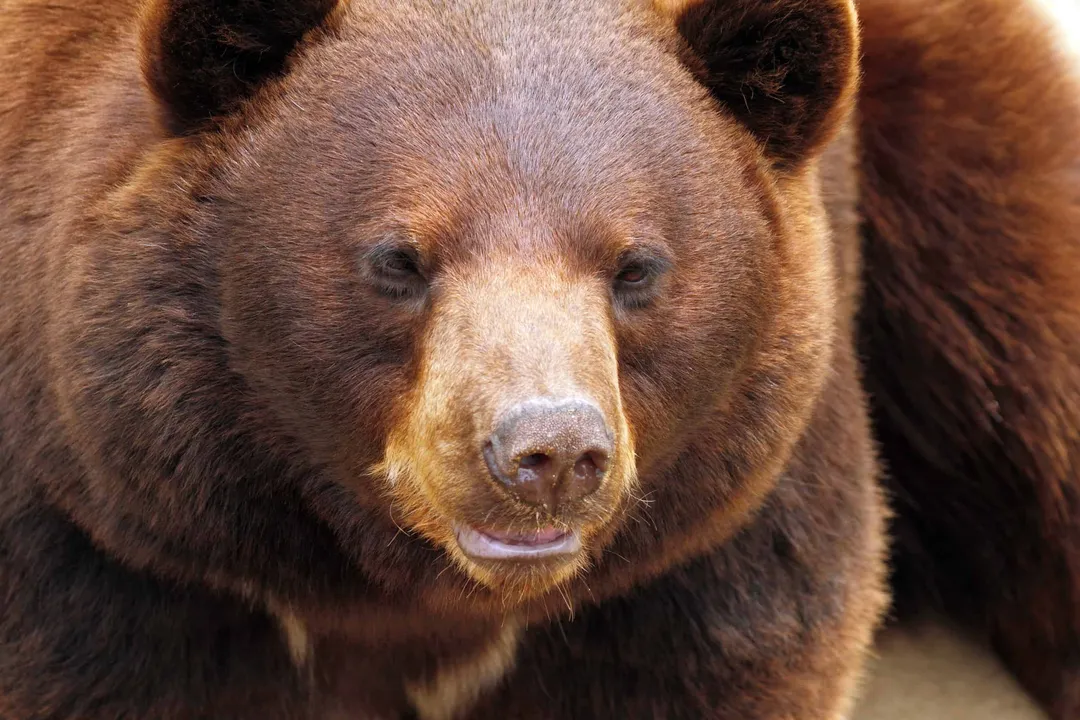
The sight of a cinnamon-colored bear immediately stops traffic, pulls cameras out of backpacks, and sparks intense discussion among wildlife enthusiasts. These bears are not a separate species, nor are they hybrids; they are simply a striking color phase of the American Black Bear, Ursus americanus. [1][5] Scientifically speaking, the term "cinnamon bear" refers to a black bear whose fur happens to be lighter, ranging in hue from a light tan to a distinct reddish-brown, very much like the spice it is named after. [1][5] While the default image of a black bear might be solid black, this species exhibits a wide range of natural color morphs across its range in North America. [9]
# Color Phase Identity
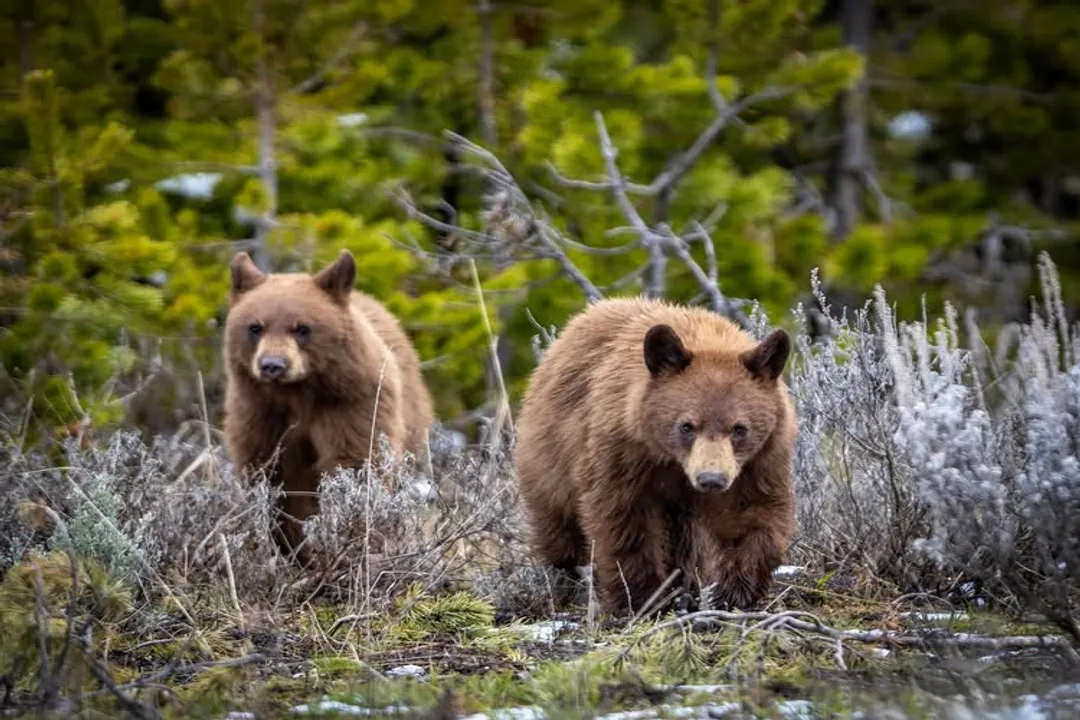
The common name can be slightly misleading because, genetically, these animals are black bears through and through. [1] The color variation is not influenced by diet or environment in the way that some fur colors in other animals might change; rather, it is determined by genetics. [1] This means that two black-furred parents can, under the right circumstances, produce a cinnamon-colored cub, provided both carry the necessary recessive gene. [1] The presence of this color variation is a fascinating reminder of the natural diversity present even within a single, widespread species.
# Regional Prevalence
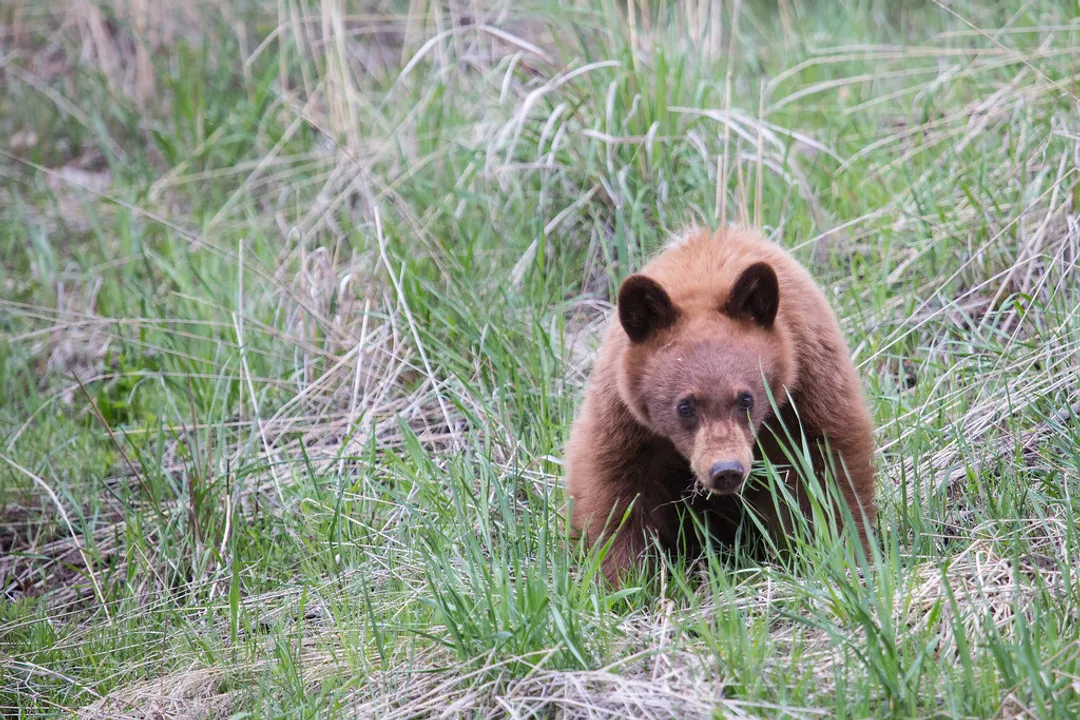
Determining just how "rare" a cinnamon bear is depends entirely on where you happen to be standing when you ask the question. [1] Rarity is a relative concept in biology, particularly when discussing color phases within a widely distributed species like the American Black Bear. [9]
In many areas across North America, the cinnamon color phase is genuinely uncommon, leading to news reports and excitement when one is spotted. [7] For instance, a sighting in Tioga County, Pennsylvania, was highlighted because such occurrences are uncommon in that region. [7] Similarly, reports from West Virginia documenting cinnamon-colored black bears often generate local interest, indicating they are not the majority phenotype there. [8]
However, this rarity dissolves completely when one moves west and into the mountainous regions of the Southwest. [1][9] In areas like New Mexico and Arizona, the cinnamon phase can be relatively common. [1] Sources suggest that in certain specific mountain ranges within the Southwest, cinnamon coloration might constitute as much as 20% of the local black bear population. [1] This wide variation suggests that the gene responsible for the lighter coat is either more frequently present or has been selected for within specific isolated or environmental niches. [9]
To put this geographic difference into perspective, consider this comparison: If the average North American black bear population is generally considered to have about 10% of its members exhibiting non-black color morphs (including cinnamon, brown, and blue/glacier bears), [9] a sighting in a traditional Eastern forest might be the single instance of that 10% showing up in your county. But in certain Western locales, you might see four times the average frequency simply because the local gene pool favors it. This means that a bear that appears rare in one state could be statistically common just a few hundred miles away. [1]
# Genetic Basis
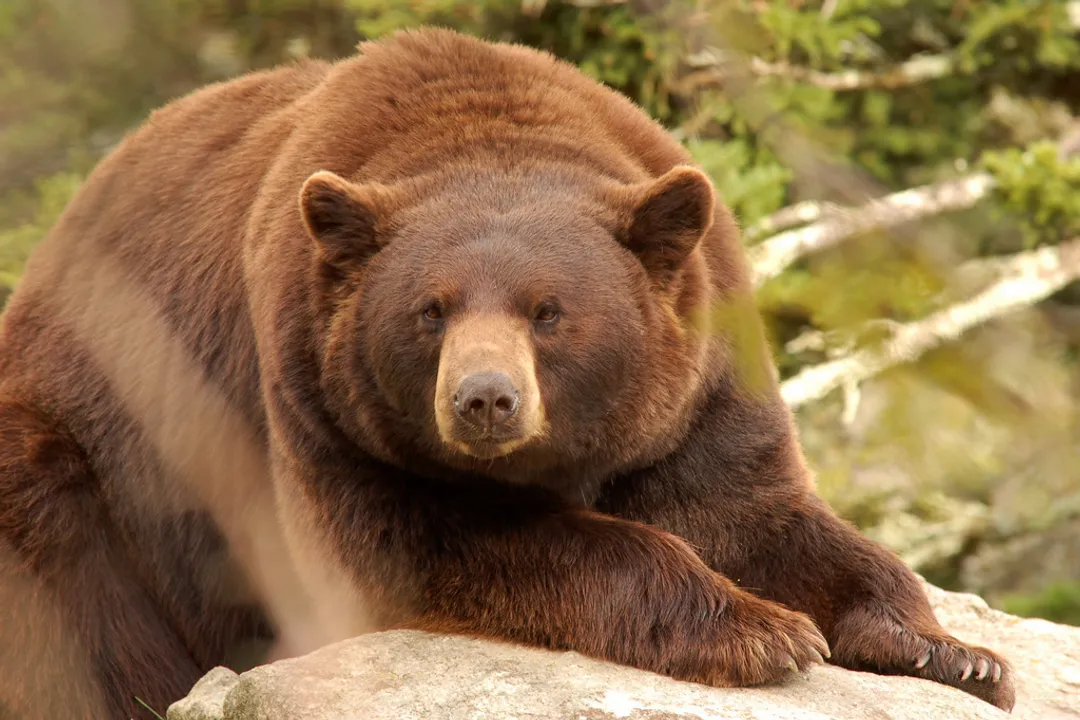
The underlying cause for this beautiful variation is quite straightforward on a molecular level: it is governed by a single, recessive gene. [1] This genetic mechanism is what allows for the existence of these lighter-colored individuals within a population predominantly characterized by black fur. [1]
For a black bear to exhibit the cinnamon coloration, it must inherit the recessive allele from both parents. [1] If a bear inherits at least one dominant allele (the one coding for black fur), it will appear black, even if it carries the recessive cinnamon gene silently. This is standard Mendelian inheritance playing out across the landscape of North American bears. The dominance of the black allele likely reflects evolutionary pressures where darker coloration provided better camouflage, though this advantage may be lessened or negated in the more open, often drier, brown-hued terrain where cinnamon bears are more prevalent. [9]
# Grizzly Confusion
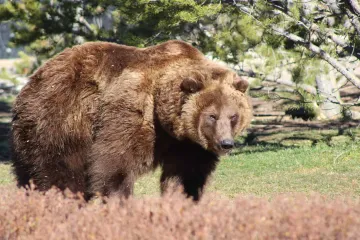
One of the primary concerns when a lighter-colored bear is sighted is misidentification, especially given the historical presence of grizzly bears (Ursus arctos) in many of the same areas where cinnamon bears are found. [5][9] Because of the tan or reddish-brown color, people unfamiliar with black bear polymorphisms can easily mistake a cinnamon phase for a grizzly bear, which are often brown or blond. [5]
However, there are key physical characteristics that reliably separate the American Black Bear, regardless of its coat color, from its larger cousin. [5] The most definitive feature is the shoulder hump. Grizzlies possess a distinct hump of muscle over their shoulders, which aids their powerful digging and striking ability. [5] Black bears, including the cinnamon morphs, lack this hump entirely. [5] Furthermore, grizzlies typically have longer claws and a dish-shaped facial profile, whereas black bears have a straighter facial profile. [5] Learning to look past the fur color and focus on these structural differences is essential for accurate field identification. [9]
# Perception Versus Reality
The overall rarity of the cinnamon bear across the entire species range is relatively low, possibly hovering around the 10% mark continent-wide, but this large-scale statistic masks intense local clustering. [9] The perception of their rarity is heavily skewed by modern communication. When a cinnamon bear is seen—say, a young one near Waterton Canyon in Colorado [4]—the event is often immediately documented and shared widely across social media platforms. [4][7][8]
This high visibility in online spaces can create an illusion of abundance within the digital echo chamber, even if the actual number of cinnamon bears remains statistically small across the entire species range. [9] A single notable sighting in a local newspaper or a viral photo on a forum might lead casual observers to believe they are far more common than they actually are in their specific local environment. [7] For seasoned wildlife managers, these color morphs are a known quantity, but for the general public, each sighting remains a special occurrence that highlights the incredible genetic variability hidden within the familiar black bear population. [9] Observing one is truly a neat opportunity to witness the subtle ways nature expresses itself outside the expected norm.
Related Questions
#Citations
Cinnamon bear - Wikipedia
Cinnamon Bear Animal Facts - U. a. cinnamomum
Cinnamon phase american black bears - Facebook
Young Cinnamon Bear, Waterton Canyon, Colorado - Reddit
Cinnamon Bear Facts and Information | United Parks & Resorts
My cinnamon black bear became rare? - Steam Community
Rare cinnamon bear spotted in Tioga County - NorthcentralPA.com
Cinnamon-colored black bear in WV? - Nature Talk - iNaturalist Forum
The Science of Cinnamon Black Bears - MeatEater
Cinnamon bear - Bear Conservation