What are the characteristics of a cinnamon bear?
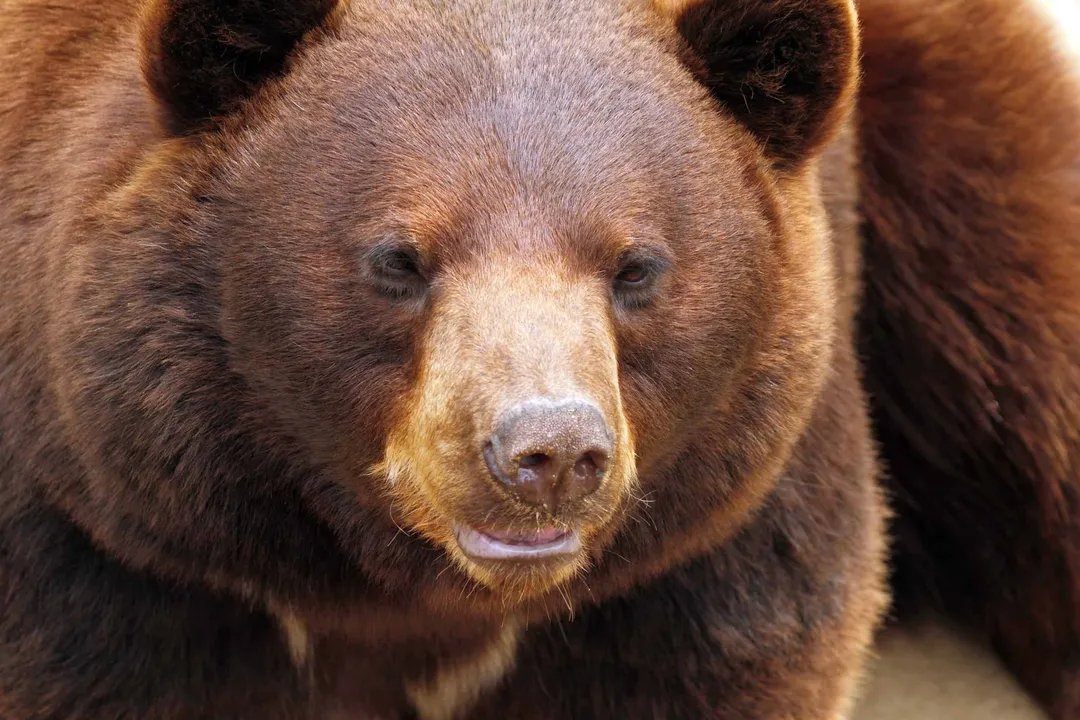
The cinnamon bear is perhaps one of the most visually confusing color variations found in the North American wilderness, often leading to misidentification in the field. [6] Despite the suggestive name, the cinnamon bear is not a separate species, nor is it a true Brown Bear (Ursus arctos). [1][6] Instead, it represents a distinct color phase of the American Black Bear, Ursus americanus. [1][3][5] This means that genetically, a cinnamon-colored bear is the same species as a completely black bear or one with a blue-black coat. [5]
# Color Variation
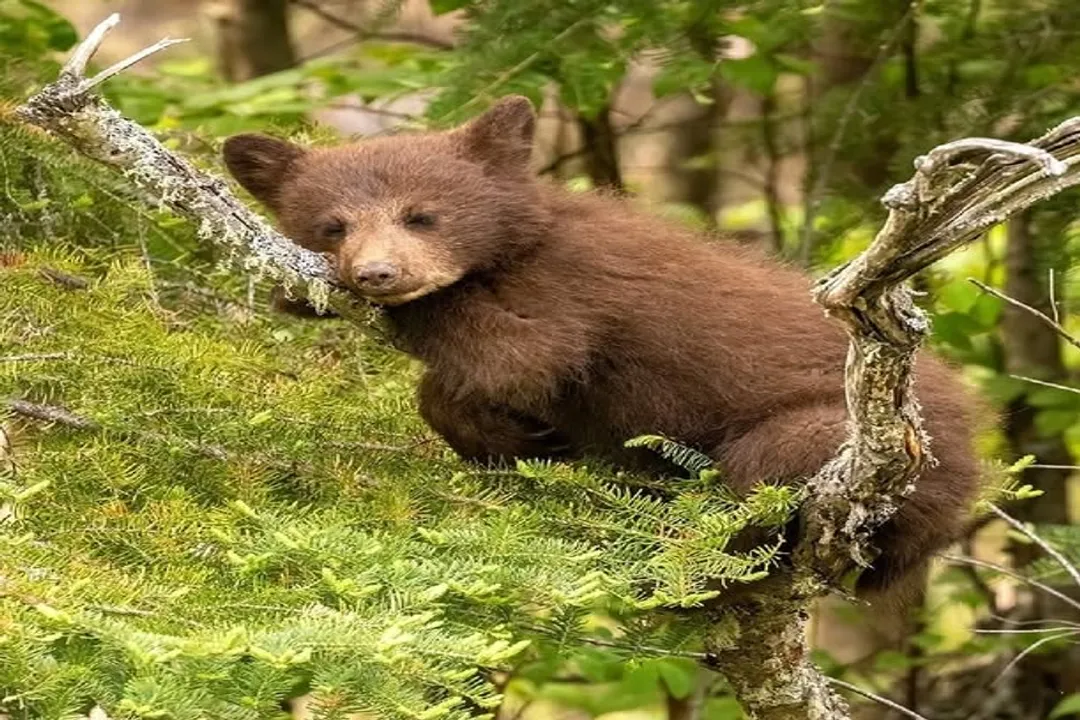
The defining characteristic, naturally, is the coat color, which gives the phase its common name. [2] While the color is generally described as cinnamon, the actual range of hues can be quite broad. [1][5] These bears can exhibit coats varying from a light tan or pale brown to a deeper, reddish-brown shade. [1][2] However, the term is an umbrella description; some individuals may appear dark brown or even almost black, overlapping visually with the standard black phase of the species. [1][5] It is important to note that the existence of this coloration confirms that not all black bears are black. [6]
A fascinating aspect of this color polymorphism is its localized prevalence. While the American Black Bear species covers a vast territory, the frequency of the cinnamon phase seems to concentrate geographically. [9] Research suggests that this coloration is observed more often in the interior West region of North America. [9] It is rare to find this color variation in the East, though not impossible. [9] Furthermore, this variation can even occur within a single family unit; it is not uncommon for a sow to give birth to a litter where one cub is entirely black and another displays the characteristic cinnamon coloring. [9]
| Feature | Cinnamon Bear (Color Phase) | True Brown Bear (Grizzly) |
|---|---|---|
| Species Classification | Ursus americanus [3][5] | Ursus arctos [1] |
| Distinguishing Profile | Straight facial profile [6] | Dish-shaped facial profile (often) |
| Shoulder Structure | No pronounced shoulder hump [6] | Prominent muscular hump [6] |
| Ear Shape | Shorter, rounder ears [6] | Longer, more pointed ears [6] |
| Color | Varies from tan to dark brown [1][2] | Varies, often silver-tipped guard hairs |
# Identification Challenge
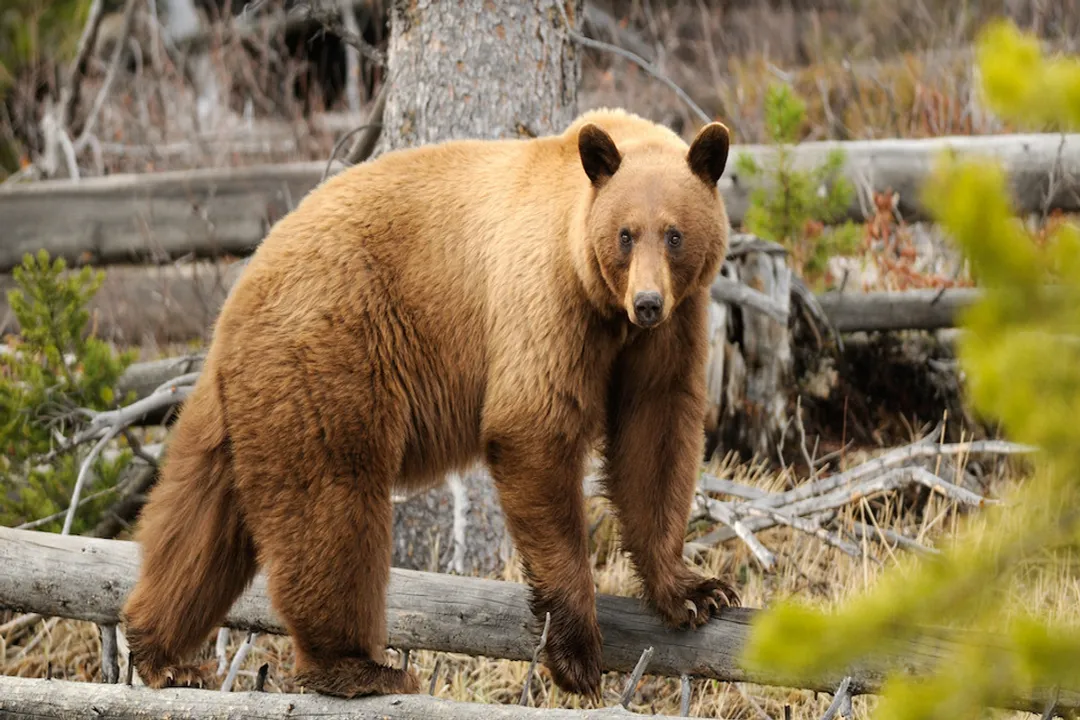
The greatest difficulty associated with the cinnamon bear is distinguishing it from the Brown Bear, especially the Grizzly Bear subspecies, which possesses a brown coat. [6] Many people mistakenly assume any brown-colored bear in North America must be a Grizzly, but this assumption is incorrect and potentially dangerous if it leads to a relaxed approach. [6]
To accurately identify a cinnamon-colored bear as a black bear (and thus, a cinnamon bear), observers must rely on non-color related physical markers. [6] The most reliable indicators involve the bear's silhouette and facial structure. [6] A key differentiator is the shoulder hump; Brown Bears possess a distinctive, pronounced muscular hump over their shoulders, whereas American Black Bears, including the cinnamon phase, lack this feature. [6] Additionally, the snout profile differs: Brown Bears often exhibit a "dished" or concave facial profile, while the American Black Bear has a straighter profile from the forehead to the nose tip. [6] Finally, ear shape is another clue; black bears generally have shorter, rounder ears compared to the longer, more pointed ears of a Grizzly. [6] When you are evaluating a bear in the field, remembering that the shape of the animal is a much more reliable indicator than the color is crucial for safety and accurate reporting. [6]
# Physical Characteristics
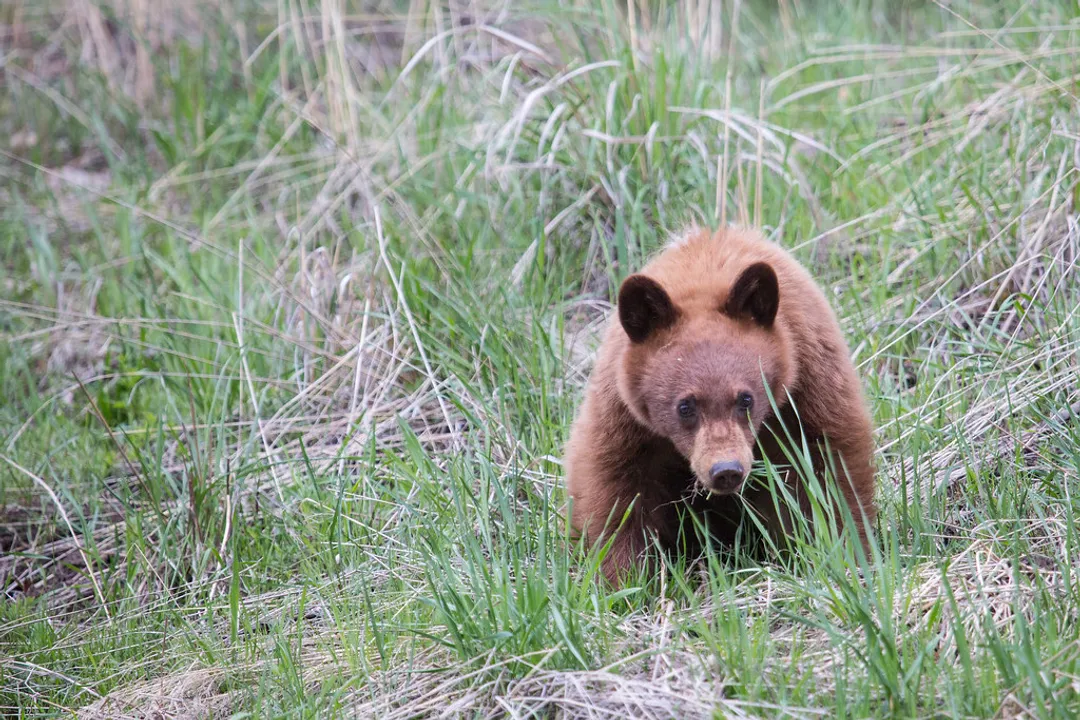
Outside of the coat color, the cinnamon bear shares the fundamental physical characteristics of the American Black Bear species. [5] Their overall size, weight, and body structure align with their black-coated counterparts. [5] Adult males are typically larger than females. [5] In terms of general size expectations, American Black Bears usually weigh between $120$ and $500$ pounds, though this can vary significantly based on location, food availability, and sex. [3] Their lifespan in the wild is generally between $10$ and $20$ years, though they can live longer in captivity. [3]
A helpful piece of context when considering identification is the possibility of confusing the cinnamon phase with the Grizzly Bear, Ursus arctos horribilis, which is a true Brown Bear. [1] True Brown Bears are often larger and possess a prominent shoulder hump. [6] However, one must remember that a cinnamon bear is just a black bear with a lighter coat, not a subspecies like the Coastal Brown Bear or Grizzly. [1][5] The variability in the black bear's appearance, which includes the cinnamon, blue-black, and even rare white Kermode bear phases, highlights the adaptability and genetic diversity within Ursus americanus. [9]
# Ecological Niche
Because the cinnamon bear is genetically identical to other black bears, its ecological role, diet, and behavior are shared across the species range. [3][5] American Black Bears are highly adaptable omnivores. [3] Their diet is diverse, consisting mainly of vegetation like grasses, berries, nuts, and roots, supplemented by insects, carrion, and occasionally small mammals or fawns. [3] They are incredibly opportunistic eaters, a trait that often brings them into contact with human settlements when food sources like garbage or birdseed are available. [3]
Their habitat preference leans toward forested areas, though their adaptability allows them to thrive in various environments from swamps to high alpine regions, provided there is adequate cover. [3] The geographic distribution of the American Black Bear is extensive across North America, covering much of the continent's forested regions. [3] The presence of the cinnamon phase is simply a localized expression of this species' wide genetic plasticity within that range. [9] Recognizing that the cinnamon bear is driven by the same survival imperatives—finding food, denning for winter, and reproducing—as its black relatives helps manage interactions, especially in areas where these color phases are common. For instance, if a cinnamon bear is sighted near a campground, the best practice, as with any black bear, is to secure all attractants immediately, as habituation to human food sources is a primary driver of negative wildlife encounters. [3]
Related Questions
#Citations
Cinnamon Bear Facts and Information | United Parks & Resorts
Cinnamon Bear Animal Facts - U. a. cinnamomum
Cinnamon bear - Bear Conservation
Cinnamon bear(Ursus americanus cinnamomum) by @craig_hilts
Cinnamon bear - Grokipedia
When it comes to ID'ing bears, people can get confused by “brown ...
Cinnamon Bear - Zoo Tycoon Wiki - Fandom
Cinnamon bear | Domain Of The Bears - ProBoards
The Science of Cinnamon Black Bears - MeatEater