What is the difference between a pocket pittie and a pocket bully?

The world of modern canine classification can feel like navigating a maze, especially when terms like Pocket Pittie and Pocket Bully enter the conversation. To the casual observer, they are both compact, muscular dogs that share a general "blocky-headed" look, leading to frequent mislabeling and confusion among owners and potential adopters. While both terms denote a smaller version of a larger dog type, their origins, intended structure, and genetic makeup are distinctly different, rooted in separate breeding philosophies spanning decades. Truly understanding the difference requires moving past the convenient shorthand and looking at lineage and registry status.
# Breed Origins

The fundamental difference between these two smaller dogs lies in what they are miniature versions of. The designation of "Pit Bull" itself is often used as an umbrella term for several breeds, including the American Pit Bull Terrier (APBT), American Staffordshire Terrier, and Staffordshire Bull Terrier.
The Pocket Pit Bull is generally understood as a hybrid developed during the 1990s wave of "designer breeding". This type is created by crossing one of the recognized pit bull breeds with a smaller breed, specifically the Patterdale Terrier. The goal was to retain the recognizable pit bull appearance but shrink the overall stature, somewhat akin to how toy breeds are miniaturized versions of standard dogs. Because this is a hybrid, there is no official, consistent breed standard recognized by major kennel clubs. Some in the community even suggest that any smaller pit-type dog is labeled a "Pocket Pittie".
In contrast, the Pocket Bully is categorized under the American Bully breed umbrella. The American Bully breed itself began developing in the 1990s, utilizing APBTs and AKC Amstaffs as its foundation, often crossed with the Bulldog. Crucially, the American Bully was recognized by its own kennel club in 2004 and later by the UKC and ADBA, establishing it as a distinct breed separate from the APBT. The Pocket Bully is simply the designation for the smallest class within the recognized American Bully breed standard, which also includes the Standard, Classic, and XL variations. While the foundation involved pit bulls, breeders refined the bloodlines specifically for a unique build and temperament, steering away from the original purpose of the APBT.
# Size and Structure
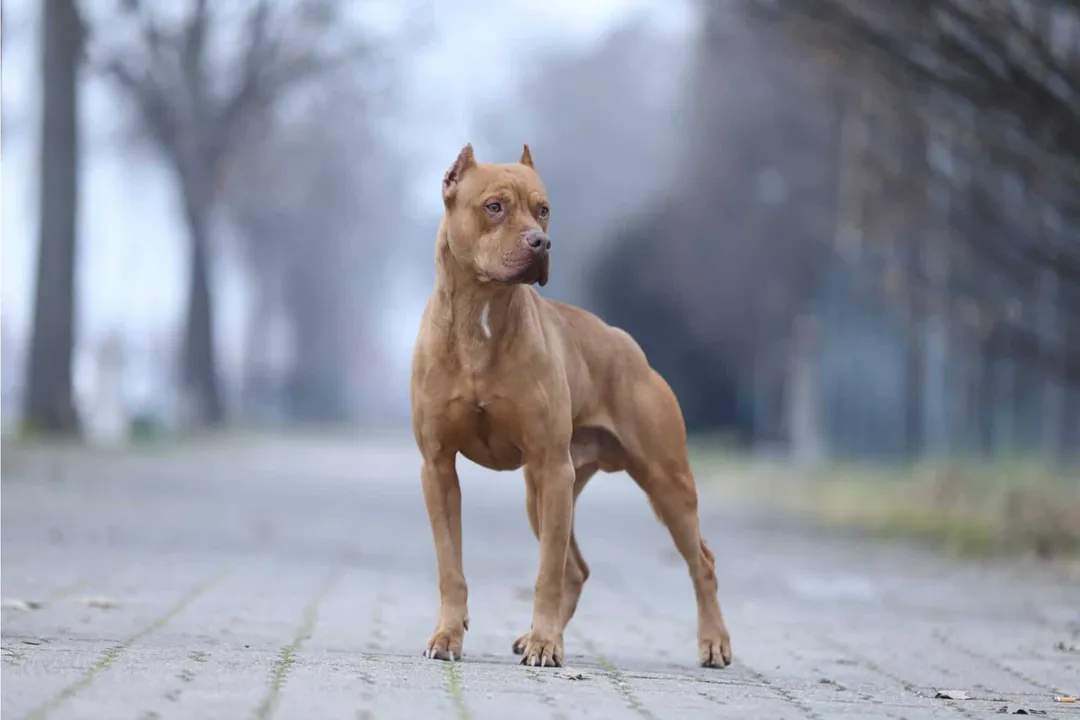
Size is the most obvious point of comparison, as the "pocket" designation implies a low weight and height profile for both. However, their way of being small reflects their lineage differences.
The standard Pit Bull averages 18–24 inches in height and can weigh up to 80 lbs. The Pocket Pit Bull, on the other hand, is significantly downsized, typically ranging from 12–16 inches tall and weighing in the 11–22 lb range, often about one-third the weight of a standard pitty mix.
The Pocket Bully derives its structure from the American Bully, which is generally heavier, bulkier, and broader than the APBT. A standard American Bully can exceed 100 pounds, featuring a broad-shouldered, wide stance. Therefore, the Pocket Bully is a miniaturized version of this bulkier template. While specific weight data for the Pocket Bully compared to the Pocket Pit Bull isn't universally standardized across sources, observational data suggests that while both are small, their density may differ. In one comparison video between a 10-month-old Pocket Pit and a 10-month-old Pocket Bully, the Pocket Pit appeared deceptively small—like a very young puppy from a distance—but was noted to have a denser frame and firmer muscles than a puppy of that apparent size, implying a different kind of compactness than the often heavier, blockier Pocket Bully build.
To visualize the general structural divergence based on their respective breed lines:
| Feature | Pocket Pit Bull (Hybrid/Mix) | Pocket Bully (American Bully Type) |
|---|---|---|
| Foundation | Pit Bull Breeds + Patterdale Terrier | American Bully (APBT, Amstaff, Bulldog crosses) |
| General Build | Miniature version of a standard, athletic pit type; tends toward leaner muscle | Miniaturized version of the heavier, bulkier, broad-shouldered American Bully |
| Height | Generally 12–16 inches | Smaller classification within the recognized AB sizes |
| Distinguishing Trait | May show the Patterdale Terrier influence in overall shape | Bred for exaggerated, compact features associated with the Bully line |

# Temperament and Drive
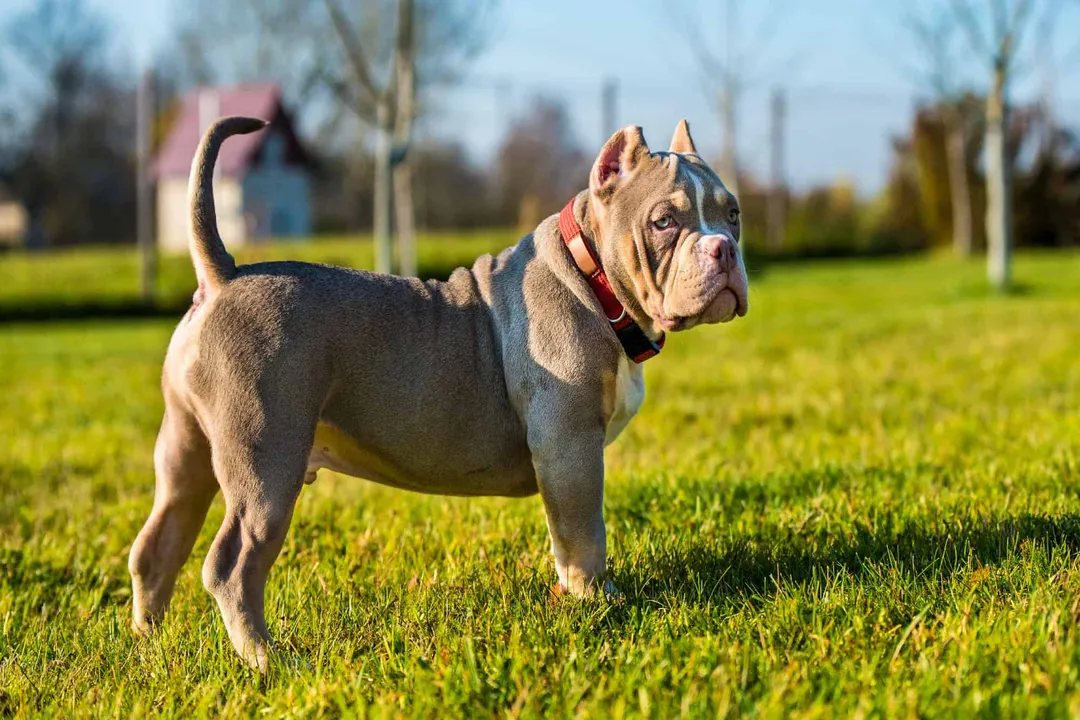
When looking at temperament, affection and intelligence are common threads, as both types generally descend from companionable stock. Both are described as courageous, loving, and intelligent dogs. However, the genetic input of the crossbred Pocket Pit Bull introduces a variable that the established Pocket Bully line minimizes.
The Patterdale Terrier cross in the Pocket Pittie can sometimes contribute to a higher prey drive compared to a standard pit bull. This means a Pocket Pittie might be more instinctually driven to chase small, fast-moving animals like squirrels.
Conversely, the American Bully line, including the Pocket variation, has been deliberately bred away from the working/sporting aspects that once defined the APBT. The APBT was bred to be strong yet agile for dog sports, but the American Bully was bred specifically as a companion dog, leading to less emphasis on work drive and lower animal aggression tendencies (though aggression of any kind is undesirable in any breed). Breeders selected for temperament and a specific look, leading to a dog that is generally less prey-driven than its leaner, athletic ancestors.
# The "Pocket" Trap
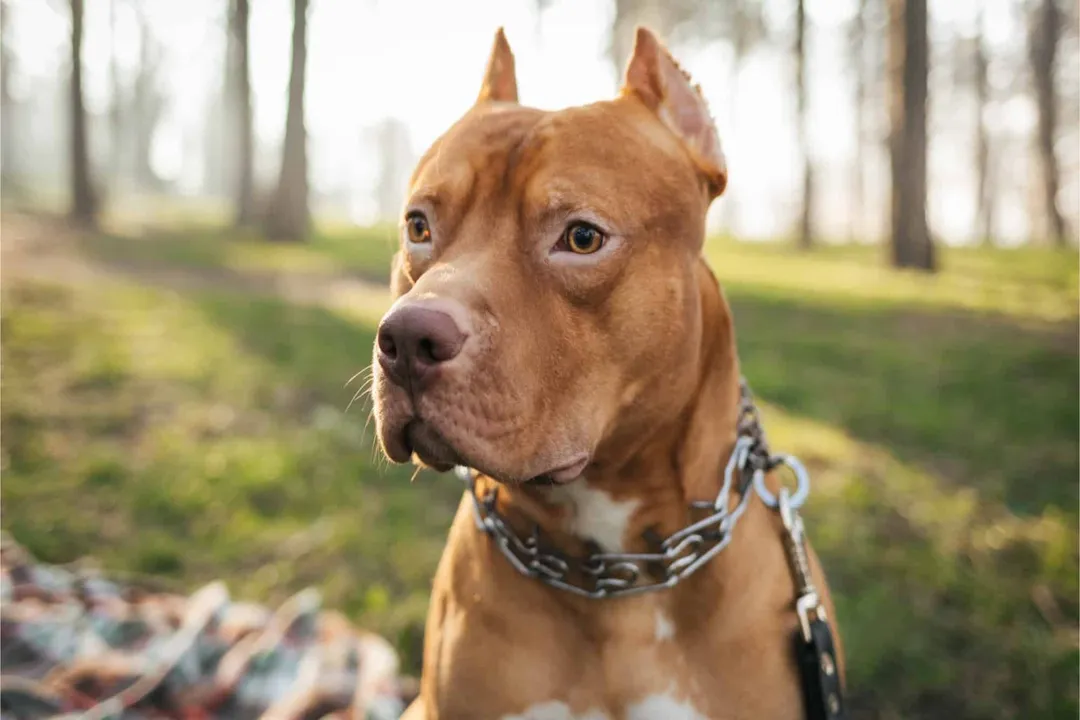
It is essential to recognize that outside of the American Bully registry, the term "pocket" often signifies a niche created by backyard breeders focused solely on marketing size rather than lineage confirmation. This is perhaps the most critical point for potential owners to grasp: the "pocket" label is highly fluid.
When a breeder heavily emphasizes the "pocket" or "teacup" status, it can be a significant red flag indicating that health was sacrificed to achieve the small size. Some of these extremely miniaturized dogs can develop physical complications, even appearing unable to move properly if the breeding was highly unethical. This commercial pressure to shrink the dog supersedes established breed standards, blurring the lines between a legitimately bred Pocket Bully and an in-between mix like a Pocket Pittie, or worse, a poorly constructed hybrid. For instance, a dog labeled "Pocket Bully" by an unregistered source might share far more genetic traits with a Patterdale mix than a true American Bully.
If you encounter a dog described using any of these "miniature" labels, it becomes less about finding a perfect classification and more about responsible ownership planning. A savvy potential owner recognizes that regardless of the name—be it Pocket Pittie or Pocket Bully—the health prognosis and temperament potential are heavily dependent on the ethics of the breeder or the circumstances of the rescue. This realization shifts the focus from pedigree papers to practical preparation, requiring an owner to have contingency plans for potential vet costs associated with size extremes in any bully-type dog.

# Assessment Tips
Given the ambiguity, how does one discern the likely heritage of a smaller, blocky-headed dog without official registration papers detailing its ancestry? Since the Pocket Bully is an established type within the American Bully breed, it carries that specific, bulkier aesthetic. The Pocket Pittie, being a hybrid, leans back toward the structure of the APBT/AmStaff but with the smaller Patterdale influence.
While a genetic test provides the only definitive answer, visual assessment can offer subtle clues rooted in breed selection priorities. An owner looking to differentiate between a dog leaning toward the Pocket Bully structure versus one leaning toward the Pocket Pittie might observe the head and overall frame. Dogs prioritizing the American Bully look—the Pocket Bully side—will often exhibit a broader chest, heavier bone structure, and a distinctly wide, blocky head. If the dog, despite being small, appears leaner, perhaps with a slightly less exaggerated muzzle or a more athletic, less "cobby" build, it may carry more of the working terrier or Patterdale lineage, suggesting a Pocket Pittie background. Ultimately, if the dog is a rescue or mix, accepting that it is a wonderful, smaller bully-type dog that requires responsible ownership is the most important step, rather than getting hung up on the precise marketing term used by a previous owner or shelter.
#Videos
A "Pocket PitBull" Compared to a "Pocket Bully" - YouTube
American Bully Vs Pocket Bully: We explained all the differences ...
Related Questions
#Citations
A "Pocket PitBull" Compared to a "Pocket Bully" - YouTube
Is this a pitty? Owner says he's a pocket bully… help! : r/pitbulls
Pocket Pit Bull vs Pit Bull - A-Z Animals