What is the difference between a groundhog and a woodchuck?
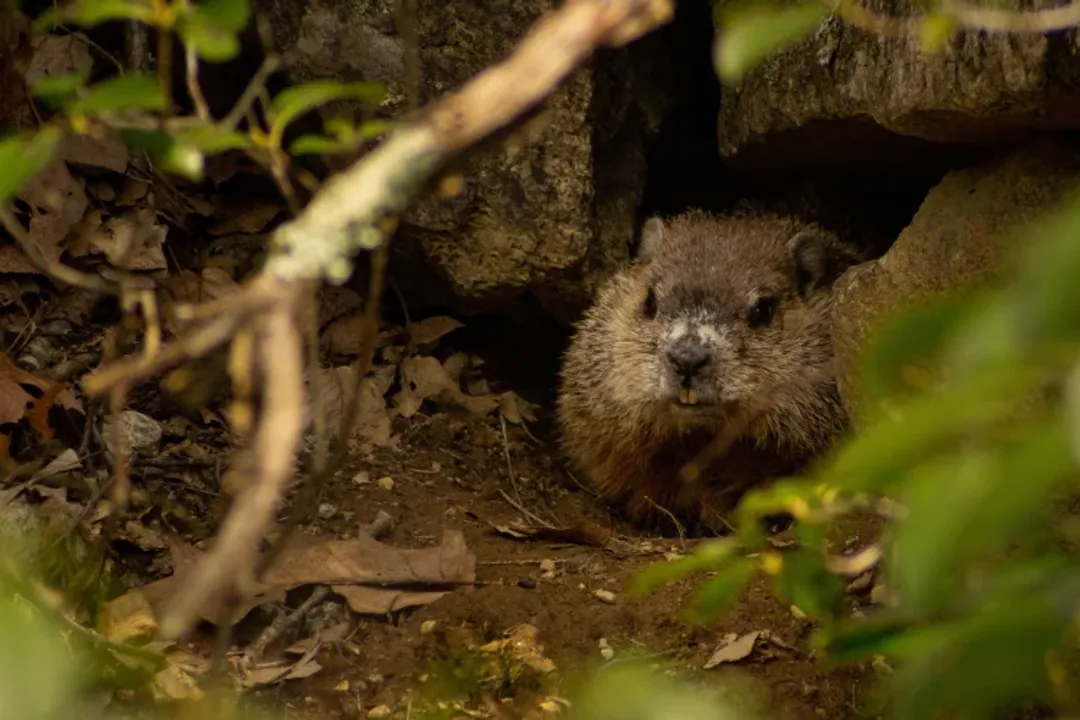
This common woodland critter often sparks debate among casual observers and wildlife enthusiasts alike: is it a groundhog or a woodchuck? The simplest answer, and perhaps the most surprising for those expecting a distinct biological separation, is that they are entirely the same animal. [1][2][3][6] Whether you call it a groundhog or a woodchuck, you are referring to Marmota monax, [7] a large, stout rodent native to North America. [9] This identity overlap is the main source of confusion, leading people to search for differences that simply do not exist in terms of species classification. [4][10]
# Same Animal
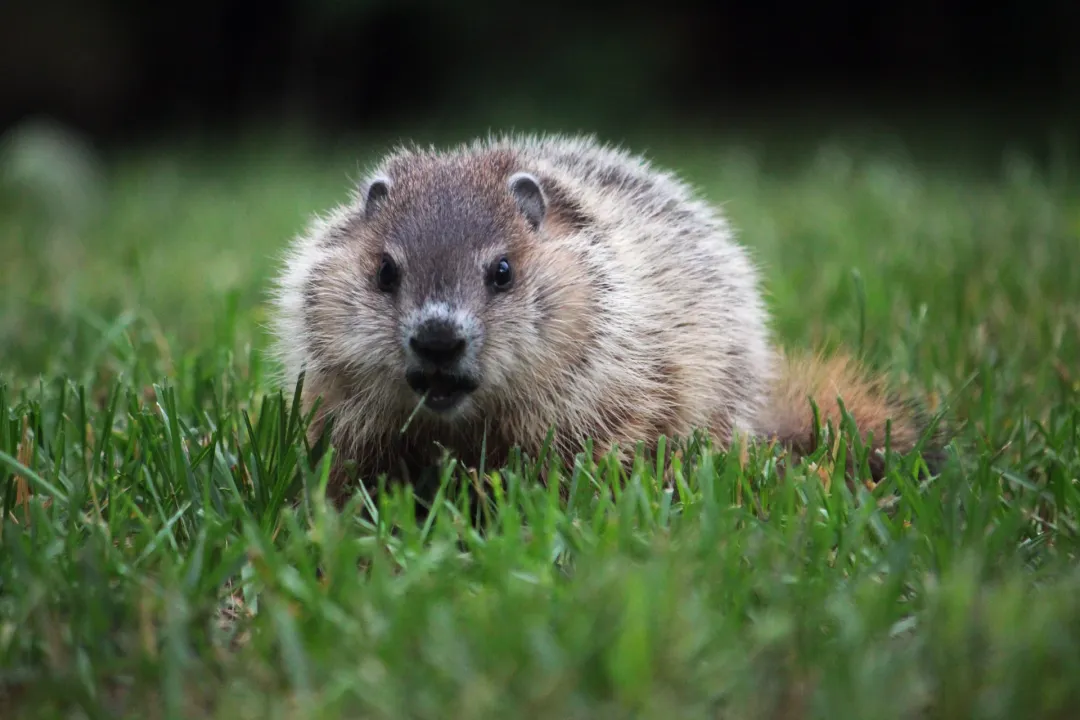
To be absolutely clear, every groundhog is a woodchuck, and every woodchuck is a groundhog. [2][3] They share the same genus, Marmota, placing them in the group of large ground squirrels. [7] These animals are well-known members of the squirrel family, Sciuridae. [9] The use of two different common names for the exact same creature highlights how local language and historical context can influence our everyday descriptions of the natural world. [4] There is no scientific basis for separating the two terms; they are simply common names applied to one species. [1][10]
# Name Derivation

The difference, if one can even call it that, lies purely in etymology and regional preference. [4] The name woodchuck is generally thought to have originated from the Algonquin Indian word wuchak or weejack. [2] This term, descriptive of the animal, was adopted by early European settlers. [2] It is a classic example of an English approximation of a native sound, much like the term "chipmunk" derived from the sounds they make. [2]
Conversely, groundhog is a more descriptive English term, referencing the animal's primary habits: spending much of its time on the ground and digging extensive burrows beneath it. [3][8] While Marmota monax is the universally accepted scientific label, the regional popularity of "woodchuck" versus "groundhog" can vary depending on where you are in North America. [4]
When mapping out their primary characteristics, the consistency is striking, regardless of which name tag is applied:
| Characteristic | Detail | Source |
|---|---|---|
| Scientific Name | Marmota monax | [7] |
| Order/Family | Rodentia / Sciuridae (Squirrel Family) | [7][9] |
| Size | Up to 20 inches long, plus tail | [8] |
| Weight | Can weigh between 5 and 14 pounds | [8] |
| Activity | Diurnal, primarily active in early morning/late afternoon | [7] |
| Winter State | True hibernator, can lower heart rate significantly | [7] |
The mere existence of these two common names shows the tendency to label wildlife based on sound (woodchuck) versus behavior (groundhog). If you are in a region where Algonquin roots are historically stronger in the local dialect, you might hear "woodchuck" more frequently, whereas areas favoring descriptive English common names lean toward "groundhog". [4]

# Key Traits Shared
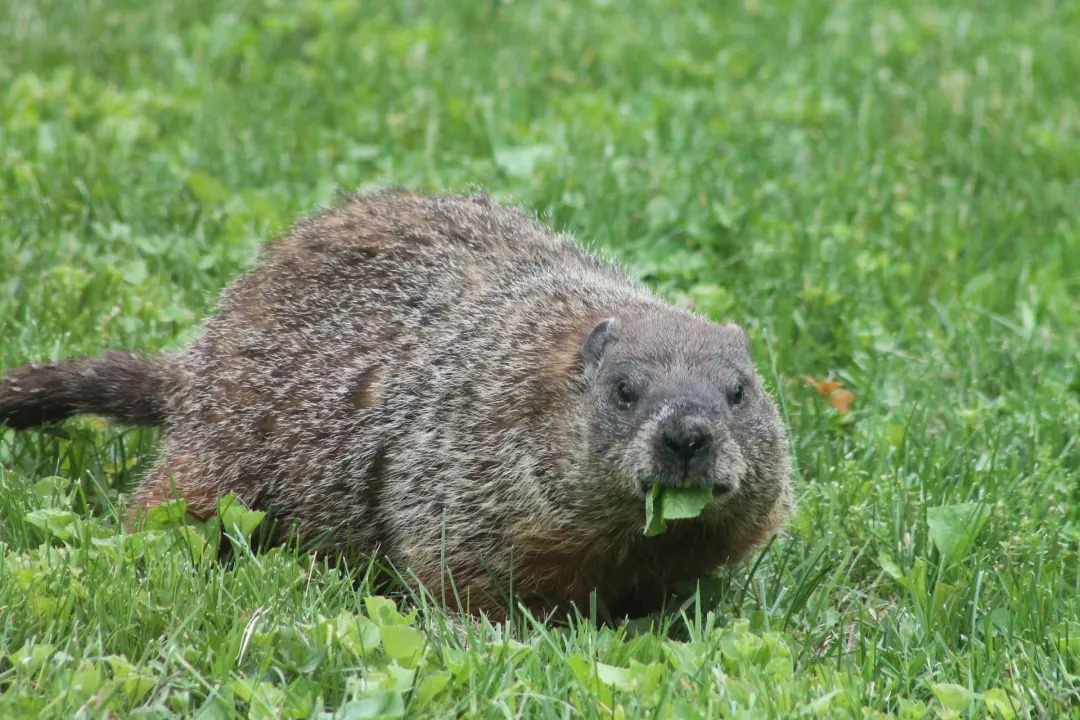
Because they are the same animal, both names describe a medium-to-large rodent known for its impressive burrowing capabilities. [7][8] They are true hibernators, often sleeping soundly from about October or November until February or March, depending on the climate. [7] During this extended winter rest, their body temperature drops, and their heart rate slows considerably. [7]
Their diet is strictly herbivorous. They enjoy grasses, clover, alfalfa, garden vegetables, and various wild plants. [7][8] This dietary preference is often what brings them into conflict with gardeners and farmers, as they can consume significant amounts of cultivated crops. [8]
Another shared trait is their architecture. They construct elaborate underground tunnel systems, often featuring multiple entrances and chambers for nesting and waste. [7][8] These burrows can be quite deep, sometimes extending several feet underground, providing excellent insulation from temperature extremes and protection from predators. [8] The presence of a large mound of excavated dirt near a hole, often three to ten inches in diameter, is a telltale sign that a Marmota monax has established a residence nearby. [8]
# Distinguishing Rodents
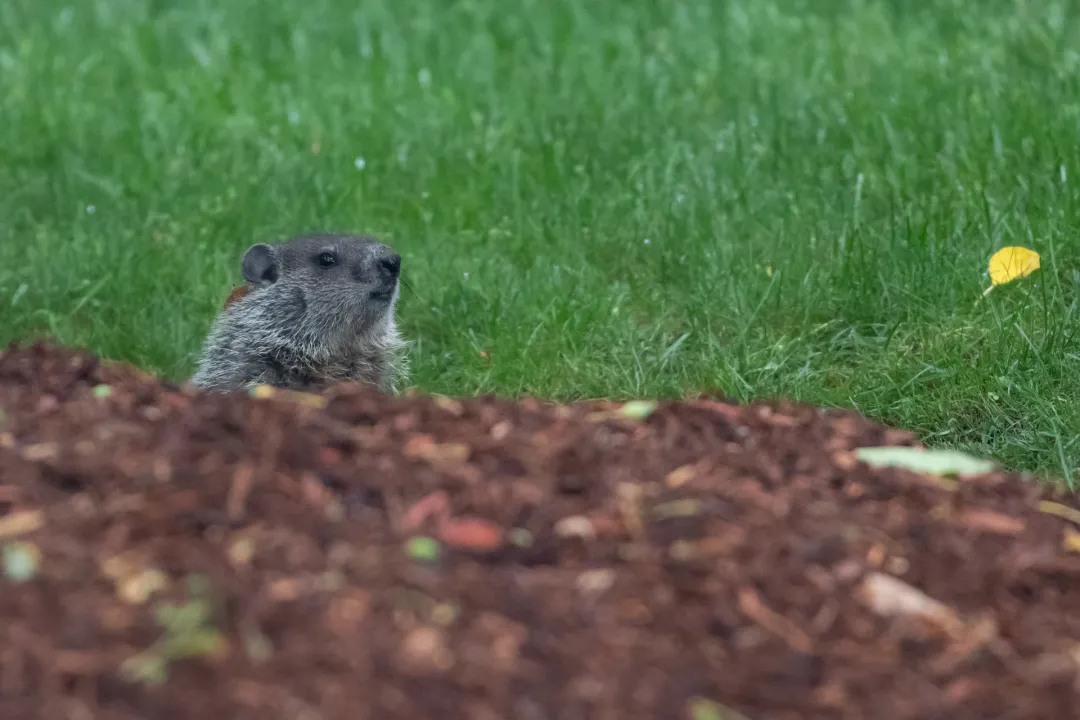
While the groundhog/woodchuck name swap is a linguistic quirk, sometimes the true confusion arises when people try to differentiate this animal from other burrowing mammals, such as gophers. [4] This is a worthwhile distinction to make, as their ecological roles and management strategies can differ significantly.
A common point of confusion stems from the fact that both groundhogs and gophers dig tunnels. [4] However, a groundhog (woodchuck) is significantly larger than most gopher species. [4] A groundhog is stocky, measuring up to 20 inches long with a short, bushy tail. [8] Gophers, on the other hand, are generally smaller and often identified by the large mounds of dirt they push up, which are typically crescent or fan-shaped, with the tunnel entrance plugged near the center of the mound. [4] Groundhog mounds are often described as being more like a dirt pile at the entrance of a prominent opening, rather than the neat, plugged fan shape associated with gophers. [8]
Consider this practical tip for confirming your resident’s identity based on tunnel signs: If you notice the main entrance hole is large, perhaps wide enough for a small melon, and the dirt is loosely piled around it in a rough apron, you are likely dealing with a woodchuck. [8] If the mounds look like small volcanoes, sealed with a cork of dirt, you might be dealing with a pocket gopher, which is a much different species altogether. [4]
# A Note on the Marmot Family
It is helpful to place the groundhog/woodchuck within its broader family context. The groundhog is the largest member of the marmot genus found in North America. [7] While the term "woodchuck" is specific to Marmota monax, other marmots exist across North America and Eurasia, such as the yellow-bellied marmot or the hoary marmot, each having distinct appearances and ranges. [7] The groundhog's ability to hibernate so deeply makes it unique among many of its smaller squirrel relatives. [7] This deep dormancy is a critical adaptation to survive periods where its primary food sources—fresh greens—are unavailable. [7]
Thinking about their environmental impact offers another layer of understanding. Because they create such large, complex underground networks, the groundhog significantly alters soil structure wherever they live. [8] In agricultural areas, this disruption can be a nuisance, but in natural settings, their abandoned burrows can provide temporary shelter for smaller creatures like opossums or foxes. [8] Their role shifts from pest to ecosystem engineer depending on the landscape they occupy.
In summary, the question isn't about choosing between two different animals; it's about acknowledging linguistic variation. [1][4] Whether you call it the burrowing, hibernating, herbivorous Marmota monax a groundhog or a woodchuck, you are pointing at the same fascinating creature occupying the fields and woodlands of the continent. [7][9] The two names serve as a pleasant reminder that language evolves to describe the familiar, sometimes resulting in colorful duplication. [2]
Related Questions
#Citations
Woodchuck vs. Groundhog: What's the Difference? - Terminix
Groundhog, woodchuck -- what's the difference?
Groundhog vs. Woodchuck - Critter Control
Gopher vs. Groundhog vs. Woodchuck: How They Differ
Groundhog or woodchuck? Taxonomically, there is no difference ...
Woodchucks (Groundhogs) - Mass Audubon
How to Get Rid of Groundhogs: Woodchuck Facts, Photos, Info
The groundhog or woodchuck is a rodent native to North ... - Reddit
What is the difference between a groundhog and a woodchuck?