What is the coolest fact about snakes?
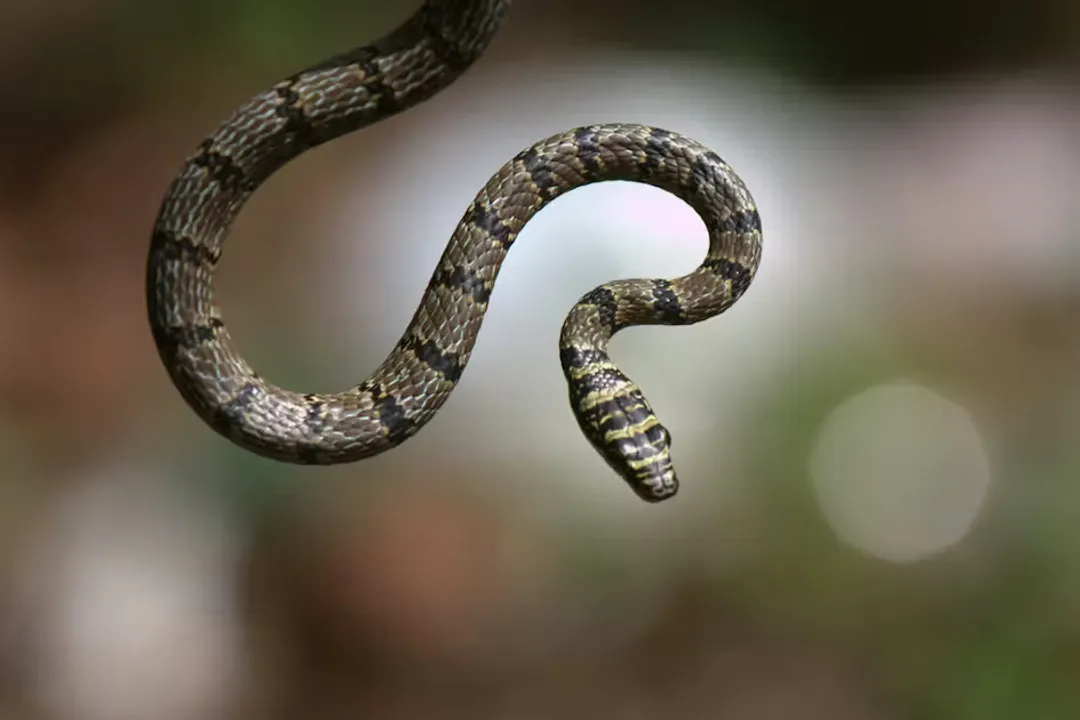
The sheer variety of adaptations found within the serpentine world presents a strong case for choosing one specific "coolest" fact, though the answer often shifts depending on whether one prioritizes anatomy, sensory perception, or sheer diversity. Perhaps the most mind-boggling feature is the snake’s specialized ability to consume prey items vastly larger than its own head, a feat that seems to defy standard biological limits. [3][5] This capability stems from a highly kinetic skull structure that differs significantly from our own, allowing them to swallow meals that might take days or weeks to digest. [5]
# Jaw Mechanics
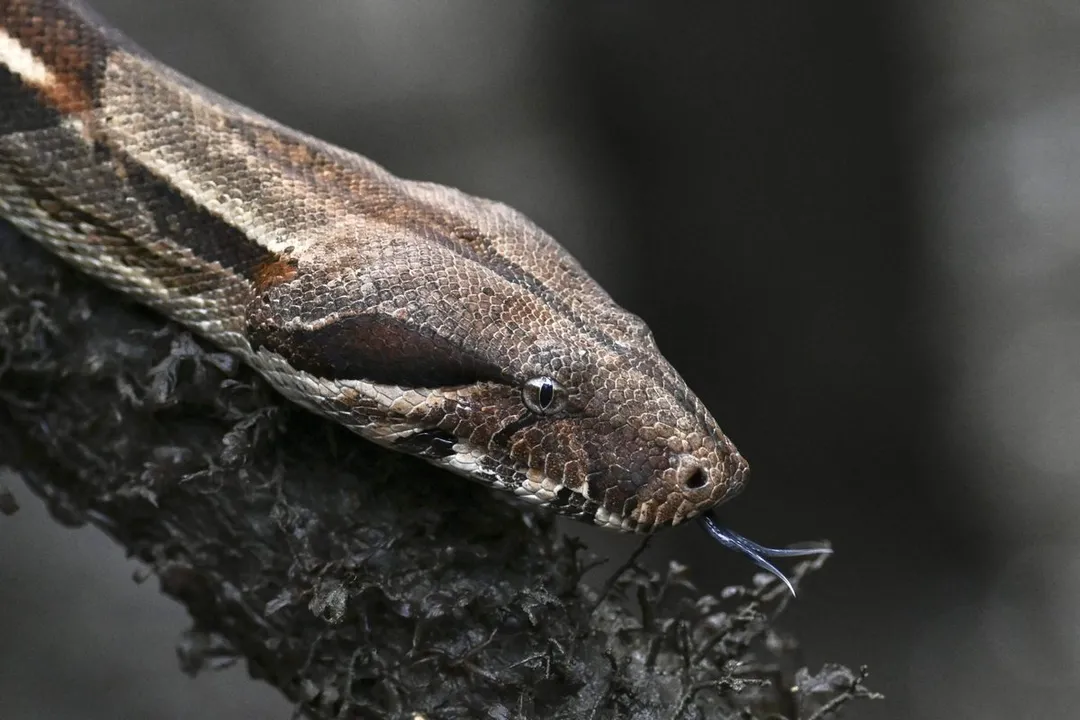
The secret to this impressive consumption lies primarily in the lower jaw. Unlike mammals, a snake’s mandibles are not rigidly fused at the chin. [3][5] Instead, the two halves of the lower jaw are connected by a highly elastic ligament. [5] This connective tissue stretches considerably, allowing the jaw to separate and move independently of the other side. [5]
Furthermore, the quadrate bones—which connect the lower jaw to the skull—are exceptionally long and mobile. [5] This design lets the snake swing its lower jaw forward to grab and anchor onto prey, then swing the other side forward in an alternating, walking motion to pull the meal into its throat. [5] When not actively feeding, the jaws return to their normal, relatively narrow configuration. [5] It’s a biological marvel of kinetic engineering, making the common sight of a snake swallowing a large rodent look almost surreal. [5]
# Sensory Input
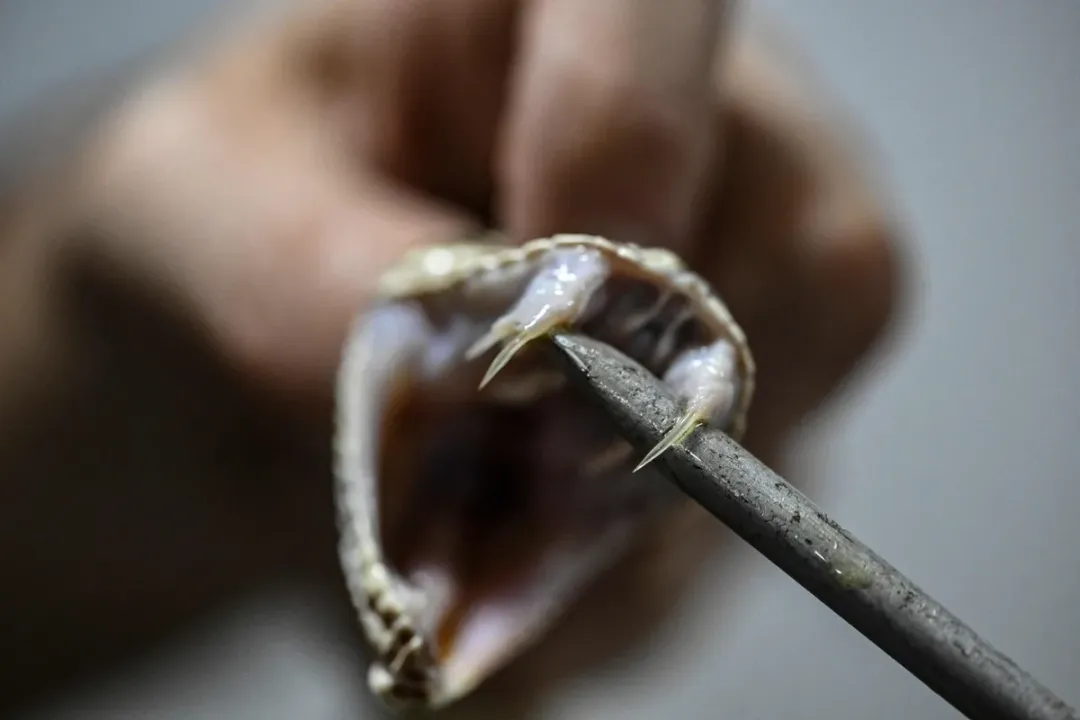
If swallowing large meals is the coolest structural feature, the way snakes experience their environment is arguably the coolest sensory feature. They do not "smell" in the way we understand it; they "taste the air" using their forked tongues. [4]
The tongue flicks out, not to taste something directly on the ground, but to collect microscopic scent particles from the air and ground. [4] These particles are then retracted and inserted into two openings in the roof of the mouth that lead to the vomeronasal organ, also known as Jacobson’s organ. [4] This dual system allows the snake to process the collected chemical signals, effectively giving it directional scent information. [4] The forked nature of the tongue is key here; it provides stereo input, meaning the snake can determine which fork picked up a stronger concentration of a scent, giving it a sense of where that scent originated. [4] When observing a snake, a slow, gentle tongue flick is often research, whereas rapid, jerky flicks usually mean the snake is highly alert or tracking something specific. [1]
# Physiological Extremes
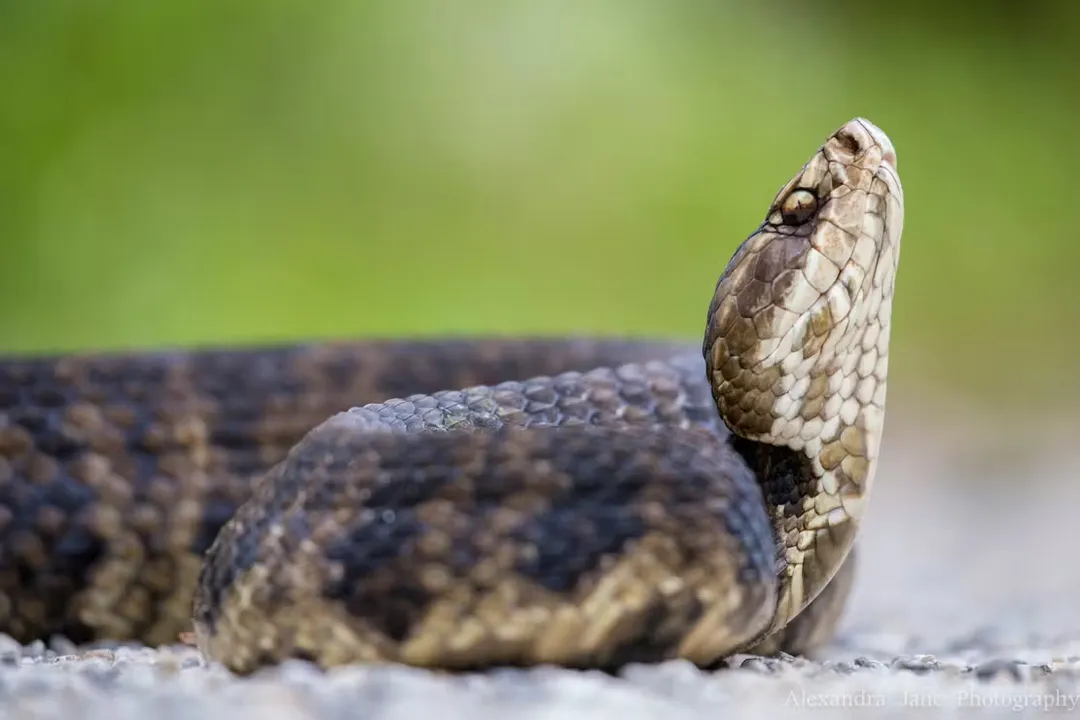
The world of snakes is also defined by extremes in size and specialized toxins. Consider the sheer range of body plans. On one end, you find the Barbados threadsnake (Tetracheilostoma carlae), which may be the smallest known snake species, perhaps no thicker than a piece of spaghetti. [6][7] On the other end of the scale are the giants, such as the Reticulated Python, which holds the title for the longest snake species globally. [7]
Then there is the contrast in predation methods. While many people instantly associate snakes with venom, a significant number rely on sheer strength and suffocation. [5] Constrictors, such as boas and pythons, wrap around their prey and squeeze, causing circulatory arrest or suffocation. [5] This is distinct from venomous snakes, which use specialized modified saliva (venom) injected via fangs to subdue or kill their targets. [5] The danger level of venom also varies wildly; the venom of the Inland Taipan, for example, is incredibly potent, often cited as the most toxic of any land snake. [6]
# Ecdysis Details
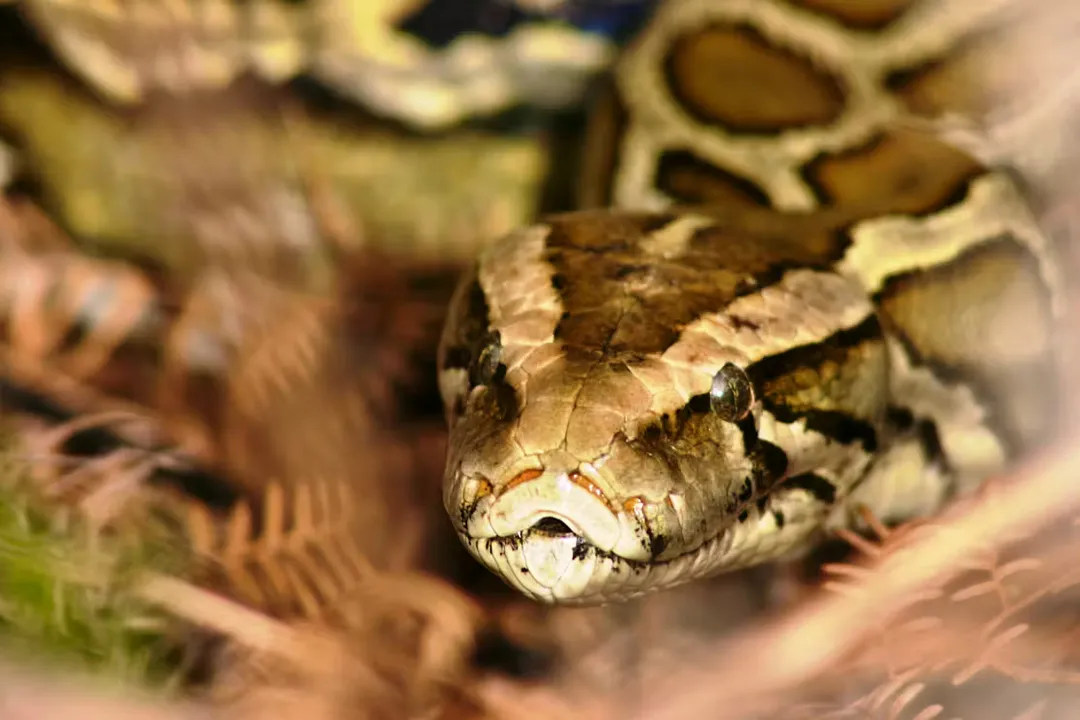
Another fascinating, albeit less dramatic, fact relates to their growth process: skin shedding, or ecdysis. [1] Snakes periodically shed their entire outer layer of skin because it does not grow as the snake itself grows. [1] This process isn't just cosmetic; it helps remove parasites and repair damaged skin. [1] Before the shed, the snake's eyes often become cloudy or bluish because the layer of skin covering the eye, called the spectacle, separates from the underlying skin. [1]
A common misconception is that snakes "rub off" their skin. While they do need a rough surface to initiate the tear, the actual process requires the snake to work its way out of the old casing, often turning it inside out like taking off a sock. [1] If a snake is struggling to shed, especially around the face or eye cap, it can signal underlying health issues or dehydration, making the quality of the shed a good indicator of well-being. [1]
# Adaptations Beyond the Obvious
When we look closely at scale arrangement, we find more subtle engineering. While the underside scales (ventral scales) are crucial for gripping surfaces and locomotion—allowing them to push forward across varied terrain—the scales on their backs often have specific textures that aid survival. [7] These scales can reduce friction during movement or provide camouflage. [7] For instance, many snakes found in arid environments possess keeled scales, meaning the scales have a ridge running down the center, which can help break up their outline against the uneven desert floor. [7]
Thinking about their internal biology, it is remarkable how adaptable their internal organs are to accommodate a massive meal. Because the lungs are highly reduced and asymmetrical—one lung is often significantly smaller or even absent to make room for the elongated body shape—they rely on only one functional lung for respiration. [7] This structure is a necessary compromise for a limbless body plan, yet they maintain an active, energetic lifestyle that demands significant oxygen exchange. [7] When a snake swallows something enormous, the remaining lung must stretch and function efficiently around the bulk of the meal passing through the esophagus and into the gut. [7]
# Comparative Observation
When comparing venomous elapids (like cobras and kraits) and vipers, their fang structures offer another point of contrast. Vipers, which include rattlesnakes, typically possess long, hinged fangs that fold back against the roof of the mouth when not in use, like a switchblade, allowing them to deliver a deep, high-volume injection. [6] Elapids, conversely, often have fixed, shorter fangs set at the front of the mouth. [6] This difference in deployment mechanism reflects distinct evolutionary pathways in toxin delivery, with vipers generally evolving for rapid, forceful strikes and elapids often relying on holding on briefly to ensure venom uptake. [6] Observing an experienced snake handler’s careful handling techniques often reveals the necessary respect for these specialized dental arrangements, regardless of whether the animal is a constrictor or a venomous species. [2]
#Videos
20 amazing facts about snakes! Do you know these basic ones?
Related Questions
#Citations
Snakes are so cool! What are some interesting facts you know about ...
7 cool facts about snakes - World Animal Protection
Awesome 8: Super snakes | National Geographic Kids
Six shocking facts about snakes you probably didn't know | One Earth
Facts About Snakes | Snake Facts | Havahart®
Interesting Snake Facts - Discover Deadly
10 amazing snake facts you (probably) won't have heard before
Seven Slithering Facts About Snakes | Defenders of Wildlife
20 amazing facts about snakes! Do you know these basic ones?