What is the classification of Ammocoetes?
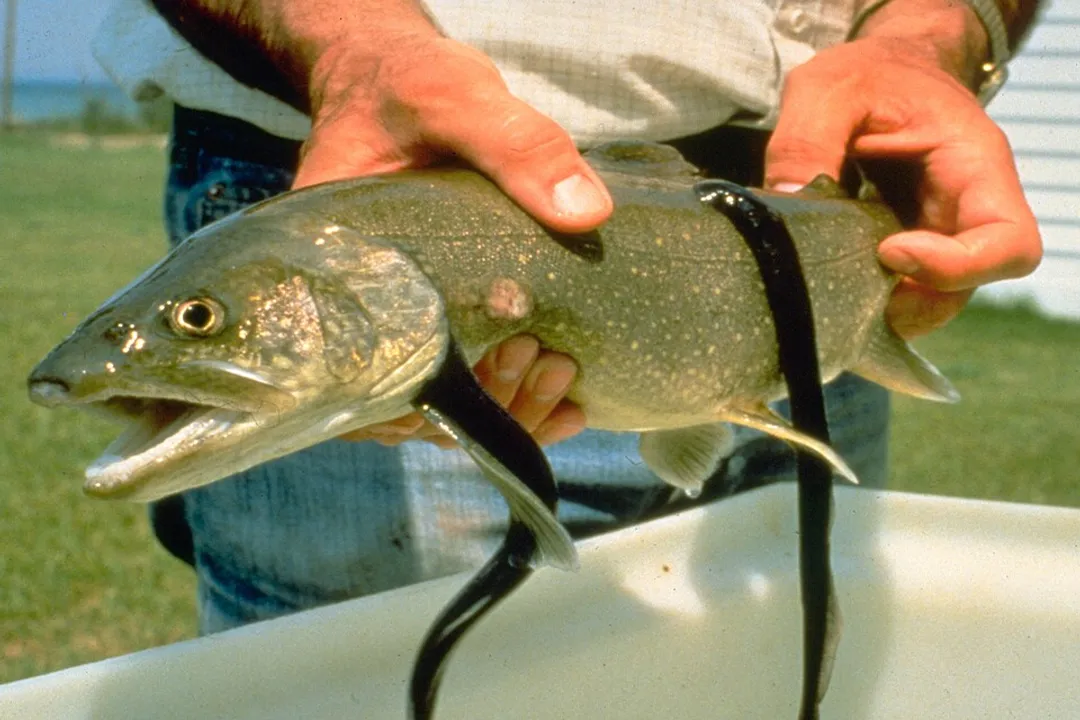
The classification of Ammocoetes centers on understanding them not as a distinct, permanent species, but rather as a specific, prolonged developmental stage within the life cycle of lampreys. [2][5] These fascinating creatures are the blind, worm-like larvae of lampreys, representing a significant portion of the lamprey's lifespan. [9] To properly categorize an Ammocoete, one must first identify its parent group: the lampreys, which fall under the scientific order Petromyzontiformes. [2]
# Larval Fish Form
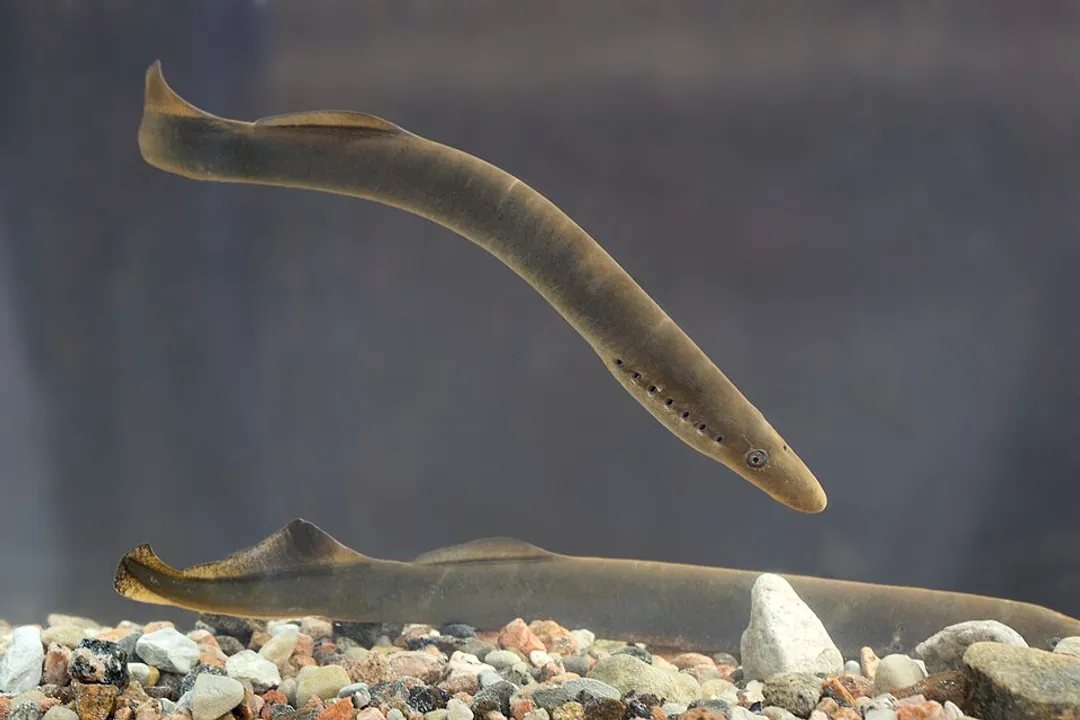
Ammocoetes are fundamentally recognized by their morphology as aquatic larvae, similar in concept to the tadpole stage of amphibians, though structurally different. [2] They possess a primitive body plan characterized by their lack of paired fins and, most notably, the absence of functional eyes, rendering them effectively blind. [9] This larval form is an adaptation to a specific ecological niche, one centered on sediment dwelling and filter feeding. [5] When examining an Ammocoete, you are looking at a creature that has not yet undergone the dramatic physical changes required to become an adult lamprey. [5] They can spend a considerable amount of time in this state, often several years, before transitioning. [5]
# Jawless Fish Line
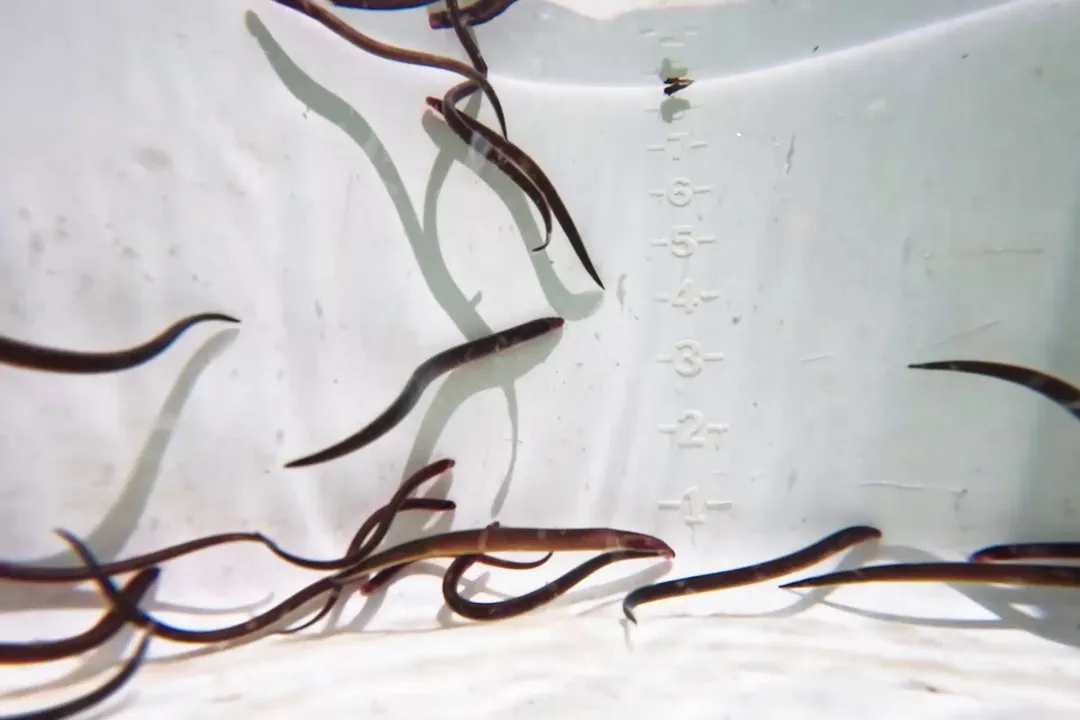
The taxonomic placement of Ammocoetes is derived directly from the classification of the adult lampreys they become. Lampreys belong to the superclass Agnatha, the ancient group of jawless fish. [2] Within this grouping, lampreys form the order Petromyzontiformes. [2] The class assigned to the lampreys is Cephalaspidomorphi. [2] Therefore, an Ammocoete is classified as the larval stage of a member of the class Cephalaspidomorphi. [2] This places them alongside other extinct jawless fishes like the ostracoderms, highlighting their ancient evolutionary lineage, though they represent a modern, specialized surviving lineage within that broad classification. [2] It is important to recognize that while they look like simple worms, their internal structures and developmental pathway anchor them firmly within the vertebrate subphylum Vertebrata, separate from invertebrates. [9]
# Buried Life Stage
The classification is intrinsically tied to the Ammocoetes' lifestyle, which dictates their anatomy. These larvae are typically found buried in the soft substrate—silt or sand—of freshwater streams and rivers. [5] In this environment, they function as sedentary filter feeders. [5] They extend a specialized, funnel-like oral structure out of the sediment to draw in water and filter out fine organic matter and detritus. [5] This dependence on fine, stable substrate means that any significant disturbance to the streambed, such as intense flooding or dredging, can negatively impact the survival rate of these long-lived larval populations. [5] The success of an entire year class of lampreys often hinges on the quality and stability of the river bottom where these larvae reside, making the sediment itself a hidden component of their taxonomic success.
# Stage Transformation
The term Ammocoete applies only until the process of metamorphosis is complete. [5] This transformation is a significant biological event, converting the small, burrowing, blind filter feeder into a free-swimming adult. [2] The post-metamorphic stage varies dramatically between different lamprey species. Some species, like the sea lamprey, undergo a parasitic adult stage, attaching to other fish to feed on blood and tissue before reproducing. [5] However, many species found in North America, such as the Least Brook Lamprey (Lampetra appendix), are known as non-parasitic or direct developers. [5] For these species, the Ammocoetes metamorphose, enter a brief adult phase solely for reproduction, and do not feed at all during this final stage, making their seven years (or more) as larvae the primary feeding stage of their lives. [5]
# Species Examples
While Ammocoetes are classified by their developmental stage, species identification requires knowing the adult form they will assume. For instance, the larvae of the Least Brook Lamprey, officially Lampetra appendix, are known as Ammocoetes. [5] These specific larvae are noted to inhabit smaller streams within their range. [5] Another perspective on the broader group, though perhaps slightly outside the strict Petromyzontiformes focus, shows the complexity in marine taxonomy where related or morphologically similar life stages might appear in other chordates, though the primary application of the term Ammocoetes remains linked to lampreys. [1] Recognizing an Ammocoete in the field, even without observing the adult, requires understanding the local lamprey fauna to assign a specific species designation to that larval form. [6]
Considering the entire biological picture, the classification of Ammocoetes is essentially a placeholder for the juvenile phase of the jawless fish belonging to the order Petromyzontiformes. [2] Their existence showcases an evolutionary strategy where the majority of energy acquisition and growth occurs during a long, hidden larval existence, contrasting sharply with the often short and energetically expensive final reproductive burst of the adult. [5]
Related Questions
#Citations
World Register of Marine Species - Ammocoetes aureus Bean, 1881
Lamprey - Wikipedia
Ammocoetes | FWS.gov - U.S. Fish and Wildlife Service
Non-ammocoete larvae of Palaeozoic stem lampreys - PubMed
Lampetra appendix (American brook lamprey) - Animal Diversity Web
Lampetra richardsoni Western Brook Lamprey - Species Summary
Lampreys - ArcGIS StoryMaps
Least brook lamprey Facts for Kids
Earth Sciences New Zealand's post - Facebook