What is the classification of a coral snake?
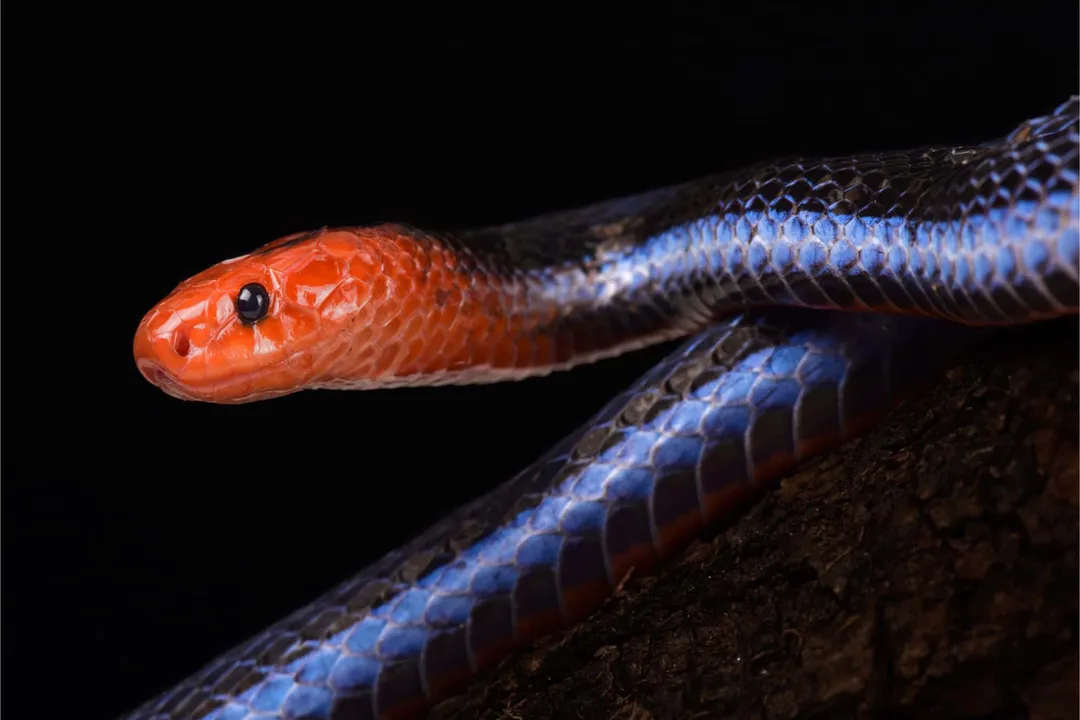
The classification of a coral snake is far more nuanced than simply labeling it "dangerous" or "colorful." This term refers to a widespread and diverse group of venomous reptiles that span continents, requiring a look into their scientific lineage, geographic distribution, and functional groupings based on their venom and appearance. To truly understand the coral snake, we must first place it correctly within the tree of life and then differentiate between its many forms, which range from the iconic tricolored snakes of the American South to their less-known counterparts across the globe. [2][4]
# Taxonomic Placement
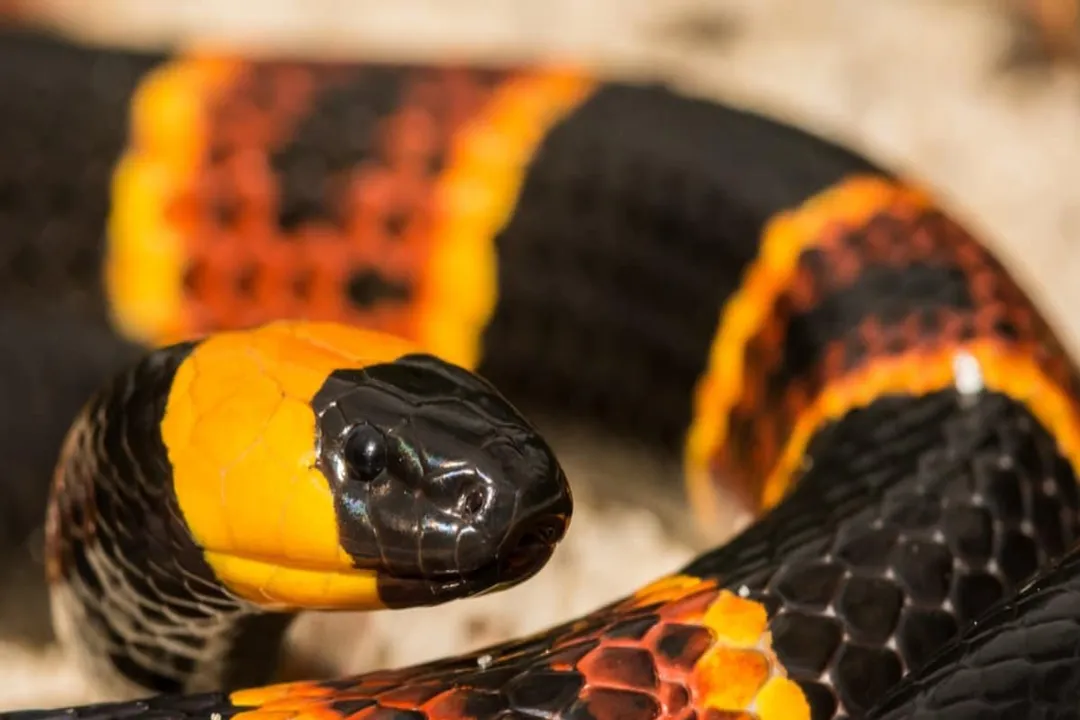
At the highest levels of organization, the coral snake group fits neatly into the reptile class, sharing a common ancestry with lizards and turtles. [1] Specifically, all coral snakes belong to the scientific Order Squamata and the Suborder Serpentes, confirming their identity as snakes. [2] Their family classification, however, immediately signals their specialized nature: they are members of the Elapidae family. [1][2][4][5]
This family placement is crucial because Elapidae snakes are characterized by possessing a specific type of venom delivery system: proteroglyphous dentition, meaning they have a pair of rigid, fixed fangs situated at the front of the upper jaw. [1][2] This places them in the same dangerous company as cobras, mambas, and kraits. [4]
# Global Groupings
The term "coral snake" is not restricted to a single species or even a single continent; it encompasses a large collection of snakes, phylogenetically suggested to have originated in the Old World. [2] Biologists divide this collective group into two primary geographic categories: Old World coral snakes and New World coral snakes. [2][3][5]
The taxonomy reflects this split across several genera:
- Old World Genera (Asia): These include species found across Asia, such as India, Sri Lanka, and Southeast Asia, grouped under the genera Calliophis, Hemibungarus, and Sinomicrurus. [2][4] There are approximately 27 recognized species in the Old World group. [2] Notably, the venom of some Old World species, such as the Blue Malayan coral snake (Calliophis bivirgatus), differs significantly, sometimes containing a potent cytotoxin rather than the typical neurotoxin. [4]
- New World Genera (Americas): These snakes are found in the Americas, from the southern United States down through Central and South America, as well as in the tropics. [2][4] The New World classification includes the genera Micruroides, Leptomicrurus, and Micrurus. [2][4] There are around 83 recognized species in this category. [2]
The genus Micrurus is particularly significant in North America, containing species like the Eastern Coral Snake (Micrurus fulvius) and the Texas Coral Snake (Micrurus tener). [1][4] The genus Micruroides accounts for the Arizona Coral Snake (Micruroides euryxanthus). [4] This differentiation between genera and regions is more than academic; it directly influences identification and medical preparedness, as venom composition and behavior can vary dramatically between these branches of the Elapid family. [5]
# Venom Classification
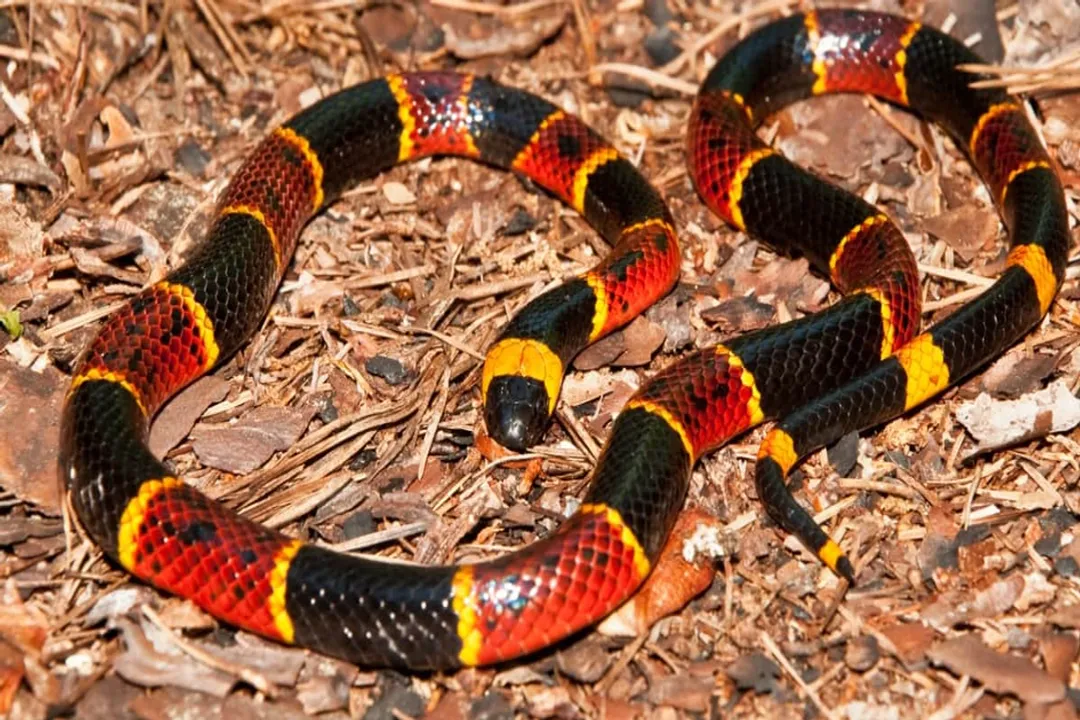
Functionally, coral snakes are classified by the nature of their venom, which is primarily neurotoxic in the New World species. [3] This means the toxins specifically target the nervous system, leading to symptoms such as progressive motor deficits, weakness, and, most critically, paralysis of the respiratory muscles, potentially resulting in respiratory failure. [1][3][4]
The severity of this neurotoxicity, however, is not uniform across all species:
- Clinically Significant Bites: Micrurus fulvius (Eastern) and Micrurus tener (Texas) account for the clinically significant bites reported in the United States. [4] While their venom is potent, bites are relatively uncommon—accounting for less than one percent of US snakebites annually. [2] In fact, concerning M. fulvius and M. tener, only two confirmed fatalities were documented in the hundred years leading up to 2018. [2]
- Less Severe Bites: Snakes of the genus Micruroides, like the Sonoran Coral Snake, have never caused a medically significant bite, despite belonging to the same family. [2] Furthermore, recent studies on M. tener bites suggest they may often be intensely painful but rarely require antivenom or cause systemic respiratory issues, contrasting with historical assumptions. [2]
An interesting comparison arises when considering the delivery mechanism. Unlike pit vipers, which often inject large amounts of hemotoxic or necrotizing venom quickly, coral snakes have small, fixed fangs. [2][5] This results in a less efficient venom delivery system, often requiring the snake to hold on and chew to ensure the venom is adequately introduced, usually via the lymphatic system initially. [1][2][4]
It is worth noting that for many of the 40 to 50 species found across the Americas, the M. fulvius clinical profile might not fully apply. [4] This difference in venom yield and toxicity across the genus Micrurus suggests that generalizing from the Eastern species alone is insufficient for a complete classification of the entire group. [1]
One must also contrast the neurotoxic group with the Old World members. While many Old World species are also venomous, one source points out that the Blue Malayan coral snake (Calliophis bivirgatus) possesses venom that is not neurotoxic but rather a potent cytotoxin—toxic to cells—indicating a classification based on toxicological effect must acknowledge these exceptions. [4]
# Identification and Mimicry
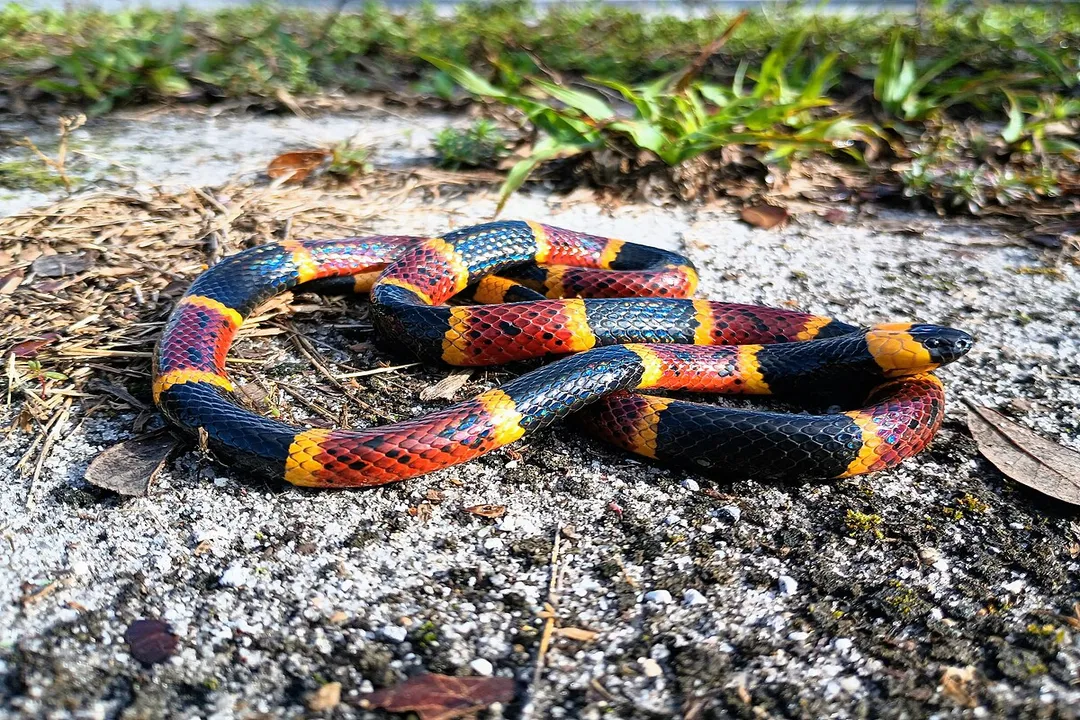
In the United States, coral snakes are classified visually by the distinctive, bold pattern of alternating rings: red, yellow (or white), and black. [2][3] This characteristic banding is the most direct, albeit sometimes misleading, classification tool used by the public.
The general rule often taught to distinguish the venomous New World species from nonvenomous mimics (like Scarlet Snakes (Cemophora coccinea) or Kingsnakes (Lampropeltis species)) focuses on the order of the colors where they meet:
“Red on yellow, kills a fellow; red on black, venom lack.” [3][4]
For M. fulvius in North Carolina, the red bands touching yellow bands indicates the highly venomous Elapid, while red bands touching black bands suggests a harmless look-alike. [3] This mnemonic relies on two specific traits found in the Eastern and Texas species: the red bands are bordered by yellow, and the snake possesses a black snout followed by a broad yellow band. [1] A key structural difference is that genuine North American coral snakes rarely, if ever, exhibit red bands in direct contact with black bands (except in rare aberrant patterns), whereas mimics often have red touching black. [1][2]
However, relying on this rhyme for classification is a significant error outside of the US context. [2][4] This visual classification fails completely when looking at many South American Micrurus species, which may have "red on black" patterns, and almost none of the Old World species conform to the rhyme at all. [2] Furthermore, some New World mimics, like the Sonoran coral snake's mimic, Chionactis palarostris, can have color bands that truly match the genuine coral snake, Micruroides euryxanthus. [2]
It is useful to categorize the look-alikes functionally as Batesian mimics—harmless species imitating a dangerous model to deter predators—a defense strategy supported by research showing that snake-shaped prey exhibiting coral snake colors are attacked less often when the coral snake is present. [2]
Thinking about this regional difference in identification leads to a critical practical classification point: the rhyme is an example of a local adaptation in warning signals. In areas like North Carolina where the Eastern Coral Snake is rare and secretive, the rhyme's utility is limited anyway. [3] For areas with high diversity, like tropical America, the rhyme is outright dangerous to rely upon. A snake that is slender, has small, blunt head features, and possesses rings that completely encircle its body warrants extreme caution, irrespective of the color sequence you recall from a childhood rhyme. [4][5]
# Ecological and Conservation Status
Beyond taxonomy and venom, coral snakes are classified by their role in the ecosystem and their vulnerability status. Most species, including M. fulvius, are listed by the IUCN as Least Concern globally, suggesting they are widespread and not facing immediate extinction threats. [1][5]
However, this global classification often obscures important local realities. The same Eastern Coral Snake, M. fulvius, is state-listed as Endangered in North Carolina, highlighting that conservation status is context-dependent. [3] Specific species in other regions, such as the Oaxacan coral snake, are listed as vulnerable or imperiled due to threats like deforestation for agriculture, logging, and mining operations. [5]
Ecologically, coral snakes are classified as predators that help regulate populations of other small reptiles, amphibians, and insects. [1][5] They are generally solitary and fossorial, spending most of their time hidden underground or beneath leaf litter, which contributes to why bites are rare, as they usually retreat when threatened. [1][2][5] This secretive lifestyle means that biologists often have to employ artificial cover materials, like plywood or tin, to monitor their presence effectively, especially during spring and fall when they thermoregulate near the surface. [3]
As they are oviparous (egg-laying), their reproductive classification separates them from many of North America’s common venomous snakes (pit vipers), which give birth to live young. [1][5] Females lay elongated, soft eggs, and the hatchlings are completely independent upon emergence. [1] This reproductive strategy, combined with generally slow reproduction rates (sometimes only 2-3 eggs per clutch), suggests that even locally protected populations could be slow to rebound from environmental pressures. [5]
When considering the status of these snakes, an insightful observation emerges from comparing their conservation listings. While the IUCN focuses on global viability, listing M. fulvius as Least Concern, [1] the fact that North Carolina lists it as Endangered suggests significant habitat fragmentation is occurring within the core range. [3] A species can be common enough across its entire range to avoid a global threat rating while simultaneously being locally extirpated or functionally extinct in developed areas, making local ecological classification paramount for targeted protection efforts.
Another practical analysis for general readers concerns risk perception: While the venom of M. fulvius is extremely potent, the combination of its fossorial nature, relatively small fang size, and preference to flee means the risk of envenomation is often inverted compared to more aggressive pit vipers. Bites frequently occur only after intentional handling or harassment. [2][5] This suggests that the actionable tip for coexisting with these animals is not primarily about recognizing the rhyme, but about respecting the secretive behavior—if you are handling debris in known habitats, use protective gear, as the snake will not move away in time when startled in close quarters. [3]
# Species Diversity in the U.S.
Focusing specifically on the US classification reveals three primary species, each occupying a different ecological niche based on locale:
- Micrurus fulvius (Eastern Coral Snake): Found along the Atlantic Coastal Plain, extending from North Carolina through Florida and westward to eastern Louisiana. [1][3][4] It favors temperate, terrestrial environments like forests, coastal plains, and wetlands. [1]
- Micrurus tener (Texas Coral Snake): Occupies the territory separated from M. fulvius by the Mississippi River, including Texas and Louisiana. [2][4]
- Micruroides euryxanthus (Arizona Coral Snake): Found in arid and semi-arid regions of the southwestern US (Arizona, New Mexico) and southward into Mexico, often inhabiting rocky areas. [2][4] As noted previously, its venom is not considered medically significant to humans. [2][4]
These three species form the core of the North American coral snake classification, distinguished by geography and subtle pattern variations that are crucial for field identification, even though the primary visual cue—the red/yellow banding—is shared among them. [4] The Eastern Coral Snake, being the most widely distributed in the Southeast, often serves as the reference point, yet its classification is just one piece of a much larger, globally distributed family.
Related Questions
#Citations
Coral snake - Wikipedia
Coral Snake - Friends of Woodland Park
Eastern Coral Snake | NC Wildlife
Eastern Coral Snake - Snake Snap
Coral Snake | Overview, Habitat & Facts - Study.com
Coral Snake Toxicity - StatPearls - NCBI Bookshelf - NIH
Micrurus fulvius (Eastern Coral Snake, Harlequin Coralsnake)
Coral Snake Animal Facts - Various