What is a harlequin coral snake?
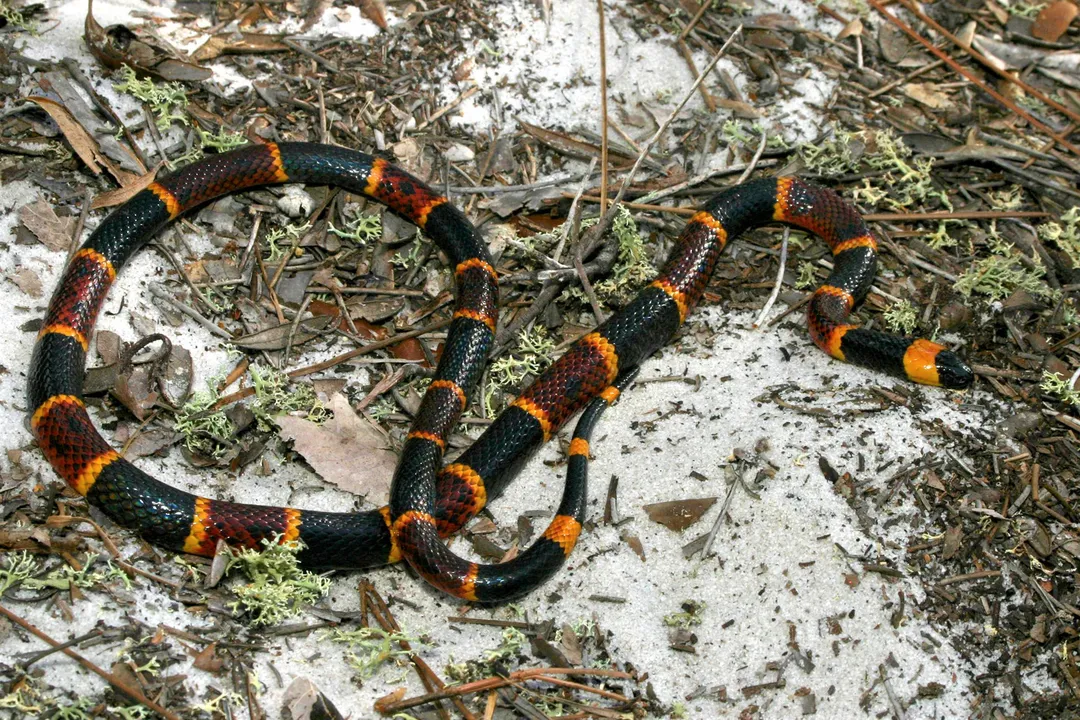
The Harlequin Coral Snake, scientifically known as Micrurus fulvius, represents one of the most vividly patterned and dangerously venomous reptiles found across the southeastern United States. [1][2][5] Despite its striking appearance, this species maintains a relatively secretive existence, leading to many more mistaken identifications than actual encounters. [3][7] Understanding this snake requires looking past the initial flash of color to appreciate its specific behaviors and precise identification markers, which separate it definitively from its harmless mimics. [1][5]
# Banding Pattern
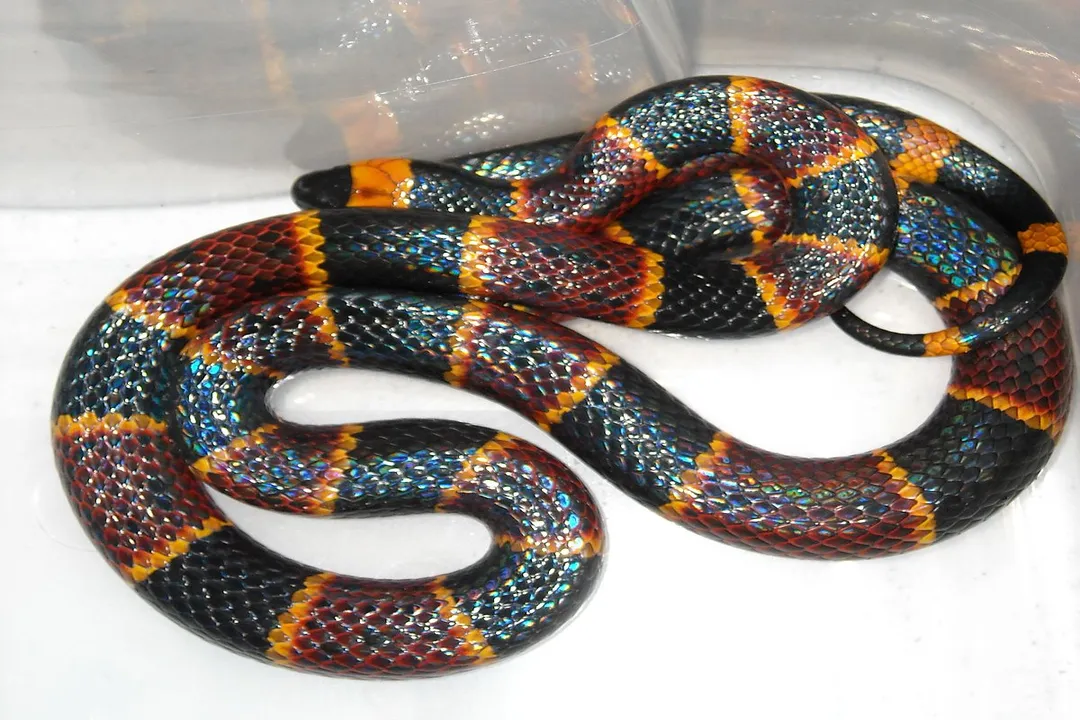
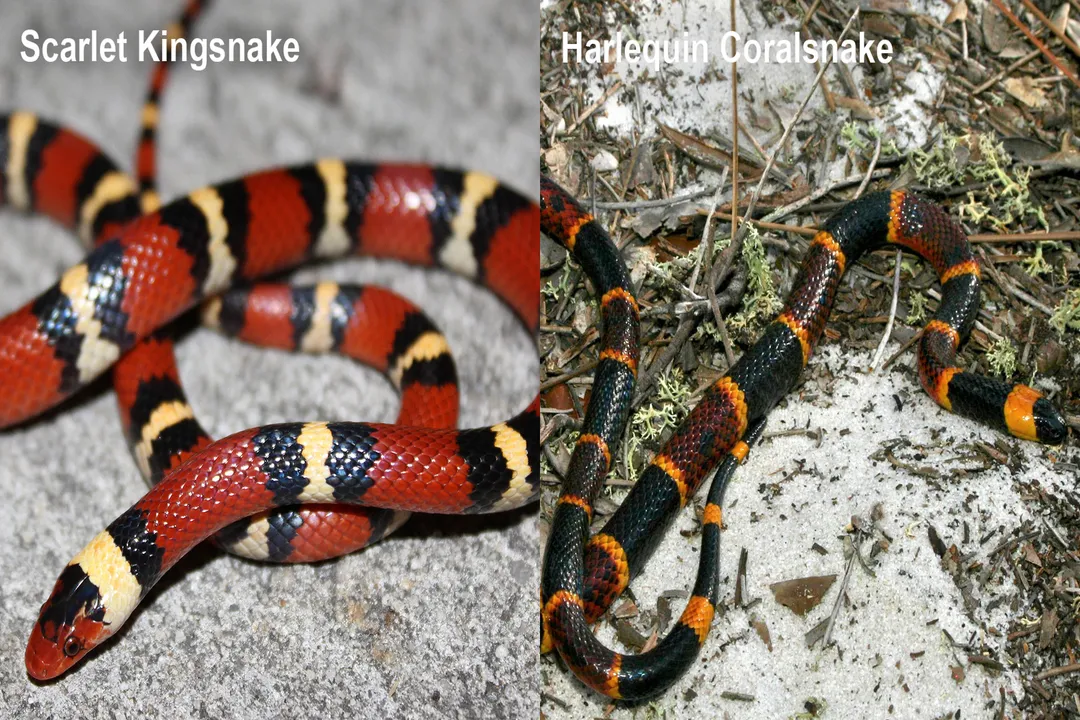
The most immediately recognizable characteristic of Micrurus fulvius is its bright coloration, typically consisting of alternating bands of red, yellow (or white), and black that encircle the body. [1][2] This vibrant display serves as a warning to potential predators, a phenomenon known as aposematism. [2] However, the order of these colors is the single most important factor in correctly identifying this venomous species versus the non-venomous snakes that share its habitat, such as the Scarlet Kingsnake. [5][7]
For the North American coral snake, the key mnemonic often cited states: "Red touches yellow, kills a fellow; red touches black, friend of Jack". [1][5][7] In the venomous M. fulvius, the red bands will always be directly adjacent to the yellow or white bands. [1][7] Conversely, in many non-venomous mimics, the red bands touch the black bands instead. [5][7]
It is vital to recognize that this pattern is not perfectly constant. While the red-yellow/white contact is the standard marker, some specimens of the Harlequin Coral Snake can exhibit variation, sometimes appearing uniformly black or displaying abnormal banding sequences. [1] Furthermore, the intensity of the colors can vary depending on the specific geographic location and age of the snake. [2] Juvenile snakes may sometimes show slightly different scale sheen or color saturation compared to adults. [2]
# Scale Characteristics
Beyond the colors, other physical traits aid in identification, though they require closer inspection. The dorsal scales of Micrurus fulvius are smooth, which gives them a glossy appearance. [2] In terms of size, they are relatively slender snakes, typically not exceeding three feet in total length. [2] For instance, a specimen documented in Florida measured about 23 inches long, showcasing the snake’s generally modest stature. [1]
# Range and Habitat
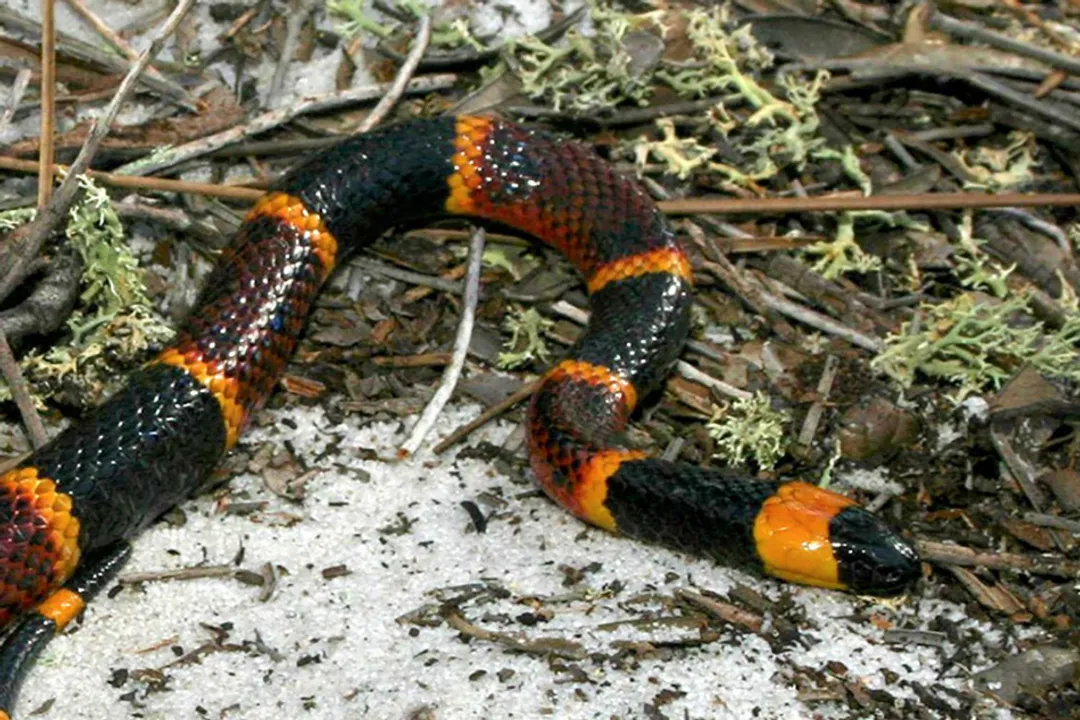
The Eastern Coral Snake's geographic distribution spans the coastal plain of the southeastern United States. [1][5] Their historical range covers states from North Carolina south through Florida, and west into parts of Texas, although the distribution is often patchy. [2][5][6] In states like Mississippi, they are known to occur but are considered an infrequent sight, highlighting their naturally low population density or extreme elusiveness. [3]
The preferred environment for this species revolves around moisture and cover. They thrive in habitats that offer loose substrate for burrowing, such as moist, sandy soils. [1][2] Common locales include pine flatwoods, coastal hammocks, and areas near swamp borders. [1][7]
# Burrowing Behavior
The snake’s fossorial nature—meaning it spends significant time burrowing or living underground—is the primary reason for its rarity in sightings. [1][2][7] They spend the majority of their lives hidden beneath leaf litter, rotting logs, under rocks, or deep within the soil. [1][3] This behavior limits casual observation, making encounters exceedingly uncommon unless the snake is deliberately uncovered or emerges briefly, often during nighttime activity. [3][7]
Considering this preference for loose soil and debris, anyone managing land or engaging in gardening in these regions should exercise caution when turning over large, stable objects or working in areas with deep leaf accumulation. An insightful pattern for local residents to note is that areas frequently disturbed, such as active garden beds with tilled soil, are less likely to harbor them than undisturbed areas beneath dense, undisturbed pine straw or deep leaf mold adjacent to sandy banks. [1][7] This preference means that while the snake is venomous, the likelihood of encountering one simply walking across an open trail is significantly lower than encountering one of its non-venomous imitators which might bask more openly. [5][7]
# Temperament and Danger
When an encounter does occur, the typical reaction of the Harlequin Coral Snake is not aggression; rather, it is extreme timidity. [3][5] As a secretive, burrowing species, Micrurus fulvius does not typically seek out conflict. [5] Bites almost exclusively occur when the snake is accidentally stepped on, sat upon, or intentionally handled by someone unaware of its identity or capabilities. [5]
# Potent Venom
Despite its shy nature, the snake possesses a potent venom that necessitates extreme respect. [2][5] The venom is primarily neurotoxic, meaning it targets and disrupts the nervous system. [2] This contrasts somewhat with the hemotoxic venoms typical of many pit vipers found in the same regions. [2]
One critical aspect of a coral snake bite is the potential for delayed symptom onset. [5] While pain at the bite site might be minimal or absent initially—a significant departure from many pit viper bites—the systemic effects of the neurotoxin can take hours to manifest. [5] Symptoms can include headache, nausea, drooping eyelids (ptosis), blurred vision, and eventually, respiratory distress due to the paralysis of respiratory muscles. [2] Because of this delayed reaction, anyone suspected of being bitten by a coral snake requires immediate medical evaluation, even if they feel fine immediately afterward. [5]
# Diet and Life Cycle
The dietary habits of the Harlequin Coral Snake center almost entirely on other reptiles, exhibiting pronounced ophiophagy. [1][2][7] Their primary food source consists of other snakes, including smaller, non-venomous species. [1][7] This specialized diet means their presence can sometimes indicate a healthy, albeit secretive, population of prey species in the immediate vicinity. [2]
Information regarding reproduction and lifespan in the wild is less commonly documented than identification details, as their secretive nature makes long-term study difficult. [1] They are oviparous, meaning they lay eggs. [2] In general snake biology, these smaller, secretive snakes often have varied clutch sizes and rely heavily on camouflage and cover to protect their eggs from predation. [1]
# Distinguishing Mimics
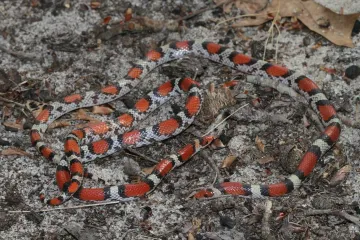
The confusion between the venomous M. fulvius and harmless look-alikes is a constant issue across its range. [1][5] The Scarlet Snake (Cemophora coccinea) and the Scarlet Kingsnake (Lampropeltis elapsoides) are the most frequently confused species. [7] These mimics often display red, yellow/white, and black banding, but the arrangement differs. [5]
If we were to map out the pattern difference visually for local residents, it becomes clear:
| Feature | Harlequin Coral Snake (M. fulvius) | Scarlet Kingsnake/Scarlet Snake (Mimic) |
|---|---|---|
| Red Band Contact | Touches Yellow/White bands [1][7] | Touches Black bands [5][7] |
| Head Color | Usually black snout, with the first band being black [1] | Often has a red snout or the first band is red [7] |
| Body Shape | Slender, smooth scales [2] | Can appear slightly stouter [1] |
When encountering a brightly banded snake, resisting the urge to approach closely for visual confirmation is the safest course of action. [5] Given the high toxicity and the pattern variability mentioned earlier, relying solely on memory of the rhyme without accounting for rare color aberrations can be risky. [1] A better, safer approach in areas where these snakes coexist is to treat any brightly banded, slender snake with caution, admire it from a distance, and allow it to depart undisturbed. [5] This approach respects both the danger of the venomous species and the benign nature of the mimics, reducing handling incidents dramatically. [3]
Related Questions
#Citations
Harlequin Coralsnake – Florida Snake ID Guide
Micrurus fulvius - Wikipedia
The Harlequin Coral snake (Micrurus fulvius) is an often rare find in ...
Micrurus fulvius (Eastern Coral Snake, Harlequin Coralsnake)
Eastern Coral Snake - | Outdoor Alabama
Micrurus fulvius - Harlequin Coralsnake - Reptiles of North Carolina
Harlequin Coralsnake – Reptiles and Amphibians of Mississippi
Harlequin Coralsnake central Florida. : r/whatsthissnake - Reddit
Eastern Coral Snakes: Identification, Habitat, and Behavior