What is the classification of a Beagle?
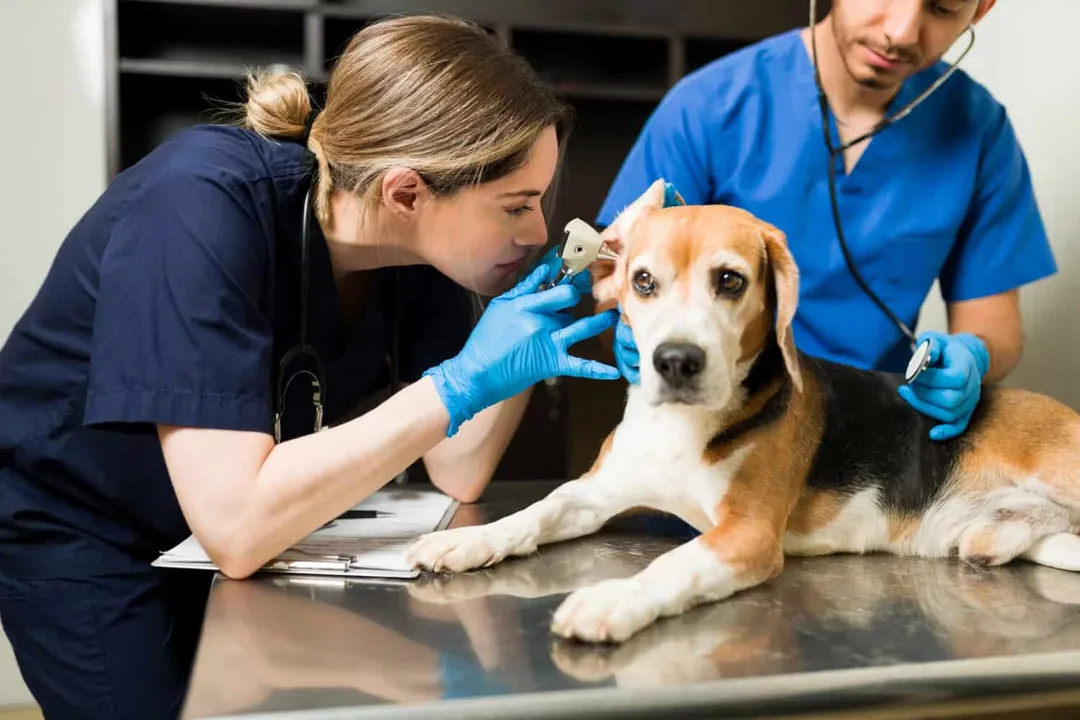
The Beagle is instantly recognizable, often pictured with its pleading expression, floppy ears, and tri-color coat, making it a highly popular companion animal. [2][3] To truly understand this breed, we must look beyond the charming exterior and examine its various classifications, ranging from the formal scientific structure that places it within the Animal Kingdom to the functional groups assigned by kennel clubs that define its very purpose.
# Scientific Hierarchy

Every domestic dog, including the Beagle, fits into a strict taxonomic structure that classifies it among all other living things. This hierarchical system helps scientists define the breed’s evolutionary placement. [1][4] At the broadest level, the Beagle belongs to the Kingdom Animalia, placing it among multicellular organisms that ingest food. [1][4] Moving down the ladder, it is part of the Phylum Chordata (animals with a spinal cord) and the Class Mammalia (warm-blooded vertebrates that nurse their young). [1][4] The Beagle’s Order is Carnivora, reflecting its lineage as a meat-eater, and its Family is Canidae, which groups it with wolves, foxes, and other dogs. [1][4] The Genus is Canis, and the specific Species is Canis lupus. [1][4] For the domestic dog, the final accepted scientific name is the subspecies designation: Canis lupus familiaris. [1] This scientific classification confirms the Beagle is fundamentally a wolf descendant that has been selectively bred for specific traits over centuries. [3]
# Functional Grouping

While the Linnaean system establishes its biological placement, most dog enthusiasts and kennel clubs classify the Beagle based on its original function. The American Kennel Club (AKC) places the Beagle squarely within the Hound Group. [2] This grouping is assigned because Beagles share traits of form and function related to their historical work as hunting companions. [2] Specifically, the Beagle is categorized as a scent hound. [3] This classification is not arbitrary; it reflects their primary design—to hunt rabbit or hare, an activity historically known as beagling. [3] Hounds in this category rely on their superior sense of smell and tracking instincts to follow a trail. [3] This defining characteristic is so pronounced that Beagles are now employed globally as specialized detection dogs for prohibited agricultural imports and foodstuffs in quarantine checks. [3]

# Historical Context

The modern Beagle is the result of selective breeding, primarily in Great Britain around the 1830s, drawing from several older hounds like the Talbot Hound, the Southern Hound, and the North Country Beagle. [3] Even within its own history, the Beagle has undergone internal classifications based on size and coat type, though many of these distinctions are now historical footnotes. [3] For instance, miniature varieties like the Pocket Beagle existed, small enough to fit on a glove or in a saddlebag, which Queen Elizabeth I reportedly kept. [3] While Pocket Beagles were once a recognized standard in the UK, that genetic line is now extinct, and they are not recognized by current major kennel clubs. [3]
Today, the classification distinction within the breed standard pertains to size, which reflects a subtle divergence in breeding focus between countries. [2][3] The AKC recognizes two varieties based on height at the withers: those standing under 13 inches, and those between 13 and 15 inches. [2][3] Conversely, The Kennel Club (UK) and FCI affiliated clubs recognize a slightly larger single type, allowing heights up to 16 inches. [3] A practical implication of this is that a Beagle adhering strictly to the American standard will be, on average, smaller than one meeting the British standard. [3] It is interesting to note that while Canis lupus familiaris is the species classification, the nuances between a 13-inch and a 15-inch dog are still significant enough to warrant separate official categories within leading national registries. [2]
# Classification by Role
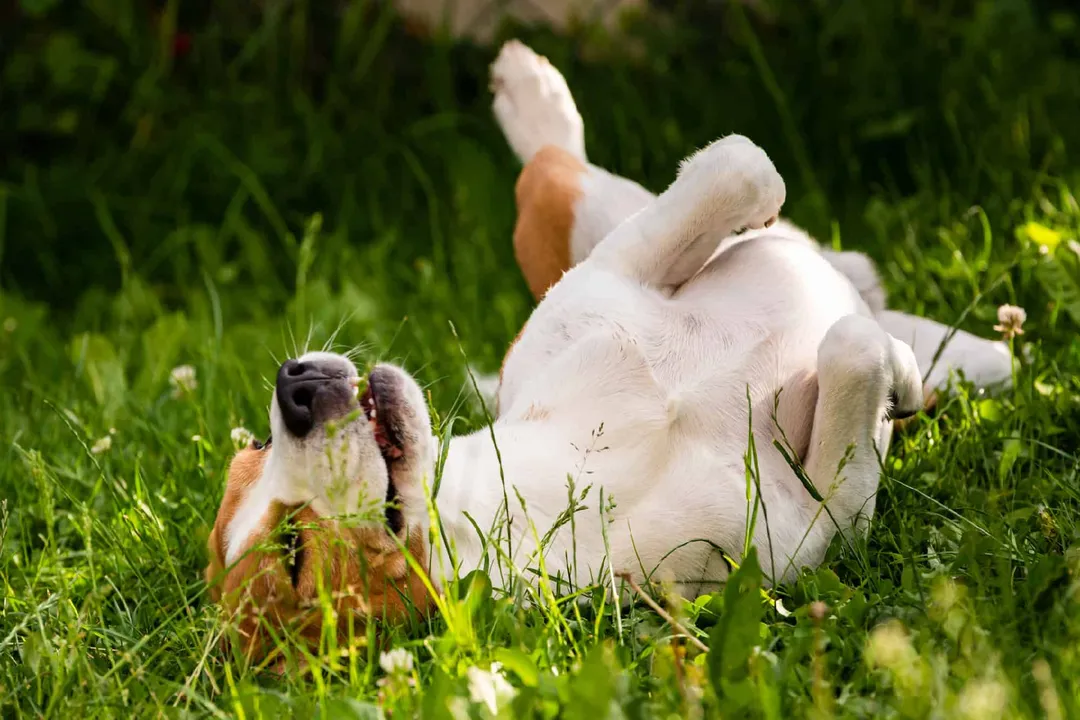
Beyond the formal kennel club grouping, the Beagle’s classification shifts based on its utility to humans, showing remarkable versatility for a scent hound. [3]
- The Hunter: Historically, the Beagle was classified as an ideal foot pack dog for hunting hare and rabbit, valued because they were slow enough for hunters on foot or pony to follow, yet persistent enough to eventually catch the quarry. [3]
- The Detector: Due to their exceptional noses—often compared to the Bloodhound and Basset Hound—they are classified as detection dogs. [3] Their smaller stature and amiable temperament make them less intimidating than larger breeds, leading to their selection for crucial roles like the USDA's Beagle Brigade. [3]
- The Companion: Today, perhaps their most common classification is that of a family pet. [1][2] They are described as merry, loving, and good with children. [2][3]
Considering their origins, it’s a fascinating evolutionary step that a dog selectively bred for its ability to focus intensely on a single scent trail—a highly specialized cognitive task—is also often ranked near the bottom of general obedience intelligence scales. [3] This disparity highlights that classification by function is far more descriptive of the breed’s inherent talent than classification by general trainability. A Beagle’s brain is clearly classified as specialized for olfactory work, not necessarily for complex, non-scent-related obedience commands. [3]
To manage a Beagle successfully in a modern home, owners must respect its classification as a scent hound. Because they were bred to follow compelling scents wherever they lead, an unchecked Beagle will easily ignore calls to return when on a trail. [2][4] This means that while they are wonderful companions, they cannot be trusted off-leash outside of a securely fenced area. [2] In fact, when considering fencing for a Beagle, an owner should account for their tendency to burrow; a safe enclosure requires fencing that extends underground to prevent tunneling after a tempting scent below the surface. [2] This characteristic is a direct inheritance from their working classification, demanding specific management protocols from the companion owner.

# Physical Attributes
While not strictly part of classification in a taxonomic sense, the physical standards used to define the breed are a classification tool in themselves, used in conformation showing. [2] The standard dictates that the Beagle should resemble a miniature Foxhound, but with a shorter muzzle and broader head. [3] They must possess the characteristic long, low-set ears, which are thought to assist in trapping scent close to the nose. [3] The tail itself is often classified by its appearance: it should be long, slightly curved, and importantly, tipped with white, known as the flag, making it visible when the dog’s head is down following a scent trail. [3] Their coat is typically smooth and dense, often coming in tricolor (black, tan, and white). [3] The existence of defined color standards—such as Lemon and White or Red and White—serves as another layer of categorization within the breed itself. [2]
Ultimately, the Beagle’s classification is multifaceted. Biologically, it is a member of the Canis lupus subspecies; functionally, it belongs to the Hound Group, specifically as a scent hound; and practically, it is classified by size varieties defined by international kennel clubs. [1][2][3] Each layer of classification explains a different facet of this merry, energetic, and historically significant dog. [2]
Related Questions
#Citations
Beagle - Wikipedia
Beagle Dog Breed Information - American Kennel Club
Beagle Dog Breed Complete Guide - A-Z Animals
Beagle - Discover Animals