What is special about Havanese?
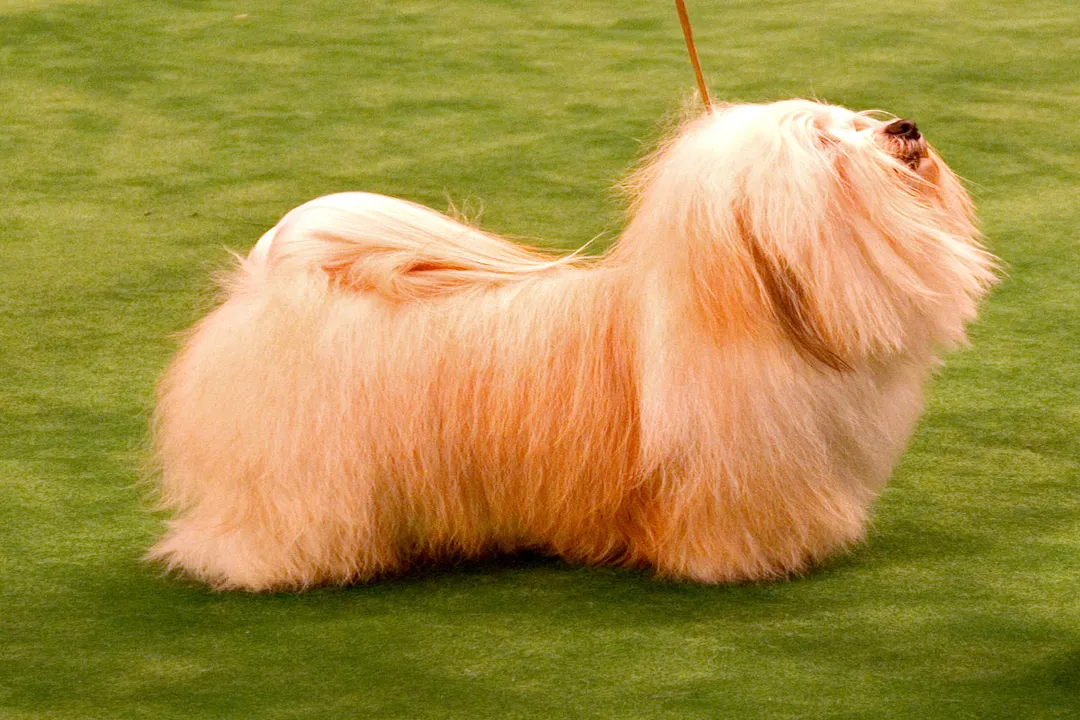
This charming, devoted little dog holds a unique position in the canine world, being the only breed officially native to Cuba. The Havanese, often nicknamed the "Velcro Dog" for their intense attachment to their families, carries a surprisingly rich and dramatic history that belies their small size and cheerful demeanor. Tracing their lineage back over five centuries, these dogs are part of the ancient Bichon family, sharing ancestors with breeds such as the Maltese and the Bichon Frise.
The journey of the Havanese is one tied closely to maritime travel and aristocracy. Their ancestors, the Tenerife dogs, were brought from the Canary Islands, likely by Spanish merchants, to the island of Cuba starting in the 1500s. In Cuba, these lap dogs became highly favored by the wealthy elite in Havana, leading to their association with the capital city and earning them the name Blanquito de la Habana, or "little white dog of Havana". Early on, they were status symbols, frequently gifted to encourage trade goodwill. Over the centuries, interbreeding with other types, including the Poodle, introduced the vast array of colors seen today, as the original "Bichon" family dogs were exclusively white.
Their near-extinction is a poignant part of their story. The Cuban Revolution starting in 1959 forced many upper-class Cubans to flee, often leaving their beloved pets behind, believing they would return soon. Without caretakers, many Havanese perished. Fortunately, a mere handful of dogs—as few as eleven are believed to have made it to the United States—were smuggled out by refugees like the Perez and Fantasio families, who then became the foundational breeders for the breed in America. It wasn't until the 1970s that dedicated American fanciers, notably Dorothy Goodale, began the extensive work of recovery and establishing a formal breed registry, culminating in official recognition by the American Kennel Club (AKC) in 1996. This history of survival through upheaval highlights the deep loyalty owners find in the breed.
# Silky Structure

Physically, the Havanese is instantly recognizable by its long, flowing, double coat. They are classified in the Toy Group, typically standing between 8.5 and 11.5 inches at the shoulder, with weights generally ranging from 7 to 13 pounds when fully mature. Despite being small, they are described as sturdy, making them more resilient than some other toy breeds.
One striking structural element is their topline, which is unique in that it rises slightly from the shoulders toward the hindquarters; it is straight, but not perfectly level. This characteristic contributes to their famous gait, which is often described as flashy and springy, a result of strong rear drive and slightly shorter upper arms rather than a long reach. Their tail is another distinguishing feature, carried arched forward over the back, often adorned with a long plume of hair that falls over the body.
The coat itself is perhaps their most famous feature. It is long, soft, and silky, with an undercoat that can sometimes be entirely absent. Many sources note that the coat’s texture feels almost cool to the touch, much like silk. While the classic, long-haired presentation is what many people envision, the coat can also be corded, resembling locks or dreadlocks, or clipped into a shorter "puppy cut" to ease maintenance. Interestingly, the long coat, developed in the tropical heat of Cuba, acts as an insulator against the sun and helps prevent sunburn, though it looks deceptively warm.
# Sunny Temperament

The Havanese personality is what truly sets them apart, often summarized by traits like intelligent, outgoing, and funny. Bred exclusively for companionship, they are deeply affectionate, friendly, and thrive when fully integrated into family life. They generally possess a sweet disposition and a playful, comical nature, acting as entertaining companions for their owners.
This breed is famously adaptable; they are content to snuggle quietly with an owner seeking peace but will readily accompany that same owner on a walk through a busy area. They are known to interact well with children and other household pets, provided they receive early and consistent socialization. Early exposure to new sights, sounds, and people is crucial to ensuring their naturally outgoing nature prevails over potential caution around strangers. They also retain a keen eye, making them excellent, alert watchdogs, though they are generally not prone to excessive, needless barking.
However, their extreme devotion comes with a significant caveat. Because they bond so closely, Havanese are highly prone to developing separation anxiety if left alone for extended periods. They need owners whose schedules allow for their constant presence, making them perhaps less suited for households where the dog will spend many hours by itself. While they are intelligent and eager to please, they can also exhibit a stubborn streak.
# Grooming Commitment
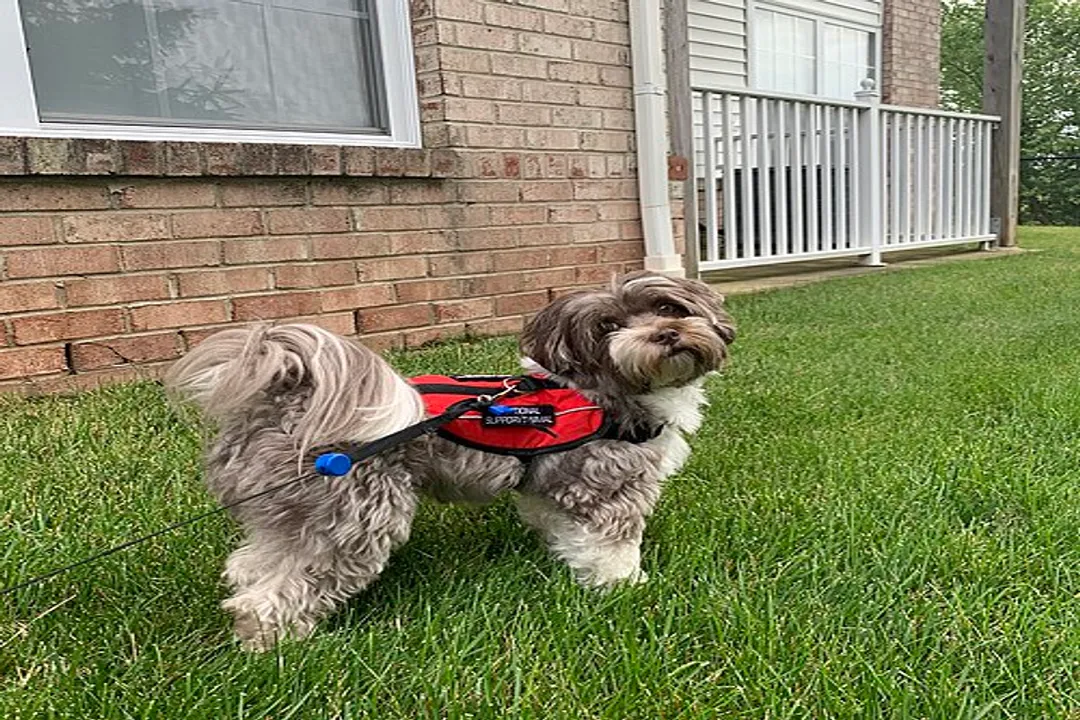
Caring for the Havanese coat is a major consideration for prospective owners, and it is where the breed’s high-maintenance nature often becomes apparent. The long, silky double coat requires daily brushing to prevent painful mats and tangles, especially if an owner wishes to maintain the full, flowing show coat. If daily maintenance is not feasible, owners must commit to regular professional grooming appointments, typically every six to eight weeks, to keep the dog in a manageable "puppy cut".
A useful perspective for potential owners is recognizing that the definition of high maintenance differs by preference. If you love grooming as an activity—a bonding time—the long coat is a positive. If you view grooming as a necessary chore, you must choose the shorter cut and accept the regular appointment schedule it demands. Even then, certain times, like when the puppy coat is "blowing out" into the adult coat, can present a temporary grooming challenge that requires extra diligence, regardless of the intended final style.
Beyond the coat, routine care includes regular ear cleaning, as they are susceptible to issues there, and diligent dental hygiene. While their teeth may generally be good, dental disease is the most common chronic problem in dogs overall, and Havanese are not immune. Furthermore, because they can be prone to obesity, owners must strictly monitor food intake. Tempting them with table scraps can lead to serious health issues like worsening joint problems or heart disease. A high-quality small-breed appropriate diet is usually recommended, sometimes featuring smaller kibble sizes for easier chewing.
# Breed Vulnerabilities

While generally considered a healthy and relatively long-lived breed, with lifespans often reaching 14 to 16 years, and sometimes even 19, responsible ownership means understanding their genetic predispositions. These predispositions highlight why choosing a breeder who performs health screenings is so important.
A considerable number of the breed's potential health concerns center around the eyes, joints, and liver.
| Body System | Condition Examples | Key Impact / Note |
|---|---|---|
| Eyes | Cataracts, Distichiasis, PRA | Cataracts cause cloudiness/blindness; PRA is inherited, incurable night blindness. |
| Joints | Hip Dysplasia, Patellar Luxation | Causes pain, lameness, difficulty rising; obesity speeds up arthritis. |
| Liver | Portosystemic Shunt (PSS) | Blood bypasses the liver; Havanese have a significantly higher predisposition than mixed breeds. |
| Heart | Heart Murmurs, Mitral Valve Disease | Weakening valve leading to heart failure, manageable with early medication. |
| Skin/Endocrine | Allergies (Atopy), Sebaceous Adenitis | Allergies manifest as itchy skin, often on feet; SA causes dry, scaly skin/hair loss. |
An interesting finding shows that Havanese are significantly more prone to developing Portosystemic Shunt (PSS) compared to the general mixed-breed population, underscoring the value of regular liver function testing, especially before anesthesia. For joint health, the Havanese Club of America recommends specific health clearances for breeding stock, including Hip, Patella, and Ophthalmologist evaluations, alongside a hearing test (BAER).

# Ownership Practice
Bringing a Havanese into the home means committing to being their constant companion and adopting a specific approach to training. Owners must realize that this breed, bred for centuries to be close to humans, genuinely thrives on interaction.
For owners sensitive to the breed’s intelligence and desire to please, a practical approach to training involves structuring the environment to reinforce desired behaviors consistently. If a dog learns that barking mildly gets attention but stops when the owner finally concedes, the owner has inadvertently taught the dog that sustained vocalization works. Conversely, because they are sensitive, harsh scolding is ineffective and counterproductive. Think of training sessions as short, fun problem-solving games rather than demanding exercises; this keeps their mental stimulation needs met and reinforces the positive relationship, effectively mitigating the onset of attention-seeking anxiety or stubbornness.
Because of their small stature, physical safety is paramount. While they are sturdy for a toy breed, they remain vulnerable to rough play from rambunctious children or larger dogs. Owners must actively supervise interactions and ensure the dog has a safe space to retreat to when it needs quiet time away from the excitement. Furthermore, because they are highly portable and often suit apartment living well—needing only moderate daily exercise met by walks or indoor play—their adaptability often leads owners to travel with them. However, this portability means owners must be vigilant about preventing them from jumping off high furniture or stairs while they are puppies to protect developing joints from conditions like patellar luxation. These intelligent dogs excel in activities that keep them engaged with their person, such as Rally Obedience, trick training, and agility, which further solidifies the powerful, loving bond characteristic of the Havanese.
Related Questions
#Citations
Havanese Dog Breed Information - American Kennel Club
Havanese: The Good, The Bad, The Ugly - Figo Pet Insurance
Havanese Dog Breed Guide: Health, Care Tips, Fun Facts - Trupanion
Havanese History
Havanese Dog Breed Information | Purina US
Havanese Pros and Cons; Is this the righT breed for you?
Havanese dog - Wikipedia
Havanese - Breed Info - East Cooper Animal Hospital