What is penguin's main diet?
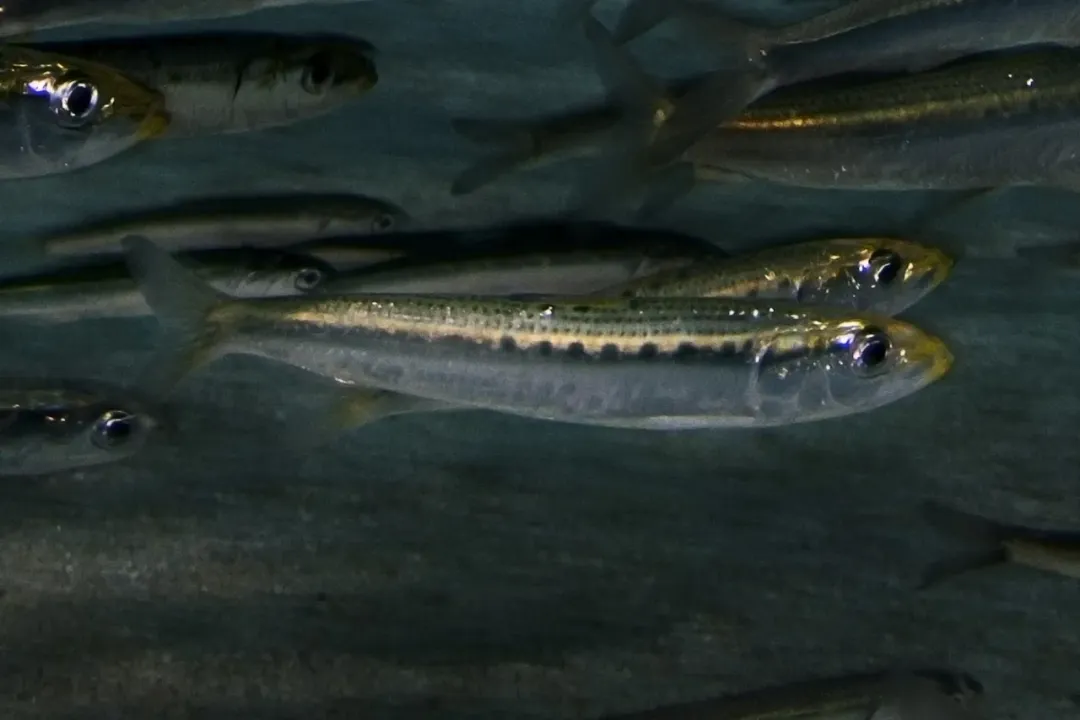
The world of penguins is often painted in monochrome—black and white birds on ice—but their nutritional requirements paint a much more colorful picture, dictated almost entirely by the ocean that sustains them. [4] As obligate carnivores, their existence revolves around seafood, primarily consisting of fish, squid, and various crustaceans. [3][6] The exact composition of the meal, however, changes dramatically depending on where a penguin lives, its size, and what is seasonally available in its specific hunting grounds. [3][6]
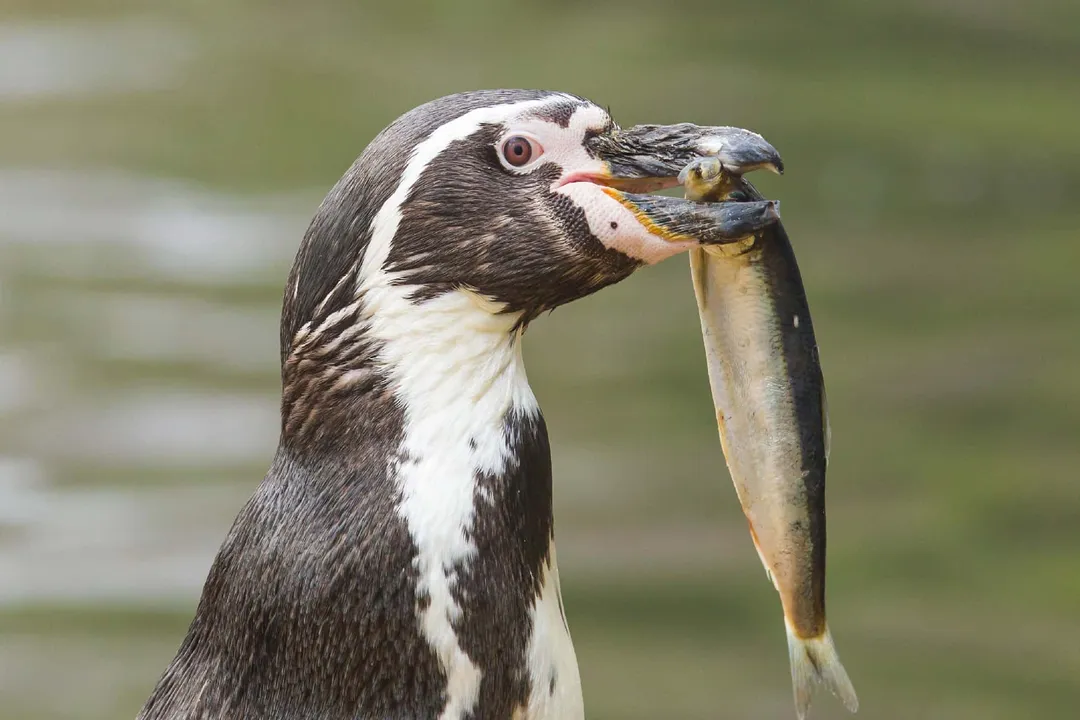
# Seafood Staple
Penguins are specialized marine predators, existing as birds uniquely adapted for life beneath the waves. They feed exclusively on marine life, making the health of their ocean habitat directly synonymous with their survival. [4] Most hunting activity for many species occurs relatively close to the surface, generally within 50 to 60 feet of the water line. [3][6] They use their excellent vision to spot prey while swimming, capturing it swiftly with their bills before swallowing it whole underwater. [3][6] The mechanism for keeping hold of slippery catches is quite specialized; penguins possess backward-facing spines, known as papillae, on their tongues and the roof of their mouths, which act like backward-facing barbs to secure the meal and guide it down the throat. [2][6]
While most species hunt near the surface, there are notable exceptions that demonstrate the extremes of their diving capabilities. The largest species, the Emperor penguin, undertakes epic dives, occasionally reaching depths as profound as 1,800 feet in search of deep-water prey, remaining submerged for up to 20 minutes. [6] The distances traveled to secure these meals also vary wildly, from Adélies sticking close to their colonies—sometimes hunting less than 10 miles away—to King penguins making foraging trips that can span over 500 miles from their rookeries. [3][6]
# Diet Diversity
The seventeen or eighteen different penguin species have evolved distinct food preferences, which scientists believe is a natural mechanism to reduce direct competition for resources between closely located populations. [3] This specialization is largely split along geographic and size lines. In general, smaller penguin species residing in the Antarctic and sub-Antarctic regions lean heavily on crustaceans like krill and squid. [3] Conversely, species found further north, such as the Galapagos penguin or penguins near warmer coasts, tend to rely more heavily on a diet dominated by various types of fish. [3]
For example, the dietary split is clear among some Antarctic inhabitants: Adélie penguins feed primarily on small krill, while Chinstrap penguins focus their efforts on catching larger krill. Meanwhile, the massive Emperor and King penguins prioritize fish and squid in their routine intake. [3]
Contrast this with the African penguin. Because they live in areas where small, nutrient-rich fish are vital for periods of fasting—such as during the challenging annual molt or while feeding chicks—their preference leans towards schooling fish like pilchards or anchovies. [2] This regional adaptation means that the "typical" penguin diet is less a single menu and more a collection of localized foraging strategies based on physical constraints and environmental opportunity. [6]
This variation in prey selection has an interesting ecological consequence. When an oily fish like an anchovy—a high-energy food—is available, the penguin expends less energy to gain necessary calories compared to consuming a lower-energy item like squid, which must be consumed in greater volume to achieve the same caloric intake. [2] It highlights that successful foraging isn't just about what they eat, but the energy return on the effort spent hunting it.
# Krill And Crustaceans
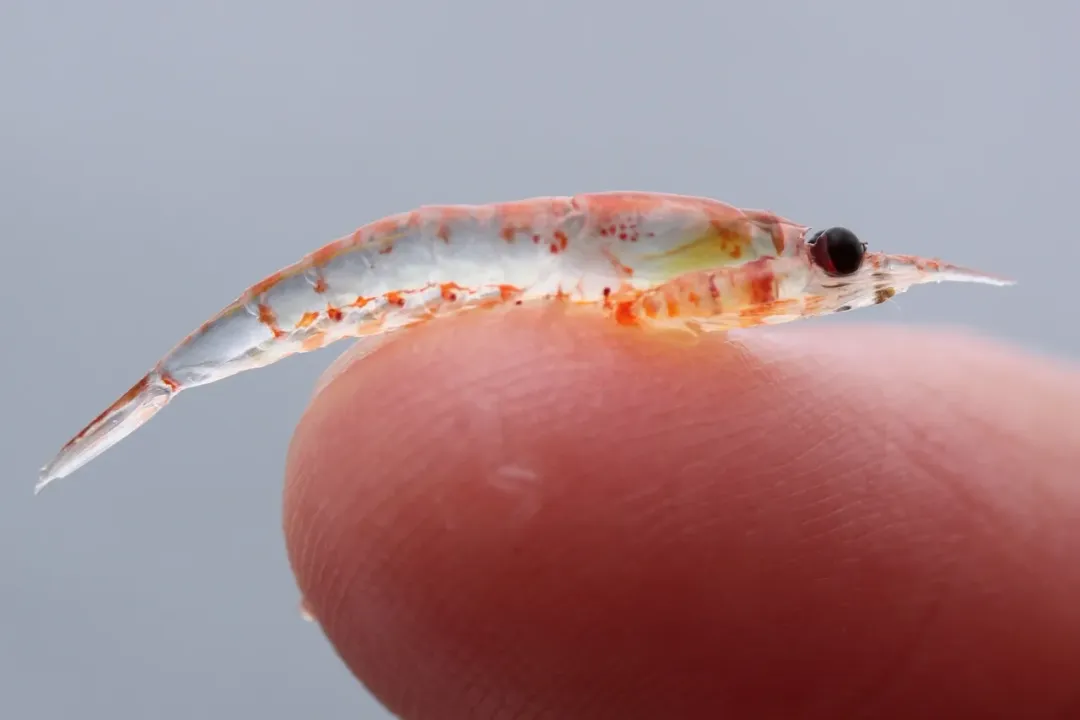
Krill, tiny shrimp-like crustaceans, form the bedrock of the diet for many Antarctic penguins. [2] For Adélie penguins, krill is a main component of their summer diet, identifiable in samples by its distinct pink hue when regurgitated, complete with dark eyes visible in the mass. [1] Chinstrap penguins also heavily rely on these small arthropods, focusing on larger specimens.
Studying what penguins consume can be surprisingly invasive but scientifically informative. Researchers examining Adélie penguin diets have employed methods involving collecting and washing penguin droppings to isolate otoliths, which are the tiny ear bones of fish. [1] Fish ear bones resist digestion and can be identified by species and size, offering a non-invasive way to reconstruct their meals over a season. [1] The identification of these otoliths, alongside measured krill, provides a snapshot of resource availability. Interestingly, in one complex ecological demonstration, the presence of Minke whales—which compete directly for the same krill and fish—was shown to cause a switch in the Adélie diet from mostly krill to mostly fish in certain foraging areas. [1]
# Fish Preferences
Fish are a core element for nearly all penguin species, though the types differ significantly based on depth and location. In the shallow, coastal Antarctic waters preferred by Adélies, the Antarctic silverfish is often the most abundant small fish and is easily swallowed headfirst. [1] When feeding in deeper waters, Adélies shift their focus to lantern fish. [1]
For species like the African penguin, the quality of the fish is as important as the quantity. If their preferred nutrient-dense species like pilchards become scarce—often due to human fishing pressures—they are forced to consume less nutritious, alternative fish, such as Atlantic horse mackerel or the pelagic goby. [2] While these substitutes are available, they do not provide the necessary nutrients, forcing the penguins to hunt longer and consume more just to meet baseline energy needs. [2]
This dependency on specific fish populations underscores a significant conservation concern. When humans deplete a preferred, calorie-rich schooling fish, the change in diet can create an ecological trap for shore-based colonies like the African penguins, where adults cannot gain enough energy to sustain both themselves and their young, leading to chick abandonment and population decline. [2]
# Unusual Intake
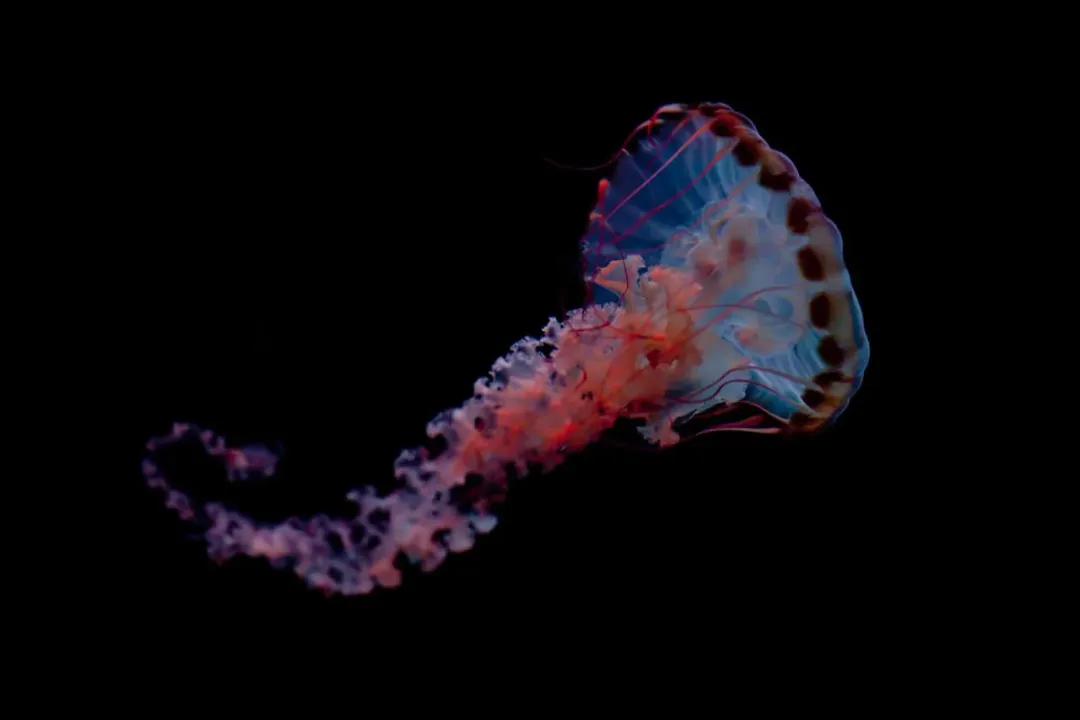
While fish, squid, and krill cover the majority of their needs, the penguin menu includes some surprising outliers, demonstrating adaptability or perhaps seeking specific micronutrients. [2] At least four species—including Magellanic, Adélie, Yellow-eyed, and Little penguins—have been observed actively eating jellyfish. [2] This is especially curious because jellyfish offer very few calories. [2] Scientists hypothesize that this behavior might be an attempt to acquire essential nutrients like collagen, or perhaps the penguins are selectively targeting carnivorous jellyfish, effectively consuming the microscopic animals the jellies have already collected. [2]
Even stranger is the documented habit of swallowing stones. While some stones might be ingested accidentally, species like King, Rockhopper, and Macaroni penguins have been clearly observed swallowing stones purposefully, sometimes in large numbers. [3] Theories suggest this is done to help reduce buoyancy when diving, to quell the feeling of hunger during fasts, or, in the case of chicks, to assist in grinding up the tough exoskeletons of crustaceans. [3] One Emperor penguin was found to have nearly ten pounds of stones in its stomach contents, pointing toward a potentially significant, though poorly understood, role for these inorganic additions. [3]
# Hunting Method
Penguins are pursuit divers, masters of underwater navigation, but their method of securing and consuming prey is simple: catch and swallow. [3] They catch the fish or squid in their bills and immediately swallow it whole while still moving through the water. [3][6] Their anatomy, particularly the spiny tongue, is built for this one-way process. [2][6]
The way they hunt can, in turn, affect the behavior of their prey. For instance, schooling fish employ dense aggregation as a defense against predators. [3] It has been noted that certain penguin species, such as the Spheniscus genus (which includes African penguins), possess conspicuous black striping around their bodies. [3] One interpretation is that these markings might break up the visual continuity of the school when viewed by the fish, forcing individual prey items slightly outside the main defensive group, thereby making them easier targets for the pursuing penguin. [3] The absence of such strong striping in genera that do not focus on schooling fish lends some support to this hunting advantage theory. [3]

# Ecological Pressure
The primary dietary challenge for many penguin populations today stems from environmental shifts largely influenced by human activity. [4] The same calorie-rich fish that penguins rely on—like anchovies—are also highly valued by commercial fisheries. [2] When overfishing depletes these staple prey items, penguins face a dual threat: they must swim farther to find food, and the alternative food sources they are forced to consume are often less calorically dense or nutritionally complete. [2] For breeding parents, this forces a critical choice: go hungry themselves or fail to bring back enough nourishment for the demanding chick. [2]
Studying population dynamics alongside diet can reveal deep connections. The recovery of Minke whales in areas like the Ross Sea was shown to correlate with a decline in the Adélie penguin population, not necessarily because the whales attacked the penguins, but because the whales, consuming vastly greater quantities of food (one whale can eat what 2,000 penguins eat in a day), increased competition for the shared resource base of fish and krill. [1] When whaling drastically reduced the whale numbers in the 1970s and 80s, the penguin population subsequently increased due to increased food availability. [1] This complex interplay shows how intricate the Antarctic marine food web is, where even management decisions made far removed from the penguins can affect their immediate feeding success. [1]
# Captive Meals
In a controlled environment, such as an aquarium or zoological park, the wild unpredictability of the ocean is replaced by consistency and practicality. [6] While wild penguins dine on fresh, live prey, those in human care are typically fed frozen fish that has been thoroughly thawed. [6] This standardization ensures every penguin receives a known nutritional profile day after day, which is crucial for managing the health of captive colonies where dietary variability could otherwise pose a serious, unseen risk. [6] The feeding schedule in these settings is often a major attraction, allowing visitors to observe the penguins' natural hunting reflexes applied to provided meals. [2]
Related Questions
#Citations
All About Penguins - Diet & Eating Habits | United Parks & Resorts
Penguin Facts: Diet, Behavior, Habitat & Conservation - IFAW
What do penguins eat? - Two Oceans Aquarium
Penguin Fact Sheet | Blog | Nature - PBS
What Do Penguins Eat? - A-Z Animals
understanding penguin response to climate and ... - Penguinscience