What is the main diet of salmon?
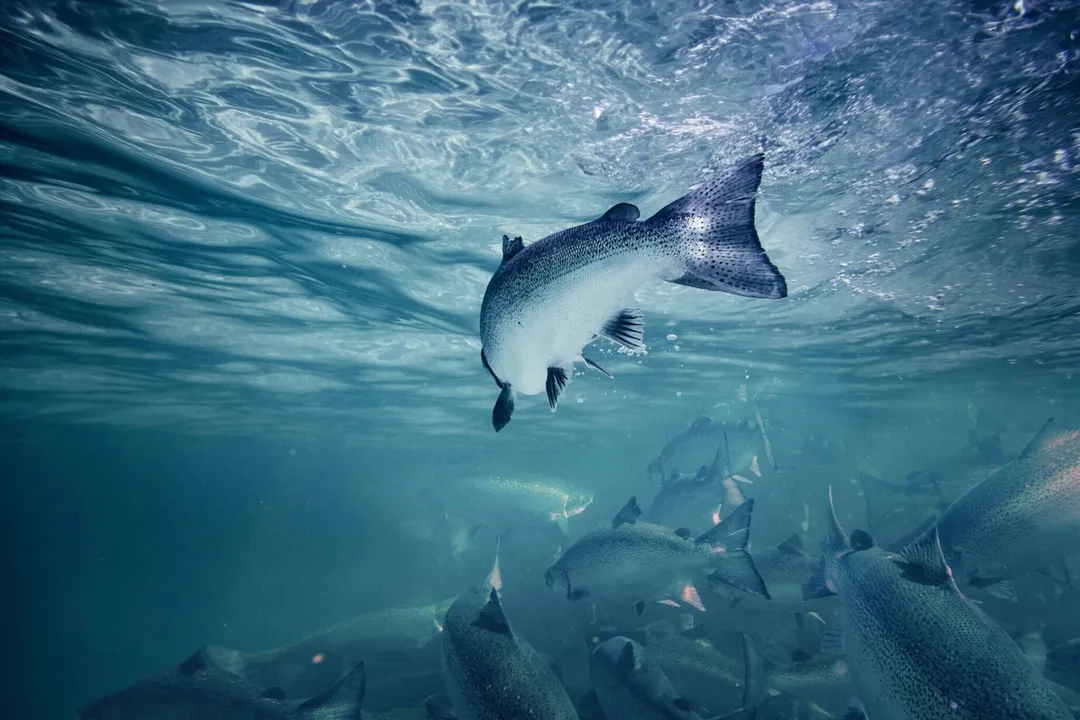
The diet of a salmon is not a single, static menu; rather, it changes dramatically depending on where the fish lives—whether it is roaming the cold, open ocean or being raised in a controlled aquaculture environment. Understanding what these powerful swimmers consume is key to understanding their biology, their migration success, and even the nutritional value they offer when they end up on our plates. [1][4] Salmon undergo significant dietary shifts throughout their lives, moving from tiny organisms in their freshwater beginnings to sophisticated predators in the ocean. [2]
# Life Stages
When salmon hatch and begin their lives in rivers and streams, they are quite small, and their diet reflects this necessity for high-energy, easily digestible food sources. [2] The young fry initially feed on zooplankton, small aquatic insects, and insect larvae found in the water column or near the stream bottom. [1][4] As they grow larger, their prey profile broadens to include slightly bigger invertebrates and eventually small fish that share their environment. [1] This early stage of opportunistic feeding builds the foundation for their massive growth later on. [2]
# Wild Consumption

Once Pacific and Atlantic salmon migrate out into the ocean, their feeding habits become much more varied, centered on capturing other marine life. [2][4] The specific menu varies based on location, depth, and seasonal availability, but a consistent theme emerges: salmon are primarily carnivorous predators. [4]
In the marine environment, the main components of a wild salmon’s diet often include:
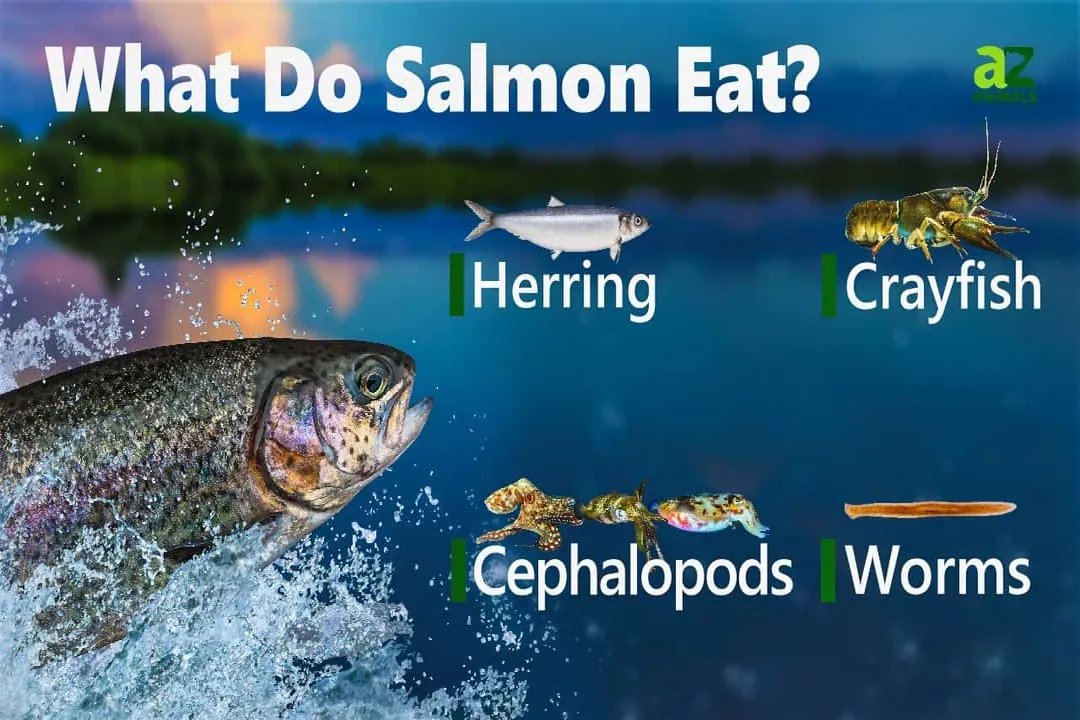
- Small Fish: These form a significant part of the diet for many adult ocean-phase salmon. [1][4] Species like herring, sand lance, and capelin are frequently targeted. [1]
- Invertebrates: Crustaceans are a vital food source, especially in areas where smaller fish are less abundant. [4] This category includes a wide array of organisms, such as krill and euphausiids, which are tiny, shrimp-like creatures. [1]
- Cephalopods: Squid and other soft-bodied mollusks also feature in the diets of larger, mature salmon. [4]
The pink or orange hue that consumers associate with salmon flesh is actually derived from pigments called carotenoids, specifically astaxanthin, which is naturally present in the crustaceans and small fish they consume in the wild. [7] A diet rich in krill and small shrimp directly translates to that characteristic color in wild salmon. [1]
# Farm Rations

The diet for farmed salmon, particularly Atlantic salmon raised in aquaculture settings, is intentionally formulated to maximize growth, health, and market appearance, resulting in a composition quite different from their wild counterparts. [5][7] While aquaculture relies on sustainability goals, the feed must provide all necessary nutrients in a pelletized form. [9]
Modern farmed salmon feed is a sophisticated blend designed to mimic the high protein and fat content required by the fish, while simultaneously reducing reliance on overfished wild stocks for ingredients. [7][9] Key components generally include:
- Marine-Derived Ingredients: Fishmeal and fish oil remain critically important. [9] Fishmeal provides high-quality protein, while fish oil supplies essential fatty acids, notably the omega-3s that make salmon famous. [7] However, the industry is actively working to decrease the proportion of these ingredients through innovation. [9]
- Vegetable Proteins: Ingredients derived from plants, such as soy, canola, and wheat, are used to replace a significant portion of the marine ingredients, providing necessary carbohydrates and protein. [7][9]
- Supplements: Vitamins, minerals, and pigments are added to ensure the fish meet all their nutritional requirements and develop the desirable color that consumers expect. [7] Synthetic or naturally sourced astaxanthin is added to farmed feed to ensure the flesh turns that characteristic pink, as the vegetable-heavy diet lacks the natural carotenoids found in wild crustaceans. [7]
Comparing the two, a wild salmon’s diet is wholly dependent on the natural, seasonal abundance of prey, creating a highly variable nutritional intake. [4] In contrast, the farmed diet is controlled, consistent, and engineered to deliver a specific, predictable nutritional profile, often including higher carbohydrate levels than a strictly carnivorous wild diet would naturally contain. [7][9] It’s interesting to consider that while both environments result in a high-quality protein source, the energy substrate—the mix of fats, proteins, and carbohydrates—is fundamentally different, which affects the overall lipid profile of the harvested fish. [3] One interesting area of study for aquaculture scientists is finding the optimal balance of vegetable versus marine sources that keeps the fish healthy and rich in omega-3s without requiring excessive amounts of fish oil, which itself comes from wild-caught forage fish. [9]
# Dietary Impacts
The diet profoundly impacts the salmon’s physical characteristics. For instance, a study of diet in the open ocean environment would likely show significant seasonal variation in fat storage compared to farmed fish maintained under steady feeding conditions. [4] The shift from a carbohydrate-light, high-fat, high-protein wild diet to a feed that often contains more carbohydrates can affect how the fish metabolizes energy, although modern feeds are expertly balanced for salmon physiology. [7]
For the consumer, the primary takeaway relates to the aforementioned omega-3 fatty acids and astaxanthin. While farmed salmon are supplemented to contain high levels of beneficial omega-3s, the exact fatty acid composition can differ slightly from wild fish depending on the feed recipe. [3][8] The presence of astaxanthin is entirely dependent on its inclusion in the feed, as vegetable proteins do not provide it naturally. [7] Therefore, knowing the source—wild or farmed—tells you a great deal about the pigments that colored the fish’s flesh. If you are actively seeking the specific carotenoid profile derived purely from natural marine crustaceans, you must focus on sustainably sourced wild stocks or specific farmed operations that utilize high levels of natural crustacean meal. [1][7]

# Predators and Balance
While the focus is on what salmon eat, it is important to remember they are also a critical food source for other animals, illustrating their position in the ocean food web. [6] Orcas, seals, sea lions, bears, and large predatory fish like sharks all consume salmon. [6] This pressure from predators helps maintain the dynamic balance of the ecosystems salmon inhabit, influencing where and when they feed. [6] The continuous cycle of life, where salmon consume smaller organisms and are, in turn, consumed by larger ones, ensures that the nutrients they accumulate are distributed throughout the marine and terrestrial environments they connect with during their life cycle. [4] The health of the prey species, such as krill populations, directly impacts the energy reserves salmon build for their spawning migrations. [1]
Related Questions
#Citations
Have you ever wondered what salmon eat?
What Do Salmon Eat? 12 Foods in Their Diet - A-Z Animals
Salmon Nutrition: Health Benefits Explained - Healthline
Fish Facts: What salmon eat in the open ocean - KDLG
Salmon - Wikipedia
What Salmon Should I Eat?
What does salmon feed contain? - Salmonfacts
What Happens to Your Body When You Eat Salmon - EatingWell
Salmon Feed Ingredients Explained: Why Marine Ingredients Matter