What is the main diet of a beetle?
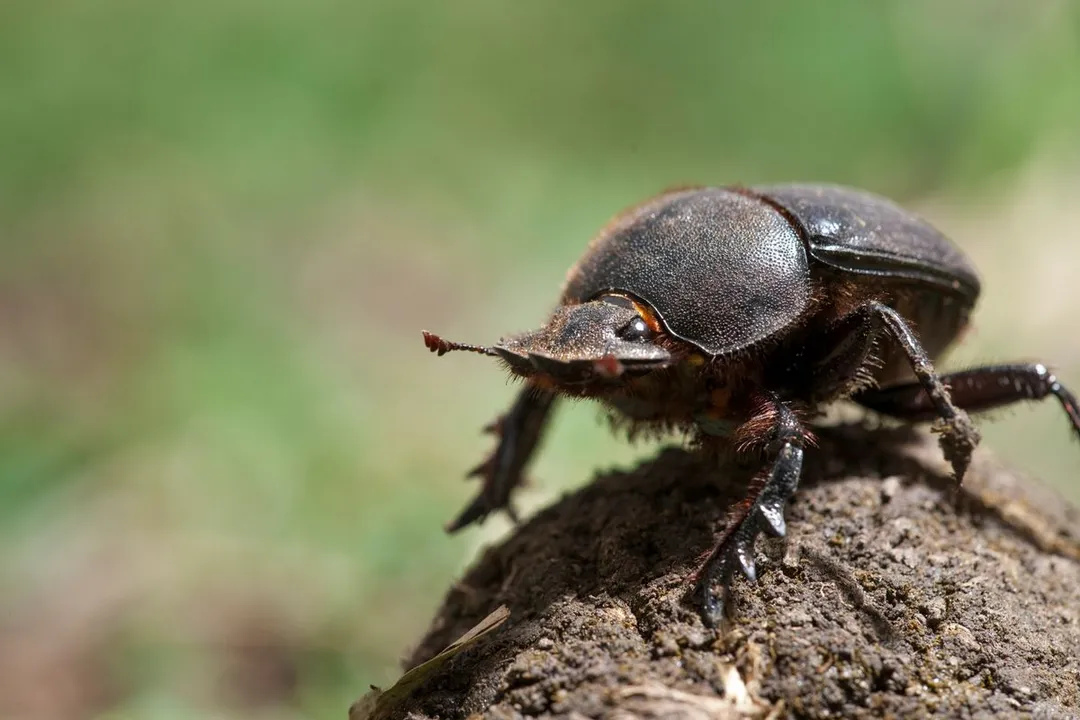
The question of what a beetle eats is less about finding a single answer and more about recognizing one of nature's most astonishing dietary spectrums. Within the order Coleoptera, which represents the largest group of insects on Earth, the nutritional needs are incredibly diverse, ranging from consuming nearly every part of a living plant to specialized diets based entirely on decaying organic matter or even the flesh of other insects. [2][5] Because the term "beetle" encompasses millions of species, pinpointing a "main diet" is impossible; the diet is entirely dependent on the specific family and ecological niche the beetle occupies. [5]
# Dietary Spectrum
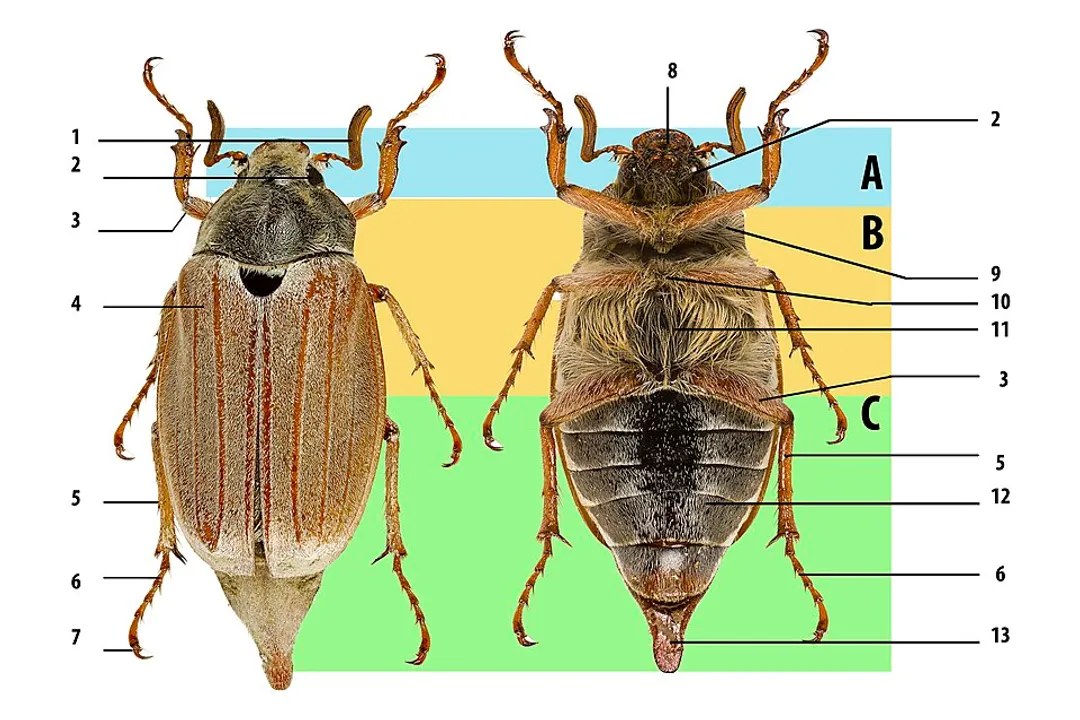
Beetles have evolved into herbivores, carnivores, saprophages, fungivores, and specialists feeding on seeds or pollen. [5] Broadly, their feeding habits fall into categories that dictate their interaction with the environment, whether they are garden pests, vital decomposers, or beneficial predators. [2][6] For instance, wood-boring beetles, like the powderpost variety, survive by consuming the very material of wood itself. [1] Contrast this with species like the dung beetle, whose existence is intricately tied to the consumption and burial of animal feces, a role essential for nutrient cycling in many ecosystems. [8] This sheer variety means that if you find a beetle in your yard or home, its next meal could be anything from the leaves on a tree to the fabric in your closet. [1][6]
# Plant Eaters
Herbivory is a dominant feeding strategy among beetles, yet even within this group, there is specialization. [2] Some beetles, often called leaf beetles, focus exclusively on consuming the foliage of specific plants. [2] Others target different parts of the plant life cycle. For example, certain species might bore into stems or roots, while others are drawn to the sugars found in flowers, nectar, or pollen. [5]
Leaf beetles are a classic example of dedicated plant consumers, but the specificity can be alarming to gardeners. An aphid-eating ladybug, for instance, is technically a predator, but many leaf beetles will only consume plants from a single genus or family. This specialization often drives the evolution of intricate chemical defenses in plants, as they have to fend off a highly adapted, specialized feeder rather than a generalist. [2]
# Decay Consumers
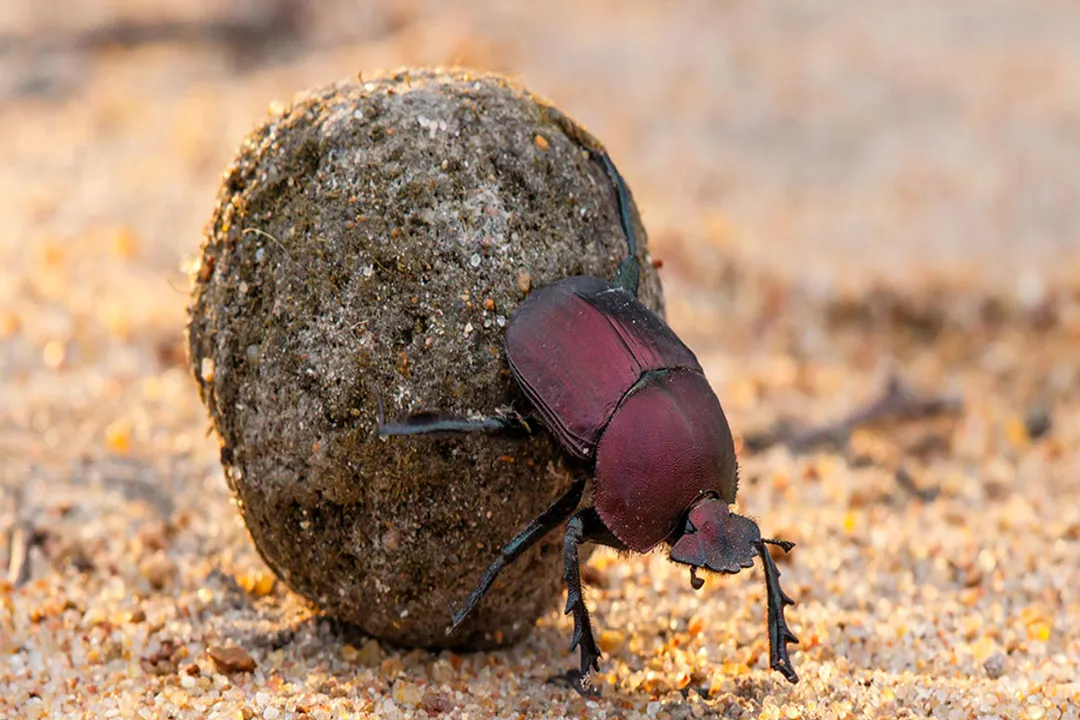
A significant portion of the beetle population thrives on material others leave behind. This group includes detritivores, which feed on decaying matter, and specialized groups like coprophages—the dung beetles. [5][8]
Dung beetles are perhaps the most famous specialists in this category, dedicating their lives to processing animal waste. [8] They are vital recyclers, effectively cleaning the environment by consuming and burying dung, which prevents the buildup of waste and helps return nutrients to the soil. [8]
Then there are the scavengers and saprophages that feed on dead animals (carrion) or other forms of decomposing organic material. [2][6] Furthermore, certain beetles, such as carpet beetles, have a diet that extends to non-living animal products found in human dwellings, including wool, hair, feathers, and dried animal skins, making them household nuisances. [6] Similarly, grain or flour beetles feed on stored food products. [6] The sheer availability of dead or decaying matter ensures that these decomposers have a consistent food source, which is why they are often more numerous than the pure predators. [1]
An interesting divergence within the decay consumers involves wood. While some wood-boring larvae consume the living cambium layer, many others, like the powderpost beetles, digest the dry, dead wood itself, relying on symbiotic gut microbes to break down tough cellulose and lignin. [1]
# Predator Roles
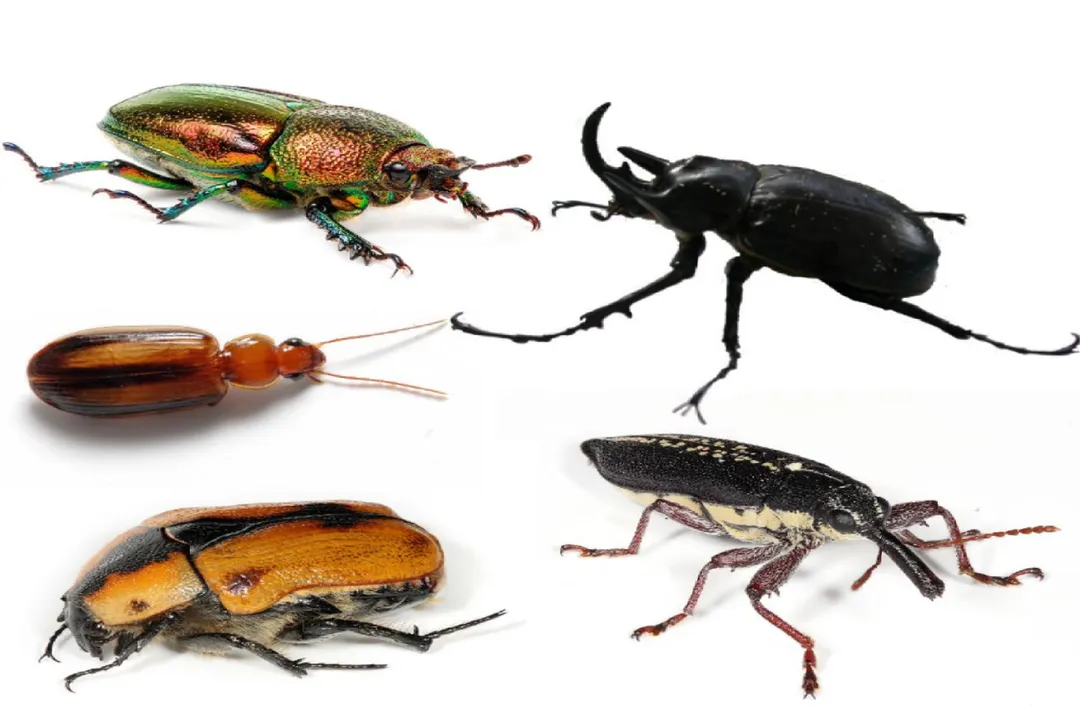
Not all beetles are gentle recyclers or plant munchers; many are effective hunters, playing roles as natural pest controllers. [2] Ground beetles, for example, often hunt slower-moving invertebrates such as slugs, snails, worms, and other insect larvae encountered on the ground. [2] Ladybugs, while commonly associated with eating garden pests like aphids, are also highly effective predators in their larval and adult stages. [2]
These carnivorous beetles usually possess strong mandibles adapted for grasping and crushing their prey. [2] In a controlled setting, observing a predatory beetle hunt can be quite dramatic, as they often overpower prey significantly larger than themselves through sheer tenacity. [2] It is helpful for gardeners to recognize these beneficial insects, as a large population of ground beetles or ladybugs can significantly reduce the need for chemical interventions against soft-bodied pests. [2]

# Captive Care
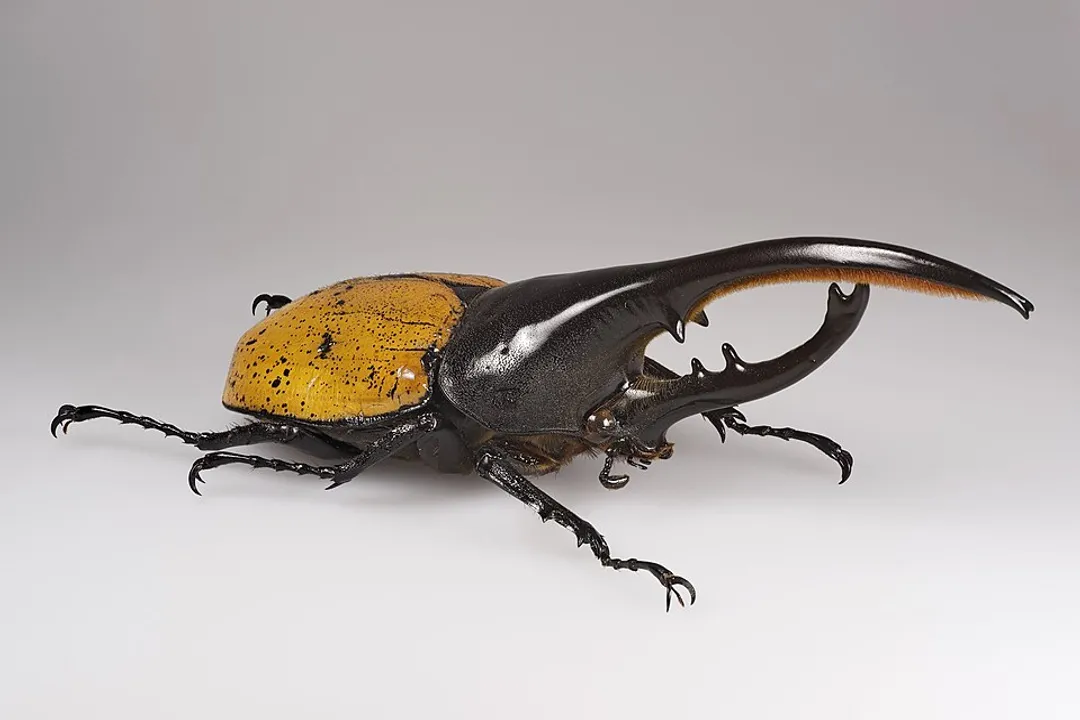
For those who keep beetles as pets, understanding the main diet shifts from ecological classification to practical feeding schedules, particularly for large species like rhinoceros or stag beetles. [4][9] Captive keepers often replicate the natural diet but simplify it for convenience and nutritional completeness. [7]
For many large scarab beetles kept as pets, the primary sustenance revolves around sugary, soft materials. [4][7] This often means providing slices of fruit such as apples, bananas, or pears, and sometimes vegetables like sweet potatoes or carrots. [7] Many enthusiasts supplement this with commercially prepared beetle jelly or gelatinized sugar products designed specifically for them. [4][7] Some sources indicate that certain species, like the Warrior beetle, can thrive with fruit as their main diet. [9] However, a key consideration in captive care is ensuring the food source is moist enough, as dehydration is a major risk for these insects. [7]
When preparing food for captive beetles, a simple comparison can be drawn to feeding a fruit-loving primate versus feeding a mouse; the former needs sugars and moisture, while the latter requires protein. Therefore, knowing the species is paramount: feeding a predatory ground beetle the same sugary jelly intended for a herbivorous rhino beetle would likely lead to starvation, as the predator requires whole, animal-based protein to survive. [2] A practical consideration for hobbyists is that spoiled or moldy fruit not only becomes unappetizing but can introduce pathogens, meaning daily checks and removal of old food are necessary maintenance steps that directly influence the beetle's health. [7] This dedication to specific, high-quality food demonstrates that even for a common insect order, dietary requirements are rigid and species-specific.
#Videos
What Do Beetles Eat? - YouTube
Related Questions
#Citations
What Do Beetles Eat? A Breakdown of Their Diverse Diets - Terminix
What do beetles eat? - Discover Wildlife
What Do Beetles Eat? - YouTube
What foods do your beetles like? : r/BDFB - Reddit
Beetle - Wikipedia
What do beetles eat around your home and outside? - Earthkind
What Do Beetles Eat? + The Ultimate DIY Beetle Food Recipe!
How do dung beetles' diets keep the world clean?
Warrior beetle can eat fruit as main diet? | Forums - BeetleForum.net