What is John Dory called in the US?
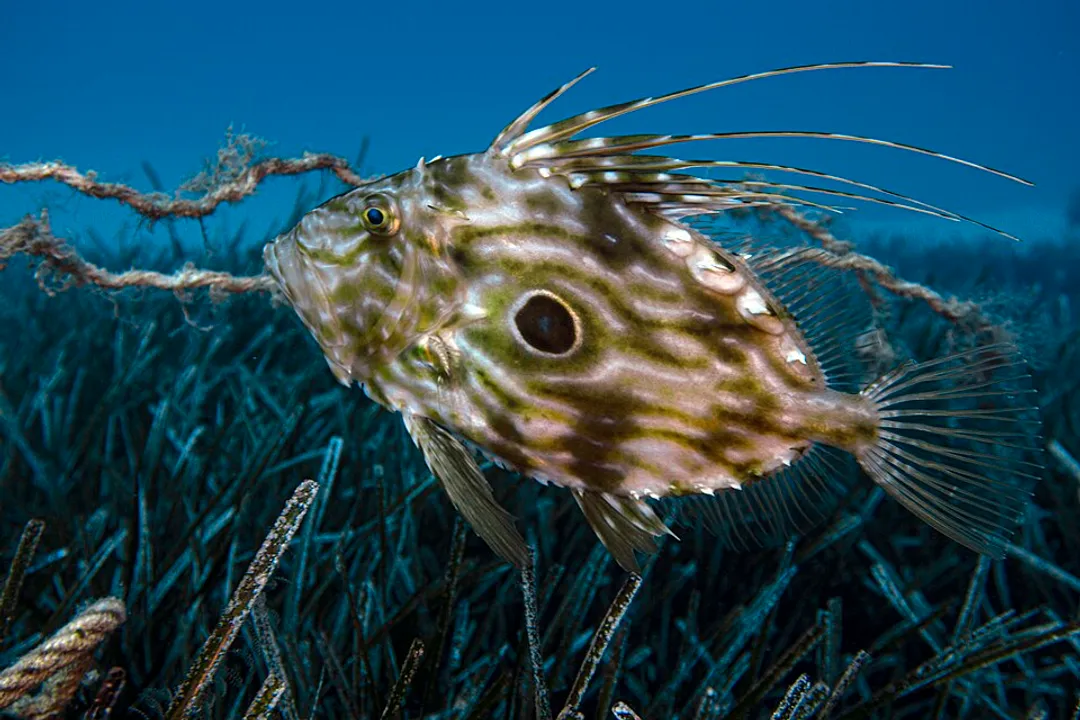
The common name for the esteemed John Dory in the United States can be a surprisingly nuanced topic, often depending on whether one is discussing the global Zeus faber or a locally present, closely related species. While the name "John Dory" itself is widely recognized, especially within the fine-dining sector, the specific fish encountered off the coast of the US may carry a different, though related, designation depending on location and scientific context. For many American consumers and chefs encountering this fish in the market, it is simply presented as John Dory, often imported or noted for its excellent qualities that place it alongside species like Sole and Turbot. However, a deeper look into American ichthyology reveals a distinct native counterpart to the European fish that shares the same moniker.
# Etymology and Lore
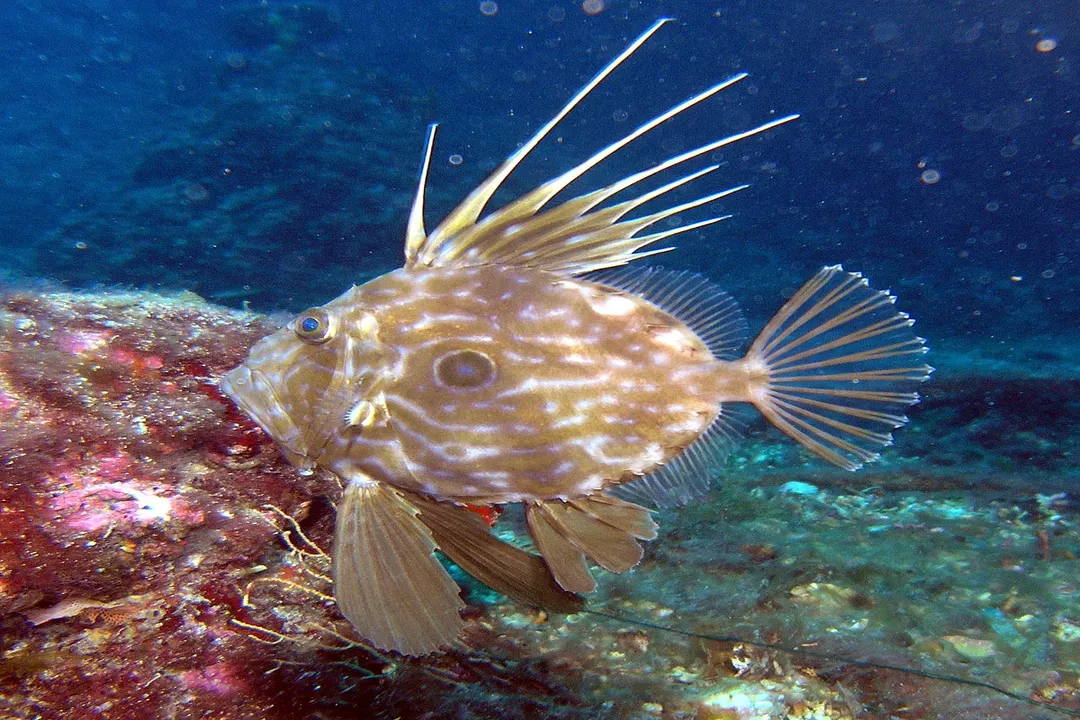
Before dissecting the regional naming conventions, understanding the roots of the name provides valuable context for why this fish commands attention. The name "dory" itself is believed to derive from the French word dorée, which translates to "gilded" or "golden," a fitting descriptor for the fish’s coloration. The addition of "John" became attached around 1609, and some theories suggest it may stem from a 17th-century sea shanty or song about a sailor named John Dory.
Beyond the primary name, John Dory is frequently known by more evocative aliases. The most common alternative, which spans across several international markets, is St. Pierre. This name is often associated with the fish’s most striking visual feature: the large, dark blotch prominent on each side of its body. This spot is famously attributed to legend, often called St. Peter's thumbprint. The folklore suggests that Saint Peter plucked the fish from the sea and, in doing so, left the distinct mark of his thumb upon its flank. This visual branding—the dark spot—is key to the fish’s identity, sometimes confusing prey by appearing like an eye on the flank, allowing the Dory to suck in its meal. This inherent visual intrigue contributes significantly to the fish’s persistent presence in culinary discussions, even where it isn't commonly landed.
# American Identity Distinct Kin
The primary factor influencing what John Dory is called in the US relates to the distinction between the globally recognized European species, Zeus faber, and its North American relative, Zenopsis ocellata.
The European John Dory (Zeus faber) is widely distributed across the Mediterranean, Eastern Atlantic, and waters surrounding Oceania and Asia. When this specific species is sourced for high-end US restaurants, it is generally sold under its established international name, John Dory, or as St. Pierre.
In contrast, the waters off the eastern coast of North America are home to the American John Dory, scientifically classified as Zenopsis ocellata. This species shares the characteristic deep, laterally compressed body shape and the prominent side spot but possesses several key structural differences that separate it definitively from Z. faber. For instance, the American species features plates along the base of its first (spiny) dorsal fin, which the European counterpart lacks, and it typically has three anal spines compared to the four found on Z. faber.
While the scientific community recognizes Zenopsis ocellata as the American counterpart, the commercial landscape in the US often blurs this line. The sourcing information indicates that in the United States, the fishery is primarily known for Atlantic John Dory found near New England, which is caught as bycatch and is not a targeted species. The range given for this Atlantic variety includes the waters from New Jersey up to Rhode Island. Therefore, an American diner asking for John Dory might receive an internationally sourced Z. faber, a locally caught Z. ocellata, or another Atlantic variety sold under the umbrella term "John Dory". For consumers seeking true local seafood, recognizing the Zenopsis ocellata as the native American Dory is critical for understanding regional catch data and provenance.

# Comparative Morphology Structural Divergence
To appreciate the difference between the primary global species and its American cousin, examining the subtle yet significant anatomical markers is useful. These differences are important for both identification and understanding why specific regulations or classifications might apply to one but not the other.
| Feature | European John Dory (Zeus faber) | American John Dory (Zenopsis ocellata) |
|---|---|---|
| Anal Spines | Four stout spines | Three short, stout spines |
| Dorsal Fin Plates | Lacks plates along the base of the first (spiny) dorsal fin | Possesses bony plates along the base of the first (spiny) dorsal fin |
| Dorsal Spines | Stouter thorns at the base of most spines | Thorns on dorsal fin spines are less conspicuous |
| Head Profile | Upper profile is less deeply concave | Upper profile of the head is noticeably more deeply concave |
| Coloration (Juvenile) | Generally golden/olive, dark spot on flank | Up to about 15 inches, shows 12–24 dark spots that fade with growth |
This structural divergence highlights that while they belong to the same family (Zeidae) and genus (Zeus is sometimes used broadly, though Zenopsis is the genus for the American one), they are evolutionarily distinct enough to warrant separate species classification. The fact that the American variety possesses more developed bony plates, which are often armed with hooked thorns, suggests a potential adaptation to different local predator pressures or seabed conditions compared to its European relative. Furthermore, the American species can be quite deep, sometimes only one and three-fourths times as long as it is deep, a characteristic noted alongside its silvery coloration.
# Habitat and Range Disparity Localized Fisheries
The global distribution of the John Dory genus (Zeus and closely related genera) is broad, encompassing the coasts of Africa, Southeast Asia, Japan, Europe, and Oceania, including New Zealand, where the Māori name is kuparu. They are generally benthopelagic, meaning they live near the seabed in depths ranging from about 20 to over 1,000 feet, though often found shallower, around 30 to 160 feet.
The US-relevant locations reveal a focus on the cooler waters of the North Atlantic shelf. The American John Dory (Zenopsis ocellata) is documented on the outer continental shelf, with its general range extending from the latitude of Chesapeake Bay north to the vicinity of Sable Island, Nova Scotia. It occasionally strays into the inner Gulf of Maine. Reports indicate specimens trawled off Long Island, Martha's Vineyard, and Georges Bank, demonstrating its presence along the New England coastline. This localized presence in the colder North Atlantic waters shapes its status as a secondary catch.
Contrast this with the European Zeus faber, which is more commonly associated with warmer Mediterranean waters and the Eastern Atlantic. Its seasonality in the North East Atlantic is noted to be most abundant and best value from May to June and again from September to December. When Z. faber is harvested in the US, it is often incidental to targeted fisheries, reinforcing its status as a bycatch rather than a commercial mainstay. The fact that New Zealand’s Z. faber fishery is rigorously managed with strict quotas based on population surveys provides a clear contrast to the bycatch reality in the US waters where Z. ocellata or Z. faber might appear. This difference in management strategy directly impacts market consistency and perceived sustainability between regions.
# Culinary Esteem Delicate Texture
Regardless of which species is on the plate—the European standard or the American native—the high culinary reputation remains consistent. John Dory is often regarded by connoisseurs as one of the most delicious table fish available. Its flesh is prized for being lean, brilliantly white, sweet, and having a finely textured, light flake that is simultaneously moist. It possesses a firm yet smooth texture and a light aroma with subtle seaweed hints.
Because of its delicate nature, a common piece of advice from chefs and fishmongers is to avoid overcooking it. Eliza Acton, writing in 1845, recommended baking it very gently to preserve moisture. The flavor profile is described as robust yet slightly milky, making it versatile enough to stand up to an aggressive sauté or to be prepared with gentle, clean applications that let the fish shine through. When purchasing whole fish, one can expect a relatively thin rack but a large head, which is excellent for creating rich broths or fumets.
While highly regarded, access for the average home cook can be limited because John Dory is frequently a bycatch fish. This means it is caught unintentionally while targeting other species, making it less reliably available in standard supermarket settings compared to commonly targeted stocks.
# Market Position Commercial Reality
The bycatch nature of John Dory in the US fishery dictates a specific commercial role. Unlike species that have dedicated gear, quotas, and market promotion, Dory often appears as a premium, almost accidental addition to sales lists. In New England, where the American species is found, its capture is incidental to trawling operations. This reliance on incidental capture means supply can fluctuate based on the success of the primary targeted fishery, regardless of the Dory's own population health.
When seafood distributors handle John Dory, they often lean into its international fame derived from Z. faber to market the product to chefs who recognize the name from European cuisine. This creates an interesting dynamic: the finest examples of the local species (Z. ocellata) may be marketed using the reputation of the foreign one (Z. faber), while both benefit from the general culinary cachet associated with the name "St. Pierre". For a consumer, this means that while the Zeus faber might offer a more consistent profile due to established international trade routes, the Zenopsis ocellata represents a truly local, albeit less common, seasonal delicacy from the Atlantic shelf. The pursuit of this delicate fish in the US, therefore, becomes an exercise in seeking out specialized purveyors who pride themselves on sourcing local, incidental catches rather than relying on large, steady supermarket flows.
#Videos
An introduction to John Dory - YouTube
Related Questions
#Citations
John Dory - Wikipedia
Finfish | John Dory - Fortune Fish & Gourmet
What is John Dory? - Direct Seafoods
John Dory | Research Starters - EBSCO
American John Dory - FOMB Cybrary
An introduction to John Dory - YouTube
John Dory | Seafoods.com