Is a gosling a baby duck?
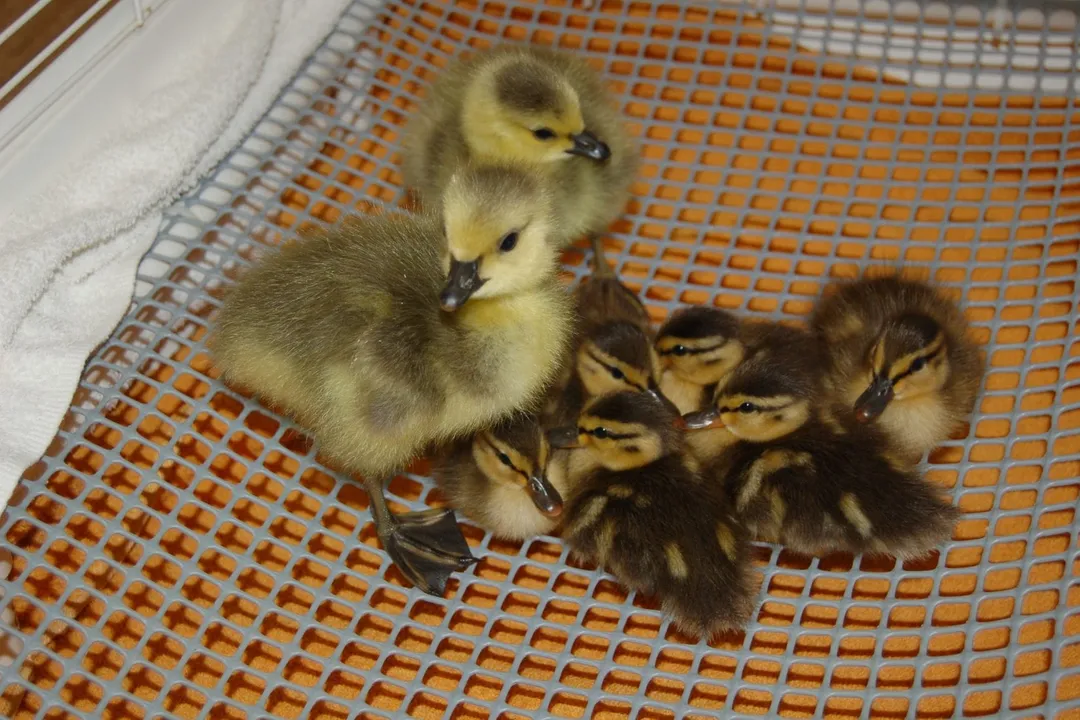
The immediate answer to whether a gosling is a baby duck is a definitive no; a gosling is the term used for a baby goose, while the young of a duck are called ducklings. [2][5] This simple linguistic separation highlights a fundamental biological distinction between two groups of waterfowl that often share similar habitats, leading to frequent confusion, especially for casual observers or those encountering young birds in distress. [1][3] While both ducklings and goslings share the characteristic downy fluff and an undeniable cuteness factor, they belong to different species within the Anatidae family, and knowing the difference is more than just semantics—it can be vital in rescue or wildlife observation scenarios. [6][9]
# Young Waterfowl Terms
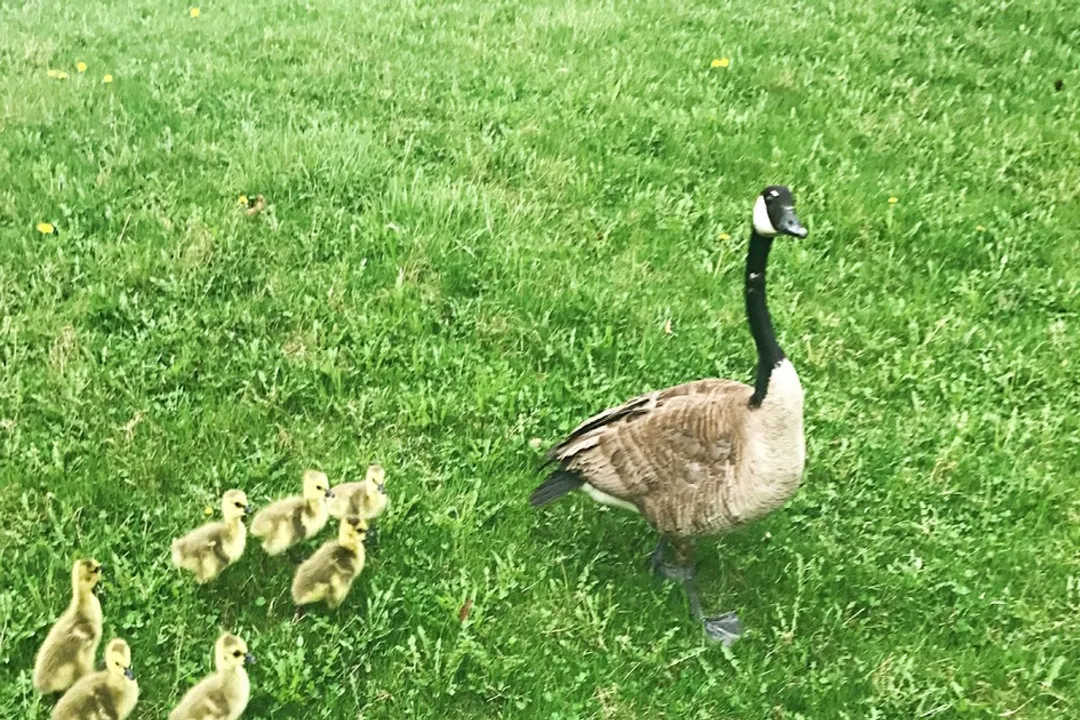
The terminology used for juvenile waterfowl is precise, mirroring the adult bird's classification. A baby goose is invariably a gosling, whether it hatches from the egg of a Canada Goose, a Snow Goose, or a domestic breed like the Embden or Toulouse. [2][5] Conversely, the infant of any duck species, from the ubiquitous Mallard to a Pekin duck raised on a farm, is known as a duckling. [5] This pattern is consistent across the wild and domestic spectrum. [2] For those encountering very young birds, particularly when they are small and fluffy, differentiating them based on sound or sight can be challenging, which is why many wildlife organizations provide specific guidance on this very topic. [6][9]
# Distinguishing Features
Telling a duckling and a gosling apart goes beyond just knowing their names; it requires observing key physical traits that develop early on, even through the downy stage. [7] Experienced birders and waterfowl specialists look at several consistent markers to confirm identity. [4] The differences are subtle but reliable once you know what you are looking for, moving past the general assumption that all small, yellow-and-brown waterfowl chicks look alike. [3]
# Size and Stature
One of the most immediate, though sometimes unreliable depending on age, identifiers is size. Generally, goslings are larger than ducklings when they hatch, and this size difference often persists as they grow. [7] A gosling will usually appear more robust and bulky compared to a duckling of the same age. [4] If you see a group of young birds and one is noticeably bigger, standing taller, or seems to have a heavier build, it leans toward being a gosling.
When considering their posture, goslings often exhibit a more upright stance, reflecting the longer neck that characterizes adult geese. [4][7] Ducklings, even when young, tend to have a slightly lower, more horizontal profile relative to their body mass.
# Bill and Neck Shape
The bill—or beak—provides excellent diagnostic clues. Duck bills are typically broad, flatter, and more rounded at the tip, which is perfectly adapted for dabbling and sifting food from water or mud. [4] Geese, on the other hand, generally possess a bill that is proportionally shorter, slightly higher-arched or "Roman-nosed" in some species, and often thicker at the base relative to its length. [7] This bill structure is geared more towards grazing on grasses and vegetation, a key dietary difference from many duck species. [4]
The neck length is also a major distinguishing feature, even in the chick stage. While both have proportionally shorter necks than their adult counterparts, the foundation for the goose’s longer neck is visible in the gosling. A gosling's neck will often appear longer and leaner in comparison to the more compact, chunky appearance of a duckling. [7] If you can observe the neck extending noticeably from the body when the bird is walking, it suggests a goose lineage. [4]
# Vocalizations Heard
Vocal differences are another powerful tool for identification, provided the bird is vocalizing. Ducklings communicate primarily through soft, high-pitched peeps or cheeps. [4] These sounds are often gentle and frequent. Goslings, however, tend to have a slightly lower-pitched, coarser vocalization, often described as a low hiss or a subdued honk or quack that hints at the louder calls of adult geese. [4] While both can be loud when distressed, the quality of the sound tends to be lower and rougher for a gosling than the higher, cleaner sound of a duckling.
A helpful way to summarize the key differences, particularly for rapid field assessment, might look something like this comparison, synthesized from general waterfowl identification guides:
| Feature | Duckling (Baby Duck) | Gosling (Baby Goose) |
|---|---|---|
| General Size | Smaller, lighter build [7] | Larger, more robust build [4] |
| Body Profile | Lower, more horizontal posture | More upright, taller stance [4] |
| Bill Shape | Broad, flatter, rounded tip [4] | Shorter, thicker at base, sometimes slightly arched [7] |
| Neck Appearance | Shorter, more compact | Noticeably longer, leaner proportion [4] |
| Vocalization | High-pitched peeps, soft cheeps [4] | Lower-pitched, coarser, muted honk/quack or hiss [4] |
| Primary Diet Hint | Water insects, small aquatic matter | Grazing on grass/vegetation [4] |
One observation frequently made by those raising waterfowl is that while ducklings often have a very short attention span for parental calls once they begin exploring, goslings, especially those from certain domestic breeds, often exhibit a stronger, more persistent drive to stay physically close to their parents or the established flock leader. This tendency toward tighter flock cohesion in geese versus the more independent wandering noted in some ducklings can sometimes be a clue to their identity in a group setting. [4]

# Seasonal Sightings
The timing of when these young birds appear can offer secondary context, though it is less definitive than physical traits since regional populations vary widely. Spring, particularly late spring and early summer, is the prime season for both ducklings and goslings to hatch. [8] If you observe young waterfowl in May or June, you are likely seeing the annual brood for that area. [8] However, the timing can shift based on local climate and whether you are observing wild migratory birds or domestic waterfowl whose breeding cycles might be managed differently. [8] In many temperate zones, seeing healthy, well-established young birds means their hatching occurred within the last few weeks to couple of months. [8]
# Rescue Identification Urgency
When a person finds a lone, seemingly orphaned baby bird, correct identification is the first step toward providing appropriate aid. [6][9] Wildlife centers and rehabilitation groups stress that putting a duckling with geese or vice versa can be detrimental to the young bird's survival and social development. [6] Waterfowl imprint quickly—they bond with the first moving, vocal object they perceive as a parent. [6]
If a duckling imprints on geese, it may not learn proper foraging techniques specific to ducks, or it might be rejected by its own kind later on. The reverse is true for a gosling raised by ducks. Correct identification allows rescuers to attempt to reunite the chick with its actual parents or, if necessary, place it in specialized care that understands the species-specific nutritional and social requirements. [9] For example, while both eat starter feed, the precise protein levels and the need for grit for grinding food can vary slightly, and importantly, goslings require access to appropriate grazing materials much sooner than many duckling breeds. [4]
# Caring for Found Young
If you come across a single, small waterfowl chick that appears alone, the first action is often to pause and observe from a distance to see if a parent is nearby. [6] If you are certain the parent is absent or the chick is in immediate danger (e.g., near a road or predators), intervention may be necessary. [9] However, because of the imprinting issue and the specialized care required, wildlife centers strongly recommend contacting a licensed professional rather than attempting long-term care yourself. [6] When you call, clearly stating whether you suspect you have a duckling or a gosling—using the correct term—helps the professional triage the situation faster. [9]
If you manage to capture the bird safely for transport, keeping it quiet, warm (but not hot), and in a dark container can reduce stress until you reach a facility. [6] Remember, the goal in any rescue scenario is to mimic the parental environment as closely as possible, and the parental environment is dictated by species, which begins with knowing if you have a baby duck or a baby goose. [9] A practical tip for handling any found chick is to avoid offering food or water unless explicitly instructed by a rehabilitator, as incorrect feeding (especially giving too much water) can lead to aspiration or digestive issues in these fragile young birds. [6] The difference between a lost duckling and a lost gosling ultimately dictates the necessary next step in its short-term survival plan.
Related Questions
#Citations
Distinguishing between a duckling and a gosling can be ... - Facebook
Baby duck or baby goose? - BC SPCA
Is this a duckling or a gosling? : r/duck - Reddit
Ducklings and Goslings - Ducks Unlimited
I found a baby duck or goose - Toronto Wildlife Centre
Difference between a baby duck & gosing - Houzz
Duckling and Goslings: the Season for Young Waterbirds
Found Ducklings/Goslings | MOWildlifeRescue