What is another name for a pond skater?
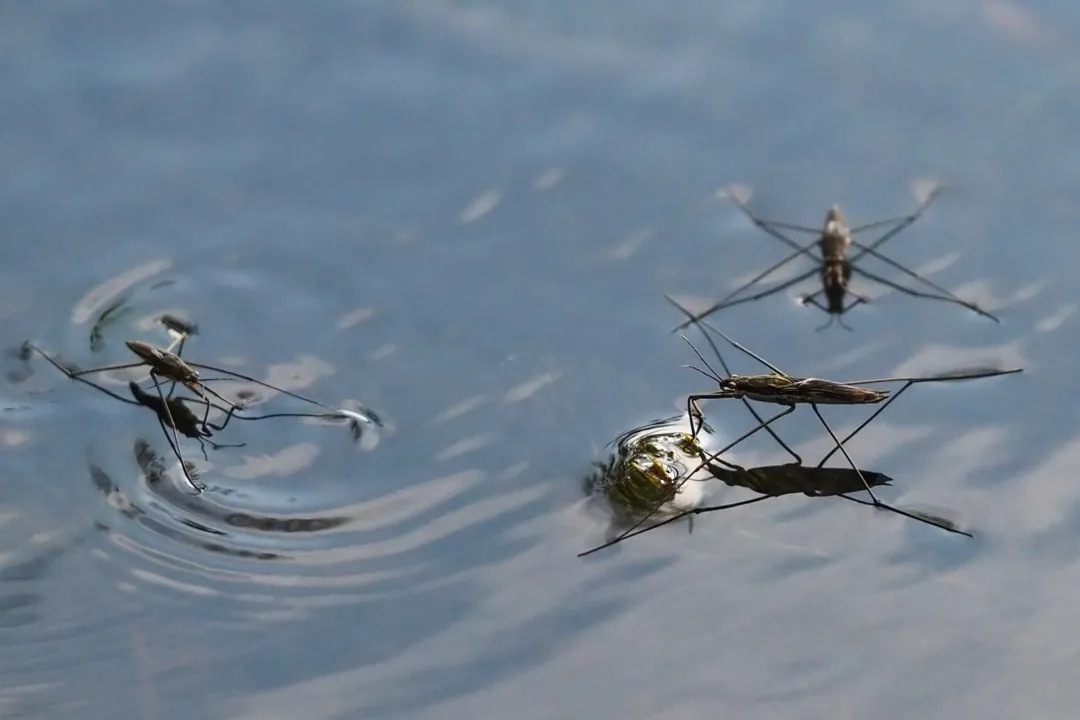
The familiar insect that dances across the surface of still water is often a subject of casual debate regarding its proper title. Depending on where you live, or perhaps which nature guide you consulted last, you might call it a pond skater, a water strider, or maybe even a skipper. This creature, capable of gliding effortlessly across what appears to be solid ground, possesses a surprisingly varied nomenclature, reflecting both its distinct habit and its broad presence across different regions. The most frequent alternative name it answers to is undoubtedly the water strider. This designation speaks directly to the primary action that captures our attention—the act of striding or skating upon the water's surface.
# Naming Conventions
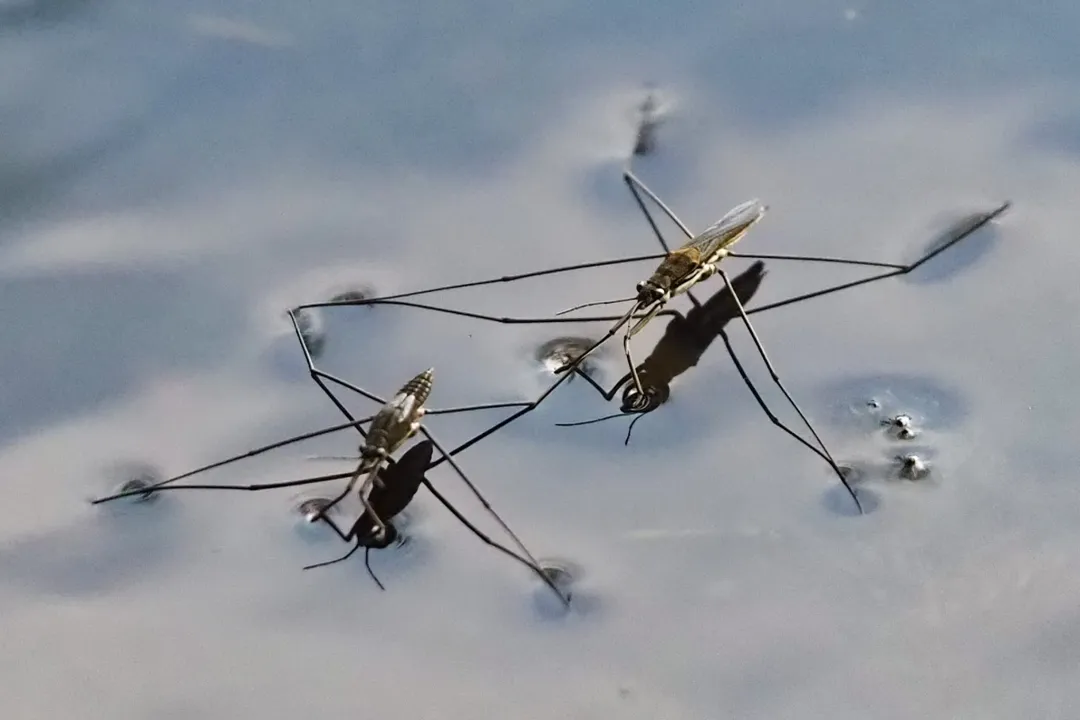
Exploring the different terms used reveals a fascinating overlap in descriptions. While pond skater anchors the name to a common habitat—the still, often murky waters of a pond—water strider is a more geographically neutral descriptor, applying equally well to bodies of water that are moving or much larger. The term skipper is also occasionally applied, though perhaps less formally in some circles, still capturing that quick, light movement across the meniscus.
A quick look through synonyms shows just how many descriptors people have attached to this insect over time. Beyond the main two, other informal names can surface, such as water bug or, more misleadingly, water spider. These variations aren't just semantic differences; they sometimes reflect local traditions of naming wildlife before scientific classification solidifies common understanding. It’s worth noting that the common name often precedes the formal scientific one in casual conversation, which is why knowing these aliases is helpful when trying to identify observations online or compare notes with fellow enthusiasts.
Here is a quick comparison of the most common names and what they emphasize about the creature:
| Common Name | Primary Emphasis | Scientific Context Note |
|---|---|---|
| Pond Skater | Habitat preference (still water) | Slightly less encompassing for all Gerridae |
| Water Strider | Surface locomotion | Directly describes the action |
| Skipper | Quick movement | Informal but descriptive |
| Water Spider | Appearance (superficial resemblance) | Biologically incorrect (it is an insect) |
When you are trying to relay an observation—perhaps posting a picture to an online community seeking identification—using one of the primary terms, like water strider or pond skater, increases the likelihood of a quick, accurate response, as these are the most established common names.
# Insect Identity
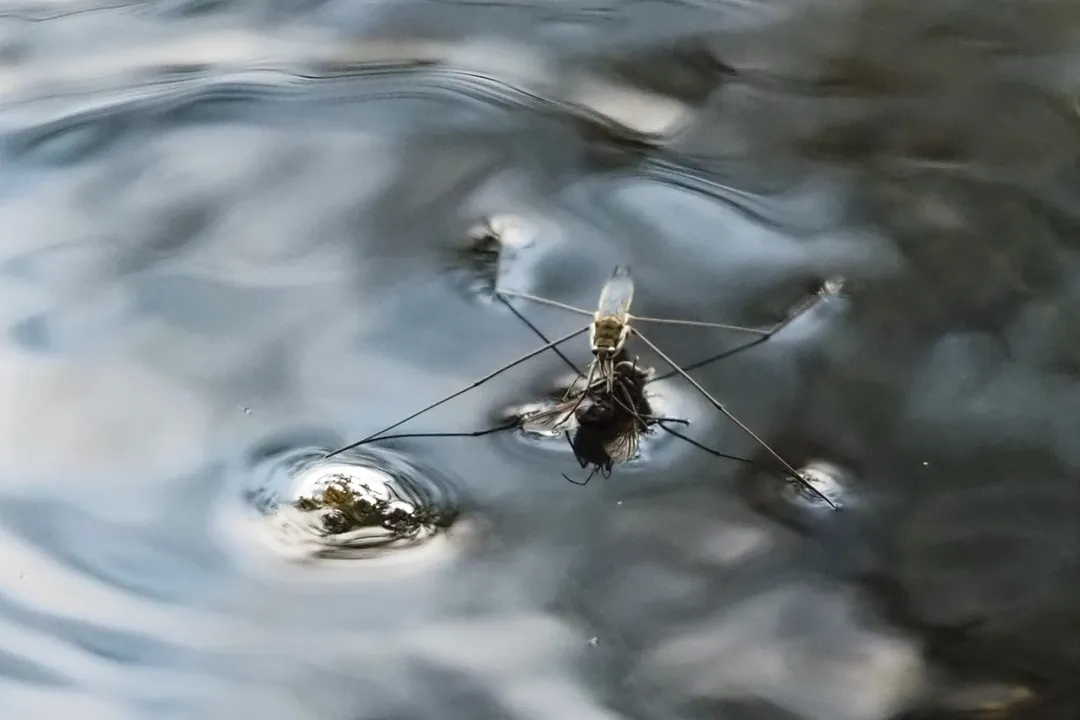
One crucial clarification that arises when discussing these surface dwellers is their true biological identity. Despite some alternative names suggesting otherwise, these creatures are definitively insects, not arachnids like spiders. They belong to the insect order Hemiptera, often referred to as the "true bugs". Specifically, they are members of the family Gerridae. This distinction is important because their body structure—three pairs of legs, six legs in total—conforms to the insect blueprint, unlike spiders, which possess eight legs.
The confusion likely stems from their near-perfect mastery of the water surface, mimicking the way some water spiders move, but the underlying biology is distinctly different. Understanding this helps place them correctly within the realm of freshwater life. For example, the species Gerris lacustris, a common representative of this group, fits neatly into the insect classification structure.
# Surface Mechanics
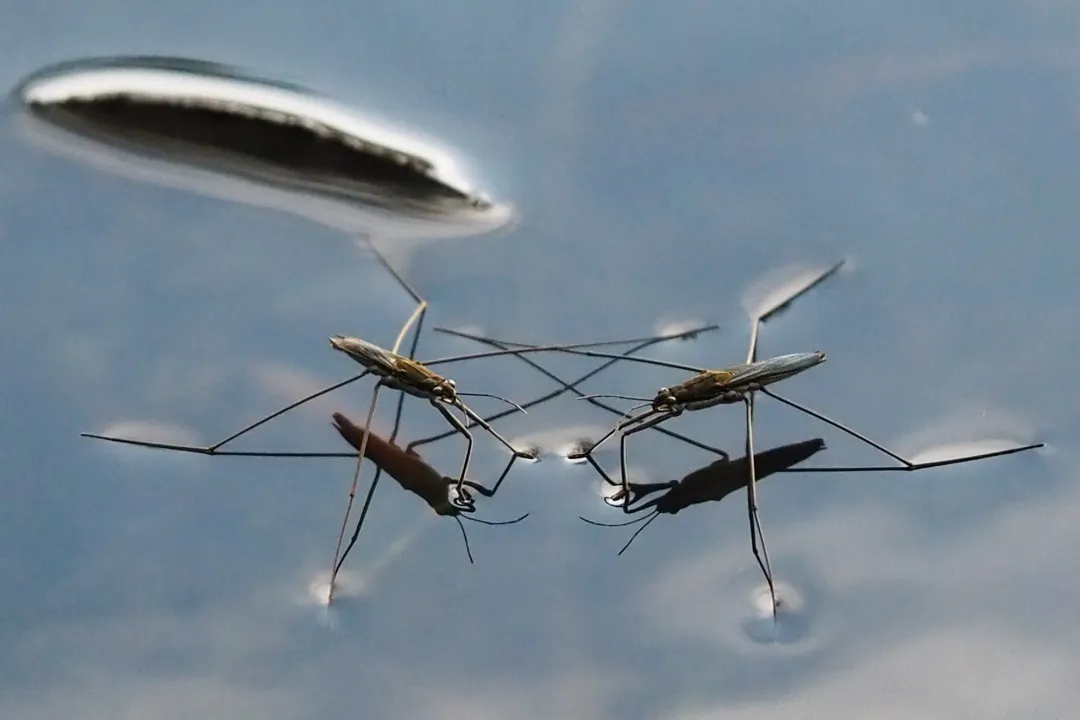
The ability to move across water without breaking the surface tension is the defining characteristic that has inspired so many of their names. This isn't magic; it's elegant physics at work. These insects are remarkably light, and their legs are structured in a way that minimizes the area touching the water.
The legs themselves are covered in tiny, water-repellent hairs, or hydrophobic structures. These structures trap air, effectively distributing the insect's weight over a broad area of the water's surface without piercing the surface tension layer. Think of it like standing on a tightly stretched sheet—the force of your weight is spread out enough that the sheet doesn't tear. When a pond skater needs to move, it doesn't paddle; it pushes off the water, using its middle pair of legs as the main propulsion mechanism, much like oars in a boat. The front legs are often used for sensing or capturing prey, while the rear legs act as rudders for steering.
It's easy for us, as observers standing on the bank, to simplify this process into just "skating" or "striding," but the actual mechanics involve a highly specialized adaptation for life at the air-water interface. This reliance on surface tension means they are incredibly vulnerable to pollution or substances that break that tension, like soap or oil.
# Ecological Niche
Beyond their fascinating locomotive skills, these insects occupy an important role in their aquatic environments, sometimes being nicknamed the "water clean-up squad". While they are not decomposers in the traditional sense, their predatory habits keep populations of smaller, often surface-dwelling, creatures in check.
Pond skaters are generally predators, feeding on small insects that have fallen onto the water. If a fly, mosquito, or small beetle lands on the surface, the skater detects the resulting ripples almost instantly, zips across to the spot, and immobilizes the prey with its mouthparts. They are highly effective hunters in this two-dimensional world.
However, they are also known to feed on weak or dying individuals, which contributes to keeping the surface environment clear of debris and potential disease vectors, justifying the "clean-up squad" moniker. Observing a group of these insects around a stagnant pool gives you a real-time demonstration of natural pest control in action. For instance, in a summer pond filled with mosquito larvae activity, a healthy population of water striders can significantly reduce emerging adults simply by targeting those that fall into the water during takeoff or landing. This natural regulation service is often overlooked when we are simply focused on their unique ability to walk on water.
# Local Context and Observation Tip
When you are out looking for these creatures, you might find that the name you use locally influences how others around you identify them. If you live near large, open bodies of water, water strider might be the default. If your primary environment is a small, enclosed water feature, pond skater naturally becomes the common tongue. This regional variance is common in natural history naming.
Here is a practical consideration for observers: If you notice that the insects you are watching seem to have wings and can fly, you are likely observing a species capable of flight, which is common in the Gerridae family. If you only ever see them scurrying on the water and they never seem to take off, they might be wingless morphs, which can develop when conditions in the pond—like overcrowding or stagnation—signal that it's safer to stay put rather than risk moving to a potentially better location. This environmental feedback loop dictates whether the insect is a permanent skater or one that can temporarily abandon the surface for the air.
# Diversity of Gerridae
While we talk about "the pond skater" as a singular entity, the family Gerridae encompasses many species around the world, each slightly adapted to its specific niche, be it fast-flowing streams or large, calm lakes. The scientific classification helps us move past the confusion of common names toward a precise understanding. For example, knowing that Gerris lacustris is one recognized species gives researchers a standardized point of reference, regardless of whether a local speaker calls it a lake skipper or a water walker.
In summary, while the creature’s physics-defying movements have earned it the common names pond skater, water strider, and skipper, it remains a fascinating example of an insect—a true bug of the Gerridae family—perfectly evolved to exploit the unique properties of water tension for hunting and transit. The continued use of multiple names simply underscores how striking and memorable this tiny navigator of the water surface truly is.
Related Questions
#Citations
Gerris lacustris, commonly known as the common pond skater or ...
What do you call these guys? : r/insects - Reddit
7 Cool Facts About Water Striders
Pond-skaters: the water clean-up squad! - Ray Cannon's nature notes
Eurasian common pond skater (Gerris lacustris) - iNaturalist
water strider or pond skater - WordReference Forums
Pond Skater Insect Facts - A-Z Animals
POND-SKATER Synonyms: 14 Similar Words & Phrases
POND-SKATER Definition & Meaning - Dictionary.com