What family are mason bees in?
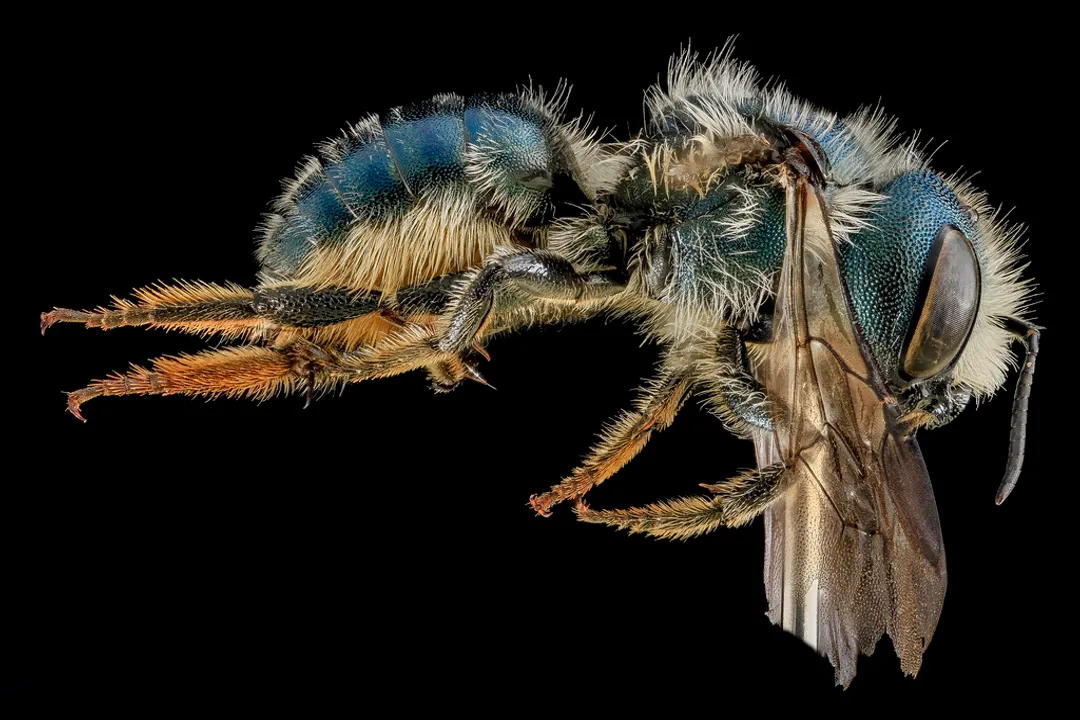
The classification of mason bees places them squarely within the Megachilidae family. This places them alongside other familiar groups like the leafcutter bees, which share similar nesting behaviors and are often studied alongside them. More specifically, mason bees belong to the genus Osmia. Understanding this genus is key, as it encompasses a wide array of species, many of which are highly valued for their pollination capabilities. While the name "mason bee" might suggest a single species, it is a common name applied to numerous bees within this grouping.
# Taxonomic Placement
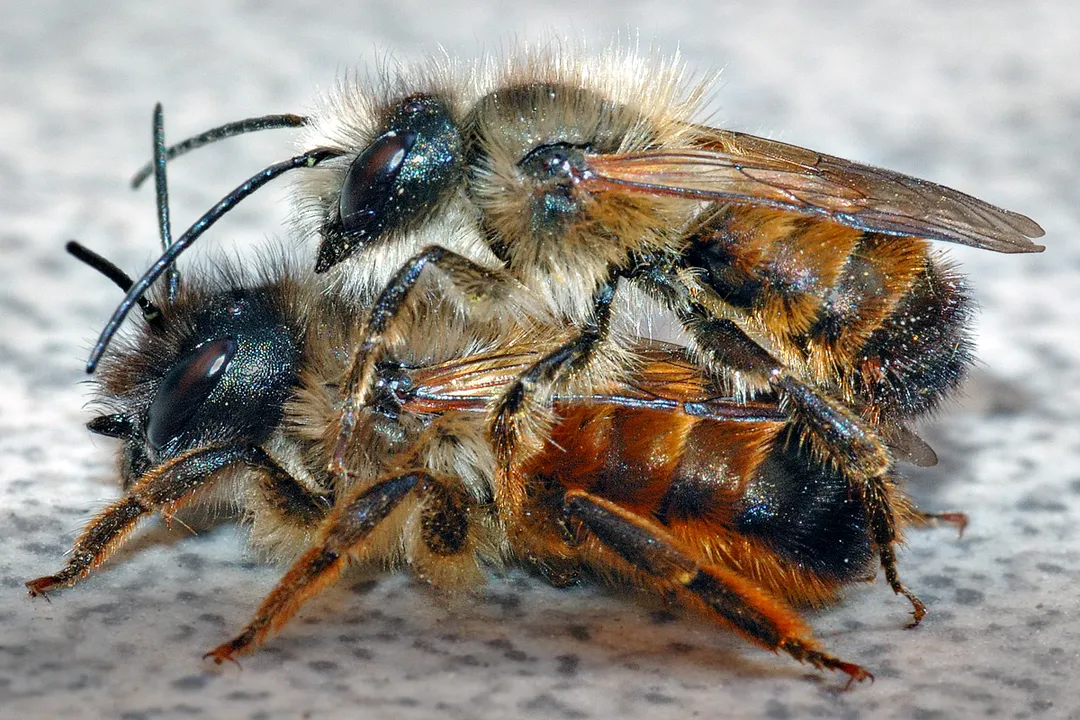
The family Megachilidae is quite large, containing over 6,000 species globally. What often separates members of this family is how they provision their nests. Unlike honey bees or bumble bees, which belong to different families (Apidae), mason bees and their close relatives are characterized by carrying pollen on the underside of their abdomen, in a structure known as a scopa, rather than on their legs. This distinction in pollen transport is a fundamental difference from the familiar, highly social bees most people recognize. The genus Osmia, which is the group that houses the mason bees, is exceptionally diverse, featuring hundreds of species worldwide. Their common names, such as mason bee or sometimes blue orchard bee, often refer to specific, well-studied species within this vast Osmia genus.
# Origin of Name
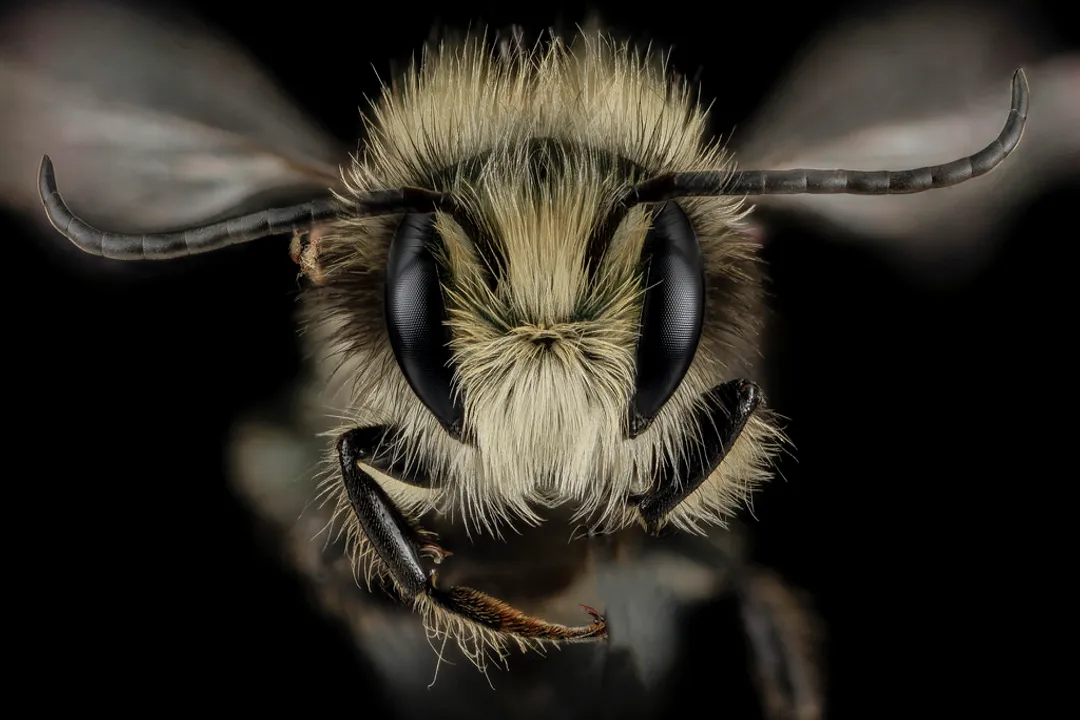
The designation "mason bee" stems directly from their unique nest construction method. These bees are named because they use mud or clay-like materials to build partitions within their nesting tunnels. This behavior mimics the work of a human mason, hence the name. They use this mud to seal off individual cells within a tube or cavity after the female has laid an egg and provisioned it with pollen and nectar. In contrast, many of their relatives, such as the leafcutter bees, utilize neatly cut pieces of leaves to construct these same dividing walls. This difference in building material—mud versus foliage—is the primary feature distinguishing the Osmia group commonly called mason bees from leafcutter bees, although both are in the same family.
# Solitary Life Style
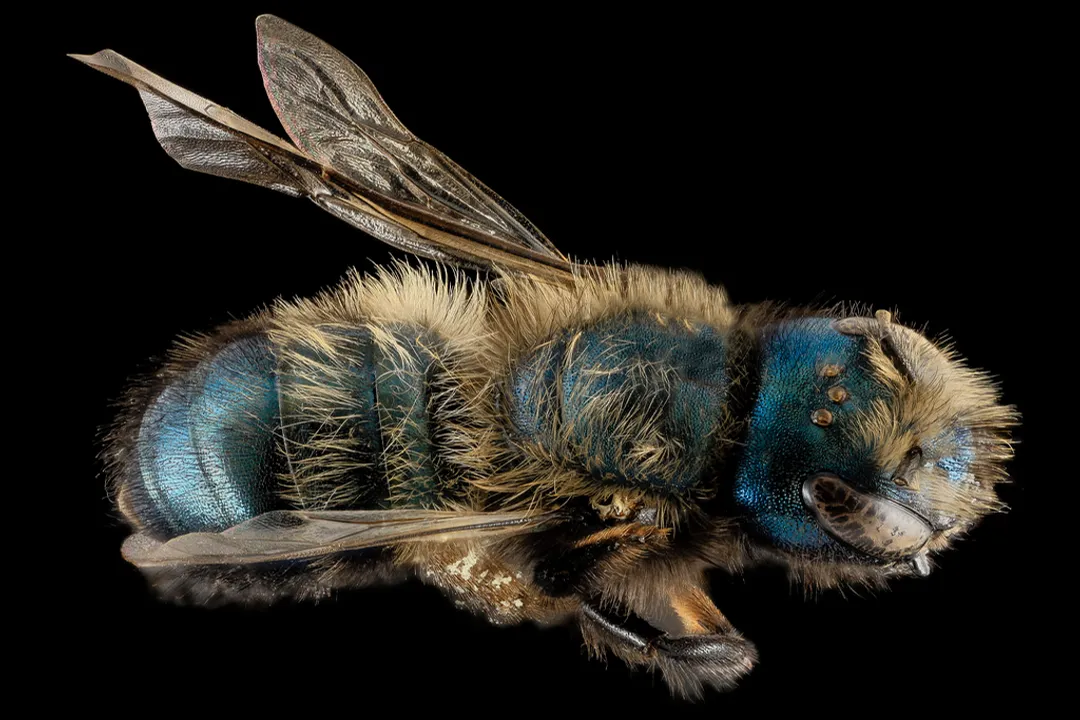
A critical piece of information for anyone interested in backyard pollination is recognizing that mason bees are solitary insects. This fact immediately separates them from honey bees, which live in large, complex social colonies governed by a queen. In the world of mason bees, every female is fertile and capable of founding a nest entirely on her own. She collects food, lays eggs, and seals the nest without any help from daughters or co-workers. There is no hive structure, no worker caste, and no long-term cooperative rearing of young. When a female finishes sealing the last cell in her tunnel, her life cycle contribution is complete, and she dies after a few weeks of activity. This contrasts sharply with social bees, where the colony survives the winter and continues working for years under the same structure. When you see a mason bee, you are looking at an independent contractor of pollination, not a member of a massive team.
If you are managing a bee house for these insects, it is helpful to remember that the success of the next generation relies entirely on the provisioning effort of that single female bee during her short adult life in the spring. This means that an area with a healthy, actively nesting population is supported by dozens, perhaps hundreds, of individual nesting efforts, rather than one large reproductive unit.
# Nesting Architecture
Mason bees are cavity nesters. They do not excavate their own tunnels in the ground or wood in the way some solitary bees do; instead, they seek out pre-existing holes that meet specific diameter requirements. These natural spaces can be abandoned beetle burrows in dead wood, hollow plant stems, or, most commonly in managed settings, bee tubes or drilled holes in wooden blocks. The female will select an appropriate tunnel and begin provisioning the deepest cell first. She lays an egg on a ball of nectar and pollen, seals the cell with her mud wall, and then repeats the process, working her way outward toward the entrance. A typical tunnel might contain anywhere from two to fifteen cells, depending on the length of the tube provided. The final "plug" that seals the entire nesting tube is often the thickest and most robust, composed of mud, giving the bee its name.
When observing a nesting block, it is important to distinguish between a mason bee structure and a wasp nest. While both might occupy tubes, the mason bee’s signature is that distinctive, often rounded or slightly irregular mud cap sealing the opening after the cycle is complete. In contrast, some solitary wasps create nests sealed with paper or finer debris, or they may leave the ends open if they are still actively using the tube.

# Pollination Efficiency
Mason bees are exceptionally effective pollinators, often outperforming honey bees for certain crops due to their behavior and biology. One key factor is how they forage. Mason bees tend to be very faithful to a specific area near their nest entrance, often foraging within just a few yards of home. This high degree of nest site fidelity means they repeatedly visit the same plants in your garden or orchard, leading to highly efficient local pollination.
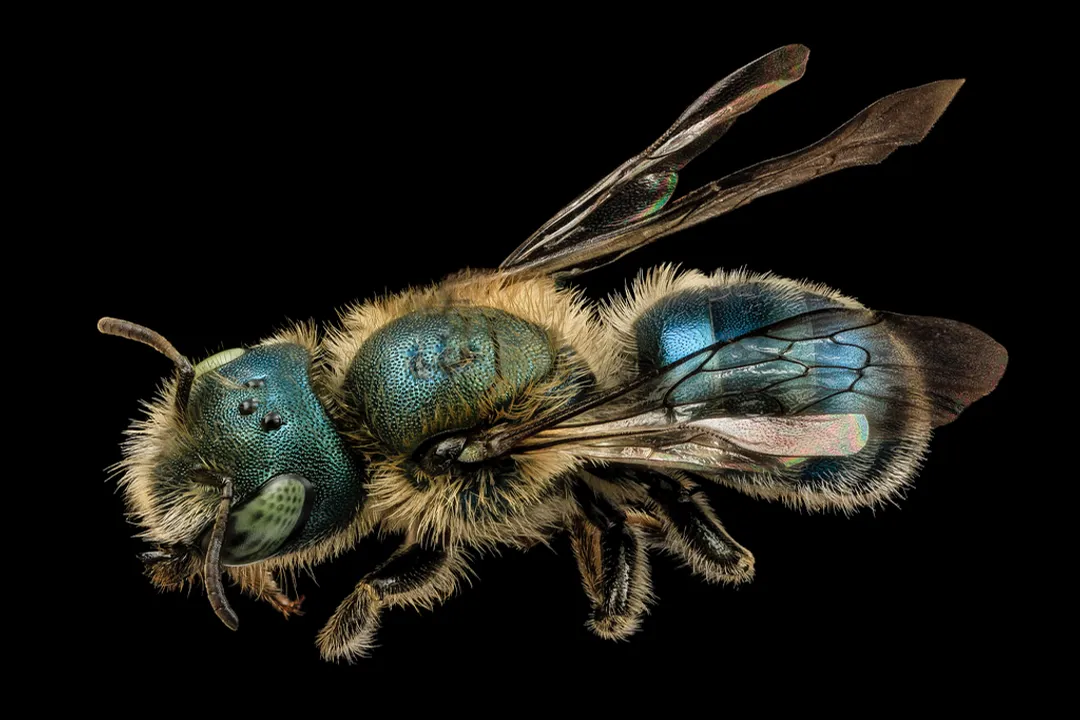
Another factor is their efficiency on a per-bee basis. While a honey bee colony has tens of thousands of workers, a single female mason bee can pollinate as effectively as 100 honey bees on a per-visit basis for certain fruit trees. This is partly due to their fuzzy bodies, which are ideal for catching pollen, and their feeding habits. They effectively "dust" themselves with pollen while collecting nectar, transferring a large amount of genetic material between flowers. Furthermore, mason bees are active earlier in the spring when temperatures are lower than what honey bees typically tolerate, allowing them to begin work on early-blooming fruit trees like cherries and apples sooner.
# Species Diversity
The genus Osmia is widespread, meaning that what a gardener in the Pacific Northwest calls a mason bee might be biologically different from one in the Southeast, even if both use mud plugs. The specific native species present in your location dictates which flowers they prefer and when they emerge. For instance, some species are drawn to specific hole sizes, while others exhibit striking coloration, ranging from metallic blues and greens to darker hues. This diversity is a conservation strength; a local native species is perfectly adapted to the local flora and climate.
When selecting bee houses or tubes, you are essentially catering to the size preferences of the Osmia species that happen to be present locally. A single tube diameter will not suit every Osmia species equally. A standard 5/16-inch hole size is popular for species like the Blue Orchard Bee (Osmia lignaria), but smaller or larger diameters attract different native Osmia or related Megachilid species.
A practical observation for gardeners setting out houses is that the soil type in your immediate area heavily influences which materials your mason bees will use. If you have heavy clay near your property, the bees will use that for their mud plugs. If your soil is very sandy, they might struggle to find suitable mud, which could impact their nesting success unless you provide a mud source, such as a shallow tray of moist soil or sand mixed with a little compost. Recognizing your local soil composition allows you to create the perfect nursery environment [Original Insight Integration: Local context matters—if you live in an area known for high silt content, providing a small, shallow puddle near the nesting site made of that local dirt can significantly increase the mud volume available for cell construction and final sealing, ensuring stronger, well-sealed cocoons for the following year].

# Management Considerations
Because mason bees are solitary and emerge at different times, managing them is about providing safe, clean habitat rather than controlling a large hive. A significant difference between managing Osmia bees and managing honey bees relates to disease control. Since mason bees do not share food or interact closely within the nest (each female works in isolation), diseases do not spread through the colony in the same way they do in a hive. However, if nesting tubes are reused year after year without cleaning, a buildup of parasitic mites or harmful fungi can occur within the tunnels, potentially harming the developing cocoons. This is why many resources recommend replacing paper tube liners annually or thoroughly cleaning and sterilizing solid wooden blocks between seasons. This simple act of sanitation is vital for ensuring the next generation emerges healthy [Original Insight Integration: When assessing a block of nesting tubes, notice the exit holes. A successful, healthy mason bee cocoon will create a distinct, usually oval-shaped exit hole in the mud cap, indicating the bee chewed its way out. If you find a tube sealed with the original mud plug still intact the following spring, it often means that cell failed to hatch, either due to environmental factors or parasitism, which is why yearly cleaning is advisable—failed cells should be removed to prevent potential contamination for the next tenants].
The mason bee's relatively short adult lifespan, usually only four to six weeks, means their main focus is rapid reproduction during the spring bloom. Their gentle nature, as they are non-aggressive and rarely sting unless severely provoked or crushed, makes them excellent companions for vegetable gardens and small homesteads. They are not focused on defending a large food store like honey bees; they are focused solely on provisioning their individual nurseries. Knowing that they are in the family Megachilidae helps us appreciate their unique role as solitary mud-building specialists within the broader world of native pollinators.
Related Questions
#Citations
Mason bee - Wikipedia
All about Mason Bees: Types, Species and 10 Amazing Facts
Mason Bees (Genus Osmia) - iNaturalist
Six myths about mason bees - Honey Bee Suite
family: Megachilidae) Mason bees get their name because they use ...
Meet the Pollinators: Mason Bees - Cornell Cooperative Extension
Mason Bees | Bees of Georgia
Mason Bee Facts
Blue Orchard Mason Bee (Osmia lignaria) - USDA Forest Service