What family do hares belong to?
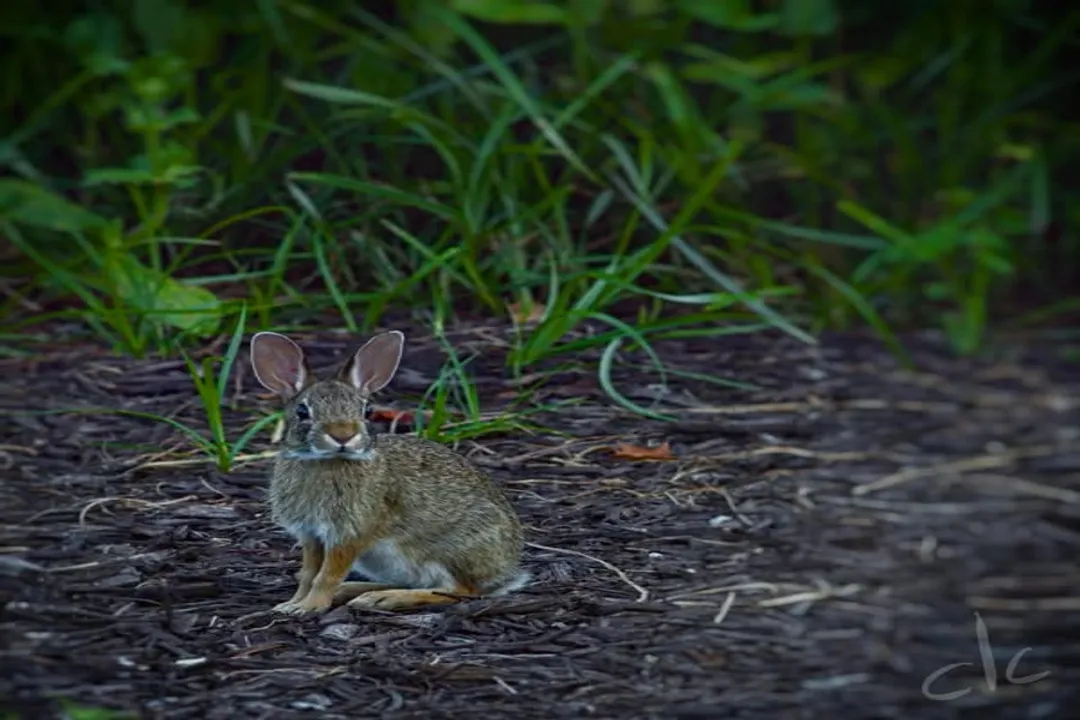
Hares belong to the mammalian family Leporidae. This classification places them alongside their close relatives, the true rabbits. The name Leporidae is the formal scientific designation for the group often informally referred to as the rabbit and hare family. Understanding this family relationship is the first step in appreciating the distinct ways hares live compared to other small mammals.
# Taxonomic Context
The family Leporidae itself resides within the larger mammalian order known as Lagomorpha. This order is significant because it famously includes not only the leporids but also the pikas. While pikas are also lagomorphs, they are distinct from rabbits and hares, which form the Leporidae family. Members of Leporidae are characterized by having four pairs of sharp, chisel-like incisor teeth that grow continuously, a feature shared with rodents, though lagomorphs are not rodents. Specifically, members of the family possess two pairs of upper incisors, one small pair situated directly behind the large pair.
The classification Leporidae encompasses approximately 30 different species, which are divided into several genera, including Lepus (hares) and Oryctolagus (European rabbits). This grouping means that while a hare and a rabbit appear similar and share fundamental anatomical traits, the lineage that separated them led to significant behavioral and physical divergences.
# Family Composition
The Leporidae family is broadly defined by two main groups: hares and rabbits. Though they are often confused, their separation into distinct genera within the same family reflects differing life histories.
The characteristics defining the family are primarily structural and dietary, revolving around their herbivorous nature and specialized dentition. As general examples of the group, rabbits and hares are known to consume a diet consisting mainly of vegetation, such as grasses, herbs, and bark. The term "true rabbit" and "true hare" is often used to distinguish between the genera within Leporidae.
It is useful to note that in common conversation, many animals are called "rabbits" or "hares" even if they do not belong to the Leporidae family. For instance, the North American cottontails are often grouped with them, but they constitute a separate genus, Sylvilagus, that remains within Leporidae. Conversely, animals like the South American tapeti are sometimes called rabbits but are classified under the genus Sylvilagus, keeping them within the family boundary. A simple rule of thumb for immediate identification might involve checking if the animal is a true hare (Lepus genus) or a true rabbit (Oryctolagus or Sylvilagus genera) to confirm family membership.
# Contrasting Life Strategies Within Leporidae
The most fascinating aspect of the Leporidae family is the stark difference in survival strategies adopted by its two most famous members: the hare and the rabbit. Despite sharing the same family classification, their reproductive approaches contrast sharply, leading to different ecological roles.
Hares tend to exhibit what is called a precocial birth strategy. This means that when a hare gives birth, the young, known as leverets, are born fully furred, with their eyes open, and are relatively mobile shortly after birth. Because of this advanced state, hares usually do not build nests or burrows for their young, instead relying on a shallow depression in the grass, sometimes called a form, to conceal them.
Rabbits, conversely, adopt an altricial strategy. Baby rabbits, or kits, are born blind, naked, and completely dependent on their mother. This necessity dictates their housing: rabbits are famous for digging complex underground tunnel systems, or burrows, where the young can be safely kept warm and hidden from predators. In areas like the Rocky Mountain National Park, for example, rabbits such as the Mountain Cottontail rely heavily on dense cover or burrows for shelter.
This reproductive difference directly influences their physical traits and habits, even though both are leporids. Hares are generally larger, possess longer hind legs adapted for sustained speed in open country, and have longer ears that aid in thermoregulation and predator detection. Rabbits, being smaller and relying on underground safety, often prioritize quick bursts of speed to reach cover rather than long-distance evasion.
| Feature | Hare (Lepus Genus) | Rabbit (Oryctolagus/Sylvilagus Genus) |
|---|---|---|
| Birth State | Precocial (Furred, eyes open) | Altricial (Naked, blind) |
| Nesting/Shelter | Above ground "form" or shallow scrape | Underground burrows or dense cover |
| General Size | Typically larger | Typically smaller |
| Ear Length | Longer ears | Shorter ears relative to body size |
When observing wildlife, recognizing these differing environmental reliance strategies can give immediate clues to the animal's identity, even before assessing precise physical measurements. For instance, seeing a young, relatively independent newborn hopping near a grassy field strongly suggests a hare, whereas an animal quickly disappearing into a hole in the ground is more likely a rabbit seeking its burrow network.
# Ecological Adaptations Reflected in Family Traits
The distinction between the above-ground, exposed life of the hare and the subterranean life of the rabbit within the same family offers a remarkable case study in evolutionary trade-offs. The precocial nature of hares is an adaptation for environments where creating and maintaining a secure burrow is difficult or impractical, such as very dry, arid, or extremely cold regions where digging is taxing. Their large ears, which can be flushed with blood vessels close to the surface, help dissipate excess body heat in open, sunny landscapes.
In contrast, the altricial young of rabbits necessitates the investment of significant energy into excavating and maintaining complex social tunnel systems. This investment provides excellent defense against many predators, as the young are shielded from aerial attacks and ground predators alike, which explains why rabbits are successful in diverse habitats where they can find suitable soil. An interesting comparison is that while hares often rely on speed as their primary defense throughout their life cycle, rabbits transition from relying on parental protection in the burrow to using cover and short bursts of speed as adults.
# Genera and Diversity
The family Leporidae is not just a two-part structure of hares and rabbits; it incorporates several distinct genera that demonstrate evolutionary divergence over time. While the genera Lepus (hares) and Oryctolagus (the European rabbit) are well-known representatives, the group also includes species like the Scrub Hares and Mountain Hares, which are also under Lepus. The diversity within the family means that if you were tracking leporids across different continents, you might encounter species with intermediate traits or those heavily specialized for unique environments, such as those adapted to high altitudes or desert conditions, all while retaining the core lagomorph characteristics like the unique dental formula. For instance, the presence of different genera like Pentalagus (Amami rabbit) alongside Oryctolagus highlights the successful radiation of this family across varied ecological niches globally.
Related Questions
#Citations
Leporidae (hares and rabbits) | INFORMATION - Animal Diversity Web
Hares and Rabbits (Family Leporidae) · iNaturalist
Rabbits vs Hares: Key Differences Explained - Facebook
Rabbits, Hares, and Pika - Mount Rainier - National Park Service
Leporidae - an overview | ScienceDirect Topics
Rabbits & Hares - Wildlife Online
rabbit and hare - Students | Britannica Kids | Homework Help
Leporidae | Study.com