Are Large Munsterlanders good family dogs?

The Large Munsterlander, with its handsome looks and reputation as a versatile working dog, often prompts the question of its suitability as a companion for a typical family setting. These dogs are generally characterized as friendly, affectionate, and possessing a sociable temperament, making them wonderful family members for the right household. They are known to form deep bonds with their families and are often described as patient and loving, which contributes to their positive reputation around children. Many owners report they are content and quiet indoors, provided their substantial energy needs are met. They are not typically known for being overly aggressive toward strangers, often greeting visitors with enthusiasm rather than suspicion, although they will certainly alert the family to anyone unusual at the door.
# Sociability
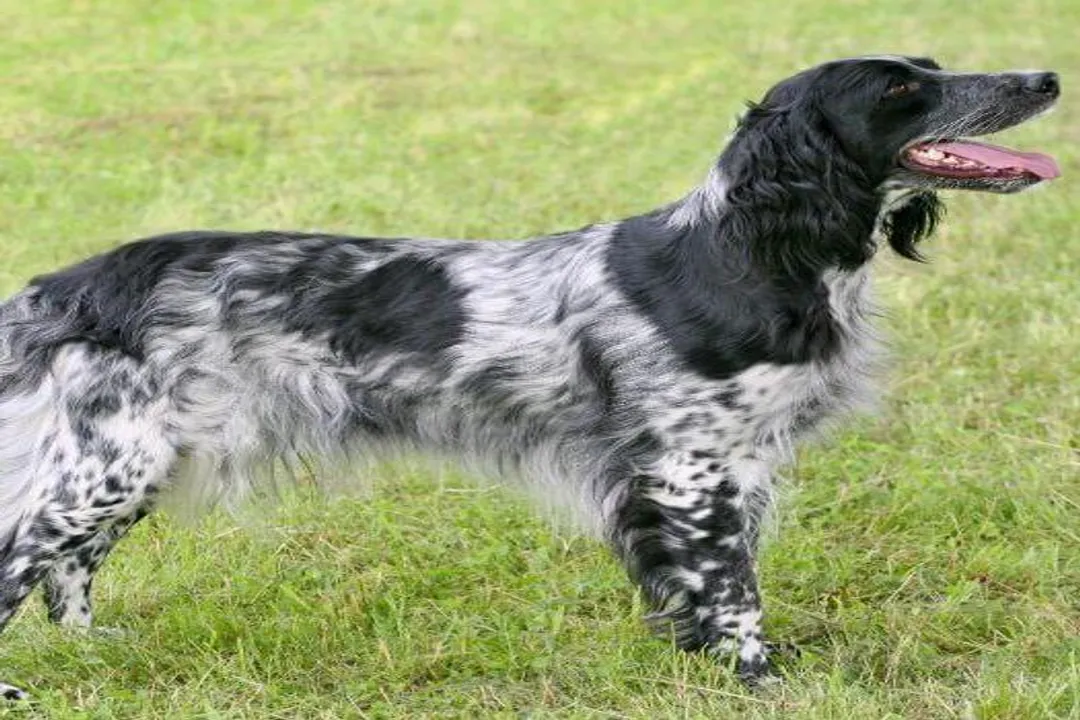
The LM’s nature leans toward companionship; they thrive on being near their people and do not usually take kindly to being isolated for long stretches. This desire for closeness is a key characteristic for potential families to understand—they want to be involved in the household action, whether that means watching television from the sofa or supervising activities in the kitchen. While generally good with other dogs and often compatible with other household pets, including cats, this compatibility is frequently conditional upon early and successful socialization. Because they were historically bred to be effective hunting dogs that pursued furred game, a strong prey drive can be present in some lines. For families with small pets like cats or rodents, careful introduction and management are essential, as some individuals may display a natural inclination to hunt smaller animals.
# Activity Demands

To keep that gentle house demeanor, however, owners must honor the dog’s working heritage. The Large Munsterlander is not content with a quick walk around the block; they are athletic dogs built to cover ground. Expect a commitment of at least one to two hours of vigorous activity daily. This activity should ideally incorporate both physical exertion and mental engagement, as they possess a strong need to work.
For a family looking to integrate this dog, viewing the LM as a potential personal trainer might be the best mindset. They excel at hiking, retrieving games, or swimming—they generally love water. If the required mental and physical stimulation is not provided, that high energy translates indoors, often leading to restlessness and potentially destructive behaviors such as chewing or pacing. If you are not an active family, or do not intend to channel their intelligence into sports like agility or scent work, this breed is likely to become unsettled. One way to manage the intensity and satisfy their retrieval drive is to focus training sessions around carrying items, using their natural instinct to fetch and return to the handler. This consistent engagement prevents boredom and reinforces the positive human-dog partnership they crave.

# Household Fit
Size and space requirements are practical considerations for any family considering a Large Munsterlander. These are large dogs, typically weighing between 25 to 29 kg for males, and slightly less for females, standing around 60 to 65 cm tall. While they can reside in an average home, their exercise needs and the inevitable mud and water they bring in from their outdoor pursuits mean they are much better suited to suburban or country living with a large, secure garden. If apartment living is the only option, prospective owners must be absolutely dedicated to ensuring the dog receives its full quota of outside activity, perhaps through dog sports or intensive park visits, otherwise, the space constraints will exacerbate the boredom mentioned earlier.
When considering their working background versus modern family life, there's a slight divergence in breeding focus that impacts temperament. In North America, particularly through the LMAA, breeding has historically emphasized the gamebird pointing aspect, perhaps reducing the intensity associated with hunting furred animals compared to some European lines. However, their versatility means they still possess the drive to hunt everything, making the "calm house dog" claim true only when the working drive is satisfied. For instance, while some owners report their LMs are highly calm indoors, others note that their dogs need daily intensive activity before settling down.
# Coat Care
The striking, long, feathered black-and-white coat is a defining feature, but it comes with a mandatory grooming commitment. While one source suggests a simple weekly comb-over, others point to a higher level of commitment, especially after outdoor excursions. Since the coat is designed to offer protection in dense undergrowth, it has a tendency to collect debris, leading one hunting enthusiast to label their dog a "bur magnet".
If you live in an area with a lot of sticky weed seeds, expect to spend time regularly de-burring and cleaning your dog, perhaps every other day or at least a couple of times a week. Furthermore, males generally carry a longer coat than females. A practical consideration for families is how the coat handles water work: while the thick coat provides insulation in cold water retrieving, it takes longer to dry compared to the shorter coats of breeds like the German Wirehaired Pointer (GWP). This means that after swimming, you will need adequate space indoors or sheltered space outside for the dog to dry off thoroughly to avoid moisture-related skin issues.

# Health Profile
The Large Munsterlander is generally regarded as a healthy breed, boasting a lifespan of 11 to 13 years. However, as a larger breed, they are subject to certain structural concerns that responsible family ownership must monitor. They carry a slight predisposition toward Hip Dysplasia and Elbow Dysplasia. Additionally, owners should be aware of potential eye issues, specifically Hereditary Cataracts, which can lead to vision impairment. A serious consideration, mentioned by Embark, is Hyperuricosuria (HUU), a condition involving uric acid buildup that can result in bladder stones. Responsible breeders should participate in screening schemes for hips, elbows, and potentially offer DNA testing for HUU. To help mitigate joint stress and maintain their active physique, ensuring they are kept at a lean weight through appropriate nutrition is vital, especially since large breeds benefit from carefully balanced mineral and vitamin intake.
# Historical Context
Understanding where the LM comes from explains their dual nature as both placid homebody and driven athlete. They trace their lineage to the Münster region of Germany, evolving from being considered non-standard, black-and-white variations of the German Longhaired Pointer (GLP). When the GLP club formalized standards to only recognize liver and white dogs in 1919, these black-and-white dogs were separated and officially recognized as their own breed, the Large Munsterlander. Their purpose was, and remains, as a versatile Hunt, Point, Retrieve (HPR) dog, meaning they are expected to handle pointing birds, tracking, and retrieving all types of game, including large game in some European traditions. This versatility is central to their high intelligence and cooperative nature, as they are bred to make sound decisions afield while remaining attuned to their handler.

# Suitability Verdict
Are Large Munsterlanders good family dogs? The answer heavily depends on the family's lifestyle. They are excellent companions for active individuals or families who crave an integrated canine partner for outdoor adventures, offering loyalty, affection, and intelligence in return for dedicated activity and companionship. They transition well from being tireless workers in the field to calm, cuddly pets on the couch, which is a balance many families desire.
However, this balance requires owner participation. If your idea of daily exercise is a fifteen-minute stroll, or if you have a small home with little safe outdoor space, this dog will likely suffer from frustration, which can manifest as undesirable behavior. Furthermore, prospective owners must be prepared for the consistent grooming required by their beautiful, feathered coat and must proactively manage potential prey drive around smaller creatures. A key takeaway is that the LM's best family compatibility is found in homes where the hunting or intensive activity background is respected and replicated through daily, dedicated training and exercise—treating them as a partner in activity rather than just a pet requiring maintenance. When this active partnership is established, the Large Munsterlander proves to be an exceptionally loving and well-adjusted family member.
Related Questions
#Citations
Munsterlander (Large) Dog Breed Information | Purina UK
Large Munsterlander: Breed Profile - Gun Dog Magazine
Small Munsterlander vs. large Munsterlander : r/birddogs - Reddit
Large Munsterlander - Dog Breeds - Omlet
Large Munsterlander Breed Guide - Scrumbles
Munsterlander (Large) - Dog Breeds - Embark
Large Munsterlander? | Shotgun Forum
Breed History - Large Munsterlander Association of America