What family are camel crickets in?
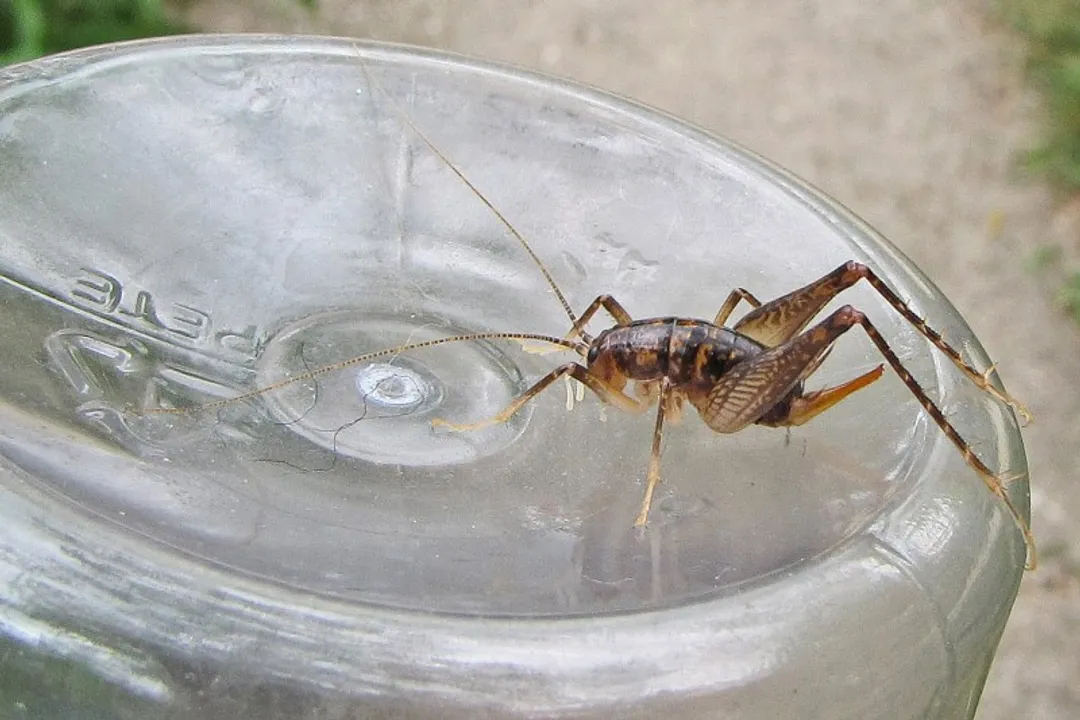
The common name "camel cricket" often causes immediate confusion, as these insects are remarkably distinct from the crickets we typically associate with chirping on a warm summer night. They belong instead to the family Rhaphidophoridae. [1][3] This family designation immediately separates them from true crickets, which fall under the superfamily Grylloidea within the order Orthoptera. [1][6] While both groups reside within the suborder Ensifera—a grouping that also includes katydids and long-horned grasshoppers—camel crickets have taken a significantly different evolutionary path, evidenced by their physical structure and lack of sound-producing organs. [6][9] The alternative common names they acquire, such as cave crickets or spider crickets, often stem from their unusual appearance and jumping habits, which can sometimes mimic arachnids in rapid movement. [2][4][8] Understanding their true family is the first step in appreciating why they behave so differently from their noisy relatives. [1][9]
# Taxonomic Placement
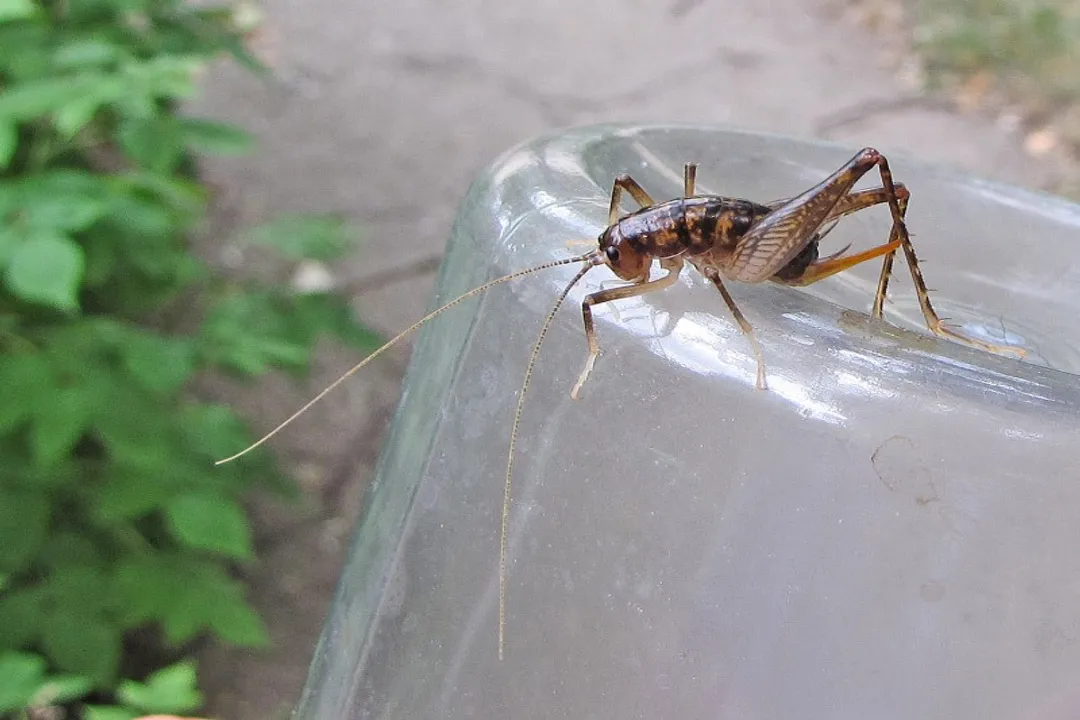
The classification of these insects places them squarely within the family Rhaphidophoridae. [1] This group is recognized for its general appearance, characterized by a distinctly curved or humped back, which is the source of the "camel" moniker. [1][6] Unlike members of the Grylloidea superfamily, Rhaphidophorids lack the specialized structures needed for stridulation, meaning they do not produce chirping sounds as a form of mating call or territorial display. [6][9] This absence of a song is a defining characteristic separating them from true crickets. [9] They are grouped with other non-singing Orthopterans, often sharing habitats that do not require aerial communication. [6]
The placement within Orthoptera confirms they are closely related to other familiar jumping insects, but the divergence is clear when examining morphology. For example, while many insects might be identified by their sound, the identification keys for Rhaphidophoridae rely entirely on physical characteristics, as acoustic cues are non-existent. [6]
# Appearance Traits
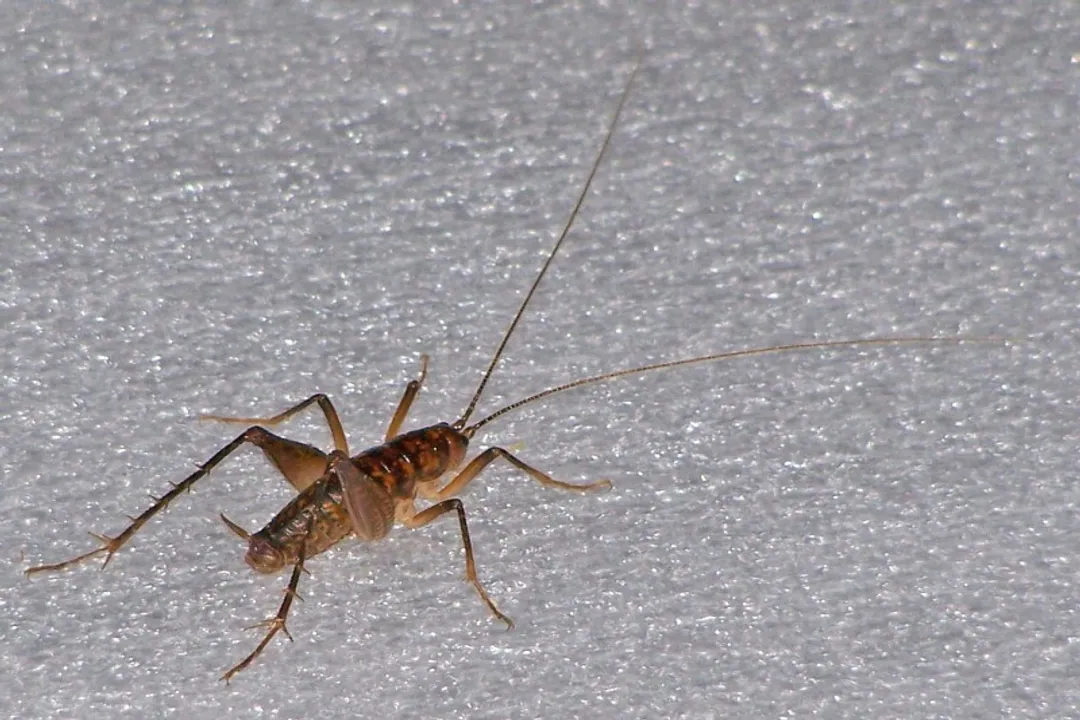
The most striking feature of the Rhaphidophoridae is their morphology. They possess long, threadlike antennae that often appear disproportionately long compared to their body size, sometimes exceeding the length of the entire insect. [4][5] This adaptation is crucial for navigating dark environments where sight is limited. [5] Their bodies are generally robust, possessing a distinct hump or arch over the thorax, giving them their namesake appearance. [1][6]
They are also highly adapted for escape, equipped with powerful hind legs perfectly suited for jumping. [4] This saltatorial ability is rapid and erratic, contributing to their nickname "spider cricket" when viewed in motion. [8] Another key physical trait involves the mouthparts and appendages. Adults are wingless; they possess neither forewings (tegmina) nor hindwings, which definitively excludes them from being a type of grasshopper or true cricket. [1][5] Females are equipped with a noticeable ovipositor, a structure used for depositing eggs. [1] Coloration tends to be muted, ranging from light to dark brown or sometimes black, offering camouflage in shadowed environments. [5]
When observing specimens, it is helpful to note the general size range. While specific species vary, the general impression is of a moderately sized insect, often reaching an inch or more in length depending on the species and maturity, with the antennae adding significant length to that measurement. [4][5]
| Feature | Camel Cricket (Rhaphidophoridae) | True Cricket (Grylloidea) |
|---|---|---|
| Sound Production | None (Wingless) [6][9] | Stridulation (Chirping) [9] |
| Thorax Shape | Humped or arched [1][6] | Generally flatter/less pronounced arch [1] |
| Wings | Absent in adults [5] | Present (forewings often leathery) [5] |
| Primary Sensory Organ | Very long antennae [4] | Long antennae |
This comparative table illustrates the fundamental break between the two groups, even though both are Orthopterans. [1][6]
# Damp Habitats
Camel crickets exhibit a strong preference for cool, dark, and damp environments. [2][4][5] This preference is not merely incidental; it reflects their physiological needs regarding humidity and temperature. [5] In natural settings, this translates to living under rocks, logs, leaf litter, or within caves—hence the term "cave cricket". [4][6]
When these insects move into human structures, they seek out the most analogous areas. Basements, crawl spaces, garages, and sheds are prime targets, especially those lacking proper ventilation or experiencing moisture intrusion. [2] The presence of camel crickets indoors often serves as a subtle, yet reliable, indicator of elevated moisture levels in that part of the structure. [2] If you find them concentrated around leaky pipes or damp corners, the cricket isn't the primary problem; it's a bio-indicator signaling a moisture control issue that needs addressing. [2] This is a key diagnostic point for homeowners: while they are pests, their location tells a story about the building's condition. For instance, in regions with heavy seasonal rainfall, exterior moisture infiltration into foundation voids can drive large populations indoors seeking refuge during wet periods. [5]
Unlike pests that require warmth, these creatures thrive in cooler, stable temperatures, which makes them common year-round residents in unfinished, climate-stable areas beneath homes. [5]
# Movement Diet
The diet of Rhaphidophoridae species is broad, classifying them as omnivores and scavengers. [2][5] They will consume a wide variety of organic materials they find in their damp habitat. This can include decaying vegetable matter, fungi, dead insects, pet food left out, and even fabric or paper materials if they are damp or moldy. [2][5] Their scavenging nature means they rarely cause significant structural damage, unlike termites or carpenter ants, but they can become numerous and highly bothersome. [2]
Their method of locomotion is perhaps their most famous behavioral trait. When disturbed, their response is an immediate, powerful leap. [4] These jumps are often surprisingly high relative to their body size, and because they do not produce sound, their sudden, silent appearance and rapid departure can startle observers, leading to the spider-like associations. [8] An interesting observation when watching them move is the way their long antennae trail or whip around; this, combined with the high jump, creates an unpredictable escape pattern that is difficult for predators—or humans—to track. [4]
A practical consideration for managing these insects revolves around their omnivorous nature. Removing potential food sources is as important as moisture control. If you notice them congregating near stored cardboard boxes, check the boxes for signs of dampness or mold, as the crickets might be feeding on the paper itself, a behavior often exacerbated when other food sources are scarce. [2][5] They are more drawn to the moisture in the material than the material itself, but the outcome is the same: destruction of stored items. [5]
# Pest Concerns
While generally considered harmless to humans—they do not bite defensively unless handled roughly, and they are not known disease vectors [4]—camel crickets are primarily considered a nuisance pest due to their population size and indoor habits. [2] Their sheer numbers, especially when environmental conditions are favorable (high humidity), can make them highly visible and unnerving. [8] Reports from residents in areas like Baltimore describe finding them in basements, sometimes in large aggregations, creating significant psychological distress for occupants. [8]
Their primary impact inside a home is related to food contamination and material damage:
- Contamination: They can contaminate stored food items or pet food by walking over them. [2]
- Material Damage: They may chew on fabrics, carpet fibers, or paper materials, particularly if those materials are damp or beginning to degrade. [2][5]
Controlling their presence requires a dual approach. Since exclusion methods are not always foolproof, managing the underlying conditions is key. Reducing humidity through dehumidifiers or improving ventilation in crawl spaces and basements directly discourages their presence because it removes their preferred living condition. [2] If environmental conditions are perfect for them outdoors, barrier treatments around the foundation become necessary to prevent entry. [2]
It is worth noting that while they are frequently discussed online as a major pest headache, they are not generally associated with the kind of structural damage caused by wood-boring pests. The fear is often disproportionate to the actual threat they pose to the building's integrity, relating more to the "ick" factor and localized cosmetic damage to stored goods. [4] In fact, in their natural habitat, they play a beneficial role as decomposers, recycling organic matter within the soil ecosystem. [5] It's only when they cross the boundary into the conditioned spaces of a home that they transition from ecological helpers to household nuisances. [2]
Related Questions
#Citations
Rhaphidophoridae - Wikipedia
Camel Crickets | Mares Exterminating
Camel Crickets, Cave Crickets, and Cave Wēta (Family ... - iNaturalist
What to Know About Camel Crickets - WebMD
Plains Camel Cricket - Montana Field Guide
Camel Crickets - Bug Eric
Family Rhaphidophoridae - Camel Crickets - BugGuide.Net
Anyone else have issues with camel crickets? : r/baltimore - Reddit
Camel Cricket – the Rest of the Story – Field Station - UW-Milwaukee